

Sports
Why Mobile Sports Betting in Africa Has Grown So Quickly

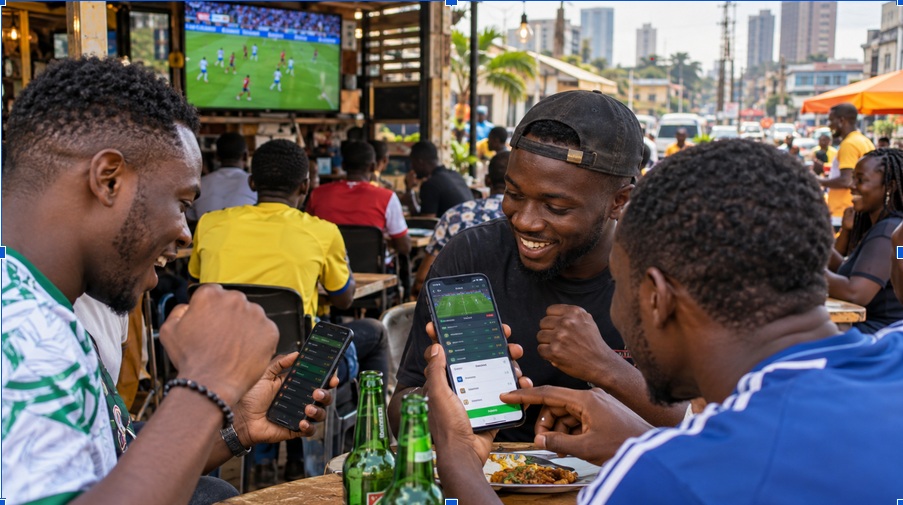
Mobile sports betting in Africa did not take off because of a new football league or a revolutionary betting product. One of the biggest changes was much simpler: millions of people gained access to the internet through their phones.
In many African countries, the smartphone has effectively replaced the traditional betting shop. Customers can register, deposit money, check football odds and withdraw winnings without leaving home.
This has helped turn sports betting into a major entertainment industry.
GeoPoll research has shown just how important mobile technology has become. In its 2026 survey across six major African betting markets, 95% of bettors said they placed bets using a mobile device. Football was also comfortably the most popular sport.
Why mobile sports betting in Africa is growing
Africa is particularly suited to mobile betting because smartphones can give customers access to betting services without requiring a nearby physical betting shop.
Mobile internet is also becoming an increasingly important part of everyday life across the continent. GSMA reported that 416 million people were using mobile internet in Africa, while smartphone adoption represented 63% of mobile connections in 2025.
Combined with mobile payment systems, this makes it possible for customers to register, deposit, bet and withdraw from the same device. For many users, that is far more convenient than travelling to a traditional betting shop.
Mobile money changed everything
Kenya is one of the best examples of the relationship between mobile technology and betting.
The country already had a highly developed mobile-money culture when online bookmakers started expanding. Services such as M-Pesa made moving small amounts of money electronically normal long before it became common in many other markets.
For bookmakers, that removed one of the biggest obstacles to online gambling: payments.
A football supporter could suddenly deposit a relatively small amount, place a bet on an English Premier League match and receive a withdrawal through the same device.
Similar developments have taken place elsewhere.
Nigeria has a huge football audience and an increasingly digital population. Ghana has also seen rapid growth in online betting, while Uganda and Tanzania have developed active mobile gambling markets.
Football provides the entertainment
Technology explains how people bet, but football explains why so many want to do it.
European football has an enormous following across Africa. Premier League clubs such as Manchester United, Arsenal, Liverpool and Chelsea have millions of supporters on the continent.
For many of these fans, a bet is simply an additional part of watching the game.
A small wager can make a match involving two neutral teams more interesting. Expert betting tips can also give fans additional context before following several matches throughout an afternoon.
This entertainment value is one reason betting has become so deeply connected to football culture.
Convenience creates new risks
The same technology that makes betting convenient also presents regulators with a difficult problem.
When gambling required a trip to a physical shop, there was a natural barrier between the customer and the bookmaker. Mobile betting removes that barrier.
A bookmaker can now be available 24 hours a day.
Customers can bet while watching television, travelling to work or sitting at home late at night. Live betting means there is no need to wait until the next match either.
For people struggling to control their gambling, that constant availability can become a serious issue.
The next challenge
Mobile betting is unlikely to disappear. If anything, improving internet access and digital payment systems should make it available to even more Africans.
The question is therefore not whether mobile sports betting in Africa will remain popular, but how governments and operators respond to its growth.
Strong age verification, deposit controls, responsible-gambling tools and clear information about the risks can all play a role.
For most customers, betting can remain what attracted them in the first place: an entertaining addition to watching football.
The challenge is making sure convenience does not turn entertainment into something more damaging.