

Sports
Why Reward Programs Keep Users Coming Back to Digital Platforms

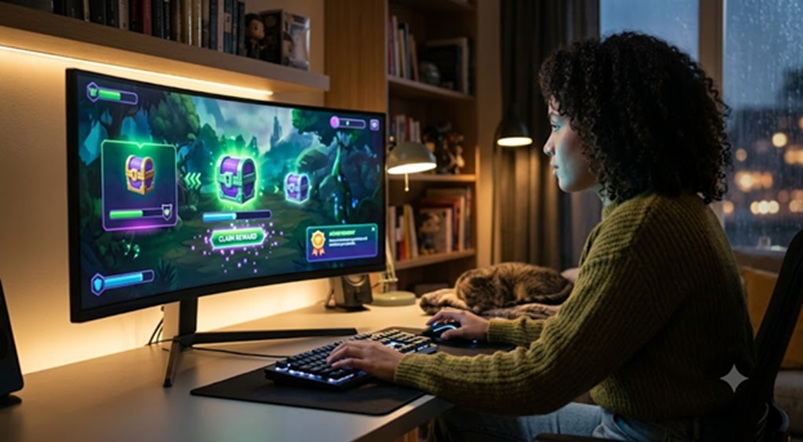
Reward systems have become a standard feature across nearly every digital platform people use daily, from streaming apps to shopping services to online entertainment. What used to be a simple points card at a physical store has evolved into complex digital systems that shape how people interact with technology every single day.
Understanding why these systems work helps explain a lot about modern app design and user behavior.
The Psychology Behind Rewards
Reward programs tap into a basic psychological principle: people respond strongly to positive reinforcement, especially when it feels earned rather than random. A small bonus after completing an action creates a sense of accomplishment that encourages repeat behavior.
This is not a new discovery. Behavioral psychologists identified this pattern decades ago, but digital platforms have refined it into something far more precise. Apps can now track exactly which actions lead to engagement and design rewards around those specific behaviors.
The unpredictability factor matters too. When rewards are not entirely predictable, whether it is a surprise bonus or a random discount, users check back more often just to see what they might receive. This mechanism explains why so many apps in Nigeria and Kenya use daily login bonuses and surprise offers rather than fixed, predictable rewards.
Why Loyalty Programs Work
User retention is one of the most expensive challenges digital platforms face. Acquiring a new user costs significantly more than keeping an existing one engaged, which is why loyalty systems have become central to long-term business strategy rather than an occasional marketing tactic.
Loyalty programs work because they change how users perceive their relationship with a platform. Instead of a single transaction, the relationship becomes ongoing, with each interaction building toward a larger benefit. This shift from transactional to relational thinking keeps users returning even when competitors offer similar core services.
The most effective loyalty programs share a few common characteristics. They tend to include the following elements:
- Tiered structures: users move through levels, with each tier unlocking better rewards than the last.
- Clear progress tracking: users can see exactly how close they are to the next reward, which encourages continued activity.
- Achievable early wins: new users receive a small reward quickly to establish the habit before bigger incentives kick in.
These elements work together to create a sense of ongoing progress rather than a single isolated reward.
Personalization and User Engagement
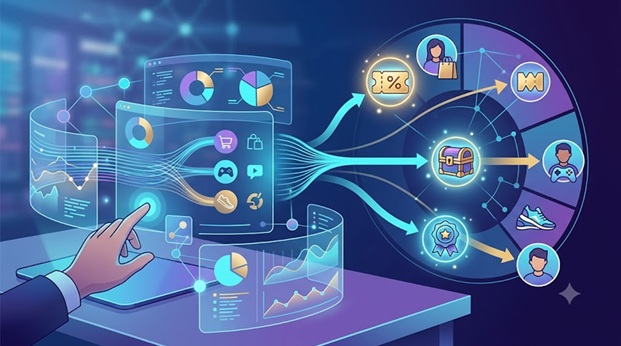
Generic rewards sent to every user rarely perform as well as personalized ones. Customer engagement improves significantly when platforms use behavioral data to offer rewards that match individual habits rather than broadcasting the same offer to everyone.
A user who plays mobile games every evening responds differently to a reward than someone who logs in once a week. Platforms that segment their user base and adjust reward timing, size, and type based on actual behavior see stronger engagement results than those using one-size-fits-all approaches.
This level of personalization requires solid data infrastructure, but the payoff is measurable. Users who receive rewards that feel relevant to their specific habits are more likely to view the platform as understanding their preferences, which builds trust over time.
How Digital Platforms Build Long-Term Relationships
Bonus systems work best when they feel like an ongoing relationship rather than a one-time transaction. Digital entertainment platforms across Africa increasingly design bonus structures around consistent engagement rather than single large payouts.
A Pin Up bonus, for example, illustrates how modern platforms structure rewards around regular activity rather than one-off promotions, encouraging users to return through small, consistent incentives instead of relying solely on a single large welcome offer.
Digital incentives that reward consistency, like weekly bonuses or milestone-based rewards, tend to build stronger long-term habits than large one-time offers that lose relevance after the first use.
Future Trends
AI-driven personalization will likely make reward timing even more precise, predicting the exact moment a user is most likely to respond positively to an incentive. Platforms are also expected to move toward more transparent reward structures, showing users exactly what they need to do to unlock the next benefit.
Gamified elements, like progress bars and achievement badges, are also expanding beyond gaming apps into shopping, fitness, and finance platforms, borrowing techniques that have proven effective at keeping users engaged over time.
In conclusion, reward programs succeed because they align with basic human psychology while adapting to individual behavior patterns. Platforms that build genuine, personalized reward systems will continue to see stronger user retention than those relying on generic, one-size-fits-all incentives.



Pingback: The ultimate guide to Pin Up casino: explore top games and player rewards – Mindfully Molly Media
Pingback: The impact of personalization on user loyalty at Pin Up casino - trafficridrgame.site
Pingback: Why the Pin Up casino app is a game-changer for user engagement in 2026 – omarmalikbhai
Pingback: Pin Up’s approach to payments: fast withdrawals and secure transactions
Pingback: How personalization enhances your experience at Pin Up casino: tips for tailored play - Futureminds
Pingback: Engaging features of Pin Up casino: What keeps players coming back for more - Industrial Online
Pingback: Navigating payments at Pin Up: Ensuring safe deposits and withdrawals - Mindfluentworld
Pingback: Personalization at Pin Up: tailoring your casino experience for greater rewards – Aim Software Solution
Pingback: How personalization enhances your experience at Pin Up casino: tips for tailored play
Pingback: How personalization enhances your experience at Pin Up casino: tips for tailored play – hamza-shahzad.com
Pingback: Exploring payment options at Pin Up: safety and speed for online players – JaelEssence Naturelle
Pingback: Personalization in gaming: How Pin Up casino adapts to player preferences – Larkins 315
Pingback: Pin Up casino’s top games: discover features that enhance your gaming experience – Cachoeira da luz divnina
Pingback: Why the Pin Up casino app is a game-changer for user engagement in 2026 – Saint Colomban Tennis de Table
Pingback: Why personalization matters: elevating your Pin Up gaming experience in 2026 – Lahore Prayer Time
Pingback: Why personalization matters: elevating your Pin Up gaming experience in 2026 – midaslearning.org
Pingback: Pin Up casino payment methods: ensuring safe and efficient withdrawals for all players - Aspirasi Warga
Pingback: Why personalization matters: elevating your Pin Up gaming experience in 2026 – Escala Realty
Pingback: Discover the standout features of Pin Up casino: games that keep players coming back - Upskill Global
Pingback: Boost your gaming with Pin Up: understanding effective reward programs – Ferncliff Cabins
Pingback: How personalization boosts user loyalty at Pin Up casino: a closer look - Captions For You
Pingback: Exploring top features of Pin Up casino: what makes it a trusted gaming destination – Barron Distribution Partners
Pingback: Pin Up casino loyalty programs: Why they matter for long-term players – Sarı Çizgim
Pingback: Exploring payment options at Pin Up: safety and speed for online players – Cristalissima
Pingback: Pin Up casino games: exploring unique features and top choices for players – hacked by trenggalek6etar
Pingback: How personalization enhances user engagement at Pin Up casino – caproperty
Pingback: Fotografia Ślubna – Piotr Markowicz
Pingback: Safe deposits and quick payouts: Navigating payment options at Pin Up casino – Prime Feel
Pingback: Elevate your gameplay at Pin Up: mastering the art of personalized rewards – maverickevents