
Technology
ClimatrixAI, Aframend, 8 Other Startups for Qualcomm Make in Africa 2025

By Aduragbemi Omiyale
Ten African start-ups, including two from Nigeria, have been selected for the Qualcomm Make in Africa 2025 for a chance to receive the Social Impact Fund, provided through the Qualcomm® Wireless Reach Initiative. This fund supports startups in scaling their societal and market impact.
One startup will be awarded the fund for its innovative use of wireless technology to address community needs, while the other nine will receive stipends to support their growth and continued development.
In a statement made available to Business Post, it was disclosed that the shortlisted small firms were from approximately 435 applications from 19 countries received this year.
The lucky companies are Aframend for Nigeria, which deals in AI-driven drug discovery with African phytochemicals; AmalXR from Tunisia focusing on AI-powered VR rehabilitation with clinical validation and progress simulations; Archeos from the Benin Republic dealing with Solar/IoT pisciculture automation for optimal water quality and feeding; ClimatrixAI from Nigeria focusing on hyperlocal flood risk prediction and monitoring; and Ecobees from Tunisia, an AI-based beekeeping for hive health, water levels, and climate conditions.
Others are Edulytics from Senegal, which is an AI-based mobile liver fibrosis detection using ultrasound images; Farmer Lifeline from Kenya using solar-powered AI robots for crop pests and disease detection; Pixii Motors from Tunisia dealing in electric scooter with AI/IoT battery optimization and swap stations; Pollen Patrollers from Kenya using AI/IoT based precise and healthy pollination to combat hive collapse; and Solar Freeze also from Kenya using solar-powered IoT cold storage to reduce post-harvest food loss.
The SVP and president of Qualcomm for MEA and SVP for Government Affairs at EMEA, Wassim Chourbaji, in the statement was quoted as saying, “This year’s cohort of deep technology startups is a testament to Africa’s burgeoning innovation landscape.
“By leveraging Qualcomm’s cellular, IoT, and edge-AI technologies, these startups are poised to revolutionize agriculture, sustainability, climate change, transportation, and healthcare. We are honored to support their journey toward creating transformative solutions for a better future.”
The Secretary General of the African Telecommunications Union (ATU), John Omo, while also commenting, said, “ATU is proud to partner with Qualcomm on the 2025 Make in Africa program.
“Innovation is the engine of Africa’s future, and it is clear the ten startups in this year’s cohort exemplify its power. While ATU works to align spectrum policy, regional standards, and open-data practices so that new technologies move quickly from lab to market, we also recognize that real progress demands a broad coalition.
“We, therefore, call on governments, academia, investors, and industry to back these ventures—and every initiative that puts African ingenuity first.”
The Qualcomm Africa Innovation Platform is currently in its third year. The programme supports the development of Africa’s deep technology ecosystem by providing mentorship, and technical, business and IP training programs with a focus on 5G, Edge-AI/ML, Compute,









By Modupe Gbadeyanka
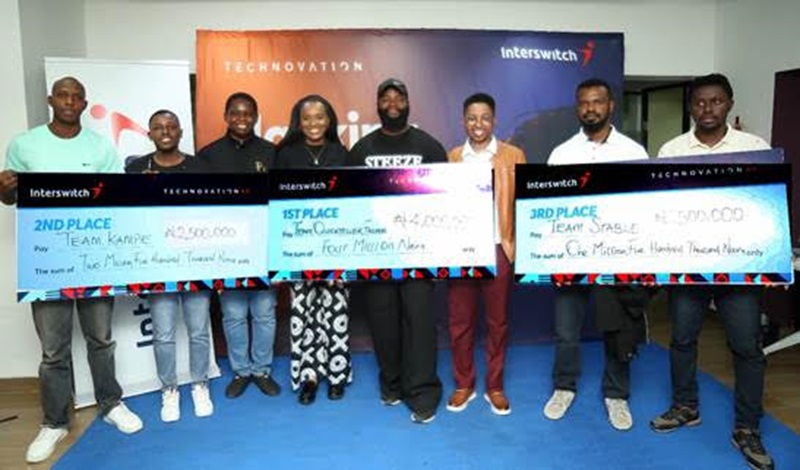
The winners of the Technovation 4.0 Hackathon, themed The Wicked Hackathon, organised by Interswitch, have been given N10 million in cash prizes for their efforts.
At the one-day finale event, which took place on Wednesday, March 4, 2026, at the Interswitch Innovation Lab and Co-Working Space, the money was shared among the top teams whose innovative solutions stood out during the rigorous multiple phases of the competition.
Team Quickteller Fashion emerged as the overall winner, securing the grand prize of N4 million for a solution that impressed judges with its originality, practicality, and strong strategic relevance. Team Kampe claimed second position with N2.5 million, while Team Stable placed third, receiving N1.5 million. Up to N300,000 worth of cash prizes were also awarded to the fourth, fifth and sixth qualifying teams.
For nine months, cross-functional teams from across the organisation collaborated to conceptualise, validate, develop, and refine solutions, moving from raw ideas to minimum viable products (MVPs) with ready-to-market potential and deployment across the business.
The atmosphere at the grand finale reflected that of preparation and anticipation as the top 9 teams presented their innovations through live demonstrations and detailed pitches, fielding questions from a distinguished panel of judges before the top three winners were selected. Each presentation highlighted rigorous validation processes, thoughtful market considerations, and a strong emphasis on measurable impact.
While many of the solutions remain confidential due to their strategic relevance, the diversity and depth of ideas showcased during the hackathon’s final underscored the organisation’s growing culture of intrapreneurship and structured innovation. The projects illustrated how technology-driven thinking can unlock efficiencies, strengthen operational capabilities, and open new pathways for growth across the digital payments and commerce ecosystem.
“Technovation continues to reflect who we are as an organisation, bold, forward-thinking, and deeply committed to building impactful solutions from within. Over the years, we have seen ideas conceived during this programme evolve into meaningful capabilities that strengthen our ecosystem.
“The passion, discipline, and ingenuity demonstrated by our teams this year reinforce our belief in the power of African innovation to solve complex challenges and shape the future of technology on the continent,” the Chief Innovation Officer for Interswitch, Ms Adaobi Okerekeocha, stated.
By Modupe Gbadeyanka
The language support for its AI Search features has been expanded by Google, with the inclusion of Yoruba and Hausa in Nigeria.
This is part of a broader effort to make AI more inclusive across the continent, with support now extending to a total of 13 African languages.
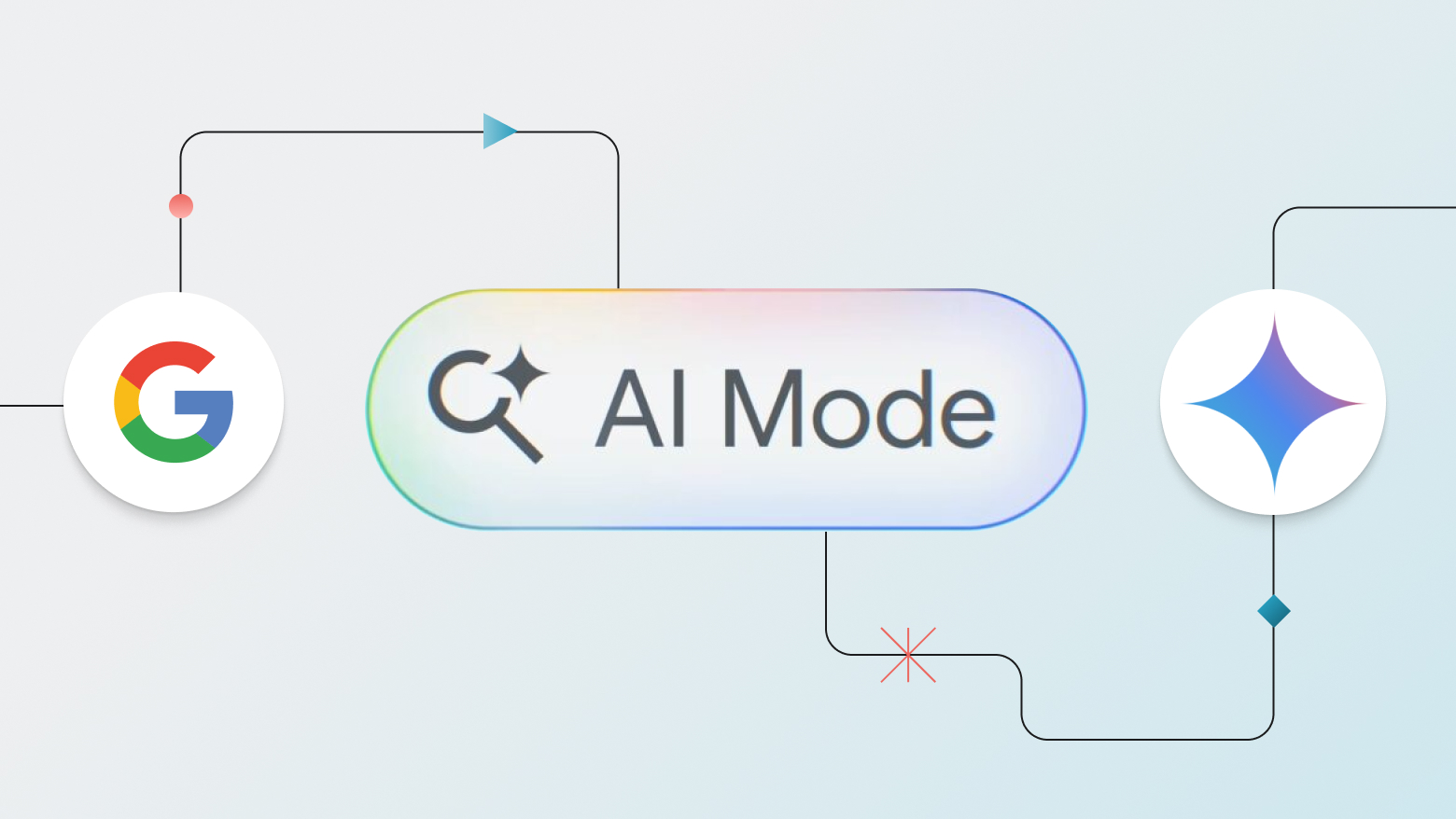
Under the AI Overviews and AI Mode, speakers of both Nigerian languages can utilise AI-powered Search experiences in their mother tongue for quick summaries and conversational exploration.
This means existing AI features in Google Search are now accessible to people like the student in Kano asking a question in Hausa, and the trader in Ibadan seeking advice in Yorùbá.
By addressing language barriers, this update ensures that technology reflects the identity and culture of the people it serves. With this expansion, more people can now use AI Mode to ask complex questions in their preferred language, while exploring the web more deeply and naturally through text or voice.
The 13 languages now supported across Africa include Afrikaans, Akan, Amharic, Hausa, Kinyarwanda, Afaan Oromoo, Somali, Sesotho, Kiswahili, Setswana, Wolof, Yorùbá, and isiZulu.
These languages were chosen based on the vibrant search activity across the continent, ensuring that our AI experiences reach the communities that need them most.
Commenting on the development, the Communications and Public Affairs Manager for Google in West Africa, Taiwo Kola-Ogunlade, said, “Building a truly global Search goes far beyond translation — it requires a nuanced understanding of local information.
“With the advanced multimodal and reasoning capabilities of our custom version of Gemini in Search, we’ve made huge strides in language understanding, so our most advanced AI search capabilities are locally relevant and useful in each new language we support.
“This is about ensuring Nigerians can converse with Search in their mother tongues, making information more helpful for everyone.”
To use AI Overviews and AI Mode in the local language, users must open the Google app on an Android or iOS device, or via the Web. They are required to tap on AI Mode within the Search experience. Thereafter, they can type or speak the question in their preferred language, such as Hausa or Yorùbá, and let the AI guide the journey.

By Adedapo Adesanya
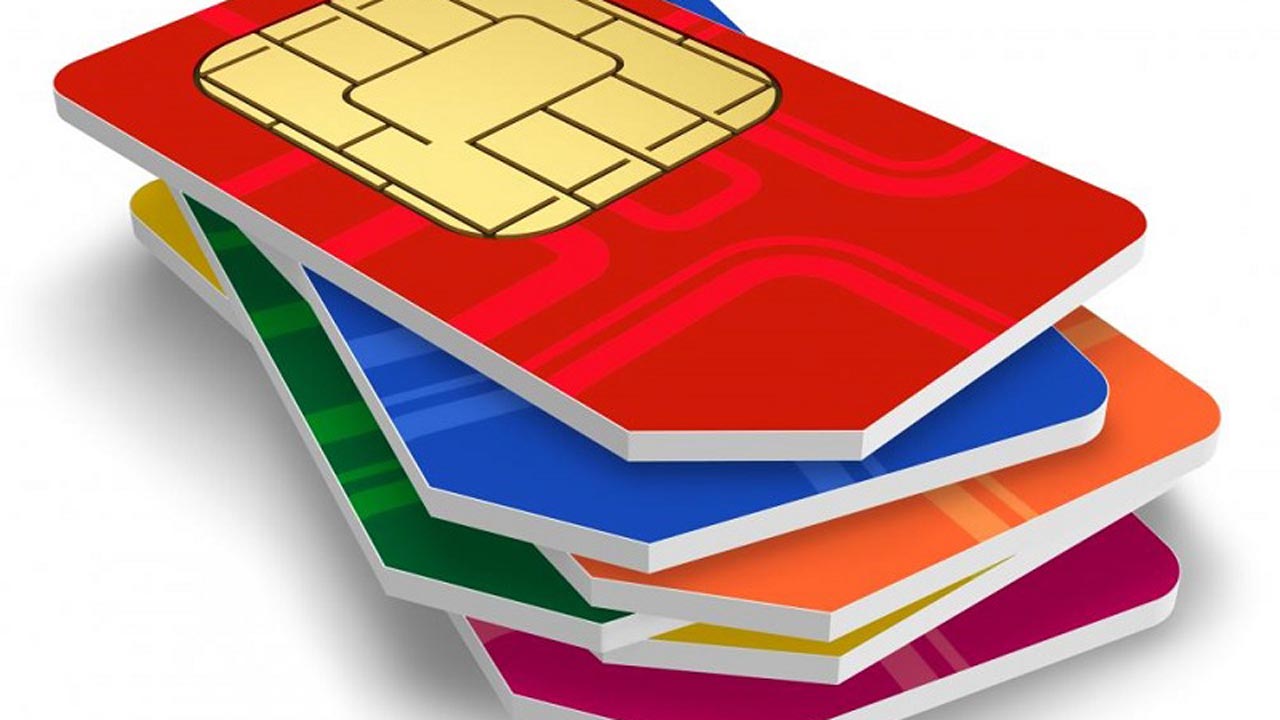
Telecommunications operators in Nigeria will now be required to give subscribers a minimum of 14 days’ notice before deactivating their SIM cards over inactivity or post-paid churn, following a fresh proposal by the Nigerian Communications Commission (NCC).
The proposal is contained in a consultation paper, signed by the Executive Vice Chairman and Chief Executive Officer of the NCC, Mr Aminu Maida, and titled Stakeholders Consultation Process for the Telecoms Identity Risks Management Platform, dated February 26, 2026, and published on the Commission’s website.
Under the proposed amendments to the Quality-of-Service (QoS) Business Rules, the Commission said operators must notify affected subscribers ahead of any planned churn.
“Prior to churning of a post-paid line, the Operator shall send a notification to the affected subscriber through an alternative line or an email on the pending churning of his line,” the document stated.
It added that “this notification shall be sent at least 14 days before the final date for the churn of the number.”
A similar provision was proposed for prepaid subscribers. According to the Commission, operators must equally notify prepaid customers via an alternative line or email at least 14 days before the final churn date.
Currently, under Section 2.3.1 of the QoS Business Rules, a subscriber’s line may be deactivated if it has not been used for six months for a revenue-generating event. If the inactivity persists for another six months, the subscriber risks losing the number entirely, except in cases of proven network-related faults.
The new proposal is part of a broader regulatory review tied to the rollout of the Telecoms Identity Risk Management System (TIRMS), a cross-sector platform designed to curb fraud linked to recycled, swapped and barred mobile numbers.
The NCC explained in the background section of the paper that TIRMS is a secure, regulatory-backed platform that helps prevent fraud stemming from churned, swapped, barred Mobile Station International Subscriber Directory Numbers in Nigeria.
It said this platform will provide a uniform approach for all sectors in relation to the integrity and utilisation of registered MSISDNs on the Nigerian Communications network.
In addition to the 14-day notice requirement, the Commission also proposed that operators must submit details of all churned numbers to TIRMS within seven days of completing the churn process, strengthening oversight and accountability in the system.
The consultation process, which the Commission said is in line with Section 58 of the Nigerian Communications Act 2003, will remain open for 21 days from the date of publication. Stakeholders are expected to submit their comments on or before March 20, 2026.












-
 Feature/OPED6 years ago
Davos was Different this year
-
Travel/Tourism10 years ago
Lagos Seals Western Lodge Hotel In Ikorodu
-

 Showbiz3 years ago
Estranged Lover Releases Videos of Empress Njamah Bathing
-
 Banking8 years ago
Sort Codes of GTBank Branches in Nigeria
-

 Economy3 years ago
Subsidy Removal: CNG at N130 Per Litre Cheaper Than Petrol—IPMAN
-

 Banking3 years ago
Sort Codes of UBA Branches in Nigeria
-

 Banking3 years ago
First Bank Announces Planned Downtime
-

 Sports3 years ago
Highest Paid Nigerian Footballer – How Much Do Nigerian Footballers Earn