Technology
FG Extends NIN-SIM Linkage Deadline to June 30
By Modupe Gbadeyanka
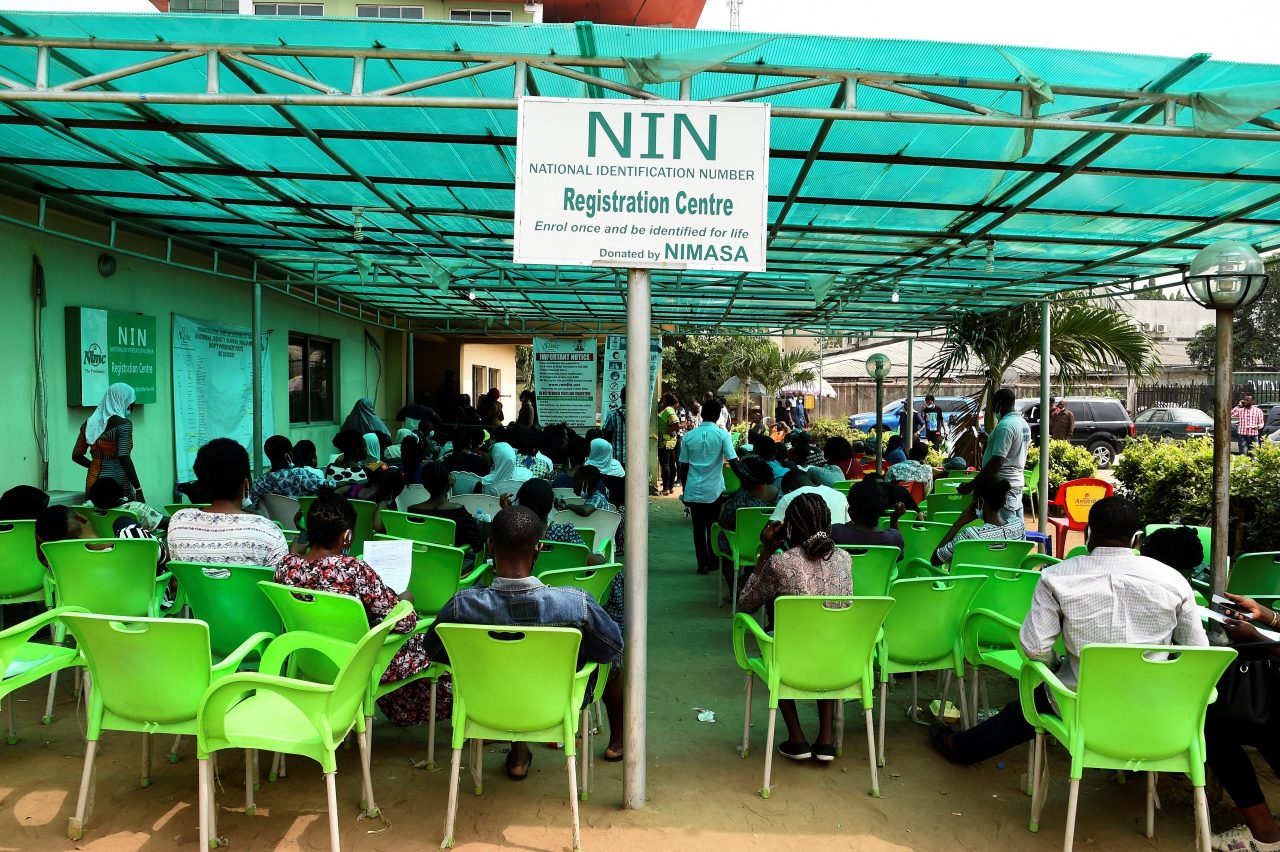
The deadline for the linkage of the National Identity Number (NIN) with the Subscriber Identity Module (SIM) as directed by the federal government has again been shifted to Wednesday, June 30, 2021.
This extension was announced in a statement jointly signed by Mr Ikechukwu Adinde, the Director of Public Affairs at the Nigerian Communications Commission (NCC) and Mr Kayode Adegoke, the Head of Corporate Communications at the National Identity Management Commission (NIMC) on Tuesday, May 4, 2021.
It was disclosed that the shifting of the verification deadline was approved by the Minister of Communications and Digital Economy, Mr Isa Ali Ibrahim Pantami, at a virtual meeting chaired by him.
The gathering also had in attendance the Chairman of the NCC, Prof Adeolu Akande; the Executive Vice Chairman/CEO of NCC, Prof Umar Garba Dambatta; the Director-General/CEO of NIMC, Mr Aliyu Azeez, amongst others.
The postponement of the NIN-SIM linkage deadline was also based on the request by stakeholders for an extension till 30th of June, 2021, in order to make it easier for all citizens and legal residents to register, the statement said.
According to the statement, significant progress has been made in the NIN-SIM verification process as almost 54 million people have obtained their NIN and this can translate to up to 190 million mobile numbers since empirical evidence suggests that each unique NIN maps to three to four phone lines.
The much-awaited Android enrolment system is now ready for deployment and this has the potential to significantly accelerate the speed and ease of enrolments, it added.
Furthermore, the telecom providers and other enrolment agents have also opened several centres across the country to make it easier for eligible citizens and residents to obtain and link their NINs.
Technology
NVIDIA Invests in Cassava Technologies for Expansion
By Modupe Gbadeyanka
A leading Artificial Intelligence (AI) computing firm, NVIDIA, has made an undisclosed investment in Cassava Technologies.
NVIDIA joins Cassava’s impressive roster of investors comprising Econet Group, British International Investment, DFC, Finnfund, Fund for Export Development in Africa (Afreximbank/FEDA), Gateway Capital, Google LLC, International Finance Corporation (IFC), Public Investment Corporation and Royal Bafokeng Holdings.
Cassava operates across Africa, the Middle East and Latin America through a strong portfolio of business units comprising Liquid Intelligent Technologies, Africa Data Centres, Liquid C2, Cassava.ai, and Sasai Fintech, all of which are leaders in their respective sectors.
The organisation will continue collaborating with its partners and customers on the continent and beyond, establishing it as a leading technology company of African heritage.
“Cassava is Africa’s leading technology company, driving the continent’s digital transformation with digital infrastructure and digital services.
“Securing this investment is an important milestone that we expect to unlock additional value from and catalyze the further expansion of our digital infrastructure and services to bridge the digital divide on the continent,” the chief executive of Cassava, Mr Hardy Pemhiwa, stated.
Technology
Airtel Africa Foundation Boosts Digital Skills Development in Rwanda
By Aduragbemi Omiyale
To deepen access to smartphones and digital services for underserved communities, Airtel Africa Foundation has joined forces with others to train some persons in Rwanda.
This aligns with Rwanda’s ambition to become a knowledge-based economy and complements national programmes such as Connect Rwanda.
The organisation is collaborating with the International Telecommunication Union (ITU), Rwanda Information Society Authority (RISA) and Cisco on capacity and digital skills development under the Digital Transformation Centres (DTC) Initiative.
The parties will bridge the digital divide and promote digital inclusion by providing free Internet connectivity and digital skills training to underserved communities in the country, in connection with the advancement of the 2030 Agenda for Sustainable Development.
ITU will provide digital skills training content to the DTCs under the Initiative along with other ITU regional capacity development activities. In addition, ITU will facilitate networking opportunities related to promoting digital literacy and inclusion, which will enable access to expertise and best practices.
It was disclosed that Airtel Africa Foundation, through Airtel Rwanda, would equip DTC locations with routers, Wi-Fi and data packages at no cost, ensuring the effective rollout of training and access to digital educational platforms.
According to the chief executive of Airtel Rwanda, Mr Sujay Chakrabarti, the collaboration marks a significant step forward in bridging the digital divide and empowering Rwandan youth with digital skills.
He described the partnership as “a powerful example of what happens when government, private sector, and international organizations come together to empower communities.”
“This partnership reflects our commitment to supporting national development goals and closing the digital divide through meaningful collaboration,” said the Head of Programs at Airtel Africa Foundation, Ms Esi Asare Prah, said on behalf of the chairman of the foundation, Mr Segun Ogunsaya.
“We are honoured to partner with ITU to bring this vision to life and contribute to Rwanda’s journey toward becoming a digitally empowered society,” he added.
Also, the Regional Director for International Telecommunication Union (ITU), Mr Emmanuel Mannaseh, said, “Our partnership with Airtel Africa Foundation begins in Rwanda, where we are joining forces to strengthen digital skills in underserved communities to advance connectivity. This initiative lays the groundwork for broader regional collaboration, as we aim to expand this work to other Digital Transformation Centres across Africa.”
On his part, the chief executive of Rwanda Information Society Authority (RISA), Mr Antoine Sebera, said, “What we are seeing here today is partnership in action. Statistics show that 900 million people in Africa remain unconnected, extra effort needs to be made to make sure that no one is left behind.
“This positions Rwanda a step ahead by being intentional to involve the youth. These centres are going to play a transformative role in educating the youth to leverage AI. Digital Transformation is driving the world and Africa or Rwanda cannot be left behind.”
Technology
OpenAI Launches Browser to Compete with Google, Others
By Faridat Yusuf
OpenAI, the creators of ChatGPT, has launched a new web browser called ChatGPT Atlas, powered by artificial intelligence (AI) and is said to be a big competition to Google Chrome and other browsers.
The new browser, which was announced on Tuesday, aims to change the way people search and browse online. Instead of typing keywords like on Google, users can just talk to ChatGPT inside the browser, and it will summarise information or even do tasks for them.
According to Reuters, OpenAI already has about 800 million weekly users on ChatGPT, and with Atlas, the company is now trying to bring AI into people’s daily internet use.
Atlas allows users to open a ChatGPT sidebar in any browser window to summarise web pages, compare products or even analyse data from websites.
Business Post gathered that there is also an “agent mode” for people who pay for the premium version of the service. This feature lets ChatGPT perform online tasks, to make “improvements that make it faster and more useful by working with your browsing context.”
During the demo, OpenAI developers showed how ChatGPT used Atlas to go on the Instacart website and add items to the cart all by itself.
For now, the browser is available globally on Apple computers (macOS), but OpenAI says it will soon release versions for Windows, iPhones, and Android phones.
Experts say Atlas could become a serious challenge to Google Chrome, which currently controls about 71.9 per cent of the global browser market. Google’s parent company, Alphabet, saw its shares drop by 1.8 per cent after the announcement.
Google, which has majority of the online search market share, has also been trying to improve its browser using its Gemini AI model, which is now part of Chrome for US users.
Analysts believe OpenAI’s new browser might later start showing ads, which could make it compete directly with Google’s advertising business.
-
Feature/OPED6 years agoDavos was Different this year
-
Travel/Tourism9 years ago
Lagos Seals Western Lodge Hotel In Ikorodu
-
Showbiz3 years agoEstranged Lover Releases Videos of Empress Njamah Bathing
-
Banking7 years agoSort Codes of GTBank Branches in Nigeria
-
Economy2 years agoSubsidy Removal: CNG at N130 Per Litre Cheaper Than Petrol—IPMAN
-
Banking3 years agoFirst Bank Announces Planned Downtime
-
Sports3 years agoHighest Paid Nigerian Footballer – How Much Do Nigerian Footballers Earn
-
Banking3 years agoSort Codes of UBA Branches in Nigeria