
Technology
Nigeria, Czech May Revive Delta-2 Project to Boost Technology Transfer

By Adedapo Adesanya
After a three-year hiatus, the National Agency for Science and Engineering Infrastructure (NASENI) has moved to restart the Delta-2 project, a technology transfer programme between Nigeria and the Czech Republic.
The Nigerian agency and its Czech equivalent, the Technology Agency of Czech Republic (TA-CR) signed a Memorandum of Understanding in 2014 in Prague on critical areas of technology transfer and innovations, which resulted in the co-funding of the Czech-Nigeria Bilateral R&D project on the Delta-2 Programme.
The programme started in 2020 but got stalled.
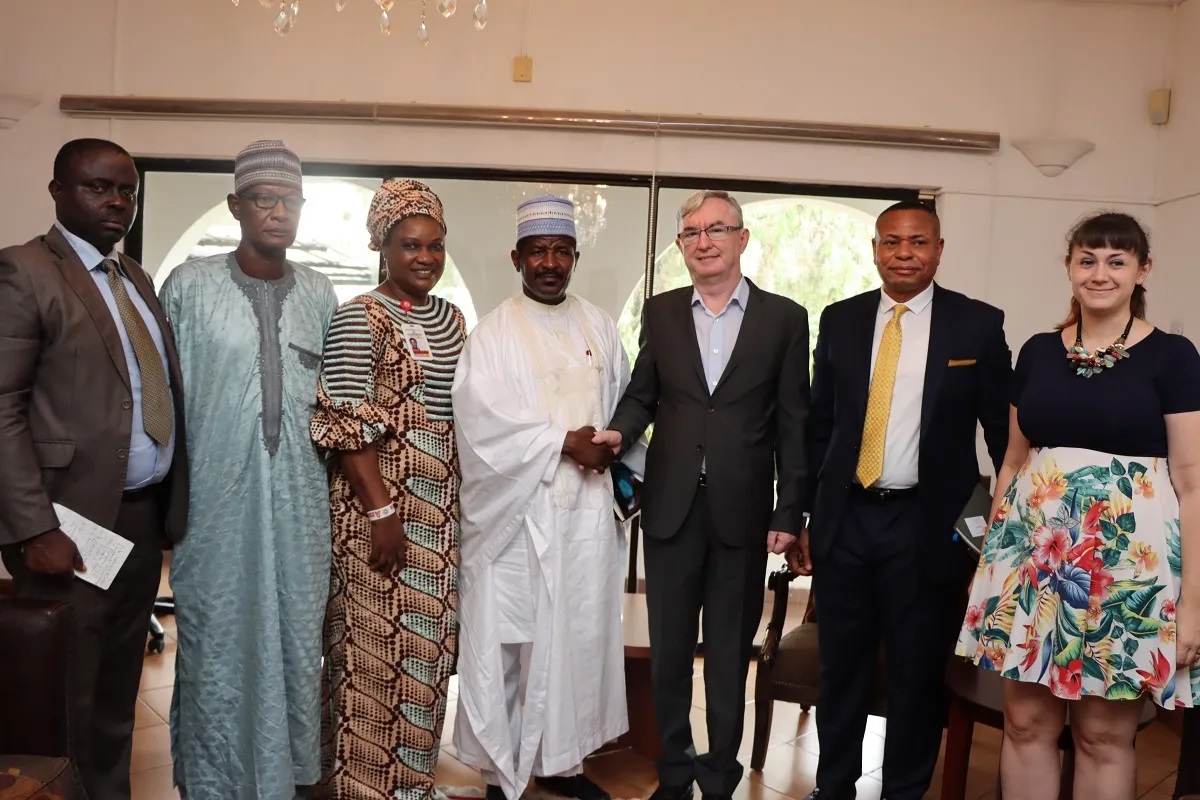
Now, NASENI, in a statement, said the project may soon continue as the Executive Vice Chairman of the Agency, Mr Bashir Gwandu, recently visited the Ambassador of the Czech Republic to Nigeria, Mr Zdeněk Krejčí, for business collaboration and fact-finding on the Delta-2 Project.
Mr Gwandu said he was on a fact-finding visit to know why the project, which was supposed to benefit Nigeria’s technology companies and entrepreneurs and the country’s economic development, failed.
He said the agency would ensure the take-off of projects that would foster growth and expansion of infrastructure, manufacturing, and innovation in Nigeria, leading to Made-in-Nigeria technologies and products.
“I want us to work on -government-to-government level on new initiatives we embark on. We want a relationship that is beneficial to our country. We have a lot of companies we are reaching out to. We want to work with the Czech government and companies. We want them to come here and start producing and domesticating technologies. We want to industrialize Nigeria.”
“We want Czech companies to come and invest here in Nigeria and have a partnership with us,” Mr Gwandu said.
He added that NASENI is working on new initiatives that would accelerate Nigeria’s industrialization and would partner with companies from the Czech Republic and other countries ready to set up factories and industrial bases in Nigeria.
He informed the ambassador that the new administration at NASENI is ready to work with the Czech government to drive Nigeria’s industrialization agenda and attract new investments in the country that would ensure the domestication of technologies through partnerships.
According to him, the mandate of NASENI is to make sure that Nigeria produces most of the goods and services it currently imports, which Nigeria can produce locally, thus developing the country’s economy and creating jobs for millions of Nigerians.
On his part, the Czech Ambassador commended the EVC of NASENI and his team for making out time to visit him at the embassy to enquire about why Delta-2 Project did not take off. He said his country is ready to work with NASENI on scientific cooperation.
“We await your new initiatives. In our country, we have a grant agency and a technology agency responsible for scientific cooperation and also the Academy of Sciences, which will be beneficial to you.
“We have about two or three companies that are ready to work with you and three universities working with tropical agriculture. I think they deserve your cooperation,” he said, adding that they are ready to work with NASENI to make the new initiatives fruitful,” Mr Krejčí noted.
The Delta-2 Programme is the cooperation model of the Technology Agency of Czech Republic (TA-CR), running from 2020-2025, through which sponsors applied research and innovation of manufacturing companies and innovative institutions.



By Modupe Gbadeyanka
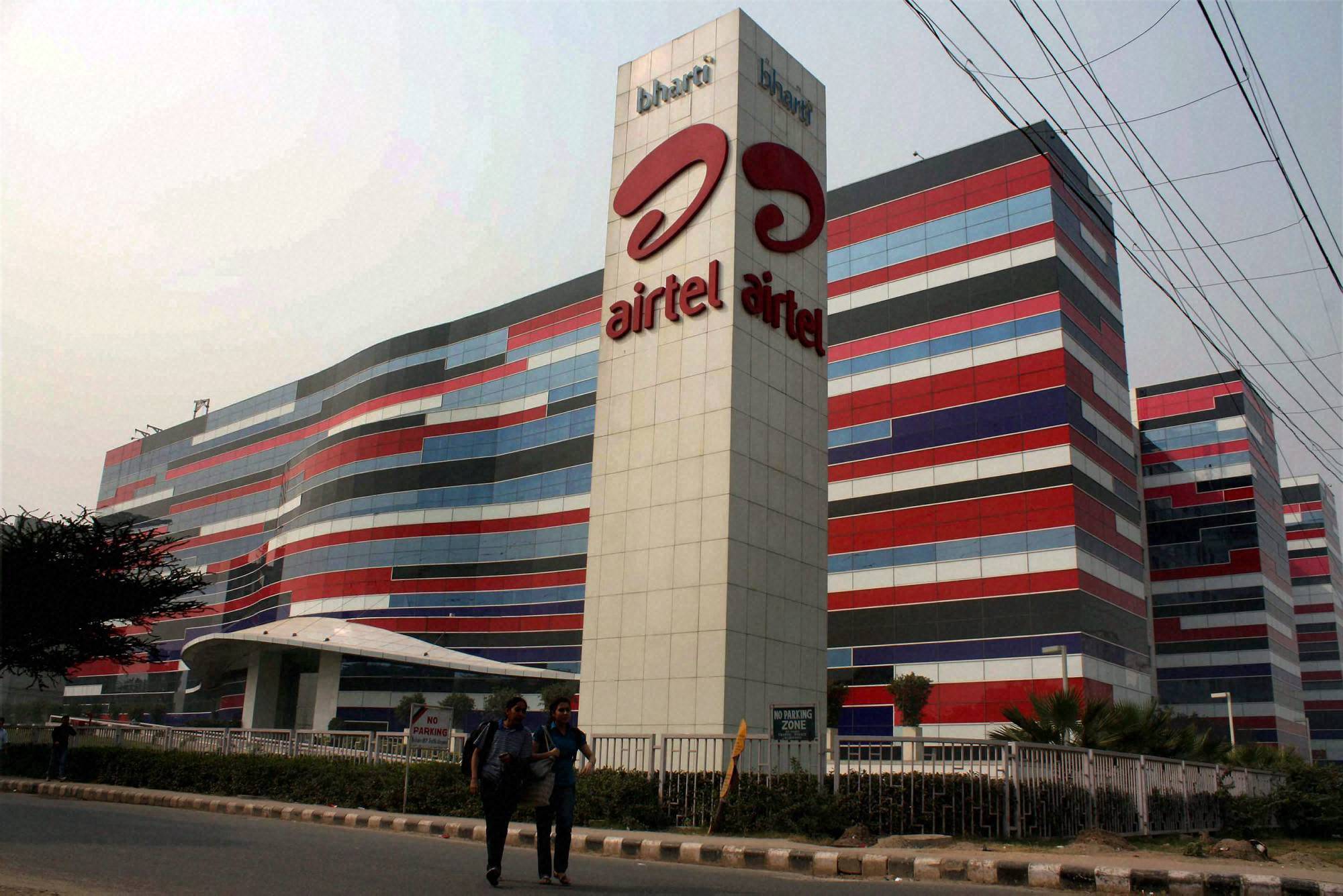
Bharti Airtel has crossed 650 million mobile subscribers worldwide to emerge as the world’s second-largest telecommunications firm.
The Indian company has operations in several countries, including Nigeria, where it has continued to scale infrastructure at a pace unmatched in its recent history.
Over the past three years, the telco has increased its national site count from just above 13,000 to nearly 17,200 sites, including more than 1,560 added in the last 12 months.
This expansion deepens capacity in high-demand corridors and extends high-speed coverage to previously underserved regions.
The latest industry data from the Nigerian Communications Commission (NCC) underscores the significance of this growth. As of December 2025, Nigeria recorded 145,141 base stations across 2G, 3G, 4G and 5G layers.
Of this national infrastructure, Airtel accounts for 46,918 base-station layers, reflecting its substantial contribution to the country’s radio access network and its push to absorb rising data consumption.
Nearly 99 per cent of Airtel Nigeria’s sites are now 4G-enabled, positioning the operator as one of the few with a near-ubiquitous high-speed broadband footprint. Thousands of sites have been upgraded for capacity in the past year alone, enabling improved speeds and more stable performance during peak usage.
That expansion underpins Nigeria’s rising internet adoption. According to the latest regulator figures, Nigeria’s internet penetration recently climbed above 50 per cent, with Airtel recording among the largest monthly increases in new internet subscribers, driven by network upgrades across states and rural corridors.
Strategic Connectivity and Redundancy
Airtel is also tackling a critical infrastructure challenge for the Nigerian digital economy: reliance on a single international internet gateway. The company is advancing plans for its second submarine cable internet breakout point at Kwa Ibo in Akwa Ibom State, early in the 2Africa cable system rollout, to provide faster and more resilient national connectivity across regions. This significant investment aligns with global best practices in network diversity and redundancy, ensuring a more stable digital experience for consumers and enterprises alike.
Digital Finance at Scale: SmartCash
Airtel’s digital finance arm, SmartCash, has gained traction in Nigeria’s competitive mobile money ecosystem, now serving over 3 million active users. The platform is supported by an expansive agent network and digital services that lower barriers for everyday financial transactions and savings.
Outstanding Human Touch: Retail Reach
Across Nigeria, Airtel’s retail distribution network stands as one of the sector’s most extensive, with approximately 4,000 exclusive outlets bringing services, support, and products closer to customers in small towns, communities, and high-traffic urban hubs. That footprint drives both access and engagement in a market where localised presence remains a competitive differentiator.
As Nigeria’s digital economy continues to evolve, Airtel is committed to sustained innovation — from expanded fibre backbones and advanced mobile broadband to future-ready services that include satellite-enabled solutions and enterprise-grade digital platforms. These efforts help ensure that connectivity, commerce, and creativity thrive across Nigeria and beyond.
By Adedapo Adesanya
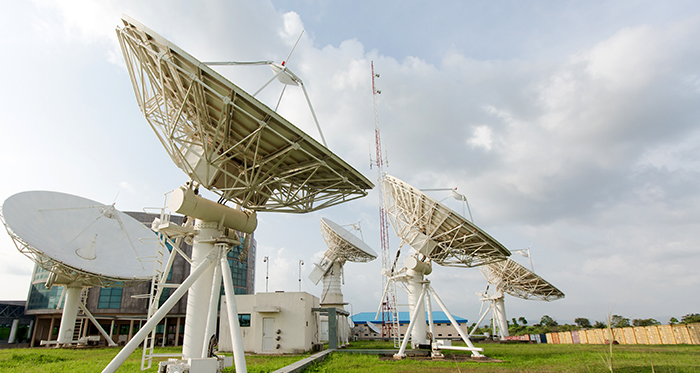
Nigeria has set 2028 and 2029 as the timeline for the deployment of its new satellites, NIGCOMSAT-2A and 2B, respectively.
The Managing Director of NIGCOMSAT, which is Nigerian Communications Satellite Limited and the premier satellite operator in Nigeria, Mrs Jane Nkechi Egerton-Idehen, disclosed this at the second Nigerian Satellite Week in Abuja on Monday. She noted that the development is expected to boost military intelligence, surveillance, and regional connectivity.
“For 2A and 2B, we have started the process. We have closed the tender and are now back into the financing and implementation stage. 2A is built to come up in 2028, and 2B for 2029.
“When they are up and running, they are expected to provide security within the borders and neighbouring countries. They will support the security agencies because data collection and intelligence in real time is important. Satellites like communication satellites allow that, irrespective of where they are,” she said.
In his remarks, the Minister of Communications and Digital Economy, Mr Bosun Tijani, said the satellites form part of the nation’s strategy to strengthen digital infrastructure.
Mr Tijani explained that the satellites will complement ongoing investments in 90,000 kilometres of fibre-optic cable and nearly 4,000 telecom towers, which are being rolled out nationwide and extended to neighbouring countries, including Cameroon, Niger, Chad, Burkina Faso, and the Republic of Benin.
He stressed that satellite technology is critical for national development, affecting education, agriculture, business, and emergency response.
“The president’s approval of NIGCOMSAT-2A and 2B demonstrates a clear commitment to building the future. These satellites will enhance security, connect remote communities, and extend our fibre-optic network into neighbouring countries,” he said.
“Some of these neighbouring countries pay up to ten times more for internet capacity than Lagos. Extending our fibre network will not only improve connectivity but also enhance border security and regional collaboration.
“Satellite technology affects everything, from how a child in a rural community accesses the internet to how farmers make critical decisions and how businesses operate across distance,” the Minister said.
Also speaking, the Chief of Army Staff (COAS), Lieutenant General Waidi Shaibu, welcomed the development, saying the military will leverage the satellites for operational efficiency.
“The Nigerian Army will continue to use space assets to improve intelligence gathering, surveillance, and operational coordination across all theatres of operation,” he said at the event, represented by Major General Kennedy Osemwegie, Commander of the Nigerian Army Cyber Warfare Command (NACWC).
By Modupe Gbadeyanka
A partnership to advance digital payments and financial inclusion across East Africa has been strengthened between Interswitch and KCB Group.
Both parties have agreed to expand digital payment infrastructure and deliver innovative financial solutions that meet the evolving needs of individuals, businesses, and institutions across the region.
The aim is to accelerate seamless, secure, and inclusive digital payments in East Africa, where the leading Africa-focused integrated payments and digital commerce enabler, Interswitch, recently announced an expansion of Verve card acceptance footprint, leveraging its consolidated partnership with KCB Group, Kenya’s largest financial services group by assets, following a similar move in Uganda through the local KCB Franchise in February 2022.
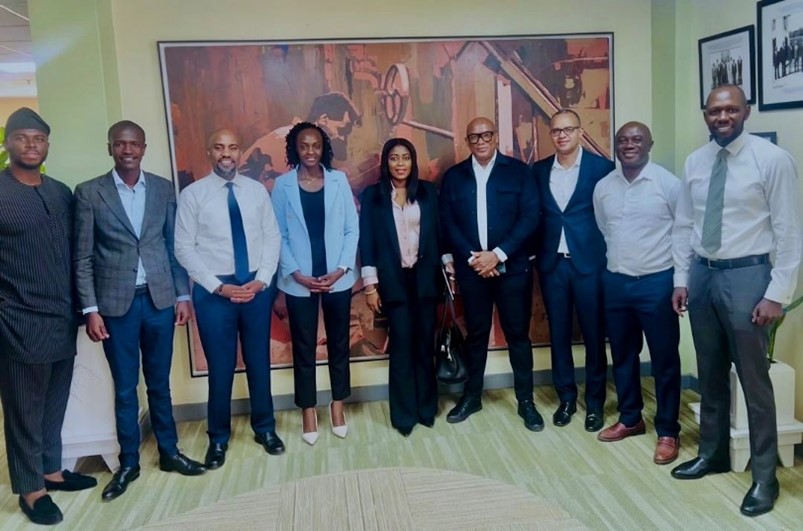
During a recent executive engagement at KCB Group headquarters in Nairobi, the chief executive of Interswitch, Mr Mitchell Elegbe, held high-level discussions with KCB leadership, including its chief executive, Paul Russo.
At the core of the strengthened collaboration is the integration of Interswitch’s robust payment rails, card scheme, and emerging digital token solutions with KCB Group’s expansive regional footprint and trusted banking franchise.
This integration enables the acceptance of Verve cards and tokenised payment solutions across KCB’s extensive merchant point-of-sale network in Kenya and Uganda, significantly enhancing everyday usability for customers while strengthening KCB’s digitally driven retail payments offering.
The consolidated partnership is expected to drive increased merchant acquisition, improve interoperability across payment ecosystems, and expand access to secure, cashless transactions. It also reinforces both organisations’ shared objective of deepening financial inclusion and accelerating digital commerce across East Africa.
“Our collaboration with KCB Group represents a powerful alignment of vision and capability. By combining our technology-driven payment solutions with KCB’s strong regional presence, we are unlocking new opportunities to scale access, drive innovation, and deliver greater value to customers across East Africa,” Mr Elegbe stated.
-
 Feature/OPED6 years ago
Davos was Different this year
-
Travel/Tourism10 years ago
Lagos Seals Western Lodge Hotel In Ikorodu
-

 Showbiz3 years ago
Estranged Lover Releases Videos of Empress Njamah Bathing
-
 Banking8 years ago
Sort Codes of GTBank Branches in Nigeria
-

 Economy3 years ago
Subsidy Removal: CNG at N130 Per Litre Cheaper Than Petrol—IPMAN
-

 Banking3 years ago
Sort Codes of UBA Branches in Nigeria
-

 Banking3 years ago
First Bank Announces Planned Downtime
-

 Sports3 years ago
Highest Paid Nigerian Footballer – How Much Do Nigerian Footballers Earn