
Travel/Tourism
10 Reasons to Visit Rwanda More Than Once

By Prince Tonye Pricewill
We have taken the time to bring you ten key reasons why Rwanda has to be on your list of places to see not just once but more than once. It took us 10 days to visit a variety of choice locations, and the only reason why we didn’t feel the impact of the hectic schedule was simply because of how amazing each and every one of the experiences was.
Safest Cities
The internet is riddled with stories and statistics about why Rwanda is the safest country in Africa and possibly the sixth safest in the world. Depending on who you listen to, it tops many of the truly developed countries in the world for safety, even for solo travellers. But we don’t need anyone to tell us what we feel every time we visit Rwanda. Not sure how else to put it, but If you could look up “safe country” inside a dictionary, you would see a picture of Rwanda. And it’s not just in Kigali, the capital. The custom permeates all the nooks and crannies of the country. It’s like a product they market. And it’s clearly guarded jealously. That’s why it’s a magnet for meetings, conferences and events.
Cleanest Cities
Before venturing outside Kigali, one would be tempted to marvel at the cleanliness of the place. Year after year, as the winner of the cleanest city in Africa, we didn’t realize that the award was hiding the real secret. The whole of Rwanda is clean!! The government has implemented several initiatives to promote cleanliness and hygiene in the country, including a ban on plastic bags, a monthly community cleaning program and a focus on waste management and environmental sustainability with a budget to match.
Decentralized Development
Rwanda has embraced decentralized development as a crucial component of its governance and development strategy. This type of development approach that has proven to be a success in the country shifts power, decision-making authority, and resources away from centralized institutions or authorities and towards the local and regional levels.
It is distributed across multiple levels of governance, allowing local governments, community-based organizations, and grassroots initiatives to have a more active role in shaping and implementing development policies and programs.
This approach recognizes the unique needs, priorities, and context of different regions or communities within the country. It further empowers local communities, enhances their participation, and enables them to have greater control over their development processes. Some examples of how decentralized development has helped Rwanda include:
- Rwanda has established administrative units called “Umudugudu” and elected local councils to ensure grassroots involvement in governance. This has allowed communities to have a voice in shaping development policies and projects that directly impact their lives.
- Local governments have greater authority and responsibility for sectors such as education, healthcare, infrastructure, and agriculture. This has led to increased efficiency in delivering basic services, building schools, health centres, roads, and water supply systems tailored to local needs.
- The country has implemented programs such as the District Development Plans (DDPs) that enable local governments to formulate and implement development strategies specific to their areas. This has fostered entrepreneurship, investment, and job creation at the local level, boosting economic growth and reducing regional disparities.
- Rwanda has embraced participatory budgeting, allowing local communities to be involved in decision-making regarding resource allocation. Through platforms like Community-Based Socio-Economic Development (CB-SED) and Performance-Based Grants (PBG), citizens can directly influence how funds are allocated and prioritize development projects according to their needs and priorities.
- Decentralized development has played a role in fostering social cohesion and reconciliation in post-genocide Rwanda. Local governance structures provide spaces for dialogue, mediation, and community engagement, promoting understanding, healing, and building trust among different groups. It has contributed to the national agenda of unity and reconciliation.
All these combined provide visitors with a true sense that they are not missing out on being outside Kigali.
Culture and Traditions
Rwandan culture is rich, vibrant, and deeply rooted in the country’s history. You cannot understand Rwanda without taking a step back in time. Fortunately, Rwandans are all too eager to share, even their traumas. Some notable aspects of Rwandan culture and traditions include:
- Ubwenge (Wisdom): Rwandans value wisdom, knowledge, and learning. Elders play a significant role in society, as they are respected for their wisdom and experience. Traditional proverbs and storytelling are important means of passing down knowledge and moral values from one generation to another.
- Greetings and Respect: Greetings are an essential part of Rwandan culture. It is customary to greet others with a handshake and a warm smile. Respect for elders, authority figures, and guests is highly valued. Rwandans often use honorifics when addressing older individuals as a sign of respect.
- Intore Dance: Intore is a traditional dance form that showcases Rwandan cultural heritage. It combines graceful movements, energetic music, and vibrant costumes. Intore dancers perform during ceremonies, celebrations, and cultural events, representing bravery, heroism, and national pride.
- Imigongo Art: Imigongo is a unique traditional art form in Rwanda. It involves creating decorative patterns using cow dung mixed with natural pigments. Imigongo art is commonly seen in wall paintings, pottery, and crafts. It holds cultural and spiritual significance, reflecting Rwandan aesthetics and creativity.
- Inyambo Cattle: Inyambo cattle are a special breed of long-horned cows considered sacred in Rwandan culture. They are often seen as a symbol of wealth, power, and prestige. Inyambo cows are showcased during important ceremonies and events, such as royal rituals and cultural festivals.
- Igitaramo: Igitaramo refers to traditional gatherings where people come together to celebrate, sing, dance, and share stories. These lively events promote community bonding, cultural preservation, and the passing down of traditions from one generation to the next. Music and drumming play a central role in Igitaramo celebrations.
- Traditional Attire: Rwandan traditional attire varies among different ethnic groups. The women often wear colourful dresses called “umushanana” or “kitenge,” while men may wear a “kanzu” (long robe) paired with trousers. Traditional attire is still proudly worn during cultural events, weddings, and other special occasions.
- Imihigo: Imihigo is a traditional practice of goal-setting and performance evaluation. It involves individuals or communities setting targets and working towards achieving them, often in areas such as agriculture, education, or community development. Imihigo fosters accountability, excellence, and collective progress.
- Ubwiru (Hospitality): Rwandans are known for their warm hospitality. Guests are treated with the utmost respect and welcomed into their homes with open arms. Sharing food, stories, and traditional drinks like banana beer (urwagwa) is common during social gatherings.
- Traditional Arts and Crafts: Rwandans are skilled artisans known for their craftsmanship. Basket weaving is a prominent traditional craft, with women using natural fibres to create intricate designs. Artwork, pottery, and wood carvings also reflect Rwandan cultural motifs and themes.
- Naming Ceremony: Naming ceremonies hold significance in Rwandan culture. Newborns are given names that often reflect their family history, aspirations, or events surrounding their birth. These ceremonies are important cultural and social gatherings where family and friends come together to celebrate the new addition to the family.
- Ibyiwacu Cultural Village: The Ibyiwacu Cultural Village in Rwanda offers visitors an opportunity to learn about the traditional Rwandan culture. It showcases traditional practices, dances, and rituals, allowing visitors to engage with local communities and gain a deeper understanding of Rwandan heritage.
Strong Institutions
Rwanda is often recognized as a country with strong institutions, as it has made significant strides in various key areas. Examples of how Rwanda has built and strengthened its institutions include:
- Rule of Law and Judicial System: Rwanda has a reformed judiciary that ensures the arm of government is independent and efficient. The country has implemented measures to enhance access to justice, such as community-based Gacaca courts for post-genocide reconciliation and traditional dispute resolution mechanisms. The establishment of the Rwanda Governance Board (RGB) also helps promote good governance practices and adherence to the rule of law.
- Governance and Accountability: Rwanda has taken robust steps to combat corruption and promote accountability. It has created institutions like the Office of the Ombudsman and the Rwanda Revenue Authority (RRA) to ensure transparency, prevent corruption, and improve public service delivery. The National Public Prosecution Authority (NPPA) plays a critical role in prosecuting corruption cases, demonstrating the government’s commitment to accountability.
- Democratic Processes: Rwanda has made efforts to strengthen its democratic processes by holding regular elections. The National Electoral Commission (NEC) ensures free and fair elections and political parties are encouraged to participate in the democratic process. Rwanda has also implemented gender quotas, leading to significant female representation in the parliament, fostering inclusivity and political pluralism.
- Economic Institutions: Rwanda has implemented policies to create a favourable business environment and attract investment. Institutions such as the Rwanda Development Board (RDB) and the Rwanda Private Sector Federation (PSF) support economic growth by promoting entrepreneurship, facilitating business registration, and providing investment services. The introduction of e-governance systems has streamlined processes and reduced bureaucracy.
- Social and Civil Institutions: Rwanda recognizes the importance of strong social and civil institutions. The country has invested in education and healthcare systems to provide quality services to its citizens. Additionally, civil society organizations play an active role in promoting human rights, advocating for vulnerable groups, and contributing to social development.
Through these efforts, Rwanda has built strong institutions that promote good governance, uphold the rule of law, and foster economic and social development. Most importantly, however, strong institutions require effective leadership and a clear vision for the future. Rwanda’s leadership has demonstrated a strong commitment to national development and governance reforms. Vision 2020, now succeeded by Vision 2050, provides a strategic framework for sustainable economic growth, social cohesion, and good governance.
The Wildlife Experience
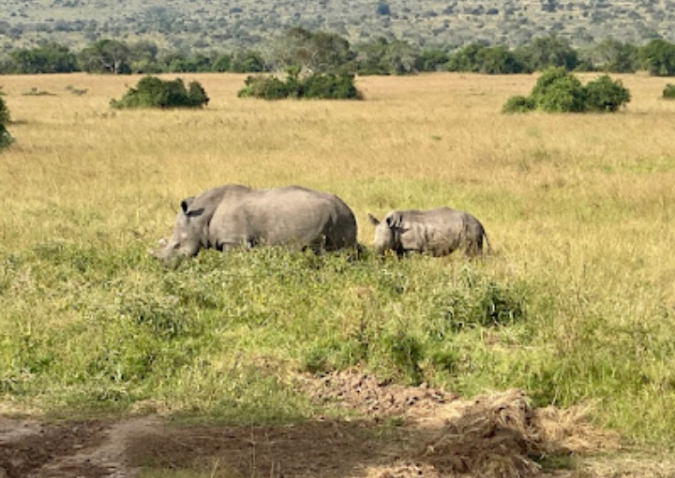
Despite its relatively small size, Rwanda has a diverse range of wildlife, including gorillas, buffalo, chimpanzees, elephants, lions, leopards, mountain gorillas and white and black rhinos. However, the country’s wildlife population has faced significant challenges in the past, including habitat loss, poaching, and conflict.
In the 1990s, Rwanda’s civil war and genocide had a devastating impact on the country’s wildlife. National parks and protected areas were destroyed, and many animals were killed for food or as a result of the conflict. The mountain gorilla population, in particular, was hit hard, with half of the population killed during the conflict.
Since then, the government of Rwanda has made significant efforts to protect and conserve the country’s wildlife. National parks and protected areas have been restored and expanded, and anti-poaching measures have been put in place. As a result, the mountain gorilla population has increased, and other species, such as lions and black rhinos, have been reintroduced to the country.
Today, Rwanda’s national parks, including Volcanoes National Park and Akagera National Park, are popular tourist destinations, attracting visitors from around the world who come to see the country’s unique wildlife and beautiful natural landscapes.
Here are some of the top wildlife destinations in Rwanda:
- Volcanoes National Park – This Park is home to the famous mountain gorillas, which are one of the main attractions in Rwanda. Visitors can trek through the forest to see these amazing creatures up close.
- Akagera National Park – This park is located in the eastern part of Rwanda and is home to a wide range of wildlife, including elephants, lions, leopards, giraffes, and zebras.
- Nyungwe National Park – This park is located in the southwestern part of Rwanda and is home to a variety of primates, including chimpanzees and colobus monkeys.
- Gishwati-Mukura National Park – This park is located in the western part of Rwanda and is home to a variety of wildlife, including chimpanzees and golden monkeys.
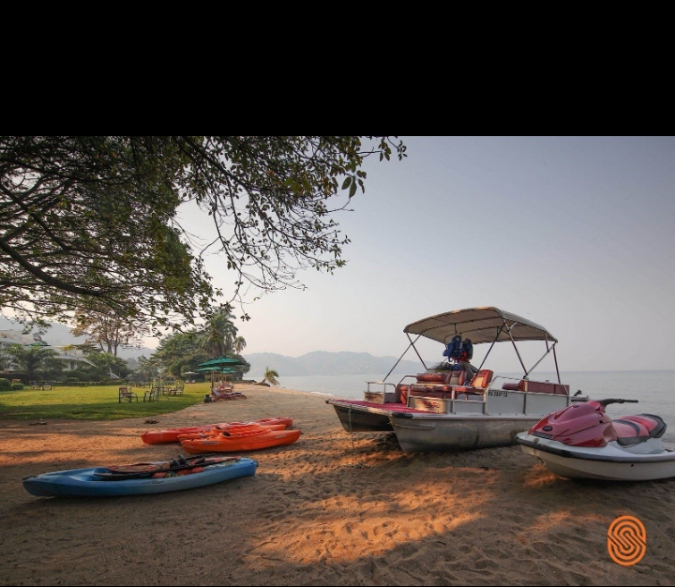
- Lake Kivu – This lake is located in the western part of Rwanda and is home to a variety of aquatic wildlife, including hippos, water buffalo and crocodiles.
Rwanda takes conservation and the welfare of the animals very seriously, which is why people flock to Rwanda to see animals they can see in other locations.
The Beautiful People
Rwanda is dominated by two large Bantu tribes namely ‘Utu and Muntu’. The inhabitants of these two tribes have thin, slightly long and beautiful faces with well-sculptured bodies. This makes the women extremely pretty and the men charming. This is evident in the many beautiful Rwandan celebrities and social media influencers who have risen to the limelight.
Rwanda’s entertainment industry is full of good-looking men, from the music scene to fashion and sports. However, there are some that have risen above the rest. Legends like Intore Masamba, Kizito Mihigo, and of course, Jimmy Gatete blended with the new era of Médard Ngabo, Benjamin Mugisha, Francis Iraguha and James Gwiza are just a few among the newest of Kigali’s most handsome celebrities.
Among several magnificently beneficial things God gave to Rwanda are the excellent beautiful girls. Rwandan women are known for their elegance and alluring beauty. Truth be told, many outsiders do not just think about their thousand hills and slopes or the sweet coffee and gorillas; a lot of attention goes to their beautiful women. Popular Twitter influencer, AdvoBarryRoux instantly went viral after he tweeted, “Before you get married, please visit Rwanda; you will thank me later,” along with pictures of beautiful Rwandan ladies.
It’s no secret girls, just like guys, love compliments. But Rwandan girls are not your average girls, as concluded. On top of their beauty, they are well endowed with intelligence, grace, self-respect, astuteness and pride.
The Golf Experience
Africa is well known for its incredible safari experience, its diverse and spectacular scenery. Also evident is its multicultural flair. What many don’t know is that the continent is also home to 828 golf courses. Many of which are at par with the likes of Europe and North America’s best.
Golf is one of the emerging sports in Rwanda. In partnership with the private sector, the government has made substantial investments in the sport to tap into the lucrative global golf tourism market estimated at $44 billion.
In the heart of the City lies the Kigali Golf Club, Rwanda’s premier 18-hole golf course, which sits on 52 hectares. Several tournaments are held throughout the year. These include the CIMERWA annual golf tournament.
Outside Kigali, you can enjoy a round of golf at the Falcon Golf Club, a new waterfront nine-hole course in the Rwamagana district in the Eastern Province, just 1 hour from the Capital City, Kigali. Playing golf in Rwanda is truly a wonderful experience – the weather is beautiful, and the courses overlook spectacular views. Not to mention their proximity to incredible tourist locations allowing you to play golf in the morning, explore Rwanda in the afternoon and retire to world-class accommodation at the end of the night.
The Beautiful Country
The landscapes in this green country are truly breathtaking. Many visitors to Rwanda have remarked that the physical beauty of the country is without equal on the African continent. Rwanda has five volcanoes, twenty-three lakes and numerous rivers, some forming the source of the River Nile and the River Congo. Spectacular volcanoes and dense tropical forests dominate the north of the country, while gentle hills and valleys, calm lakes and turbulent rivers in both savannah and dense tropical vegetation dominate the rest of the country.
The high-altitude forests of the Virunga volcanic mountains in northern Rwanda are home to the world’s largest number of endangered mountain gorillas. Numbering in the hundreds, the gorillas live in protected areas, free from poachers. The gorillas can be viewed in their natural mountain habitats at a close range.
Rwanda is bordered by Uganda to the north, Tanzania to the east, Burundi to the south and the Democratic Republic of Congo to the west. The country has a temperate climate, with two rainy seasons (February to April, November to January). Average temperatures range from 16-22 degrees Celsius. The climate is perfect for tourists.
Anyone visiting ‘the land of a thousand hills’ is in for a multitude of beautiful surprises, and of course, the gorillas
The unique opportunity to see gorillas in their natural habitat is unforgettable; some even say life-changing. Encounters with gorillas as they go about their daily lives are carefully managed, with expert trackers and guides leading small groups of tourists up bamboo-covered slopes to spend a precious and awe-inspiring hour just a few feet away from the gentle creatures.
The largest living primate, gorillas, are spread across much of the equatorial African rainforest. Broadly speaking, the species is split into lowland gorillas and mountain gorillas.
The volcanic range which spans Rwanda, Uganda and the Democratic Republic of the Congo, is home to the endangered mountain gorilla. Tracking gorillas in Rwanda is safe, and gorillas are relatively accessible.
At the latest count, there are approximately 1,000 mountain gorillas in the wild, with 604 in the Virunga Massif. The population is slowly increasing, thanks to concerted efforts between the impacted governments, communities and NGOs.
There are 12 gorilla families living in the Volcanoes National Park, which are fully habituated, with a few others habituated solely for scientific research. The groups, or troops, consist of at least one silverback along with several females and youngsters.
The troops are somewhat fluid in composition but tend to stick to a preferred area. They are constantly monitored and protected by park rangers, with each group coming into contact with tourists for a strict maximum of one hour per day.
Eight tracking permits are issued per troop per day, meaning the encounter is as intimate and as unobtrusive as possible. With only 96 permits available each day in Rwanda, it is highly recommended to book in advance, either online or via a reputable tour operator.
Visitors gather at the Volcanoes National Park headquarters in Kinigi at 7 am and are allocated a family group on the day according to fitness levels, as well as being briefed on protocols and rules for visiting the gorillas.
The families are known as Susa, Igisha, Karisimbi, Sabyinyo, Amahoro, Agashya, Kwitonda, Umubano, Hirwa, Bwenge, Ugyenda and Muhoza. We saw the Muhoza.
Hikes up to their various locations can last anything from 30 minutes to four or more hours, reaching an altitude of between 2,500m and 4,000m. Porters are available to carry backpacks and cameras, as well as to offer a helping hand along the route.
Eight tracking permits are issued per troop per day, meaning the encounter is as intimate and as unobtrusive as possible. With only 96 permits available each day in Rwanda, it is highly recommended to book in advance, either online or via a reputable tour operator.
Visitors gather at the Volcanoes National Park headquarters in Kinigi at 7 am and are allocated a family group on the day according to fitness levels, as well as being briefed on protocols and rules for visiting the gorillas.
For those interested in tracing the footsteps of Dian Fossey, her tomb is a 30-minute drive from the park headquarters and then a two or three hours hike through the forest to above 3,000m altitude.



The manner in which international travel and digital entertainment intersect has experienced a massive transformation in the current year. As the volume of international travel continues to rise to unprecedented levels, the technological potential to access a 1xbet giriş from any point in the world has become the benchmark by which the efficacy of a given system or network should be judged. In 2026, more than 65% of international travel hubs have completely integrated standalone 5G connectivity, providing the environment that is required to enable high-stakes sports viewing. This means that regardless of the position that the sports aficionado finds themselves in, at the top of a mountain or at the coast, the nature of the information that flows will remain the same. The modern-day traveler expects nothing but the best, and that includes the manner in which they will be able to engage with the digital hobbies that they have been able to cultivate during the course of the year.
The way in which the experience is felt has also been improved through the efficiency of the software that is used to power the mobile experience. If the user has opted to install the 1xbet apk file on the 2026 flagship device, the user is able to experience the new “Travel-Adaptive” coding that reduces the background data usage by 30% when traveling internationally. This is an important aspect of the experience because the user may find themselves in transit for an extended period of time without the ability to plug in and charge the device. As the statistics show for the first half of the year, the user of the mobile The application is able to experience a 25% reduction in data usage when traveling compared to the user who makes use of the mobile web browser in order to experience the sports entertainment the user has grown accustomed to. It is a more relaxed experience where the main aspect is the thrill of the game.
The Role of Mobile Betting in Modern Tourism
It should be noted that the modern betting process concerning sports is considered to be one of the most effective ways to get entertained during a long flight or when staying at the airport. Mobile betting is considered to be a unique opportunity for a tourist not just to view a sporting event, but also to become an active participant of that sporting event that is taking place on the other side of the world. Thanks to the speed of modern applications, it is possible for a tourist to react immediately to the changes in the score and adjust the predictions accordingly during an excursion or when staying by the pool. Such an event is considered to be an adventure in bright colors.
Apart from the entertainment that such modern platforms offer, they also present a great number of analytical data that allows the tourist to get engaged in the process. One of the main purposes of such tourism is to get satisfaction from the accuracy of one’s prediction, as well as competition. Such platforms pay great attention to the safety issues, reminding the tourist that “betting should be an additional positive experience of your trip.”
Network Benchmarks for the Connected Traveler
The sports enthusiast who is always on the go would find that the line which separates an enjoyable experience from an unenjoyable experience of sports betting is measured in mere milliseconds. In fact, the world average of mobile latency for tourist destinations has been reduced to mere 16ms in 2026, which is an important consideration for sports enthusiasts who enjoy sports betting for games such as tennis and basketball.
The table below shows the current standards for mobile network performance for the most prominent tourist destinations around the world:
| Network Metric | Global Average 2026 | Satisfaction Rate | Primary Use Case |
| Download Speed | 195.6 Mbps | 88 percent | High-definition streaming |
| Signal Latency (5G) | 16 ms | 92 percent | Real-time Live updates |
| Roaming Cost | 1.15 USD / GB | 74 percent | Continuous background sync |
| App Load Time | 1.8 seconds | 85 percent | Rapid market entry |
| Connection Stability | 99.8 percent | 91 percent | Uninterrupted viewing |
As per the latest research findings on the subject by the research company named Statista, it has been identified that the need for high-speed mobile data for the tourists is rising by an increase of 40%. This is mainly because the tourist would like to experience a form of ‘multi-layered’ entertainment. The definition of ‘multi-layered’ implies that the sports enthusiast would like to view a live streaming event, access his or her social media account, and place a friendly bet on the event simultaneously. Therefore, as long as this infrastructure is in place, this would thrive.
The Evolution of Mobile Betting as Travel Leisure
In the year 2026, mobile betting for sports would be considered a fun way of spicing up the entire travel experience. This is because it would be able to provide a new dimension to a sporting event that an individual is witnessing while traveling in a pub or a train. It would be able to provide individuals with a way of having a personal stake in a world event. Thus, the hours that an individual spends in a train or an airport would be able to pass quickly with a fun way of gamification of sports viewing.
In the year 2026, modern mobile betting has turned out to be a full-fledged way of socializing for travelers. This is because many individuals use the co-watching features of the application and group betting features of the application in order to compete with their friends back home or connect with other sports fans of the sport that they are watching while visiting pubs around the world. It is because it would be able to provide individuals with a new dimension of traveling. It is no longer just about traveling to a new destination; it is about becoming part of a new world community where talking about the probabilities of winning or forward performance of a team is considered to be the universal language of communication. It is no longer just about betting; it is about getting the rhythm of the world of sports wherever an individual is located—from the cozy European roads to the futuristic cities of Asia.
Popular Mobile Sports Activities for People on the Move
Individuals who travel in 2026 have managed to come up with their own ways of having fun through sports without missing out on their sightseeing targets. There has been a new trend of “micro-betting,” which refers to betting on a game that will happen in the near future.
The following is a list that points out the best mobile sports-related activities for traveling individuals for the current year:
- Predicting the total points scored in one quarter of the basketball game while in short transit stops.
- Tracking the sports player that is most likely to score the next goal in the football game while in a cafe.
- Determining the total number of games in one set in the tennis game while in downtime at a resort.
- Viewing the percentage of ball possession for a particular team through the use of graphical overlays.
- Predicting the exact number of free throws scored in a game while in downtime at a hotel.
The activities will be perfect for the downtime in the traveling schedule as they will provide the individual with a dose of excitement without making the individual glued to his/her screens for hours. This way, the individual will be able to appreciate the digital world as well as the beauty of the world he/she is in.
Security and Responsible Habits Abroad
However, with the introduction of mobile transactions during travel, the factor of security has been regarded as a major factor. In fact, in the current scenario, 94% of the total mobile sports platforms provide multi-factor biometric authentication. This means that the security of your account is ensured even when you are accessing the internet through a public source of internet connectivity, such as Wi-Fi. Moreover, the majority of the platforms provide “Smart Limits” that are location and time zone-based. In this way, an individual can develop a habit when they are traveling. All of this has been done in a way that the overall experience remains a positive one. This is because betting is something that an individual chooses for his or her entertainment.
The innovations in the field of technology, such as the introduction of technology through eSIM, allow an individual to remain connected. This means that an individual does not face “bill shock” when they are using roaming.

By Aduragbemi Omiyale
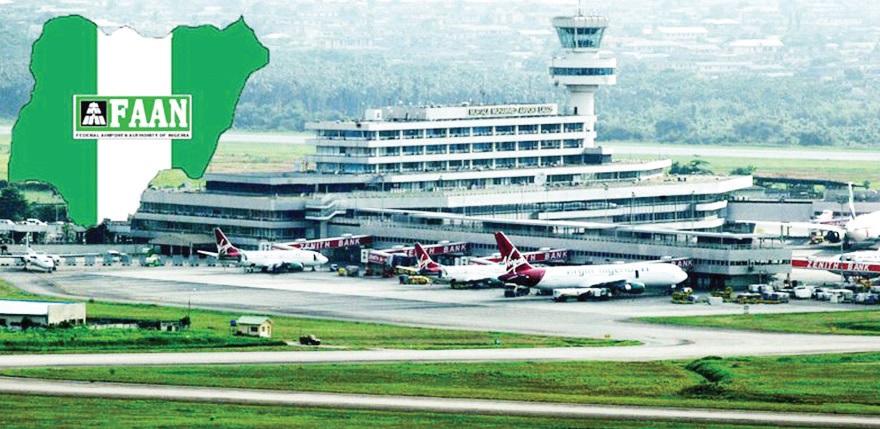
The federal government has directed the Federal Airports Authority of Nigeria (FAAN) to adopt a hybrid payment system that accommodates both cash and card payments at all airport access gates with effect from Friday, March 13, 2026.
This system is to be used until the introduction of a fully automated or electronic system at all access gates at the airports in order to fully and eventually eliminate cash payments.
In a statement on Tuesday, the Minister of Aviation and Aerospace Development, Mr Festus Keyamo, disclosed that these decisions were reached after reviewing the initial implementation and the operational challenges observed.
FAAN had earlier commenced an electronic payment system last week, but it was suspended by President Bola Tinubu due to the traffic gridlock it created.
Yesterday, the Aviation Minister met with officials of FAAN and senior officials of the Ministry, and it was agreed to engage concessionaires for the introduction of a fully automated or electronic system.
Mr Keyamo, in the statement signed by his Special Adviser on Media and Communications, Mr Tunde Moshood, said motorists who already possess FAAN Go Cashless Cards may continue to use them until further notice.
It was also resolved that other electronic payment options, including POS terminals and other approved digital channels, will also remain available, while members of the public and road users were encouraged to obtain and use the FAAN Go Cashless Card as the organisation continues to enhance and fully optimise the cashless payment system.
By Aduragbemi Omiyale
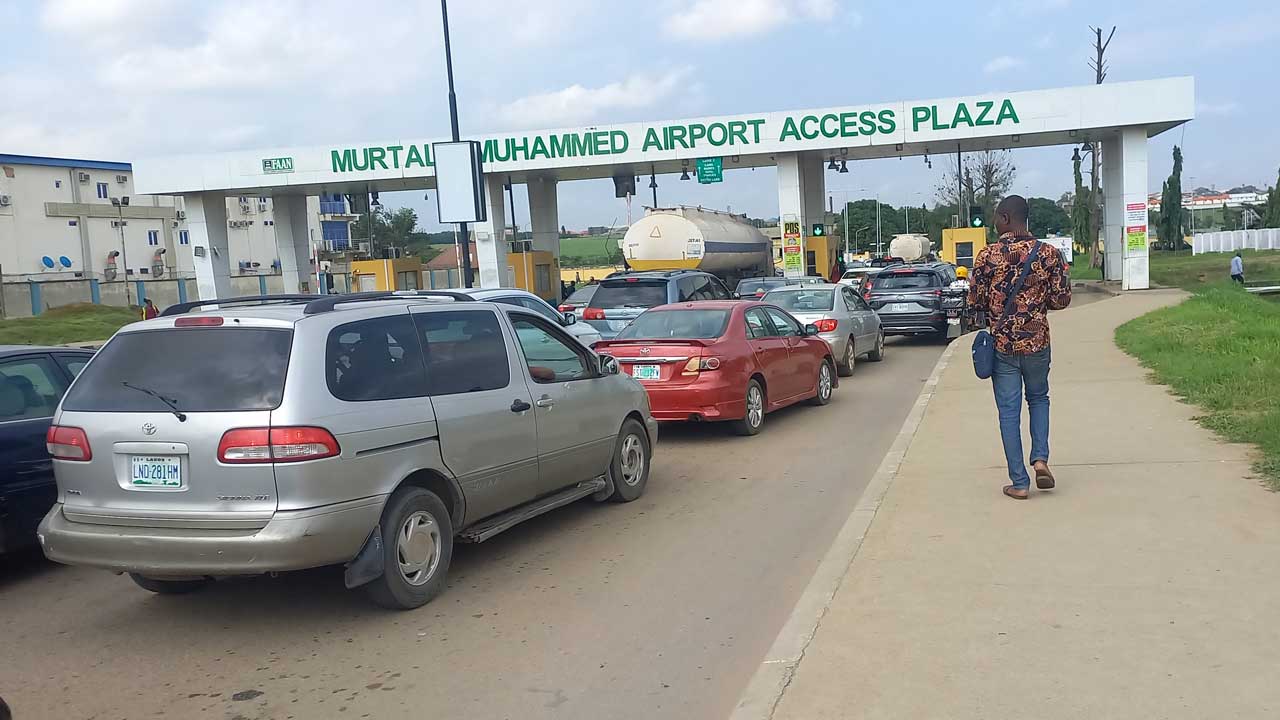
The cashless airport toll gate payment system introduced by the Federal Airports Authority of Nigeria (FAAN) has been suspended by President Bola Tinubu.
At the Federal Executive Council (FEC) meeting held on Wednesday in Abuja, Mr Tinubu directed the agency to immediately return to the status quo, pending the development of a more efficient system.
The Minister of Aviation and Aerospace Development, Mr Festus Keyamo, who announced the suspension after the FEC meeting today, said the action followed gridlock that trailed the new system, which caused passengers to miss their flights.
FAAN had commenced the cashless payment system for airport toll gates across the country in a bid to block revenue leakages and adopt an electronic payment system instead of cash.
But this policy caused traffic gridlock at several airports, especially those in Lagos and Abuja.
“Mr President was very concerned about the welfare of Nigerians and the fact that most Nigerians were losing their flights, missing their flights.
“So, Mr President, out of empathy, directed today that we should suspend the present system because it creates a lot of gridlock, and Nigerians are suffering as a result of it,” Mr Keyamo informed newsmen.
“The major reason why Mr President took this decision is to eliminate the present gridlock that we are experiencing, especially at both the Lagos and Abuja toll gates leading to the airport.
“That’s the major reason, not that the President is happy with the cash system,” he added.
The Minister further said the President directed stakeholders to “go back and, if possible, even engage the private sector to ensure that we establish an electronic system by which we can collect these revenues for the federal government at the gates, to the extent that it will not create the gridlock that we are having right now.”
“We are going to do a hybrid system whereby we can collect cash temporarily and, of course, use the cards that they have collected temporarily for now,” Mr Keyamo added.












-
 Feature/OPED6 years ago
Davos was Different this year
-
Travel/Tourism10 years ago
Lagos Seals Western Lodge Hotel In Ikorodu
-

 Showbiz3 years ago
Estranged Lover Releases Videos of Empress Njamah Bathing
-
 Banking8 years ago
Sort Codes of GTBank Branches in Nigeria
-

 Economy3 years ago
Subsidy Removal: CNG at N130 Per Litre Cheaper Than Petrol—IPMAN
-

 Banking3 years ago
Sort Codes of UBA Branches in Nigeria
-

 Banking3 years ago
First Bank Announces Planned Downtime
-

 Sports3 years ago
Highest Paid Nigerian Footballer – How Much Do Nigerian Footballers Earn
Pingback: BUSINESSPOST.NG – Ten Reasons to Visit Rwanda More Than Once - Navigation HQ