Connect with us

Travel/Tourism

Tourism Doesn’t Just Boost Economies, it Can Also Foster Peace and Equity

Published

on

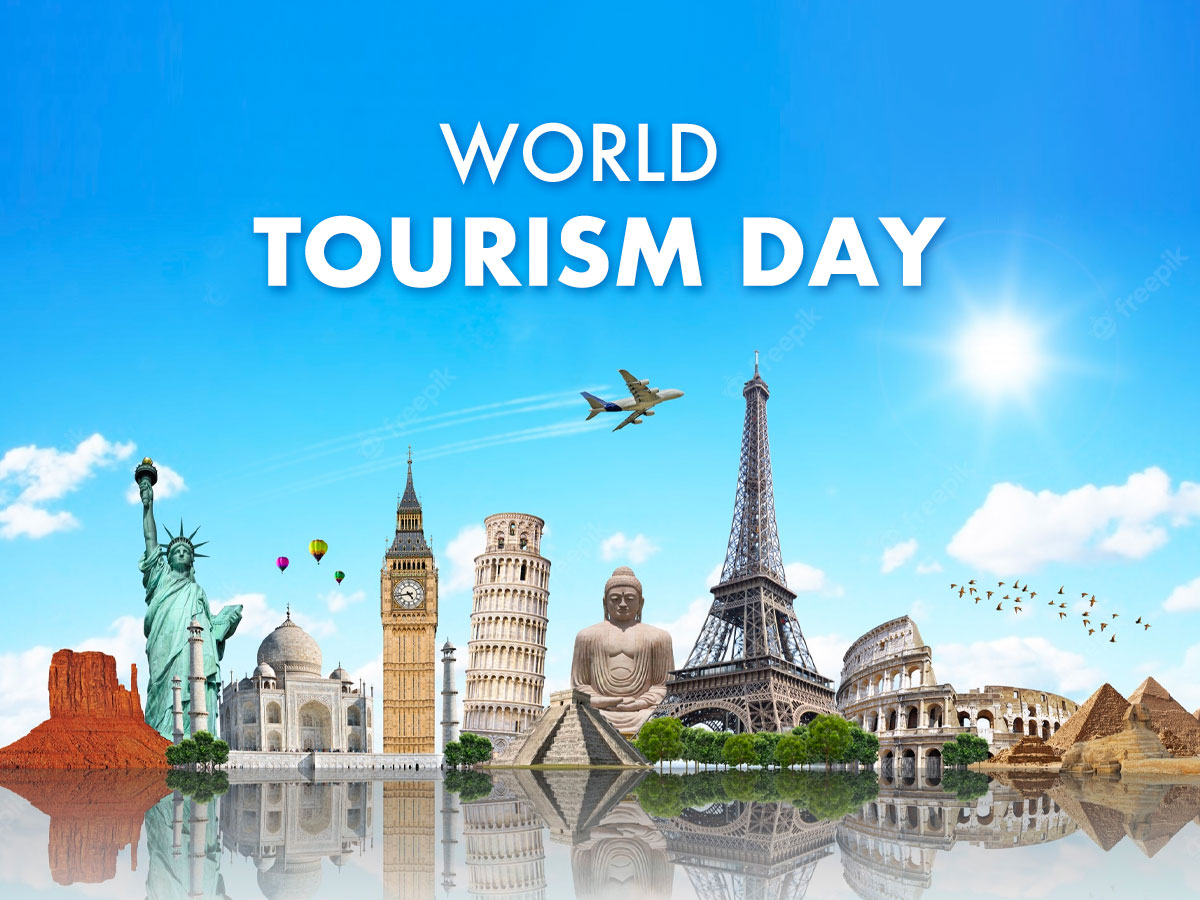
World Tourism Day

With anti-tourism protests erupting in major cities around the world, including BarcelonaVenice, and Athens, it would be all too easy to believe that tourism has become an area of contestation rather than an economic force for good. Dig into the complaints of the protestors – including a reduction in affordable housing, anti-social behaviour, and poorly regulated labour markets, and that belief could become even more entrenched.

But as vocal as anti-tourism protests have been, particularly in Europe, there is still overwhelming evidence to show that the sector remains a net positive. Not only does it provide economic benefits, but it can actually foster peace and equity.

In order for that to happen, however, players within the hospitality sector must play their part too. A key component of that is ensuring that they’re putting out the right kind of messaging to the right audiences.

Fostering peace 

research report compiled by the Institute for Economics and Peace (IEP) for the World Travel and Tourism Council (WTTC), for example, found a correlation between peace and tourism. According to the report, the strongest links are between sustainable tourism and what it labels Positive Peace (a concept which can broadly be defined as the societal structures, attitudes, and institutions which create and sustain peace within societies).

For an example of how sustainable tourism can promote positive peace, it’s worth looking at a country like Rwanda. As Vision of Humanity points out, government efforts to clear landmines, conserve wildlife, and promote gorilla trekking have helped it build a tourism industry. That, in turn, means that visitors to the country come away with a completely different view of Rwanda and Rwandans.

Not only does this kind of sustainable tourism encourage people to be more tolerant of others, it also incentivises governments to be more welcoming of international visitors. Additionally, it can result in improved information flows both within a country and across borders. It may even aid cross-border relations with neighbouring countries as they see the benefits and take similar approaches themselves.

Promoting equity 

Properly implemented tourism programmes can also improve equity within countries. Job creation and economic opportunities are probably the most obvious ways they can do so, but tourism promotes equity in other ways too.

Increased tourism revenue can, for example, lead to better infrastructure, such as roads, public transportation, and amenities that benefit the entire community. It can also incentivise the preservation of local cultural heritage, which can strengthen community identity and pride.

Tourism can also provide opportunities for young people and women that they might not otherwise have. The same is true for indigenous communities, who will be better placed to preserve their traditions and generate income through cultural tourism initiatives.

Messaging matters 

As important as tourism can be for fostering peace and equity, it cannot do so without effective communication and messaging.

“Whether you’re looking to grow tourism numbers or manage relations in an established tourism market, communication is essential,” says Rachel Irvine, CEO of creative communications firm Irvine Partners, which has represented numerous tourism and hospitality groups including Mariott, Raddisson, and BON Hotels. “But it’s especially important if you’re looking to build the kind of tourist environment that fosters peace and justice.”

As she points out, the kind of communication required from stakeholders is multi-faceted.

“Tourism stakeholders looking to take this approach can’t just afford to market to their ideal customer base and hope for the best,” she says. “That just screams the kind of exclusionary tourism that ultimately creates societal problems. Instead, tourism stakeholders must communicate effectively and transparently with local communities. In doing so, they must remember that communication is a two-way exercise and establishing feedback from locals can help identify areas for improvement and address any negative impacts of tourism.”

Communication, she points out, can also be effective in educating visitors about how they can move through tourism destinations in ways that are sensitive to locals.

“Most destinations won’t have to go as far as Amsterdam’s “stay away” campaign,” Irvine says, “but by recognising that they are the conduit between visitors and locals and communicating as such, they can play an important role in ensuring that hospitality continues to be viewed as a net positive.”

Find the right messenger 

Of course, striking that balance isn’t always easy, but as Irvine points out, it can be made a lot easier by ensuring that you have the right communications partners onboard.

“A seasoned communication partner with local knowledge and expertise will go a long way to ensuring that you’re viewed as the kind of tourism stakeholder that encourages and helps foster peace and equity,” she says. “Moreover, they’ll be able to help ensure you communicate that intent with actions as well as words.”


Travel/Tourism

Trump Slams Partial Travel Ban on Nigeria, Others Over Security Concerns

Published

on

trump nigeria

By Adedapo Adesanya

The United States President Donald Trump has imposed a partial travel restriction on Nigeria, as part of a series of new actions, citing security concerns.

The latest travel restriction will affect new Nigerians hoping to travel to the US, as it cites security concerns and difficulties in vetting nationals.

The travel restrictions also affect citizens of other African as well as Black-majority Caribbean nations.

This development comes months after the American President threatened to invade the country over perceived persecution against Christians.

President Trump had already fully banned the entry of Somalis as well as citizens of Afghanistan, Chad, Republic of the Congo, Equatorial Guinea, Eritrea, Haiti, Iran, Libya, Myanmar, Sudan, and Yemen.

The countries newly subject to partial restrictions, besides Nigeria, are Angola, Antigua and Barbuda, Benin, Dominica, Gabon, The Gambia, Ivory Coast, Malawi, Mauritania, Senegal, Tanzania, Tonga, Zambia and Zimbabwe.

Angola, Senegal and Zambia have all been prominent US partners in Africa, with former president Joe Biden hailing the three for their commitment to democracy.

In the proclamation, the White House alleged high crime rates from some countries on the blacklist and problems with routine record-keeping for passports.

The White House acknowledged “significant progress” by one initially targeted country, Turkmenistan.

The Central Asian country’s nations will once again be able to secure US visas, but only as non-immigrants.

The US president, who has long campaigned to restrict immigration and has spoken in increasingly strident terms, moved to ban foreigners who “intend to threaten” Americans, the White House said.

He also wants to prevent foreigners in the United States who would “undermine or destabilize its culture, government, institutions or founding principles,” a White House proclamation said.

Other countries newly subjected to the full travel ban came from some of Africa’s poorest countries — Burkina Faso, Mali, Niger, Sierra Leone and South Sudan — as well as Laos in southeast Asia.

Continue Reading

Travel/Tourism

Detty December: FCCPC Investigates Possible Exploitative Air Fares

Published

on

fccpc air fares

By Adedapo Adesanya

The Federal Competition and Consumer Protection Commission (FCCPC) has commenced an investigation into pricing templates behind high ticket rates charge by some airlines on some domestic routes.

A statement issued by the Director of Corporate Affairs of the commission, Mr Ondaje Ijagwu, in Abuja said the investigation was to establish possible violations of the provisions of the law.

Mr Ijagwu said that concerns had been expressed widely in the past few days over what appeared to be coordinated manipulation or exploitation in the pricing of airline tickets by some airlines on certain routes, adding that the routes where concerns had been raised included the South-East and South-South, as the festive season began.

According to him, the ongoing investigation targets operators on the identified routes.

He said the commission would apply appropriate enforcement measures where evidence showed any violation of the Federal Competition and Consumer Protection Act (FCCPA).

Mr Ijagwu explained that Air Peace, had instituted a court action seeking to restrain the agency from examining its pricing mechanisms, following the commencement of an investigation into its pricing model after widespread complaints from members of the public.

He said the ongoing inquiry was without prejudice to the case instituted against the Commission by Air Peace.

The director quoted the vice chairman of FCCPC, Mr Tunji Bello, as saying “the commission would not hesitate to act where evidence showed that consumers welfare or market competitiveness were being undermined.

”For the avoidance of doubt, we are not a price control board but the FCCP Act 2018 empowers us to check the exploitation of consumers.

”When we receive petitions or where we find cogent evidence, we will not stand by and watch Nigerian consumers being exploited under any guise.

”Given the arbitrary spike in airfares, the Commission is extending its review of pricing patterns, the basis for the increases reported by consumers, and any practices that could undermine fair competition.

”Where evidence confirms a breach of the Act, FCCPC will apply appropriate enforcement measures,” Mr Bello said, promising that the organisation will continue to provide updates on the ongoing investigations in the aviation industry.

Continue Reading

Travel/Tourism

Verve, Providus Bank Unveil Travel Card for Tourists, Others

Published

on

ProvidusVerve Travel Card

By Aduragbemi Omiyale

A travel card designed for tourists, business visitors, Diaspora returnees has been launched by Verve in partnership with Providus Bank.

Known as the ProvidusVerve Travel Card, the Naira-based travel card will allow inbound travellers to enjoy a smooth, secure, and convenient payment experience throughout their stay in Nigeria. It was powered by Verve’s secure.

Created to support the surge of tourists, expatriates, business visitors, conference delegates, and returning diaspora expected during the festive Detty December season, the ProvidusVerve Travel Card enables seamless payments for transportation, hotels, dining, shopping, entertainment, and everyday essentials nationwide.

The card also works on select global merchant platforms that accept Verve, including Netflix, Google Play, and other digital services, ensuring travellers enjoy uninterrupted access to familiar services.

The ProvidusVerve Travel Card eliminates the hassle of sourcing naira or converting foreign currency on arrival. It enables instant, secure transactions, reduces reliance on cash, and supports compliance with the cashless policy of the Central Bank of Nigeria (CBN).

It also mitigates the risks associated with carrying physical cash such as loss, theft, or fraud, offering a safe, regulation-aligned option for both online and in-person payments.

“The ProvidusVerve Travel Card is a timely solution for inbound travellers seeking reliability, security, and simplicity while navigating Nigeria.

“Together with Providus Bank, we have created a product that eliminates the friction traditionally associated with accessing local payments.

“Whether for tourism, business, or festive activities, this card ensures a smooth financial experience from the moment visitors land,” the Vice President for Issuing and Acquiring Management for Africa at Verve International, Mr Paul Ohakim, stated.

On his part, the Divisional Head for Product Management and Solution Delivery at Interswitch, Mr Ademola Adeniran, described the partnership as a reflection of “Verve’s commitment to designing products that respond to real user needs.”

“The ProvidusVerve Travel Card supports everyday experiences — from booking rides and hotels to shopping, streaming, and dining. It provides inbound travellers with a secure, compliant, digital-first way to experience Nigeria without financial barriers,” he added.

Continue Reading

Trending