Feature/OPED
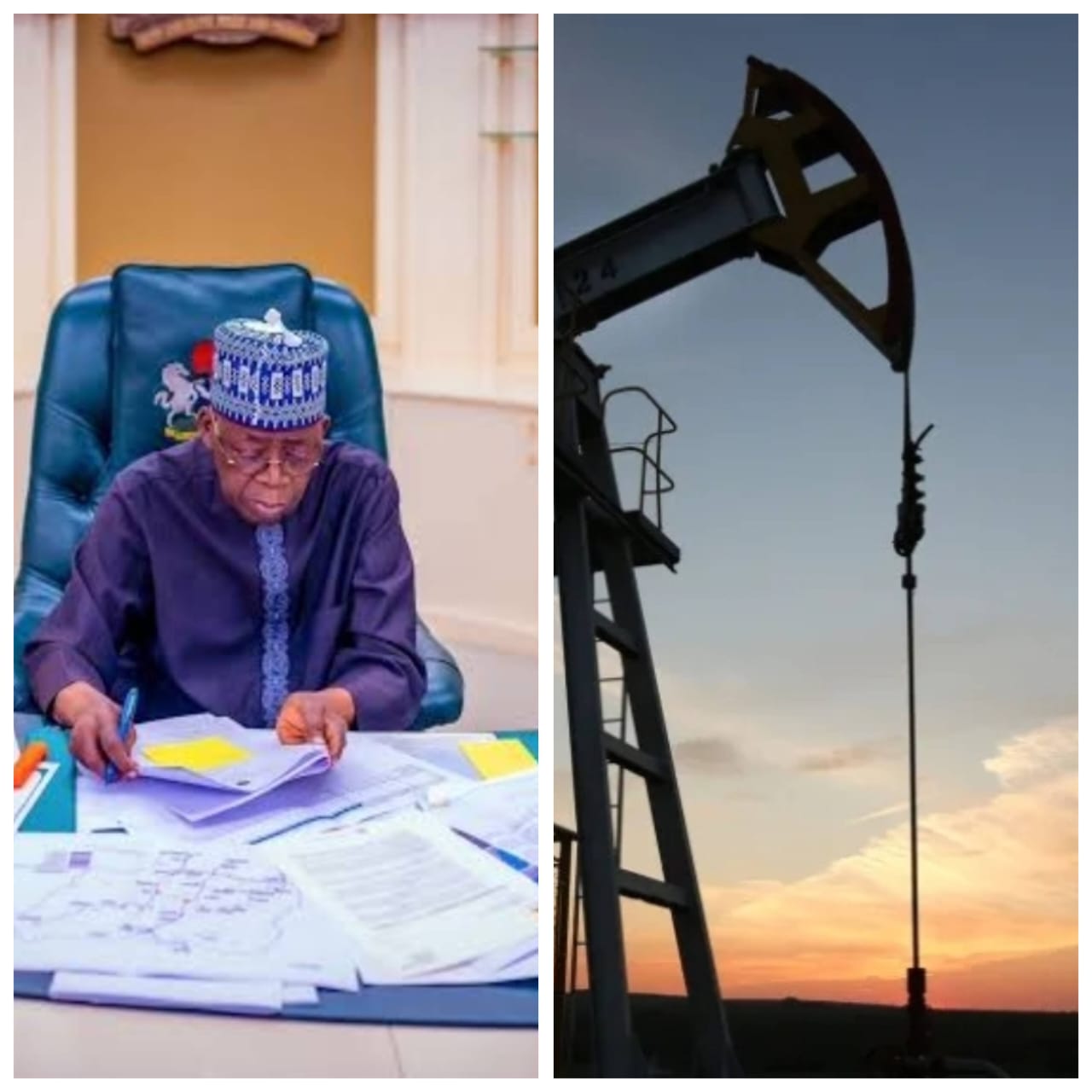
Another Oil Boom: Will Nigeria’s Government Turn Windfall into Growth or Squander it?
By Blaise Udunze
The past recurring conflicts on other continents and the current developments in the Middle East are a clear reminder to the world that energy markets are deeply linked to conflict and uncertainty, as experienced across the globe today. The rise in geopolitical tensions with Iran, Israel, and the United States has led to a sudden increase in global crude oil prices. Some individuals may question what business the war has with Nigeria. Economically, yes, as one of Africa’s major oil producers, Nigeria finds itself in a delicate position amid the current global situation. Since it can gain financially when global crude oil prices skyrocket and this is so because the same increase can create economic challenges locally. The price of Brent crude has jumped to $109.18 per barrel, crossing the $100 mark for the first time in more than five years.
The country is getting a temporary fiscal boost, knowing fully well that prices now surpass the benchmark used in the 2026 national budget. The high oil prices gain is further amplified by two major domestic policy shifts, as the first is the removal of fuel subsidy projected to free nearly $10 billion annually for public investment, and a new Executive Order by President Bola Tinubu aimed at boosting oil and gas revenues flowing into the Federation Account by eliminating wasteful deductions allowed under the Petroleum Industry Act. The combination of these developments could significantly increase government revenue over the next few years, but history shows that such windfalls, if not well managed, often go toward short-term spending rather than creating lasting national wealth.
Moreover, our lingering concern today is that Nigeria as a country has experienced this pattern before, and it often brings instability. One of such examples is the 2022 Ukraine conflict, when oil prices spiked above $100 per barrel.
Obviously, during such a period, countries that export oil will suddenly receive a large and sudden increase in revenue from the sale of crude oil. The truth is that if such a windfall is managed well, it can be used to build stronger and diversify their economies beyond oil. Unfortunately, Nigeria has always told a different story as these opportunities were frequently lost to weak fiscal discipline, rising recurrent expenditure, and limited investment in productive assets. The global conflict, in its real sense, could become an opportunity, even though there are risks inherent. Just like any prudent country, Nigeria can use any short-term benefits (like higher oil revenues) to strengthen its economy for the future.
At the heart of this opportunity lies the need for disciplined fiscal management, if the government will tread in line with this call. It is now time for the policymakers to understand that extra money from oil prices should not be wasted, as it has become a tradition to spend through the regular government expenditures. It is high time the government saved and invested the extra funds it gained wisely rather than spending them all immediately. Nigeria’s fiscal vulnerability has often been exposed whenever oil prices fall or global demand weakens. Establishing strong buffers through sovereign savings mechanisms can protect against such volatility. A significant portion of the windfall should therefore be directed into strengthening the country’s sovereign wealth structures and stabilisation funds. This resonates with our subject matter: Can Nigeria convert Oil Windfall into Economic Strength? This rhetorical question is directed to those at the helm of affairs because, by saving during periods of high prices, Nigeria can build reserves that help sustain public spending during downturns without excessive borrowing.
Closely linked to fiscal buffers is the issue of public debt. Nigeria’s debt servicing obligations have continued to rise in recent years, and the current development might be the answer. The debt has continued to place pressure on government revenues and limit fiscal flexibility. Alarming is the fact that the public debt is projected to have surpassed N177.14 trillion by the end of 2026, which is driven by the budget deficit in the 2026 Appropriation Bill.
The truth is that one sensible response to the current situation would be to use some of the unexpected revenue from higher oil prices to pay off loans (debts), especially those with high interest costs. This would reduce future financial burdens on the government and help it spend on development later. The fact is that debt reduction, if the government can quickly address it, also signals fiscal credibility to investors and international financial institutions, thereby strengthening the country’s macroeconomic reputation.
Beyond fiscal stability, Nigeria must recognise that oil windfalls provide a rare opportunity to accelerate strategic infrastructure investment. In today’s world, infrastructure remains one of the most critical constraints on Nigeria’s economic growth. The cost of doing business in Nigeria has been a serious palaver, and it has continued to discourage and scare investment. This is informed by various structural deficiencies, such as inadequate electricity supply and congested transport corridors, as well as weak logistics networks. The question again, can Nigeria convert Oil Windfall into Economic Strength? This is because the truth is not unknown to leaders, but they have continued to deliberately stay away from the fact that channelling windfall revenues into transformative infrastructure projects can therefore yield long-term economic dividends.
Power sector development should be a top priority. Reliable electricity remains the backbone of industrial productivity and economic expansion. Over the years, a well-known fact is that despite various reforms, Nigeria continues to struggle with an epileptic power supply that forces businesses to rely heavily on expensive diesel generators and has posed a double challenge that comes with noise and atmospheric pollution. The nation is tired of the regular audio investment, but strategic investment in power generation, transmission, and distribution infrastructure would significantly reduce operating costs for businesses that translate into manufacturing and encourage new investment across multiple sectors in the country.
Transportation infrastructure also deserves sustained attention, and if nothing is done, the mass commuters will reap nothing but pain. Nigeria’s highways, rail networks, and ports require large-scale modernisation to support efficient trade and mobility. The unexpected extra income from high oil prices, if used carefully for long-term national benefit, can be used to build transport networks that move food and goods from farms and factories to markets and ports. Businesses today are very much dependent on transportation; hence, improved logistics not only facilitates domestic commerce but also strengthens Nigeria’s position as a regional economic hub in West Africa.
Another critical area for deploying oil windfalls is economic diversification. The over-emphasised dependence of Nigeria on crude oil exports has long exposed the economy to external shocks.
Any rise or fall in global oil prices has an immediate impact on Nigeria’s government revenue since oil exports are a major source of government income, foreign exchange availability, and macroeconomic stability follow suit. To break this cycle, Nigeria must invest aggressively in sectors capable of generating sustainable non-oil income and abstain from the unyielding roundtable discussion of diversification without implementation.
With vast arable land and a large labour force, Nigeria has the capacity to become a global agricultural powerhouse; hence, this is to say that agriculture offers enormous potential in this regard. However, productivity remains constrained by limited mechanisation, inadequate irrigation, and poor storage facilities. If the government intentionally invests in modern agriculture and the systems that support it, the country can produce more food, create jobs via agricultural value chains (from production to processing, storage, transportation, and marketing), while earning more from agricultural exporting.
Manufacturing and industrial development represent another pathway to long-term economic resilience, but this sector has been starved of any tangible investment. Unlike Nigeria, countries that successfully convert natural resource wealth into sustainable prosperity typically invest heavily in industrial capacity. The government should be deliberate in using the extra revenues from the high oil prices to invest in building industrial zones, strengthening hubs, and encouraging the transfer of technologies that will fast-track the production of goods within Nigeria, instead of relying on imports. The unarguable point is that the moment Nigeria invests in industries and production of goods locally instead of buying them from other countries, it becomes better able to manufacture and export products that have higher economic value.
One critical aspect that calls for concern is that strengthening Nigeria’s foreign exchange reserves represents another important avenue for deploying excess oil revenues. The truth, which applies to every economy, is that adequate reserves enhance the country’s ability to stabilise its currency during external shocks and support the operations of the Central Bank of Nigeria in maintaining monetary stability, and this part must not be treated with kid gloves. Given Nigeria’s history of foreign exchange volatility, this is another opportunity to know that building strong reserves can significantly improve investor confidence and macroeconomic resilience.
Human capital development must also remain central to any long-term strategy for managing oil windfalls. A country’s greatest asset is not merely its natural resources but the productivity and innovation of its people, and in Nigeria, more attention has been placed on the former. For so long, Nigeria’s budget allocation has told this story, as the government has been glaringly complacent in investing in quality education, healthcare systems, technical training, and research institutions, which can unlock enormous economic potential. If the government aligns with the necessities, Nigeria’s youthful population represents a demographic advantage that can only be realised through sustained investment in human development.
Investment from the higher oil prices should be channelled to the educational sector, and more emphasis should be placed on science, technology, engineering, and vocational skills that align with the demands of a modern economy. Strengthening universities, technical institutes, and research centres can foster innovation, entrepreneurship, and technological advancement. Similarly, improving healthcare infrastructure enhances workforce productivity and reduces the economic burden of disease. Will the government ever shift reasonable investment to these sectors?
Another strategic use of all the categorised oil windfalls is the expansion of social protection systems that shield vulnerable populations during economic shocks. What is unbeknownst to the government is that while infrastructure and industrial investments drive long-term growth, social protection programs help ensure that economic gains are broadly shared. Helping the poor, creating jobs for young people, and supporting small businesses can make society more stable and grow the economy from the ground up.
Lack of transparency and accountability has been anathema that has hindered the progress of growth in Nigeria. The right implementation will ultimately determine whether Nigeria successfully transforms this oil windfall into lasting prosperity. Public trust in government fiscal management has often been undermined by corruption, waste, and non-transparent financial practices. Once there are clear frameworks for managing windfall revenues, this becomes essential. Also, if it is monitored by neutral institutions that are not controlled by politicians, while information about spending is made available to the populace, the media, and the National Assembly supervises how the funds are spent, it will translate to what benefits the country instead of short-term political interest.
A section of the economy that calls for action is the need to improve the efficiency of government institution capacity within agencies responsible for revenue management, budgeting, and project execution. It is a well-known fact that when government institutions are strong and effective, public money is less likely to be wasted, stolen, or misused, and investments produce measurable economic outcomes. This institutional strengthening should include digital financial systems, procurement transparency, and improved project monitoring mechanisms.
Nigeria’s policymakers must immediately put in place clear fiscal rules governing the use of oil windfalls. This will help define how excess revenues are distributed between savings, infrastructure investment, debt reduction, and social programs, and this will also help Nigeria prevent the politically driven spending patterns that have historically undermined effective resource management.
Another question confronting Nigeria is not whether oil prices will rise again in the future, but whether the country will finally break the cycle of squandered windfalls. It is to the country’s advantage that the current crisis has pushed oil prices above the budget benchmark, creating a temporary revenue advantage, but it must be noted that temporary advantages become transformative only when they are guided by deliberate policy choices and long-term vision.
Nigeria possesses immense economic potential. With a large domestic market, abundant natural resources, and a vibrant entrepreneurial population, the country is well-positioned to achieve sustained growth. This potential requires disciplined management of national wealth, particularly during periods of resource windfalls.
The common saying that a word is enough for the wise is directed to policymakers to understand that, if managed wisely, the current surge in oil revenues could strengthen fiscal buffers, modernise infrastructure, diversify the economy, and invest in human capital. The obvious here is that the investments would not only protect Nigeria against future oil price volatility but also lay the foundation for a more resilient and prosperous economy.
The lesson from global experience, as it has always been, is that resource windfalls do not automatically translate into national prosperity. Nigeria’s leaders must understand that, without exception, countries that succeed are those that convert temporary commodity gains into permanent economic assets. Nigeria now stands at such an intersection, which requires turning crisis-driven oil gains into strategic investments; the nation can transform a moment of geopolitical turbulence into an opportunity for lasting economic resilience and national wealth.
Blaise, a journalist and PR professional, writes from Lagos and can be reached via: [email protected]
Feature/OPED
How Nigerians Search is Changing — and Why it Matters for our Businesses
By Olumide Balogun
There was a time when using a search engine felt like cracking a code. You typed two or three carefully chosen keywords, hoped the machine understood, and waited to see what came back. People had to learn the language of machines, shrinking complex needs into stilted phrases.
That era is ending. Today, a person can ask a question the same way they would ask a colleague, and the technology is finally learning to respond in kind. Nowhere is this shift more visible than in Nigeria, where a young, mobile-first population expects tools to keep pace with how they actually think and speak.
This change carries weight far beyond convenience. It is reshaping how Nigerian businesses reach customers and how customers find what they need.
For years, marketing online meant wrestling with rigid keyword lists. A small business owner had to guess every possible phrase a customer might type. If you sold ankara dresses, you tried “ankara dress,” “Nigerian print fabric,” “traditional wear Lagos,” and a dozen variations, hoping you covered the gaps. Anything you missed was a missed customer
The new wave of conversational search makes those lists feel ancient. People now ask layered, specific questions: “Where can I find a sustainable tailor in Yaba who makes office wear?” Older systems would have stumbled on a query like that. Newer ones, powered by artificial intelligence, can read intent and stitch ideas together. They connect a question to a relevant local website that a basic keyword search might never have surfaced.
The shift is starting to show up in concrete tools. Google’s AI Max for Search ads, now a year old, is one of the more visible examples. In plain terms, it lets a business describe what it sells and who it serves in everyday language, and the system figures out which searches to match it to, instead of forcing the owner to write hundreds of keywords by hand. Early adopters report stronger revenue growth than peers, and users say results feel more useful because the technology connects ideas for them, often surfacing local sites that would not have appeared before.
There is a quieter benefit too. When advertising becomes more relevant, it stops feeling like an interruption. An ad that answers a real question is no longer noise; it is information. That changes the texture of the internet. The marketplace gets less cluttered, and people spend less time wading through results that do not fit what they were looking for.
None of this is automatic. The technology only works if it can understand human nuance, and human nuance in Nigeria is not the same as human nuance in California. A search for “owambe outfit” or “small chops for fifty people” demands cultural context, not just linguistic translation. Newer features try to bridge that gap. AI Brief, a part of the same Google toolkit, lets a business owner type plain instructions, like “focus on sustainable traditional wear, keep a premium tone,” and the system follows them. This is steering by intent, not by keyword bingo.
There are gains for businesses with deep catalogues too. A retailer with thousands of items no longer has to match every question to the right page by hand. Tools such as Google’s Final URL Expansion read the search and send the customer straight to the page that fits, in real time. In travel, finance, and healthcare, where compliance matters, the same systems can carry mandatory legal text into every ad automatically. Regulated industries can grow without cutting corners.
These are not abstract wins. They are the difference between a small business being found by a customer in Abuja at 9 p.m. and being lost in a sea of generic results, between a hospital reaching the right patient and a tailor in Surulere being discovered by a bride planning her wedding.
We should not pretend the transition is finished. AI is imperfect. It can misread context, amplify mistakes, and require careful oversight. Regulators, businesses, and users all have a role in shaping how it develops in our market. The broader direction, however, is clear, and it is one Nigeria should engage with rather than resist.
Nigeria is a nation of storytellers and traders. Our markets, physical and digital, have always been about conversation. The technology of search is finally beginning to mirror that. It is becoming less of a vending machine and more of a market stall, where you can ask a question, get a real answer, and discover something you did not know you needed.
That is the bigger story behind any single product launch. It is about how a country full of voices is finding new ways to be heard. For Nigerian businesses willing to adapt, the opportunity has never been clearer.
Feature/OPED
Guide to Employee Training That Reinforces Workplace Safety Standards
Workplace safety is not sustained by policies alone. It is built through consistent training that shapes daily behaviour, decision-making, and accountability across every level of an organisation. When employees understand not only what safety rules exist but why they matter, they are far more likely to follow them and intervene when risks arise. Effective safety-focused training protects workers, strengthens operations, and reduces costly incidents that disrupt productivity and morale.
As industries evolve and workplaces become more complex, employee training must go beyond basic orientation sessions. Reinforcing safety standards requires an ongoing, structured approach that adapts to new risks, changing regulations, and real-world job demands. A thoughtful training strategy helps create a culture where safety is a shared responsibility rather than a checklist item.
Establishing a Foundation of Safety Awareness
The first purpose of workplace safety training is awareness. Employees cannot avoid hazards they do not understand. Comprehensive training introduces common workplace risks, clarifies acceptable behaviour, and sets expectations for personal responsibility. This foundational knowledge empowers employees to recognise unsafe conditions before incidents occur.
Safety awareness training should be tailored to the specific environment in which employees work. Office settings require education on ergonomics, electrical safety, and emergency evacuation procedures, while industrial workplaces demand detailed instruction on machinery risks, protective equipment, and material handling. When training reflects actual job conditions, employees are more engaged and better equipped to apply what they learn.
Clear communication is essential during this stage. Using plain language and real examples helps employees connect training concepts to daily tasks. When safety awareness becomes part of how employees think and talk about their work, it begins to shape behaviour consistently across the organisation.
Integrating Safety Training into Daily Operations
Safety training is most effective when it is integrated into everyday work rather than treated as a one-time event. Ongoing reinforcement ensures that safety standards remain top of mind as tasks, equipment, and responsibilities change. Regular training sessions create opportunities to refresh knowledge, address new risks, and correct unsafe habits before they lead to injury.
Incorporating short safety discussions into team meetings helps normalise these conversations. Supervisors play a critical role by modelling safe behaviour and reinforcing expectations during routine interactions. When employees see safety emphasised alongside productivity goals, it reinforces the message that both are equally important.
Hands-on training also strengthens retention. Demonstrations, practice scenarios, and real-time feedback allow employees to apply safety principles in controlled settings. This experiential approach builds confidence and reduces hesitation when employees encounter hazards in real situations.
Aligning Training with Regulatory Requirements
Workplace safety training must align with applicable regulations and industry standards to ensure legal compliance and worker protection. Laws and regulations change frequently, making it essential for organisations to keep training materials updated. Failure to do so can expose employees to unnecessary risk and organisations to legal consequences.
Training programs should clearly explain relevant safety regulations and how they apply to specific roles. Employees are more likely to comply when rules are presented as practical safeguards rather than abstract mandates. Documenting training completion and maintaining accurate records also demonstrates organisational commitment to compliance.
Many organisations rely on support from compliance training companies to navigate complex regulatory landscapes and design programs that meet both legal and operational needs. These partnerships can help ensure training remains accurate, consistent, and aligned with evolving requirements without overwhelming internal resources.
Encouraging Participation and Accountability
Effective safety training depends on active participation rather than passive attendance. Employees should be encouraged to ask questions, share concerns, and contribute insights based on their experiences. When workers feel heard, they become more invested in maintaining a safe environment.
Creating accountability is equally important. Training should clarify individual responsibilities and outline the consequences of ignoring safety standards. Employees need to understand that safety is not optional or secondary to performance goals. Reinforcement from leadership ensures that unsafe behaviour is addressed consistently and constructively.
Peer accountability also strengthens safety culture. When training emphasises teamwork and shared responsibility, employees are more likely to watch out for one another and intervene when they see risky behaviour. This collective approach reduces reliance on supervision alone and builds resilience across the workforce.
Adapting Training for Long-Term Effectiveness
Workplace safety training must evolve alongside organisational growth and workforce changes. New hires, role transitions, and technological updates introduce risks that require refreshed instruction. Periodic assessments help identify gaps in knowledge and opportunities for improvement.
Data from incident reports, near misses, and employee feedback provides valuable insight into training effectiveness. Adjusting content based on real outcomes ensures that training remains relevant and impactful. Organisations that treat training as a dynamic process are better equipped to respond to emerging risks.
Long-term effectiveness also depends on reinforcement beyond formal sessions. Visual reminders, updated procedures, and accessible reporting tools help sustain awareness. When safety standards are supported through multiple channels, employees receive consistent cues that reinforce training messages daily.
Conclusion
Reinforcing workplace safety standards through employee training requires intention, consistency, and adaptability. Training that builds awareness, integrates into daily operations, aligns with regulations, and encourages accountability creates a safer environment for everyone involved. When employees understand their role in maintaining safety, they are more confident, engaged, and prepared to prevent harm.
A strong training program is not simply a compliance exercise. It is an investment in people and performance. Organisations that prioritise meaningful safety training protect their workforce while fostering trust, stability, and long-term success.
Feature/OPED
Debt is Dragging Nigeria’s Future Down
By Abba Dukawa
A quiet fear is spreading across the hearts of Nigerians—one that grows heavier with every new headline about rising debt. It is no longer just numbers on paper; it feels like a shadow stretching over the nation’s future. The reality is stark and unsettling: nearly 50% of Nigeria’s revenue is now used to service debt. That is not just unsustainable—it is suffocating.
Behind these figures lies a deeper tragedy. Millions of Nigerians are trapped in what experts call “Multidimensional Poverty,” struggling daily for dignity and survival, while a privileged few continue to live in comfort, untouched by the hardship tightening around the nation. The contrast is painful, and the silence around it is even louder.
Since assuming office, Bola Ahmed Tinubu has embarked on an aggressive borrowing path, presenting it as a necessary step to revive the economy, rebuild infrastructure, and stabilise key sectors.
Between 2023 and 2026, billions of dollars have been secured or proposed in foreign loans. On paper, it is a strategy of hope. But in the hearts of many Nigerians, it feels like a gamble with consequences yet to unfold.
The numbers are staggering. A borrowing plan exceeding $21 billion, backed by the National Assembly, alongside additional billions in loans and grants, signals a government determined to keep spending and building. Another $6.9 billion facility follows closely behind. These are not just financial decisions; they are commitments that will echo into generations yet unborn.
And so, the questions refuse to go away. Who will bear this burden? Who will repay these debts when the time comes? Will it not fall on ordinary Nigerians already stretched thin to carry the weight of decisions they never made?
There is a growing fear that the nation may be walking into a future where its people become strangers in their own land, bound by obligations to distant creditors.
Even more troubling is the sense that something is not adding up. The removal of fuel subsidy was meant to free up resources, to create breathing room for meaningful development.
But where are the results? Why does it feel like sacrifice has not translated into relief? The silence surrounding these questions breeds suspicion, and suspicion slowly erodes trust. As of December 31, 2025, Nigeria’s public debt has risen to N159.28 trillion, according to the Debt Management Office.
The numbers keep climbing, but for many citizens, life keeps declining. This disconnect is what hurts the most. Borrowing, in itself, is not the enemy. Nations borrow to grow, to build, to invest in their future. But borrowing without visible progress, without accountability, without compassion for the people, it begins to feel less like strategy and more like a slow descent.
If these borrowed funds are truly building roads, schools, hospitals, and opportunities, then Nigerians deserve to see it, to feel it, to live it. But if they are funding excess, waste, or luxury, then this path is not just dangerous—it is devastating.
Nigeria’s growing loan profile is a double-edged sword. It can either accelerate development or deepen economic challenges. The key issue is not just borrowing, but what the country does with the money. Strong governance, transparency, and investment in productive sectors will determine whether these loans become a foundation for growth or a long-term liability. Because in the end, debt is not just an economic issue. It is a moral one. And if care is not taken, the price Nigeria will pay may not just be financial—it may be the future of its people.
Dukawa writes from Kano and can be reached at [email protected]
-
Feature/OPED6 years agoDavos was Different this year
-
Travel/Tourism10 years ago
Lagos Seals Western Lodge Hotel In Ikorodu
-
Showbiz3 years agoEstranged Lover Releases Videos of Empress Njamah Bathing
-
Banking8 years agoSort Codes of GTBank Branches in Nigeria
-
Economy3 years agoSubsidy Removal: CNG at N130 Per Litre Cheaper Than Petrol—IPMAN
-
Banking3 years agoSort Codes of UBA Branches in Nigeria
-
Banking3 years agoFirst Bank Announces Planned Downtime
-
Sports3 years agoHighest Paid Nigerian Footballer – How Much Do Nigerian Footballers Earn