

Health
Stem Cell Conference Dubai: Exploring the Future of Regenerative Medicine

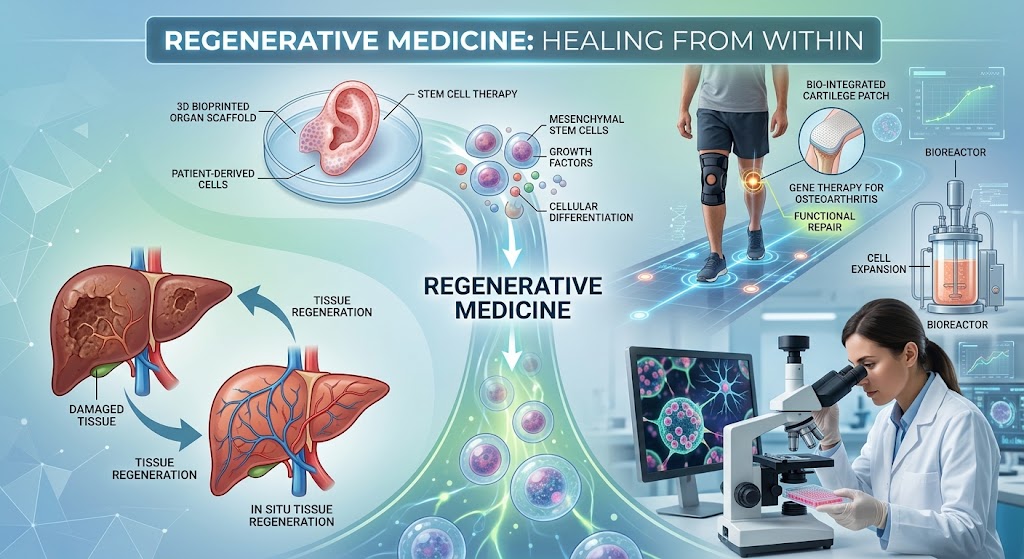
A stem cell conference Dubai is an important platform for researchers, clinicians, biotechnology professionals, healthcare leaders, and medical innovators to explore the rapidly developing field of regenerative medicine. As stem cell research continues to advance, conferences provide opportunities to discuss scientific discoveries, emerging therapies, clinical applications, and the challenges involved in translating laboratory research into patient care.
Dubai has established itself as a prominent destination for international healthcare and scientific events. Its modern infrastructure, global connectivity, and growing focus on medical innovation make it an attractive location for conferences that bring together professionals from different countries and disciplines. Also check for upcoming medical conferences UAE 2026
What Is a Stem Cell Conference?
A stem cell conference is a professional scientific and medical event focused on developments in stem cell biology, regenerative medicine, tissue engineering, cellular therapies, and related areas of biotechnology.
These conferences can bring together experts from universities, hospitals, research institutions, pharmaceutical companies, biotechnology organizations, and healthcare technology companies. Depending on the event, the program may include keynote presentations, scientific lectures, panel discussions, workshops, poster sessions, exhibitions, and networking opportunities.
The goal is generally to encourage the exchange of scientific knowledge and promote collaboration between different sectors of the healthcare and research community.
Why Are Stem Cells Important?
Stem cells have attracted significant scientific interest because of their unique biological properties. Unlike many specialized cells, certain types of stem cells can self-renew and develop into different cell types under appropriate biological conditions.
Researchers are studying stem cells for their potential applications in areas such as tissue repair, disease modeling, drug development, and regenerative medicine.
However, stem cell science is complex, and many potential applications remain under investigation. A professional stem cell conference Dubai can therefore provide an environment where researchers and healthcare professionals can examine both the opportunities and limitations of current research.
Key Topics Discussed at Stem Cell Conferences
The exact agenda differs between conferences, but several subjects are commonly featured.
Stem Cell Biology
Fundamental stem cell biology is an important part of many scientific conferences. Researchers may discuss cell differentiation, self-renewal, cellular signaling, stem cell niches, and mechanisms that influence cell behavior.
Understanding these fundamental processes is essential for developing safe and effective applications in regenerative medicine.
Regenerative Medicine
Regenerative medicine aims to explore ways of repairing, replacing, or regenerating damaged cells, tissues, and organs. Stem cells are one area of research within this broader field.
Conference presentations may examine developments in tissue regeneration, cell-based therapies, biomaterials, organ repair, and tissue engineering.
Cell-Based Therapies
Cell-based therapies are another major area of discussion. Researchers are investigating how different cell types could potentially be used in the treatment or management of various diseases and injuries.
Professional conferences allow experts to discuss clinical research, trial outcomes, safety considerations, manufacturing processes, and regulatory requirements.
Cancer Research
Stem cell research also plays a role in cancer biology. Scientists study cancer stem cells, tumor development, disease progression, and treatment resistance.
Conference sessions may explore how stem cell-related research can contribute to better understanding of cancer and the development of new research models and therapeutic approaches.
Stem Cells and Drug Discovery
Stem cells can be useful in laboratory research and drug development. Scientists can use certain stem-cell-derived models to investigate disease mechanisms and evaluate potential medicines.
This may help researchers study how particular cells respond to treatments before moving toward clinical research.
The Role of Researchers and Healthcare Professionals
A major strength of a stem cell conference is the diversity of professionals who participate.
Researchers may present findings from laboratory studies, while physicians can discuss clinical experiences and challenges. Biotechnology companies may introduce new technologies, and pharmaceutical organizations may share developments in cell-based research or drug discovery.
This multidisciplinary environment can encourage conversations that would be difficult to achieve within a single field.
For early-career scientists and researchers, conferences can also provide opportunities to present their work and receive feedback from experienced professionals.
Why Dubai Is a Strategic Location for Medical Conferences
Dubai’s position between major markets in Asia, Europe, Africa, and the Middle East makes it accessible to international participants. The city also has extensive conference infrastructure, international hotels, business facilities, and transportation connections.
Dubai has increasingly focused on healthcare innovation, biotechnology, medical technology, and research. This broader environment supports the development of events that connect regional healthcare professionals with international experts.
For international delegates, attending a stem cell conference Dubai can therefore provide both scientific and professional networking opportunities.
Networking Opportunities
Networking is one of the most valuable aspects of a medical conference.
Participants can meet researchers, clinicians, academics, entrepreneurs, investors, biotechnology professionals, and representatives from healthcare organizations. These interactions may lead to research collaborations, professional relationships, academic partnerships, or opportunities to exchange technical knowledge.
Networking can also help participants understand developments in different healthcare markets and learn how research is being translated into practical applications.
Benefits for Medical Students and Early-Career Researchers
Stem cell conferences are not only intended for established researchers. Medical students, postgraduate researchers, and early-career professionals can also benefit from attending.
A conference can help participants:
- Learn about current research trends
- Understand emerging technologies
- Meet established professionals
- Explore potential research collaborations
- Improve scientific communication skills
- Discover academic and professional opportunities
- Gain exposure to multidisciplinary research
Listening to keynote presentations and scientific discussions can also help students identify areas of research that match their interests.
Exhibitions and Emerging Technologies
Many medical conferences include exhibition areas where companies and research organizations showcase technologies, laboratory equipment, software, diagnostic platforms, and other solutions.
In the stem cell and regenerative medicine sector, technologies may involve cell culture, imaging, laboratory automation, bioprocessing, cryopreservation, tissue engineering, and data analysis.
These exhibitions allow attendees to see how scientific research is supported by advances in technology.
Ethical and Regulatory Considerations
Stem cell research involves important ethical, clinical, and regulatory considerations. These issues are particularly relevant as scientific discoveries move closer to potential clinical applications.
Conference discussions may address informed consent, clinical trial standards, cell sourcing, manufacturing quality, patient safety, data integrity, and regulatory oversight.
This aspect is essential because scientific innovation must be accompanied by appropriate safeguards. Not every experimental stem cell approach has been proven safe or effective, and professional discussions can help distinguish established evidence from early-stage research.
The Importance of Evidence-Based Stem Cell Research
The growing interest in stem cell treatments has also created a need for responsible scientific communication. Conferences can provide an opportunity to examine evidence from peer-reviewed research and clinical studies.
Participants can discuss the difference between laboratory findings, early clinical trials, and established medical treatments. This distinction is particularly important for patients and healthcare professionals who encounter claims about stem cell therapies online.
Reliable scientific conferences should emphasize evidence, transparency, patient safety, and appropriate regulatory standards rather than making unsupported promises about treatments.
How to Prepare for a Stem Cell Conference in Dubai
If you are planning to attend a stem cell conference, preparation can make the experience more valuable.
Start by reviewing the conference agenda and identifying sessions that match your interests. If you are presenting research, ensure that your presentation or poster follows the event’s submission guidelines.
It can also be useful to research speakers and participating organizations before the event. Preparing a few questions can help you participate more actively in discussions.
For networking, having professional contact information or a digital professional profile available can make it easier to maintain connections after the conference.
What Makes a Stem Cell Conference Valuable?
The value of a conference is not simply determined by the number of speakers or attendees. A strong scientific program should provide meaningful educational content, credible research, opportunities for discussion, and access to professionals working across different areas of the field.
A well-organized stem cell conference Dubai can serve as a bridge between fundamental research and emerging clinical applications. It can also encourage communication between academia, healthcare institutions, biotechnology companies, and policymakers.
Future of Stem Cell Research
Stem cell research continues to evolve alongside advances in genetics, tissue engineering, artificial intelligence, biomaterials, and biotechnology. Researchers are investigating increasingly sophisticated approaches to understand cells and develop potential regenerative applications.
Future developments may involve more precise cell differentiation, improved manufacturing techniques, advanced tissue models, personalized research approaches, and greater integration of computational technologies.
Nevertheless, progress will depend on rigorous research, carefully designed clinical studies, appropriate regulation, and continued collaboration between scientific and medical communities.
Conclusion
A stem cell conference Dubai offers an opportunity for professionals interested in regenerative medicine and cellular research to learn, collaborate, and discuss the future of healthcare innovation. From stem cell biology and regenerative medicine to cell-based therapies, cancer research, biotechnology, and ethical considerations, these events cover a broad range of scientific topics.
Dubai’s international accessibility and expanding healthcare ecosystem make it a suitable location for bringing together experts from different regions and disciplines. For researchers, clinicians, students, biotechnology professionals, and healthcare organizations, participating in such an event can provide valuable exposure to emerging research and professional networks.
As stem cell science continues to develop, conferences will remain an important forum for sharing evidence, evaluating new ideas, and encouraging responsible innovation in regenerative medicine.


