

Technology
A Local Call Number So Customers Reach You at a Familiar Code

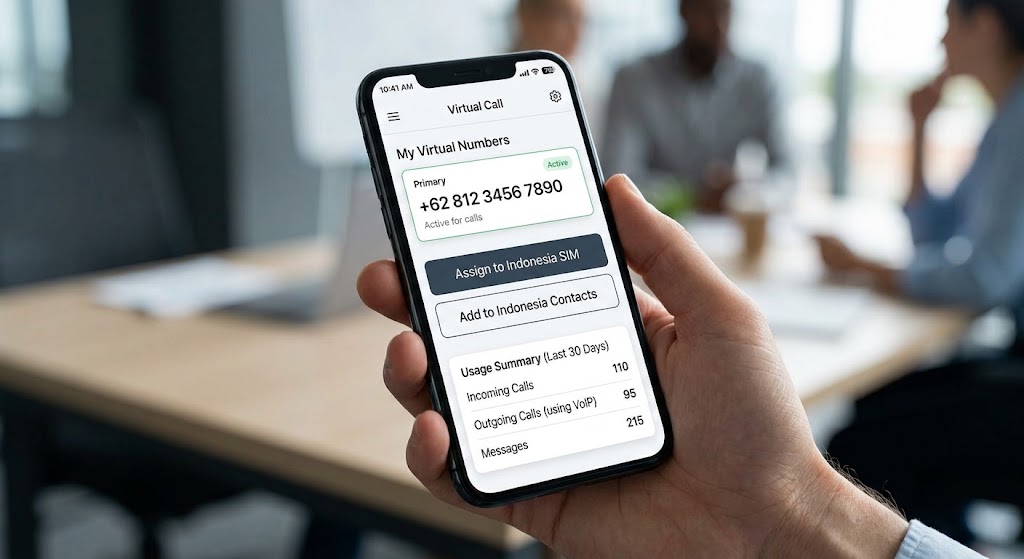
There is a small but stubborn barrier between many businesses and the customers they want: the phone number on the website looks foreign. People hesitate to dial an unfamiliar international prefix — they assume it will cost them, that no one will pick up in their language, or that the company isn’t really operating in their market. Giving customers a local number to call, answered by you wherever you are, removes that hesitation. A virtual number for calls lets you publish a familiar in-country line without a physical SIM or a local office.
The mechanics are simple and the effect on customer confidence is disproportionate to the effort.
The psychology of a familiar dialing code
A phone number is read before it’s dialed. When a potential customer sees a code they recognise as local, several assumptions fall into place automatically: this is a normal call, at a normal rate, to a business that expects people like me. An unfamiliar prefix triggers the opposite — uncertainty, and often a decision not to call at all.
This matters most at the exact moments a business can least afford friction:
- A shopper comparing two suppliers picks the one that’s easy to phone.
- A customer with a pre-purchase question calls the number that looks safe to call.
- Someone with a complaint reaches you directly instead of venting in a public review.
A local number doesn’t change what your business is. It changes whether people feel comfortable picking up the phone — and many more of them do.
No SIM, no office, still local
The traditional way to get a local number was to be physically present: a registered line, hardware, sometimes a local company. A virtual call number skips all of that. You rent a real number with the local code, and incoming calls route over the internet to wherever your team actually sits — a phone app, a computer, or an existing line.
That means:
- No shipping or installing hardware in a country you may never visit.
- No local SIM to keep topped up and active.
- One number that behaves locally for the callers who matter, while your operation stays where it is.
The honest caveats: audio quality depends on your internet connection, so answer from a stable link; and a contact line isn’t a substitute for whatever local registration your specific line of business may legally require. Within those limits, it does exactly what it promises — makes you callable at a familiar code.
Example: serving customers across Southeast Asia
Picture an online store or SaaS product that has started getting orders from Indonesia. The interest is real, but support requests trail off whenever customers hit a foreign contact number and decide not to call. Publishing an Indonesia phone number as your local voice line changes the equation: shoppers see a code they know, dial without a second thought, and reach your team over the internet regardless of which country that team is in. Pre-sale questions get answered, and the market stops feeling like it’s being served from a distance.
The approach isn’t tied to one country. Any market where you’re gaining traction faster than you can open an office is a candidate for the same move — a local callable number that meets customers at a familiar prefix while your actual support desk stays put. When you eventually do establish a local presence, the number simply re-routes to it.
Getting the most out of a local voice line
A few habits keep it effective:
- Choose a line built for voice, not one sold purely to catch one-time text codes — the two are provisioned differently.
- Decide where unanswered calls go. Voicemail, a callback queue, or another teammate; don’t let time-zone gaps swallow calls.
- Match staffing to the market’s hours where you can, so “reachable” isn’t just theoretical.
- Watch call volume to judge when a single line should become a small team.
FAQ
Do customers know it’s a virtual number?
They see and dial a normal local number and reach you. Functionally it’s a working local line, which is what they care about.
Do I need to be in the country to use its code?
No. The number carries the local code; the call routes to you wherever you are over the internet.
What if I miss a call in a different time zone?
Configure a fallback — voicemail or a callback note — so missed calls leave a trace instead of vanishing. That’s a setup choice, not a limitation.
Can I add numbers for other markets later?
Yes. Because it’s software-defined, adding a second country’s line is a configuration step, not a new hardware purchase.
Takeaway
Customers reach for the phone far more readily when the number looks local. A virtual call number lets you offer that familiar code in any market you’re growing into — no SIM, no office, no hardware — while your team answers from wherever it already works. It’s a small change to what people see, and a large change to how many of them actually call.


