Banking
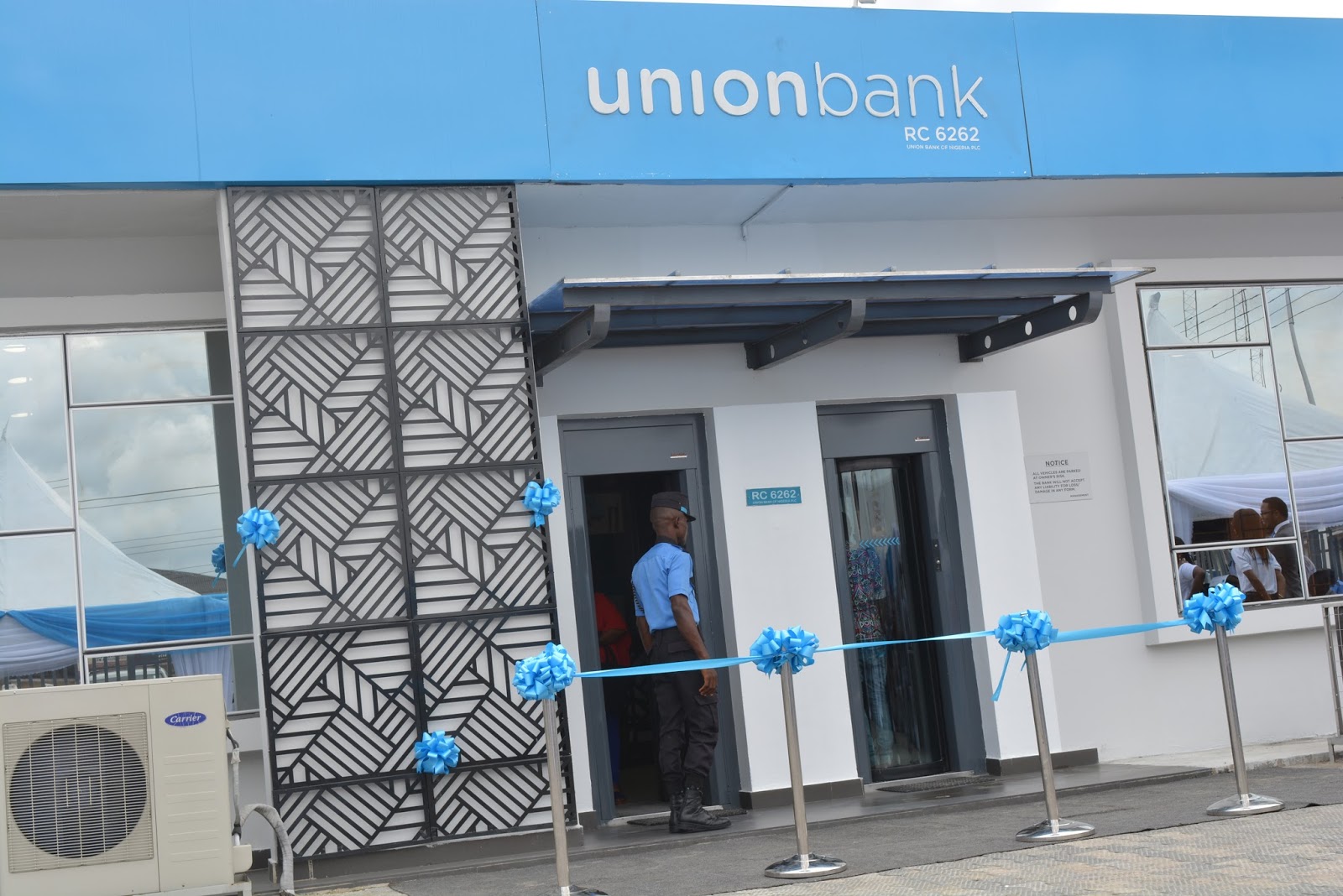
Atlas Mara Seeks $200m to Raise Stake in Union Bank of Nigeria

By Modupe Gbadeyanka
Atlas Mara Limited has indicated its interest to raise about $200 million from the sale of new stock to Fairfax Africa Holdings Corporation so as to enable it increase its stake in Union Bank of Nigeria from 31 percent to 44.5 percent.
The firm said in a statement on Wednesday, June 21, 2017, that the equity would be sold to Fairfax and existing shareholders through the issuance of convertible bonds.
“A strategic partnership with Fairfax Africa creates a strong relationship between two like-minded, long-term investors in Africa.
“Each is focused on capitalizing on the long-term growth potential of Africa and provides permanent capital to support growth,” Atlas Mara said in the statement.
The firm revealed that it had already reached an agreement with Clermont Group for $55 million (N16.83 billion), which is about 13.4 percent of its (Clermont Group) equity in Union Bank of Nigeria Plc.
Union Bank is one of Nigeria’s worst-performing bank stocks this year and the lender has been struggling to cope with the economic recession in the country.
The lender was established in 1917 and listed on the Nigerian Stock Exchange in 1971. It boasts of an extensive network of over 300 branches across Nigeria.
The bank was founded in 1917 as Colonial Bank and in 1925, Barclays Bank acquired Colonial Bank, changing the name to Barclays Bank (Dominion, Colonial and Overseas) or Barclays Bank (DCO).
In 1969, Barclays Bank DCO was incorporated in Nigeria, as Barclays Bank of Nigeria Limited, to comply with new banking laws enacted in 1968.
Banking
AICIF Honours The Alternative Bank for Innovation
By Aduragbemi Omiyale
The Alternative Bank (AltBank) has won the Innovative Bank of the Year award at the 7th African International Conference on Islamic Finance (AICIF) in Lagos.
The Executive Director for South at The Alternative Bank, Mrs Korede Demola-Adeniyi, said, “This award affirms what we’ve always believed, that innovation and integrity can coexist at the heart of banking.
“It reflects the trust our clients place in us and our shared vision of a more sustainable and inclusive future,” she added.
Chairman of the AICIF Award Panel, Professor AbdulRazzaq Alaro, praised the transparency of the process, commending the awardees for their significant contributions to advancing interest-free financing for Africans.
“The AICIF awards are a special way of recognising the exceptional innovation and dedication demonstrated by individuals and organisations in advancing Islamic finance across Africa,” he said.
AICIF has long been a cornerstone for intellectual discourse and professional excellence in finance across Africa. The awards recognise individuals and organisations that demonstrate exceptional dedication, innovation, and excellence in advancing the principles and practices of non-interest finance.
The lender stands out in Nigeria’s banking sector by combining non-interest principles with cutting-edge digital solutions. Launched as a non-interest window in 2014 and officially licensed as a bank in 2023, the bank has positioned itself as an industry leader.
Its offerings, such as the AltElite premium banking suite and an innovative gold-based rewards system, are redefining banking for a new generation of customers.
By combining non-interest finance principles with advanced digital tools, The Alternative Bank is redefining modern banking for a new generation.
Banking
Access Bank Unveils SME Academy for Entrepreneurs
By Modupe Gbadeyanka
A significant step towards reducing the high failure rate of small businesses in Nigeria has been taken by Access Bank Plc with the launch of an SME Academy.
The financial institution said entrepreneurs will receive adequate training tailored to help them scale up their ventures and remain afloat.
Access Bank said it was coming up with this initiative in Nigeria following its successful rollout in Ghana, which led to measurable improvements in SME performance in the West African neighbouring nation.
It said small business owners would be equipped with essential skills, knowledge, and resources for sustainable growth.
The SME Academy will run multiple times annually, eventually becoming a pipeline for continuous mentorship and engagement.
The maiden cohort focuses on businesses operating for three to four years and looking to scale. The curriculum covers strategic planning, digital marketing, financial management, access to finance, and operational efficiency areas identified as common challenges for Nigerian SMEs.
The Head of Retail Banking at Access Bank, Olumide Olatunji, said, “Given the opportunities within Nigeria’s population and the central role SMEs play in sustaining the economy, it became necessary to bring this initiative home.”
The Group Head of SME Banking at the lender, Ms Abiodun Olubitan, explained that the inaugural edition targets 80 established business owners and is structured as a three-day intensive training.
The programme focuses on strengthening business structures, improving financial readiness, and boosting survival rates in a sector where many firms fail within five years.
“SMEs contribute over 80 per cent to GDP globally, so supporting them is essential. Our research shows that inadequate capital and weak capacity are major reasons businesses collapse. The academy addresses these gaps by providing practical tools entrepreneurs can immediately apply,” she stated.
Although the programme does not include grant funding, Access Bank will offer financing opportunities to participants who demonstrate strong business capacity and bankability after the training.
“Funding is important, but we want to support entrepreneurs who have the capacity to manage it responsibly. The academy helps us build that confidence,” Ms Olubitan added.
Participants praised the initiative for delivering high-quality training at no cost, with the chief executive of TMA Global Consult, Ms Juliet Ike, describing it as a timely opportunity to strengthen her business structures, while Dr Onipidan Adebayo of ShawBC Ventures highlighted the value of receiving business school–level insights for free.
With over 39 million MSMEs contributing more than 80 percent of employment and nearly half of Nigeria’s GDP, Access Bank’s SME Academy arrives at a pivotal moment.
Banking
Senate Asks Details of Stamp Duty Revenue Usage from FIRS, Banks
By Aduragbemi Omiyale
An investigation into how earnings from stamp duty are utilised has been launched by the Senate.
The upper chamber of the National Assembly will look into revenues generated from stamp duties imposed on agreements between government entities, individuals, and corporate organisations — an area long believed to be fraught with opacity.
This probe is being handled by the Senate Public Accounts Committee, chaired by Mr Ahmed Wadada.
Already, the critical parties involved in the use of funds from stamp duty have been asked to submit the necessary documents on or before Tuesday, November 25, 2025.
The documents will give details of how much has been collected over the years and how the funds have been managed.
Those asked to provide these details are the Federal Inland Revenue Service (FIRS), commercial banks, and the Nigerian Governors’ Forum, and others.
“We are determined to ensure that the resources generated through stamp duties are being used transparently and for the benefit of the people.
“The goal is to identify any areas where revenue is being lost and ensure that the funds are being channelled into providing public services and infrastructure.
“The utilisation of stamp duty revenue has not been effectively monitored in the past, and we are determined to change that.
“This investigation will give us a clear picture of the revenue generated and help ensure that it is being properly accounted for,” the chairman of the investigating team said.
The stamp duty is usually charged by banks on behalf of the federal government on financial transactions.
-
Feature/OPED6 years agoDavos was Different this year
-
Travel/Tourism9 years ago
Lagos Seals Western Lodge Hotel In Ikorodu
-
Showbiz3 years agoEstranged Lover Releases Videos of Empress Njamah Bathing
-
Banking7 years agoSort Codes of GTBank Branches in Nigeria
-
Economy2 years agoSubsidy Removal: CNG at N130 Per Litre Cheaper Than Petrol—IPMAN
-
Banking3 years agoFirst Bank Announces Planned Downtime
-
Sports3 years agoHighest Paid Nigerian Footballer – How Much Do Nigerian Footballers Earn
-
Banking3 years agoSort Codes of UBA Branches in Nigeria