
Banking
How FairMoney Is Powering Financial Inclusion for Nigerian Hustlers

By Margaret Banasko
Urbanization is reshaping Nigeria’s economic landscape, creating new possibilities for millions of young people who relocate each year in search of opportunity. Cities like Lagos, Kano, and Abuja continue to expand as ambitious Nigerians leave their hometowns with the hope of building stable, sustainable livelihoods.
Recent figures highlight the pace of this shift. As of 2024, more than half of Nigeria’s population – around 128 million people – live in urban areas. Many of these individuals are young entrepreneurs and self-employed workers determined to turn their skills, ideas, and hustle into meaningful income. However, navigating the financial requirements needed to sustain and grow a small business is often challenging for those operating in informal or early-stage sectors.
This is where digital financial platforms have become transformational. With only a mobile phone, an internet connection, and a Bank Verification Number (BVN), Nigerians are increasingly able to access a wider range of financial tools designed to support their daily needs and long-term goals. FairMoney is among the institutions driving this progress by offering services that meet people where they are and support their ambition to grow.
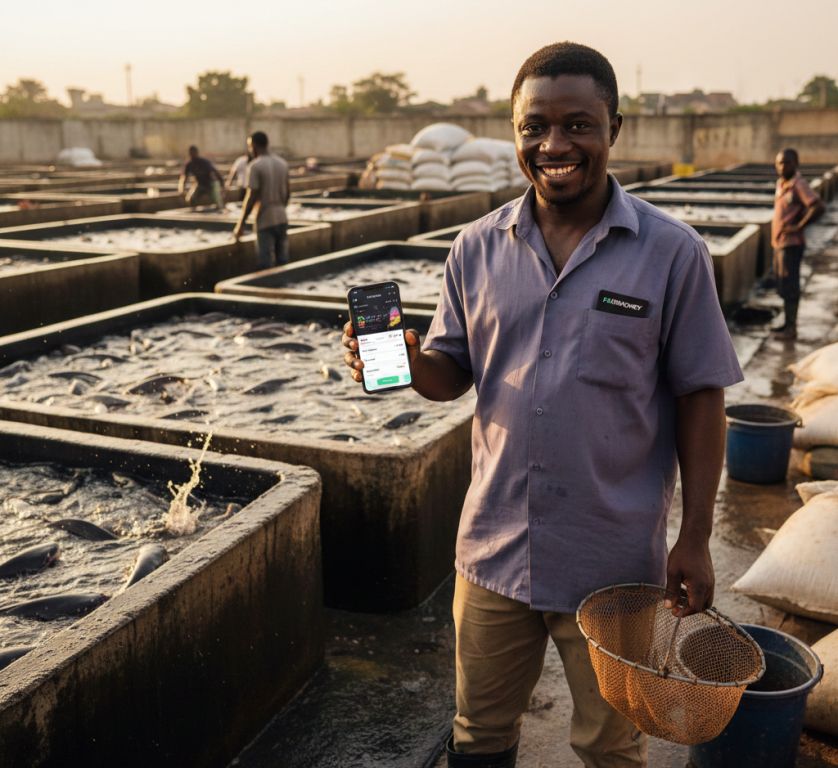
Aigbe Osasere’s experience reflects this evolution. He moved from Benin City to Lagos with the goal of establishing a fish farming business in Ijegun, Alimosho. His vision was clear: create a small, efficient operation that could supply fresh fish to local buyers. Like many small business owners, he needed reliable access to funds to purchase fingerlings, buy feed, replace equipment, and maintain steady production. Managing these cycles required financial tools that matched the fast pace of his operations.
Through the FairMoney app, Aigbe gained access to digital banking services immediately after completing BVN verification. The availability of instant loans provided the flexibility he needed to restock quickly and maintain continuous production. For a business model where timing is central to profitability, this support allowed him to keep his operations consistent and responsive to customer demand.
Opening a FairMoney bank account and receiving a physical debit card further strengthened his business structure. Bulk buyers began paying him directly into his account, giving him clearer financial records and better visibility into his daily revenue. With his debit card, he could purchase supplies, withdraw cash conveniently, and manage his finances in a more organized way.
Aigbe also adopted FairMoney’s savings features to help him preserve and grow his earnings. By setting aside a portion of his daily sales, he is gradually building the capital needed to increase his fish tanks, expand his capacity, and move toward a more scalable operation.
Beyond supporting his business, FairMoney has become part of his everyday life. From the app, he sends money to family members, pays bills, buys airtime and data, and settles electricity tokens quickly and efficiently. This convenience allows him to focus more fully on running and growing his business.
Aigbe’s story is one example of how digital banking is broadening access to financial services across Nigeria. Entrepreneurs, freelancers, traders, and young workers are increasingly leveraging digital platforms to manage money, plan for growth, and participate more actively in the financial system.
As more Nigerians pursue self-employment and urban entrepreneurship, tools that offer accessibility, speed, and flexibility are playing an important role in supporting their progress. With FairMoney, many are finding a dependable partner that aligns with their goals, their pace, and their vision for the future.
Margaret Banasko is the Head of Marketing at FairMoney MFB




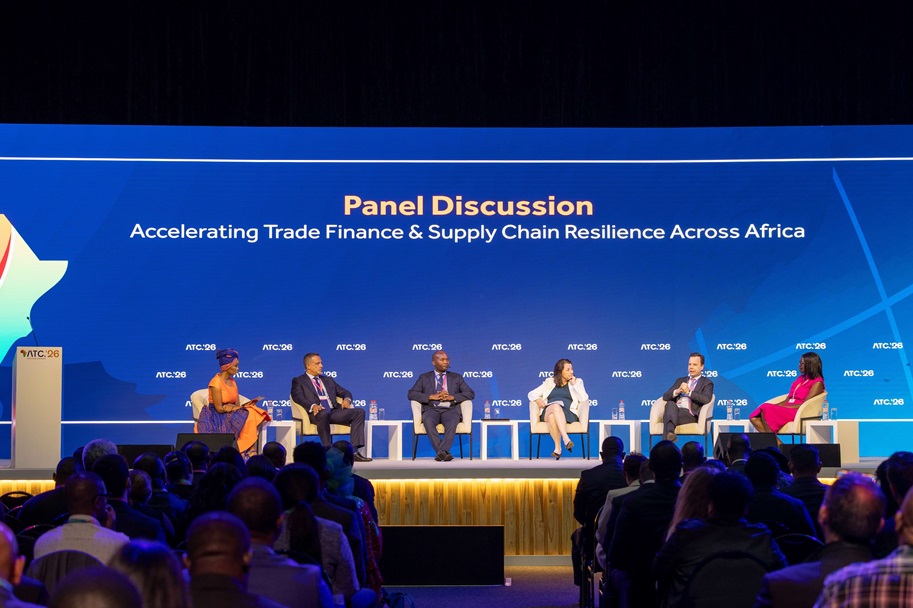
At the Africa Trade Conference (ATC) 2026 held in Cape Town, South Africa, policymakers, financiers, and global business leaders gathered to confront one of Africa’s most persistent economic constraints: the continent’s vast trade financing gap.
Hosted by Access Bank Plc, the conference brought together stakeholders from governments, development finance institutions and the private sector to explore how Africa can transform its fragmented trade ecosystem and unlock the promise of the African Continental Free Trade Area.
The central message emerging from the discussions was clear: Africa must move from being a continent of landlocked markets to a network of land-linked economies, connected through finance, infrastructure and digital trade systems.
Turning Vision into Velocity
The conference, themed “Turning Vision into Velocity: Building Africa’s Trade Ecosystem for Real-World Impact,” focused on translating policy ambition into practical solutions for businesses across the continent.
Delivering the welcome address, Roosevelt Ogbonna, Managing Director and Chief Executive Officer of Access Bank Plc, emphasised that Africa must confront the structural barriers that continue to limit intra-continental commerce.
“The reality is that Africa still controls a small share of global trade,” Ogbonna said. “The corridors are still fragmented and more aspirational than functional, and too many small businesses that aspire to trade across Africa remain constrained.”
According to him, the conference was convened to continue the conversation begun at its inaugural edition in 2025, focusing on how Africa can expand trade within the continent while strengthening its participation in global markets.
“This conference must not end as another talking shop,” he said. “It must become the birthplace of a movement that contributes to transforming intra-African trade.”
For Access Bank Plc, the role of financial institutions in that transformation is evolving.
“At Access Bank, we see ourselves as financiers and connectors of markets, ideas and opportunities,” Ogbonna noted. “Our role is to help African businesses move from ambition to impact, from local relevance to global competitiveness.”
Bridging Africa’s Trade Finance Gap
Despite its abundant natural resources and population of more than 1.3 billion people, Africa remains underrepresented in global trade flows.
One of the biggest barriers is the lack of accessible financing for exporters, manufacturers and small businesses seeking to expand across borders. The trade finance gap continues to constrain intra-African commerce, which remains significantly below levels recorded in other regional trading blocs.
To address this, Ogbonna highlighted three strategic priorities that emerged from the previous edition of the conference: breaking down silos between policymakers, financial institutions and businesses; building a trade ecosystem powered by reliable data and analytics, and developing systems that support both large corporations and smaller businesses expanding across borders
Encouragingly, he noted that progress is already emerging across several sectors.
“We have seen value chains emerging across agriculture, manufacturing and services, and we are seeing African brands crossing borders and building a global presence,” he said.
Nevertheless, the gains remain uneven across the continent, with progress concentrated in a few markets and trade corridors.
Financing the Future of African Trade
Beyond the structural challenges of trade finance and infrastructure, the conference also explored the evolving financial architecture required to unlock Africa’s full trade potential.
Keynote addresses were delivered by Kennedy Mbekeani, Director General for the Southern Africa Region at the African Development Bank, and Kwabena Ayirebi, Managing Director of Banking Operations at the African Export-Import Bank.
Both speakers emphasised the need for stronger collaboration among development finance institutions, commercial banks and governments to mobilise the capital required to drive infrastructure development and support trade across the continent.
Mbekeani stressed that private capital would be crucial in bridging Africa’s infrastructure financing gap.
“The mobilisation of private capital remains crucial as many African governments are constrained by limited fiscal space and overstretched balance sheets,” he said.
“The mobilisation of capital, particularly private capital, is something that we need to work on.”
The conversation was further enriched by insights from Tolu Oyekan, Managing Director and Partner at Boston Consulting Group, who presented the Africa Trade Outlook 2026.
His presentation highlighted the macroeconomic forces shaping the future of African trade, including shifting global supply chains, the growing importance of regional value chains and emerging opportunities for African industries to capture greater value in global markets.
Digital infrastructure and payments were also central to the conversation.
Mike Ogbalu, Chief Executive Officer of the Pan-African Payment and Settlement System, underscored the importance of payment interoperability in enabling seamless cross-border transactions across the continent.
Efficient payment systems, he noted, are essential to reducing the cost and complexity of trading across African borders, particularly for small and medium-sized enterprises.
Policy, Finance and Partnerships
The conference also convened a high-level ministerial panel that brought together policymakers and financial sector leaders to examine the policy environment required to accelerate Africa’s economic integration.
Participants included Elizabeth Ofosu Adjare, Ghana’s Minister for Trade, Agribusiness and Industry, and Tiroeaone Ntsima, Botswana’s Minister of Trade and Entrepreneurship, alongside senior executives from international financial institutions.
Together, they explored how regulatory alignment, infrastructure development and innovative financing structures can accelerate the implementation of the African Continental Free Trade Area and unlock intra-African trade.
The objective, participants agreed, was not merely dialogue but partnership, bringing together the policymakers, financiers and businesses capable of translating Africa’s trade ambitions into tangible outcomes.
Reimagining Africa’s Economic Geography
Beyond policy discussions and financing strategies, the conference reflected a deeper shift in how Africa views its economic geography.
For decades, the continent’s development challenges have often been framed in terms of physical constraints: landlocked economies, fragmented markets and weak infrastructure.
But the emerging vision presented in Cape Town suggests a different future, one where integrated banking networks, digital payment systems and trade finance platforms transform isolated markets into connected trade corridors.
For Access Bank Plc, that transformation is already underway.
With operations spanning 25 countries globally, including 16 across Africa, the bank is building financial corridors that link African businesses to each other and to global markets.
From Potential to Participation
The conversations at the Africa Trade Conference reinforced a growing consensus across the continent: Africa’s economic transformation will depend on policy reforms and institutions capable of financing and facilitating trade.
Banks, development finance institutions and payment platforms are increasingly becoming the connective tissue linking African markets.
For Access Bank, the ambition is clear, helping reshape the narrative of African trade.
From isolated markets to integrated corridors. From landlocked constraints to land-linked opportunity. And from economic potential to meaningful participation in the global trading system.


By Adedapo Adesanya
The Central Bank of Nigeria (CBN) has rolled out fresh technology-driven rules compelling banks and other financial institutions to deploy automated anti-money laundering systems capable of detecting suspicious transactions in real time.
The directive, contained in a circular issued on March 10, 2026, applies to deposit money banks, mobile money operators, international money transfer operators, payment service providers, and other institutions under the apex bank’s supervision.
According to the regulator, the new framework sets minimum standards for automated anti-money laundering solutions designed to strengthen the detection and reporting of financial crimes within Nigeria’s rapidly digitising financial ecosystem.
In the circular, the CBN explained that the guidelines establish a baseline structure for financial institutions to deploy advanced monitoring tools capable of flagging suspicious financial activities instantly.
“The baseline standards provide a framework for implementing automated solutions that strengthen the detection and reporting of suspicious transactions in real time and enhance compliance with applicable AML/CFT/CPF laws and regulations, while also supporting the use of emerging technologies to improve overall financial crime risk management,” it stated.
The circular was jointly signed by the Director of Banking Supervision, Mrs Akinwunmi A. Olubukola, and Mrs Olubunmi Ayodele-Oni, acting for the Director of the Compliance Department.
Under the new policy, financial institutions must deploy automated anti-money laundering platforms that combine customer identification systems, transaction monitoring, sanctions screening, and risk assessment tools into a single integrated framework.
The CBN said the guidelines apply to all institutions operating within the financial system under its regulatory authority, including banks, payment companies, and other licensed financial service providers.
While the new rules take effect immediately, institutions have been given specific timelines to fully implement the required technology infrastructure.
Deposit money banks are expected to achieve full compliance within 18 months, while other financial institutions have 24 months to meet the regulatory requirements.
In addition, all institutions are required to submit detailed implementation roadmaps within three months of the issuance of the circular.
“The implementation of these guidelines shall start from the date of issuance, while full compliance shall be 18 months (for Deposit Money Banks) and 24-months (for Other Financial Institutions) from the date of issuance,” the apex bank added.
A major highlight of the framework is the emphasis on advanced technology tools such as artificial intelligence, machine learning, predictive analytics, and behavioural monitoring to identify unusual financial patterns that may indicate criminal activity.
Under the guidelines, institutions must deploy systems capable of conducting risk-based customer due diligence, monitoring transactions across multiple financial channels, and screening customers against sanctions databases and lists of politically exposed persons.
The CBN also directed that these automated systems must integrate seamlessly with core banking infrastructure and customer identity databases, enabling continuous real-time analysis of transaction flows and behavioural patterns.
According to the apex bank, traditional manual monitoring processes are increasingly inadequate in a financial environment that is becoming more complex and heavily driven by digital payments, fintech platforms, and mobile banking.
The regulator said automated surveillance systems would enable institutions to identify potential financial crimes earlier and report suspicious transactions promptly to authorities such as the CBN and the Nigerian Financial Intelligence Unit (NFIU).
The guidelines further require financial institutions to establish governance structures to oversee the performance of automated systems, validate artificial intelligence models, and ensure that data protection safeguards comply with Nigeria’s privacy regulations.
Beyond technology deployment, institutions must maintain detailed audit trails and case management systems that document investigations into suspicious financial activity and track regulatory reporting obligations.
The central bank warned that institutions that fail to comply with the new standards or operate ineffective anti-money laundering frameworks could face regulatory penalties.
Compliance will be monitored through a combination of off-site regulatory surveillance, on-site examinations, and targeted thematic reviews conducted by the banking regulator.
The CBN emphasised that the newly issued standards represent only the minimum compliance benchmark, adding that institutions may be required to implement stronger controls depending on their operational scale, transaction volumes, and risk exposure.

By Aduragbemi Omiyale
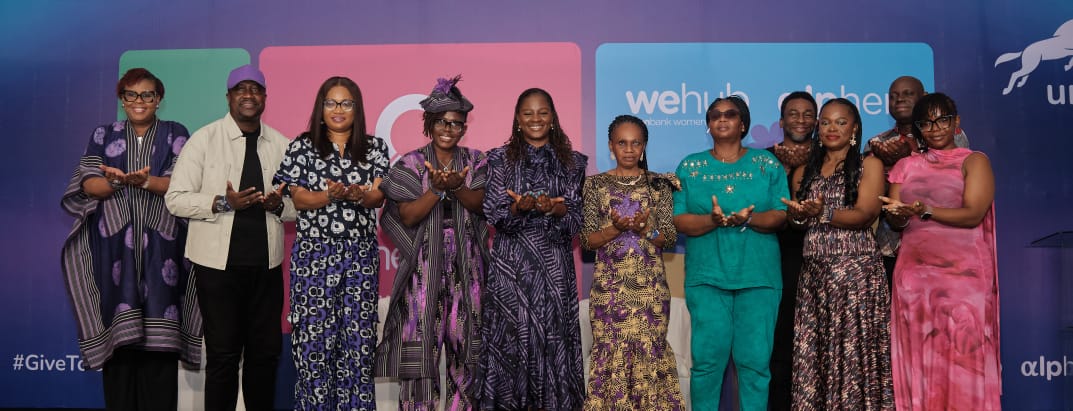
Union Bank of Nigeria is commemorating International Women’s Month 2026 with an initiative centred on women living with disabilities and women raising children with disabilities.
Throughout March, Union Bank will implement targeted initiatives to expand access, foster inclusion, and unlock sustainable opportunities.
Activities include a flagship event slated for The Stable, its multipurpose venue in Surulere, Lagos, on Saturday. The event convened women with disabilities, caregivers, supporting organisations, and advocates for dialogue, mentorship, and resource sharing.
Complementary efforts include outreach to disability support facilities and collaboration with educational institutions to distribute learning materials to female students with disabilities.
Tailored mentorship programmes will build confidence and capability in education, entrepreneurship, and careers.
Through its women’s banking proposition alpher and strategic partnerships, the bank will also deliver business sustainability training specifically designed for women living with disabilities and women raising children with disabilities.
Aligned with the global theme Give to Gain, the lender’s campaign Give to Gain: Creating Pathways for Inclusion and Endless Opportunities centres the lived experiences of women living with disabilities and underscores the need for intentional systems of support for social and economic advancement.
Internally, Union Bank will activate WeHub — its employee-led women’s network — to strengthen inclusive culture and support professional growth across the organisation.
“At Union Bank, inclusion is not an abstract ideal; it is a deliberate choice. While many conversations around women’s empowerment are important and necessary, women living with disabilities and women raising children with disabilities are too often left out entirely.
“This year’s theme, Give to Gain, reflects exactly what we believe: that when we intentionally open access, support, and opportunity to these women, the value created extends to families, communities, and society at large,” the Chief Brand and Marketing Officer for Union Bank, Ms Olufunmilola Aluko, stated.











-
 Feature/OPED6 years ago
Davos was Different this year
-
Travel/Tourism10 years ago
Lagos Seals Western Lodge Hotel In Ikorodu
-

 Showbiz3 years ago
Estranged Lover Releases Videos of Empress Njamah Bathing
-
 Banking8 years ago
Sort Codes of GTBank Branches in Nigeria
-

 Economy3 years ago
Subsidy Removal: CNG at N130 Per Litre Cheaper Than Petrol—IPMAN
-

 Banking3 years ago
Sort Codes of UBA Branches in Nigeria
-

 Banking3 years ago
First Bank Announces Planned Downtime
-

 Sports3 years ago
Highest Paid Nigerian Footballer – How Much Do Nigerian Footballers Earn