Connect with us

Economy

Cooling Inflation: CPPE Advocates Cautious, Sustained Reforms

Published

on

Muda Yusuf Regulatory Environment

By Adedapo Adesanya

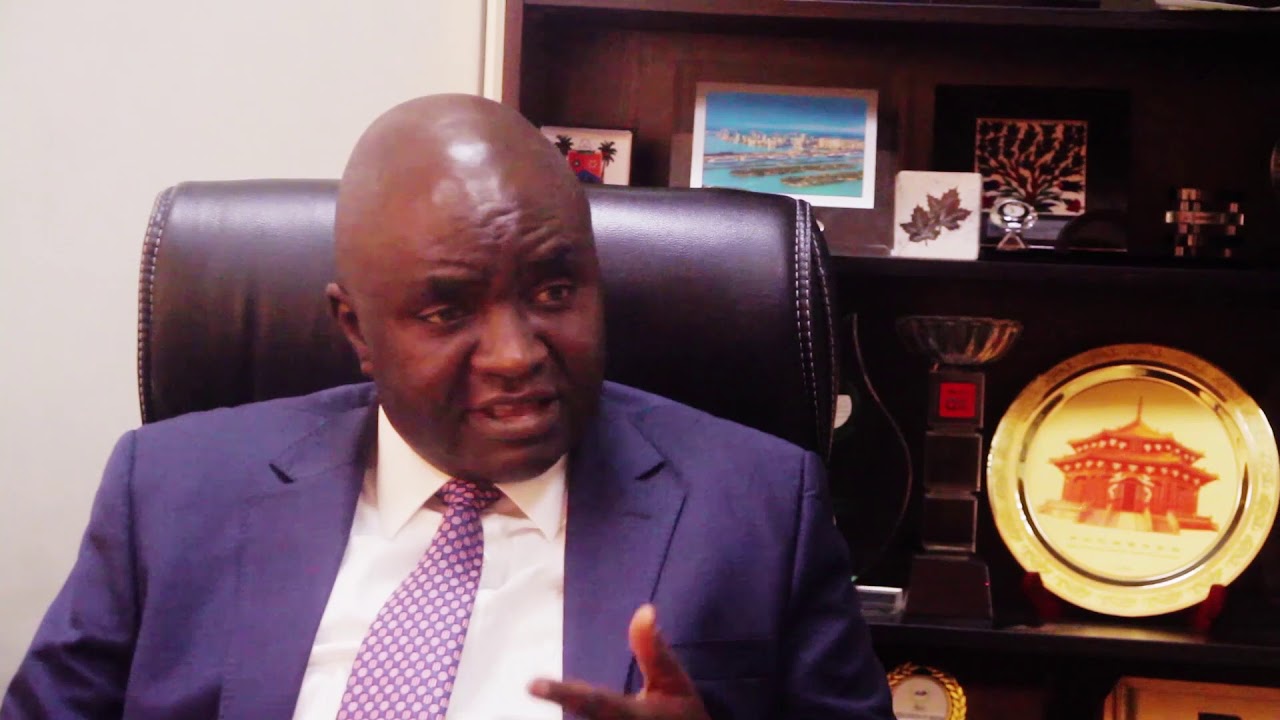
The Centre for the Promotion of Private Enterprise (CPPE) has warned that despite the recent cooling in headline inflation, there’s a need for cautious and sustained reforms.

In a statement, the chief executive of CPPE, Mr Muda Yusuf, stressed that even as the July 2025 inflation report showed easing headline decline, other metrics like food inflation indicated that the storm was far from over.

“Headline inflation declined for the fourth consecutive month, easing from 22.22 per cent in June to 21.88 per cent in July, a deceleration of 0.34 per cent.

“Month-on-month food inflation also moderated, falling from 3.25 per cent in June to 3.12 per cent in July, while core inflation posted marginal declines year-on-year (-0.03 per cent) and a sharp slowdown month-on-month, from 3.46 per cent to 0.97 per cent,” he said.

Mr Yusuf noted that the positive trends reflected a gradually stabilising macroeconomic environment supported by exchange rate stability, improved investor confidence, and import duty waivers on staples such as rice, maize and sorghum, adding that the base effect, following high inflationary conditions in 2022, had also contributed to the decline.

He cautioned that emerging concerns still posed risks to economic stability noting that month-on-month headline inflation rose from 1.68 per cent in June to 1.99 per cent in July, while year-on-year food inflation increased from 21.97 per cent to 22.74 per cent.

“These movements underscore the continuing vulnerability of the economy to supply-side shocks,” he warned.

On the policy outlook, the CPPE boss urged the government to sustain reforms and prioritise foreign exchange stability to anchor inflation expectations. He also called for urgent structural reforms to address high logistics and import costs, insecurity, climate risks, and port inefficiencies that keep prices elevated.

“The outlook calls for caution and sustained reforms. Fiscal discipline is critical to ensure prudent government spending and to manage liquidity injections effectively so they do not fuel inflationary pressures.

“Monetary authorities also need to innovate beyond conventional tightening tools like CRR and MPR, as lending rates have already risen above 30 per cent for most businesses.”

Mr Yusuf stressed that while progress had been made in moderating headline and core inflation, the persistence of food and month-on-month increases reflected deeper challenges.

“The July 2025 inflation report provides a basis for cautious optimism. But a coordinated mix of monetary, fiscal, and structural interventions will be required to consolidate recent gains and steer the economy toward sustained stability,” he added.


Adedapo Adesanya is a journalist, polymath, and connoisseur of everything art. When he is not writing, he has his nose buried in one of the many books or articles he has bookmarked or simply listening to good music with a bottle of beer or wine. He supports the greatest club in the world, Manchester United F.C.

Click to comment

Leave a Reply

Your email address will not be published. Required fields are marked *

Economy

Nigeria’s Inflation Rises to 15.93% in May as Prices Remain Elevated

Published

on

Nigeria’s Headline Inflation

By Adedapo Adesanya 

The National Bureau of Statistics (NBS) has revealed that Nigeria’s headline inflation rate in May 2026 rose to 15.93 per cent from 15.69 per cent in April, as the pressure from the Iran war continued to affect the global economy.

In the report on Monday, the statistical office showed that the headline inflation rate for May on a month-on-month basis was 1.75 per cent. 0.39 per cent lower than the 2.13 per cent recorded in April 2026.

On an annualised basis, the print was down from 26.06 per cent in the same month of the preceding year (May 2025). This was due to the rebasing of the calculation year from 2009 to 2024.

The rise in prices, which stemmed from the continued conflict in the Middle East, continued to stoke food prices and energy costs, which account for a huge chunk of average spending.

According to the NBS, “this can be attributed to the rate of change in the average prices of the following products: Millet whole grain, yam flour, ginger (Fresh), beef, garri, tam tuber, pepper (Fresh), cray fish, cassava tuber, Beans, Irish Potatoes, tomatoes (fresh), wheat grain (Sold loose), soya beans, guinea corn, plantain, carrots (Fresh) etc.”

The Food inflation rate in May 2026 on a month-on-month basis was 2.98 per cent, down by 0.65 percentage points from April 2026 (3.63 per cent), while on a year-on-year basis, it was 16.96 per cent and stood at 24.55 per cent in the same month of the preceding year (May 2025).

In its recent assessment of Nigeria, the International Monetary Fund (IMF) acknowledged the country’s ongoing macroeconomic reform efforts while warning that rising inflation, deepening poverty, and external shocks linked to geopolitical tensions could undermine recent gains.

The IMF projected a reversal in the disinflation trend, with headline inflation rising from 15.1 per cent in February 2026 to 15.4 per cent in March, driven largely by food price increases. It projected year-end inflation of 17.0 per cent, citing global commodity shocks and domestic pass-through effects.

The lender also recommended that the Central Bank of Nigeria maintain a cautious, data-dependent monetary policy stance following its recent steadying of interest rates at 26.5 per cent.

Continue Reading

Economy

Lokpobiri Hails Petroleum Reforms Amid Surge in Investments

Published

on

petroleum products

By Adedapo Adesanya

The Minister of State for Petroleum Resources (Oil), Mr Heineken Lokpobiri, has said ongoing reforms and strategic policy implementation in Nigeria’s petroleum sector are driving significant investments and strengthening the country’s position as a leading energy destination in Africa.

Mr Lokpobiri stated this at the Management Retreat of the Ministry of Petroleum Resources, where he stressed the need for improved institutional performance and accountability to sustain growth in the sector.

According to the Minister, the federal government has deliberately pursued far-reaching reforms aimed at creating a stable and investor-friendly environment capable of attracting local and foreign capital into the oil and gas industry.

“From far-reaching institutional reforms to the effective implementation of strategic policies, we have remained committed to carrying all stakeholders along, fostering a conducive environment for investments to flourish,” Mr Lokpobiri said.

“As a result, our petroleum sector has witnessed significant investments that continue to strengthen Nigeria’s position as a leading energy destination.”

The Minister noted that the gains recorded in the sector were the product of collective efforts across the Ministry and its agencies, commending staff for their dedication and professionalism.

“The Management Retreat of the Ministry of Petroleum Resources provided an important platform to reiterate that these accomplishments would not have been possible without the collective dedication, professionalism and teamwork of every staff member across the Ministry and its agencies,” he stated.

Mr Lokpobiri said the retreat, themed Driving Institutional Performance and Accountability in the Petroleum Sector for Sustainable National Development, underscored the importance of continuous improvement in service delivery and operational efficiency.

Drawing lessons from the theme, he urged officials of the Ministry and regulatory agencies to intensify efforts toward enhancing institutional effectiveness and strengthening governance frameworks.

“I encouraged that we must redouble our efforts, continuously improve the quality of our services, and strengthen institutional performance,” he said.

The Minister further emphasised the continued relevance of fossil fuels in the global energy mix, stressing that Nigeria must leverage its hydrocarbon resources to drive economic growth while ensuring citizens benefit from ongoing reforms.

“With fossil fuel as the dominant source of energy, we must ensure that Nigerians experience the benefits of our progress and that Nigeria remains the preferred investment destination in Africa and a globally competitive hub for energy investments,” Mr Lokpobiri added.

Continue Reading

Economy

Universal Insurance Extends N3.2bn Rights Issue to June 22

Published

on

Universal Insurance shares

By Aduragbemi Omiyale

The N3.2 billion rights issue of Universal Insurance Plc has been extended by almost two weeks after securing regulatory approval.

The exercise was earlier scheduled to close on June 10, 2026, but will now close on Monday, June 22, 2026.

The extension was granted by the Securities and Exchange Commission (SEC) after a request from the underwriting organisation.

In the rights issue, Universal Insurance is offering to shareholders 2,666,666,667 ordinary shares of 50 Kobo each at N1.20 per share on the basis of one new ordinary share for every existing six ordinary shares held as of the close of business on Monday, March 30, 2026.

Subscription for the acquisition of the company’s extra shares opened on Wednesday, May 13, 2026.

The extension gives investors more time to increase their stake in the insurance firm, which intends to use proceeds from the exercise to boost its capital base, as mandated by the National Insurance Commission (NAICOM).

Insurance companies operating in Nigeria have been given till July 31, 2026, to shore up their capital base or pack up. Operators can also explore a merger if they wish.

Continue Reading

Trending