Connect with us

Economy

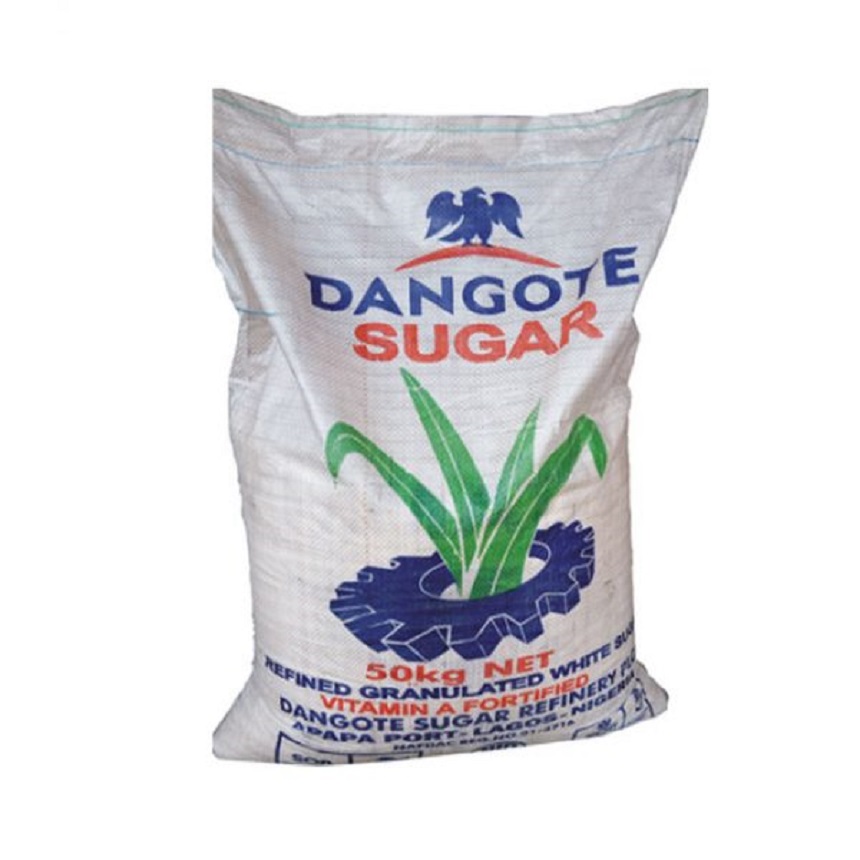
Dangote Sugar Lists Additional Shares on Stock Exchange

Published

on

Dangote Sugar

By Dipo Olowookere

Some additional shares of Dangote Sugar Refinery Plc have been listed on the floor of the Nigerian Stock Exchange (NSE), a circular has confirmed.

The stocks, 146,878,241 in number, were admitted on the trading platform of the exchange on Wednesday, September 30, 2020, the notice signed by the Head of Listings Regulation Department at the NSE, Mr Godstime Iwenekhai, stated.

This has now increased the total issued and fully paid-up shares of Dangote Sugar to 12,146,878,241 ordinary shares of 50 kobo each from 12,000,000,000 ordinary shares of 50 kobo each.

The fresh equities of the sugar milling company were from the merger it recently had with another sugar company, Savannah Sugar Company Limited.

“Dealing members are hereby notified that additional 146,878,241 ordinary shares of Dangote Sugar Plc were today, Wednesday, September 30, 2020, listed on the daily official list of the Nigerian Stock Exchange.

“The additional shares listed on the exchange arose from the scheme of merger between Dangote Sugar and Savannah Sugar Company Limited.

“With this listing of the additional 146,878,241 ordinary shares, the total issued and fully paid-up shares of Dangote Sugar has now increased from 12,000,000,000 to 12,146,878,241 ordinary shares of 50 kobo each,” the disclosure from Mr Iwenekhai said.

Business Post reports that in July 2020, shareholders of Dangote Sugar approved the acquisition of Savannah Sugar Company Limited at an Extraordinary General Meeting (EGM) held in Lagos.

At the meeting, Chairman of Dangote Sugar, Mr Aliko Dangote, said the merger will make the new entity to operate from the position of increased access to capital and then higher profitability.

He described the deal as fair and reasonable, expressing optimism that it would provide strategic opportunities and benefits for the company, employees and other stakeholders.

Shares of Dangote Sugar, which closed on Tuesday at N12.50 after gaining 20 kobo, was trading flat at the NSE as at press time.


Dipo Olowookere is a journalist based in Nigeria that has passion for reporting business news stories. At his leisure time, he watches football and supports 3SC of Ibadan. Mr Olowookere can be reached via [email protected]

Economy

NNPC, Heirs Energies to Monetize Flared Gas, Reduce Oilfield Flaring

Published

on

gas flaring nigeria

By Adedapo Adesanya

The Nigerian National Petroleum Company (NNPC) Limited and Heirs Energies have signed a deal to capture and use the gas flared at their onshore OML 17 joint venture in a bid to monetize the resource and reduce flaring.

The state oil company and Heirs Energies have signed the Gas Flare Commercialisation Agreements under the Nigerian Gas Flare Commercialisation Programme (NGFCP), a deal that will see both entities capture the gas flared across OML 17 and deploy it for use in power generation, industrial applications, liquefied petroleum gas (LPG), and compressed natural gas (CNG).

The agreements bring together Heirs Energies, as operator of the OML 17 Joint Venture, and approved flare gas offtakers – AUT Gas, Twems Energies, Gas & Power Infrastructure Development Limited (GPID), PCCD and Africa Gas & Transport Company Limited (AGTC) – under frameworks designed to eliminate routine flaring while converting previously wasted resources into economic value. The move is aligned with Nigeria’s gas development priorities and energy transition goals, Heirs Energies said in a statement.

Gas flaring has been a major issue at Nigeria’s oilfields where it is wasted instead of used for many industrial purposes, and holds back the country’s targets to reduce emissions.

Last year, World Bank data showed that Nigeria saw flaring volumes jump by 12 per cent, the second largest increase globally behind Iran.

Flaring at oil and gas facilities operated by the national oil company and several smaller companies, likely with limited expertise or funding for gas utilization, accounted for 60 per cent of Nigeria’s gas flaring and 75 per cent of the increase in 2024, the report found.

Commenting on the deal to monetize gas at OML 17, Heirs Energies CEO, Mr Osa Igiehon said that “Through disciplined investment, partnership with regulators and credible offtakers, and a clear execution focus, we are converting waste into value, strengthening domestic energy supply and supporting responsible operations across OML 17.”

On his part, the Chief Upstream Investment Officer of NNPC Upstream Investment Management Services (NUIMS), Mr Seyi Omotowa, representing NNPC Limited, described the milestone as a practical demonstration of Nigeria’s commitment to gas-based development.

“Flare gas commercialisation is not a compliance exercise; it is a strategic pathway to improving energy availability, deepening gas-based industrialisation and strengthening Nigeria’s position as a responsible energy producer. OML 17 has become a practical model of this vision, moving decisively from approval to delivery.”

He commended Heirs Energies for disciplined execution and investment, noting that the JV continues to set benchmarks for operational delivery and gas development within Nigeria’s upstream sector.

Continue Reading

Economy

Nigeria’s Daily Petrol Consumption Drops 6.8% to 52.9 million Litres

Published

on

petrol consumption

By Adedapo Adesanya

Data sourced from the latest Fact Sheet released by the Nigerian Midstream and Downstream Petroleum Regulatory Authority (NMDPRA) has revealed that daily petrol consumption in Nigeria dropped by 6.8 per cent to an average of 52.9 million litres in November 2025.

The November figure marked a decline from the 56.74 million litres per day recorded in October 2025.

Of the total petrol consumed last month, 19.5 million litres per day were supplied by local refineries, higher than the 17.08 million litres per day recorded a month earlier.

A major driver of this increase was the Dangote Refinery, supplying an average of 23.52 million litres per day, up from 18.03 million litres daily in the previous month.

The Fact Sheet showed that imports accounted for 52.1 million litres per day of total consumption, showing an increase from 27.6 million litres per day in October.

The NMDPRA described Dangote’s current output as a significant milestone in reducing Nigeria’s reliance on imported fuel.

In contrast, the NNPC-operated Port Harcourt, Warri, and Kaduna refineries recorded zero petrol output during the period, and all three facilities remained in various states of rehabilitation or shutdown.

According to the regulator, the surge in imports was triggered by low supply levels in September and October 2025, which fell short of national demand, the need to shore up national stock ahead of end-of-year peak consumption, NNPC’s importation efforts to rebuild inventory and ensure supply security, and delayed offloading of 12 vessels initially scheduled for October but discharged in November.

October 2025 recorded the highest consumption within the one-year review period, followed by November 2024 (56 million litres) and April 2025 (55.2 million litres), the report noted.

The data showed that Nigerians also consumed an average of 15.4 million litres/day of diesel daily in November, alongside 2.5 million litres/day of aviation fuel and 3,992 million litres/day of cooking gas.

Continue Reading

Economy

How to Choose Between Bitcoin, Ethereum, and Fiat for Online Bets?

Published

on

Ethereum

Online betting has changed with the rise of digital currencies, giving players new ways to manage deposits and payouts. Bitcoin and Ethereum stand out as the leading crypto options, while traditional fiat money remains a familiar choice. The best option depends on personal priorities: Bitcoin for simplicity and stability, Ethereum for flexibility and faster transactions, and fiat for convenience and predictability.

Each method serves a different purpose. Bitcoin offers a sense of security backed by years of adoption, Ethereum supports smart contracts that make transactions faster, and fiat money appeals to those who prefer standard banking systems. Choosing between them depends on individual comfort with technology, desired transaction speed, and tolerance for value changes.

Understanding these differences helps bettors make smarter, safer choices. Those who compare security, speed, and ease of access before placing bets can move forward with confidence. The next sections explain what sets these currencies apart and how to select the ideal one for any betting goal.

Key Differences Between Bitcoin, Ethereum, and Fiat Currency

Bitcoin and Ethereum work on decentralized networks, while fiat money depends on centralized control through banks and governments. They also differ in processing time, cost, and price behavior. These differences affect how players handle deposits, withdrawals, and bet sizing for online gambling platforms.

Control and Decentralization

Bitcoin and Ethereum both rely on decentralized blockchain systems. No government or single entity controls them, which means users manage their funds directly through digital wallets. This independence reduces the need for third-party approval, giving bettors faster access to their winnings.

Fiat currencies like the dollar or euro operate under national banking systems. Transactions run through intermediaries that can impose limits, fees, or delays. In contrast, decentralized assets allow players to move money freely across borders without such barriers.

Decentralization also influences transparency. Crypto transactions are recorded on public ledgers, allowing verification without revealing private identities. For users of a crypto casino with fiat payment options, this setup provides both modern digital flexibility and the familiar structure of government-backed cash.

Transaction Processing and Speed

Bitcoin processes an average of seven transactions per second, while Ethereum handles more through its advanced design. However, both face network congestion during heavy use, which can slow transaction times or increase fees. Ethereum aims to address this through upgrades that use proof-of-stake mechanisms to improve speed and efficiency.

Fiat transfers rely on centralized banking networks and payment processors. Bank wires or card payments may take hours or even days, especially across countries. Crypto transactions can be completed within minutes, making them appealing for users who prefer instant deposits or payouts on gaming sites.

The difference in transaction speed can determine convenience. A player who wants quick access to winnings may prefer digital currency. Someone who values predictability might choose fiat, even if it takes longer to process.

Price Stability and Volatility

Fiat currency prices remain relatively stable because central banks manage their value through regulation and monetary policy. This makes fiat suitable for users who prefer steady account balances, especially for budgeting gambling limits.

Bitcoin and Ethereum, on the other hand, experience price swings. Their value can shift within a day due to market trends, investor demand, or global events. Volatility creates both risk and opportunity, depending on how much the user can tolerate short-term changes.

Some players convert crypto profits to fiat quickly to avoid potential losses. Others keep their balance in digital form to benefit from possible gains. Each approach offers trade-offs, but understanding price behavior helps players manage both winnings and deposits effectively.

How to Choose the Best Payment Method for Your Online Bets

The best payment method for online betting depends on how much flexibility, privacy, and transaction speed a user needs. Each method, either crypto or fiat, offers specific strengths in cost, liquidity, and accessibility that matter for different betting profiles. Choosing well affects everything from deposit timing to withdrawal limits and exchange risks.

Use Cases and User Profiles

Each user approaches online betting differently, so the right payment method depends on individual goals and habits. Bitcoin attracts users who want privacy and independence from banks. It offers fast transfers and low fees for deposits and withdrawals. However, its price can change quickly, which might affect balance stability.

Ethereum suits bettors interested in decentralized finance (DeFi). Thanks to smart contracts and automated market makers (AMMs), users can link wallets to liquidity pools without intermediaries. This flexibility supports advanced users who trade in digital assets or hold altcoins. Still, higher network fees may discourage small deposits.

Fiat currencies, such as USD or EUR, appeal to users who prefer traditional regulation and consistent value. Bank transfers and debit cards often include buyer protection and wider acceptance. However, they can involve longer processing times or extra verification steps.

Platform Support and Liquidity

Payment compatibility varies by betting platform. Some sites readily support cryptocurrency markets, while others stay focused on fiat transfers. Bitcoin and Ethereum both offer strong global liquidity, which means users can fund or cash out faster in most regions. Many exchanges and wallets connect directly to betting sites for easier movement of funds.

Fiat still holds an advantage on platforms that link to local banks or prepaid systems. Users who deposit in fiat avoid exchange-rate concerns, though payout times may run slower. On crypto-focused sites, liquidity pools and AMMs supply quick access to BTC or ETH funds. This structure allows players to move assets between wallets and betting accounts with minimal friction.

Security also influences choice. Crypto wallets rely on private keys; fiat systems depend on card encryption and bank-level protection. Each user must balance convenience with personal control over funds.

Future Trends in Online Betting Payments

The payment landscape continues to evolve toward greater decentralization and cross-asset compatibility. Betting sites now explore integration with DeFi tools, letting users stake funds or trade within pools. Technologies built on Solana and similar blockchains promise faster confirmations and lower fees than older networks.

Interest in Bitcoin ETFs also affects bettors who prefer indirect exposure to crypto without holding coins directly. This trend could lead to more fiat-based betting platforms that interact with crypto markets behind the scenes.

Developers aim to connect traditional and blockchain systems so users can deposit in one currency and withdraw in another. Over time, a mix of stablecoins, fiat channels, and direct crypto access is likely to become standard, giving bettors more consistent control and faster financial movement across platforms.

Conclusion

Each payment type, either Bitcoin, Ethereum, or fiat, serves different needs in online betting. Bitcoin offers strong security and wide acceptance across many platforms. Its slower speeds and higher fees, however, can limit appeal for frequent or small wagers.

Ethereum provides faster transfers and supports smart contracts, which allow peer-to-peer bets without middlemen. This feature creates a more direct and transparent experience, but network congestion and fluctuating gas fees can still affect performance.

Fiat currency remains familiar and easy to use. It fits users who prefer traditional systems backed by banks and who value price stability over decentralization.

Therefore, players should match their payment choice with their goals. Those seeking trust and history may prefer Bitcoin, while speed and innovation point toward Ethereum. Conservative users who favor regulated systems might stay with fiat money.

Continue Reading

Trending