

Economy
How Does A Virtual Visa Card Work & How To Choose A Provider


If you have recently become curious about the idea of virtual visa cards, then there is a chance that you have a reason to not only learn about these but also start using them.
You might be running an e-commerce company and you might have realized that the benefits of using these virtual financial tools are large and that your business definitely needs them. Or, you might simply be curious about how all of this works without having any actual intentions of using the solution.
Well, whatever your case may be, I am sure that you could largely benefit from a credit card with virtual number, which just means that you might get quite interested in using these tools after learning about them, even if you don’t have any intentions of doing it right now.
The fact that you are here tells me that you are interested in these instruments and solutions, which is why I don’t buy the idea that you are just curious and that you have no intentions of actually using the tools. After all, you are showing interest and that immediately means that there are some intentions, no matter how deeply buried they might be right now.
I am not here, however, to dissect your mind and try to figure out why it is that you are interested in learning about these instruments because that is practically irrelevant to me. I would, however, urge you to think about those reasons and intentions you have all on your own because that might reveal a few things to you.
Most likely, it will reveal that you are subconsciously rather drawn to these cards and that you are aware of how beneficial it can be for you. As previously said, though, I’m not here to take wild guesses regarding that.
What I am here for is this. I will help you understand precisely how a virtual visa card works, which will lead you towards getting a completely clear picture of it all and thus decide if you want to use this option, or if you would like to continue ignoring it. It is especially important for digital company owners to read about these solutions because they are the ones who benefit the most from these virtual visa cards.
In any case, as I am quite sure that you will become even more interested in using these once you realize how they work, I will do one more important thing for you. In short, I will tell you a bit more about how you should go about choosing the right provider for you, because there are certainly various different companies out there ready to offer you their virtual cards, and you cannot just randomly pick out one of those. Well, yes you can, but that’s not quite wise. Anyway, let us take things one step at a time.
Here’s a comprehensive explanation of virtual cards: https://money.usnews.com/credit-cards/articles/virtual-credit-cards-explained

How It All Works
Since we will be taking things one step at a time, it is only logical for us to begin with the step of showing you how all of this actually works, since you cannot go any deeper into the topic if you still don’t know this. I know that it might all sound a bit confusing and puzzling in the beginning, especially if you have never had the chance to listen to anyone who knows their way around these virtual instruments, but here’s the thing. It is all actually pretty simple. You just need to go through the initial stage of confusion and do your learning, which is when you’ll realize the simplicity of it all.
So, a virtual visa card is basically a set of numbers that are generated completely randomly and that represent your visa or your bank account. While you can use these random numbers to complete online transactions, the good thing is that thieves cannot use them in order to breach your account and basically get your personal information and your money. The random numbers that you will use, for example, today to complete certain transactions will automatically get reset after the transactions have been done, which further makes it impossible for those thieves to steal your information.
The explanation above has probably helped you realize that these virtual options are much safer than the traditional ones that we are all used to. Well, that is precisely why businesses are increasingly turning towards using them in their daily online operations. That is also why I previously mentioned that digital company owners will largely benefit not only from learning about these cards but also from starting to use them. Read more about those benefits.
Given the popularity of these virtual options, there is talk that they will actually become a must for businesses in the future. Even if that does not happen to be the case, every single company owner who starts using them will swiftly become aware of their importance, because they provide better security, and security is the one thing that businesses should never lose sight of. So, it might be a wise idea for you to swiftly start transitioning towards this particular solution, as it can be much safer for your business.
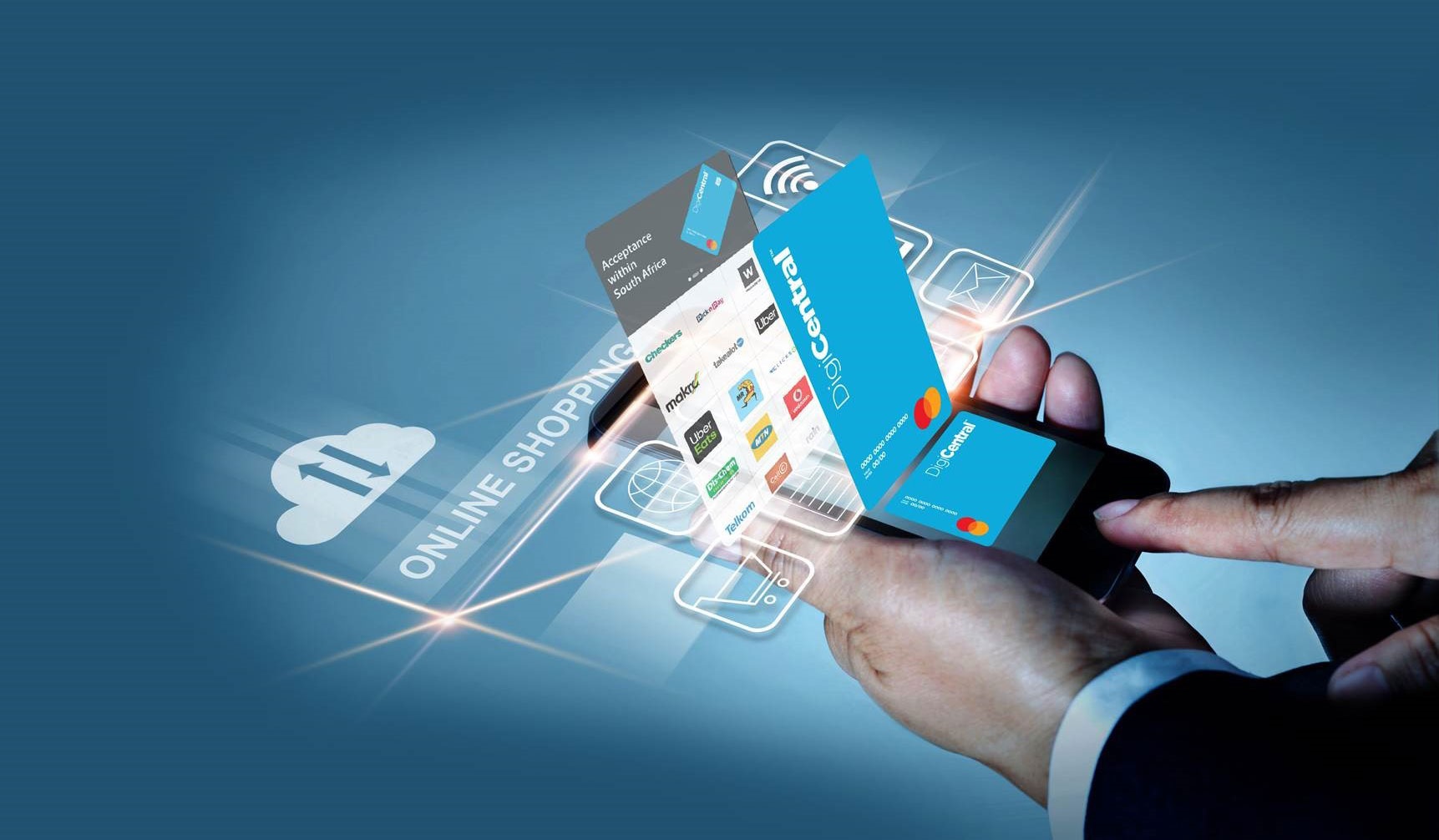
You probably have a better understanding of how all of this works right now, but there is a small chance that you need some further explanations, so let me provide those for you. Basically, this virtual visa card represents your specific account, but it is actually nothing but a set of random numbers and, of course, a CVV code that will be instantly generated for you. So, you can use it just like you would use your traditional card and there is no waiting period here. In other words, you can start completing transactions the moment you generate those numbers I’ve mentioned.
If you’re not sure how this functions money-wise, let me explain that as well. When you make a transaction with this virtual instrument, the actual cost will be routed back to your underlying account, i.e. the one that is linked to the random set of numbers that you’ve received, meaning that you’ll easily get charged for whatever it is that you have bought. After you’ve completed the purchasing process, the automatically generated number will just as automatically expire, which brings us back to the fact that those numbers are practically useless to potential thieves that might try to steal your information and your money.
Since these cards are not made from plastic given that they are, well, virtual, you can only use them for online transactions. So, if you were planning on giving these random numbers to brick and mortar stores when doing your shopping, you should know that this is impossible. Those stores aren’t equipped to accept virtual cards, but the Internet very well is, meaning that you can easily use them to make online purchases from any suppliers and merchants that accept visa cards in general. Given that we’re all shifting to online shopping in general, I’d say this is enough.

How To Choose A Provider
Now that you comprehend what virtual cards can do for your business, you are most likely interested in starting to use them. In order to do that, though, you will need to find the perfect provider that will offer you these specific services. Once you begin your online research, because you’ll definitely use the Internet to search for these providers, you will probably get surprised by the number of companies that operate in this line of work. So, the fact that there are so many different providers out there will just make your decision on which one to work with much more difficult.
I get the fact that you might be overwhelmed with all the different options and the choice you have to make, but here’s what you should know. As long as you put some effort into it, you will, without a doubt, manage to make the best possible choice and start working with the perfect provider of these virtual visa cards. Of course, you need to know what it is that you should keep in mind while doing the research and while putting the effort into making this choice, and that’s what I’ll help you out with.
First of all, you should always check the experience of these firms, because the idea of working with amateurs who are just starting out on the market is probably not appealing to you. I am not saying that you should never give new companies a chance, but you would need to be absolutely sure that the new company is legit and capable of providing you with the best services if you decided to give it a chance. This is why going for those more experienced firms is actually a better move because it provides you with a sense of security right away.
There is one thing, however, that is much more important than experience and that you should never take for granted. All of these providers will have built a certain reputation over time and that reputation will be the result of the way they have operated in the market, i.e. of their success or their lack of success. You can check their success and their reputation by learning what other clients have to say about their specific services, meaning that you should read some online reviews before making a choice. Of course, apart from all of this, you should also check the fees offered by these providers, so as to be sure that you are making the smartest choice.


