
Economy
IPMAN Rejects Fuel Imports as Dangote Refinery Denies Supply Disruption Claims

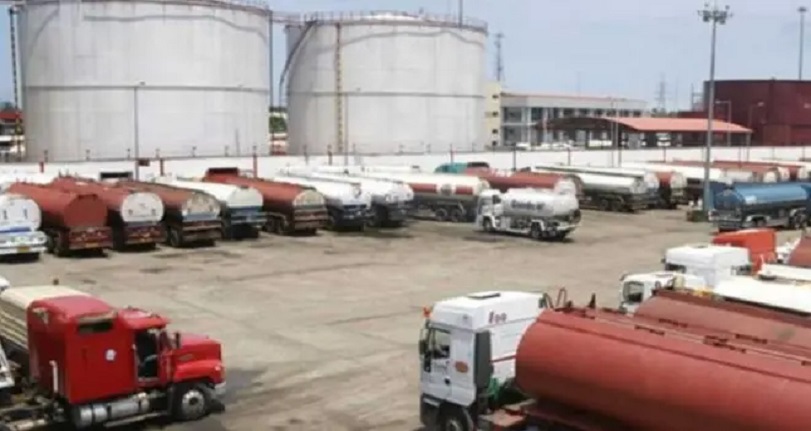
The Independent Petroleum Marketers Association of Nigeria (IPMAN) has voiced strong opposition to the continued importation of Premium Motor Spirit (PMS) into the country. The association also distanced itself from reports suggesting that the surge in petrol imports in November 2025 was linked to a breakdown in supply arrangements between Dangote Refinery and petroleum marketers, describing such claims as inaccurate and misleading.
According to IPMAN, the report does not reflect the reality experienced by its members. The association emphasised that the commencement of supply from Dangote Refinery has significantly improved product availability nationwide.
Speaking on the issue, IPMAN National President, Abubakar Maigandi Shettima, stated:
“Our members fully support Dangote Refinery. Since supply began, marketers have consistently lifted products without any complaints. We oppose continued importation because Dangote Refinery has the capacity to meet the country’s entire PMS demand.”
Shettima further noted that members are satisfied with the reliability of supply and welcomed the refinery’s commitment to direct delivery to filling stations—a move he described as critical to stabilizing distribution and benefiting consumers. He stressed that improved access to locally refined products has eased supply pressures and boosted confidence among independent marketers, reaffirming IPMAN’s commitment to domestic refining as a sustainable solution for Nigeria’s downstream petroleum sector.
Similarly, Dangote Petroleum Refinery dismissed the media reports as baseless and inaccurate. In its statement, the refinery clarified that no supply agreement with marketers had collapsed, adding that its engagement with the downstream market was deliberately structured to meet rising demand and enhance access, competition, and efficiency.
The refinery disclosed that supply under the marketers’ arrangement began in October 2025 with an agreed offtake volume of 600 million litres of PMS. This was later increased to 900 million litres in November and further expanded to 1.5 billion litres in December.
“In line with market growth and absorption capacity, volumes were scaled up accordingly. Subsequently, and in line with downstream market liberalisation, we opened PMS supply to all qualified marketers, bulk consumers, and filling station operators,” the statement signed by Group Chief Branding and Communications Officer, Anthony Chiejina, read.
Since December 16, 2025, Dangote Refinery has consistently loaded between 31 million and 48 million litres of PMS daily from its gantry, subject to market demand. These figures, the refinery noted, are verifiable against depot and loading records maintained under routine regulatory oversight.
To broaden participation and improve distribution efficiency, the refinery introduced several measures, including reducing minimum purchase volumes from two million litres to 250,000 litres and offering a 10-day credit facility backed by bank guarantees. These initiatives aim to enhance liquidity, support small and medium-sized operators, and reduce reliance on imported fuel.
The refinery added that this expanded access framework has driven higher utilisation of locally refined PMS and contributed to more competitive retail pricing, with domestic products priced significantly lower than imported alternatives. It also dismissed claims that marketers withdrew due to pricing concerns, affirming that its ex-gantry prices remain competitive, market-responsive, and aligned with import parity indicators while meeting all regulatory and quality standards.
Addressing the surge in petrol imports recorded in November, Dangote Refinery explained that the increase coincided with import licensing decisions approved by the former leadership of the Nigerian Midstream and Downstream Petroleum Regulatory Authority (NMDPRA), which sanctioned volumes beyond prevailing domestic demand. The refinery stressed that this development was unrelated to its operational capacity or supply commitments.
Dangote Refinery reaffirmed its commitment to reliable supply, transparency, and the orderly development of a competitive downstream petroleum market. It pledged continued collaboration with regulators and industry stakeholders to support Nigeria’s domestic refining, conserve foreign exchange, moderate prices, and strengthen long-term energy security.







By Adedapo Adesanya
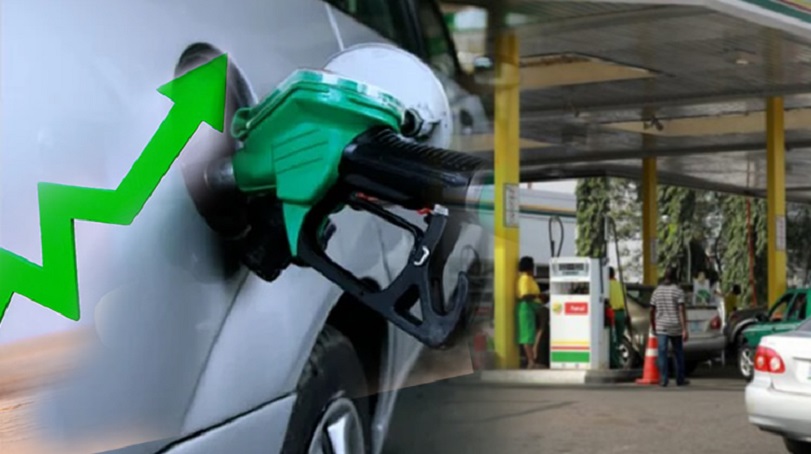
The Nigerian Midstream and Downstream Petroleum Regulatory Authority (NMDPRA) has granted import permits for Premium Motor Spirit (PMS) or petrol to six depot owners and petroleum marketers.
This step comes as the federal government moved to ensure stability and balance in the country’s downstream fuel sector after it was widely reported that the country suspended the issuance of petrol import licenses for a second straight month
The regulator recently issued these permits to six importers, with each authorised to import approximately 30,000 metric tonnes of the fuel into the country to help cushion against the effects of escalating conflict in the Middle East.
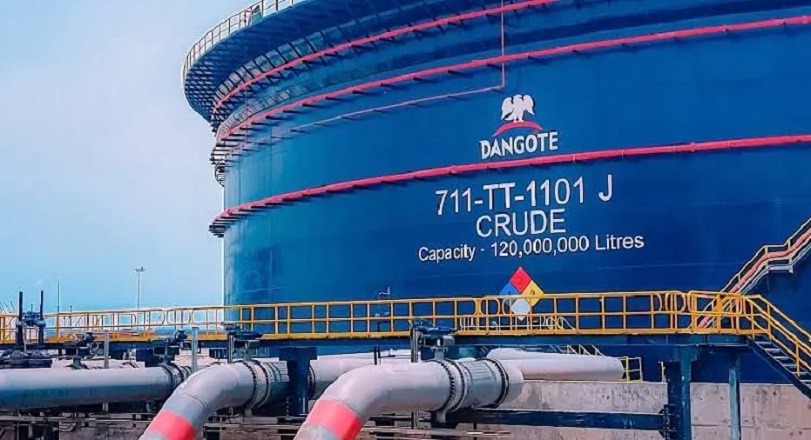
This development also occurs against the backdrop of ongoing discussions about supply concentration, with recent data showing that the Dangote Petroleum Refinery supplied roughly 92 per cent of Nigeria’s petrol in February.
At present, the Dangote refinery is the sole facility in Nigeria producing petrol, while most modular refineries primarily focus on diesel output.
The Crude Oil Refineries Association of Nigeria (CORAN) also confirmed that none have been issued so far in March, signalling a shift towards prioritising local output. However, this has since changed, spurred by the latest development.
Industry statistics show that local refining provided an average of about 36.5 million litres per day that month, with imports adding roughly 3 million litres daily, resulting in a total supply of around 39.5 million litres per day.
According to reports, until recently, no petrol import permits had been issued under the current NMDPRA leadership, suggesting that the new approvals signal a deliberate policy shift to preserve supply diversity and adaptability as the domestic market continues to develop.
Nigeria’s average daily petrol consumption fell to 56.9 million litres per day in February 2026, down from 60.2 million litres in January.
In February, the Dangote Refinery supplied 36.5 million litres of petrol and 8 million litres of diesel to the local market, leaving a daily deficit of 20 million litres that was covered by previously imported stock.
According to NMDPRA, these volumes were sufficient, leading to its earlier decision to withhold import licenses.
By Adedapo Adesanya
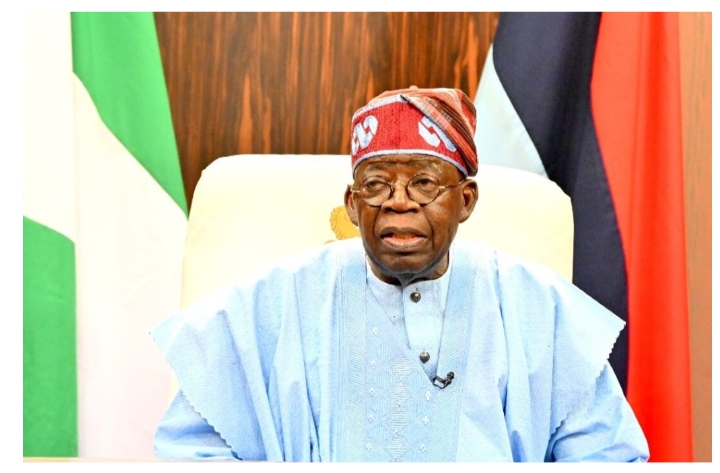
The Centre for the Promotion of Private Enterprise (CPPE) and the Lagos Chamber of Commerce and Industry (LCCI) have called for trade expansion ahead of President Bola Tinubu’s state visit to the United Kingdom.
In separate communications, the organisations urged President Tinubu to deepen economic ties as he visits the UK on the invitation of the King of England, King Charles III. His state visit to the UK next week will mark Nigeria’s first such visit to the UK in 37 years, when Military President Ibrahim Babangida was head of state.
The chief executive of CPPE, Mr Muda Yusuf, said the planned visit by Mr Tinubu to the UK is significant on multiple fronts.
“At a time of shifting global alliances and economic realignments, the visit presents both opportunity and responsibility.
“It is expected that leading Nigerian business figures will accompany the President, creating a platform for expanding trade flows, deepening investment partnerships, promoting Nigeria as a destination for capital, and strengthening financial-sector linkages.
“The UK remains a major source of portfolio flows, development finance, and private-sector investment into Nigeria. Structured engagements during the visit could unlock opportunities in infrastructure, energy, financial services, technology, manufacturing, and agribusiness,” Mr Yusuf stated.
On her part, the Director General of the LCCI, Mrs Chinyere Almona, noted that the visit represents a historic opportunity to recalibrate Nigeria–UK relations from traditional diplomacy to focused economic diplomacy.
“At a time when Nigeria is implementing bold macroeconomic reforms, this visit should be leveraged to secure concrete commitments on trade expansion, long-term investment, and cooperation on the business environment.
“From the perspective of the Lagos Chamber of Commerce and Industry, the overriding objective should be to translate goodwill into measurable economic outcomes that strengthen Nigeria’s productive base and export capacity,” she said.
According to her, recent data underscore the strategic importance of the UK to Nigeria’s economy, noting that in Q3 2025, Nigeria recorded capital importation of approximately US$6.01 billion, representing a significant year-on-year surge.
“Notably, the United Kingdom emerged as Nigeria’s largest source of capital inflows, accounting for about US$2.94 billion, or nearly half of total inflows during the quarter. These inflows were driven predominantly by portfolio investment, particularly into the financial and banking sectors, reflecting renewed foreign investor confidence following Nigeria’s macroeconomic adjustments.
“On the trade front, total trade in goods and services between Nigeria and the UK stood at approximately £8 billion in the 12 months to mid-2025,” she said.
She said, however, that the relationship remains structurally imbalanced, with UK exports to Nigeria significantly exceeding Nigeria’s exports to the UK.
“Ultimately, the economic agenda of this state visit should be guided by Nigeria’s most pressing challenges: export diversification, inflation-induced cost pressures, infrastructure deficits, and the need for stable long-term capital,” Mrs Almona said in an interview with Nairametrics.

By Dipo Olowookere
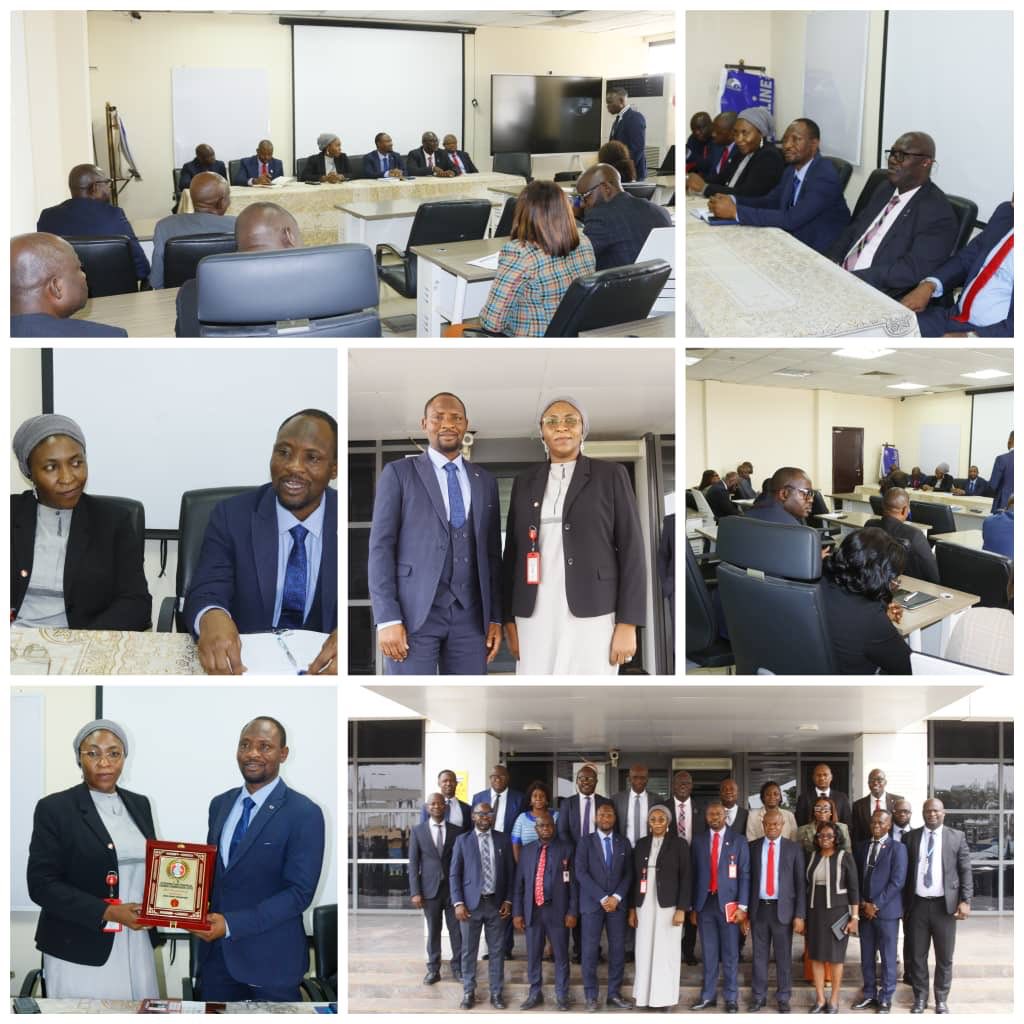
The Economic and Financial Crimes Commission (EFCC) has frowned on the use of foreign currencies for financial transactions in Nigeria, saying this could disrupt the nation’s stability.
The acting Zonal Director of the agency in Ilorin, Mrs Victoria Ugo-Ali, informed the Central Bank of Nigeria (CBN) that the EFCC chairman, Mr Ola Olukoyede, is determined to curb the increasing preference for foreign currencies in domestic transactions, describing the practice “as a serious threat to the stability of the nation’s financial system.”
Speaking during a courtesy visit to the Branch Controller of the Ilorin Branch of the central bank, Mr Monga Muhammed, on Tuesday, Mrs Ugo-Ali noted that “many economic and financial crimes are perpetrated through financial institutions,” stressing the importance of timely intelligence and reports on suspicious transactions.
She called on the apex bank to continue providing the commission with relevant financial intelligence that would aid investigations and help curb money laundering and other financial crimes.
She also reiterated that the growing preference for foreign currencies in local transactions undermines the value of the naira and weakens public confidence in the national currency.
In his response, Mr Muhammed commended the Zonal Director and the management team of the EFCC for the visit, promising to sustain and deepen the already cordial relationship between the two organisations.
He described the engagement as the first of its kind and expressed optimism that it would further strengthen the cooperation between both institutions.
“At our end here, we will continue to partner with you because we carry out complementary functions. While your duty is to tackle economic and financial crimes, our responsibility, primarily as the apex bank, is to stabilise the economy and regulate financial institutions. We will not fail in that regard,” he said.
The CBN Branch Controller further disclosed that the apex bank had put several measures in place to address naira abuse and the dollarisation of the economy.
According to him, the CBN has the capacity to track currency in circulation and would not hesitate to apply appropriate sanctions against individuals or organisations found trading illegally in the nation’s currency.










-
 Feature/OPED6 years ago
Davos was Different this year
-
Travel/Tourism10 years ago
Lagos Seals Western Lodge Hotel In Ikorodu
-

 Showbiz3 years ago
Estranged Lover Releases Videos of Empress Njamah Bathing
-
 Banking8 years ago
Sort Codes of GTBank Branches in Nigeria
-

 Economy3 years ago
Subsidy Removal: CNG at N130 Per Litre Cheaper Than Petrol—IPMAN
-

 Banking3 years ago
Sort Codes of UBA Branches in Nigeria
-

 Banking3 years ago
First Bank Announces Planned Downtime
-

 Sports3 years ago
Highest Paid Nigerian Footballer – How Much Do Nigerian Footballers Earn