
Economy
Nipco Targets More Investment in Downstream Sector

By Adedapo Adesanya
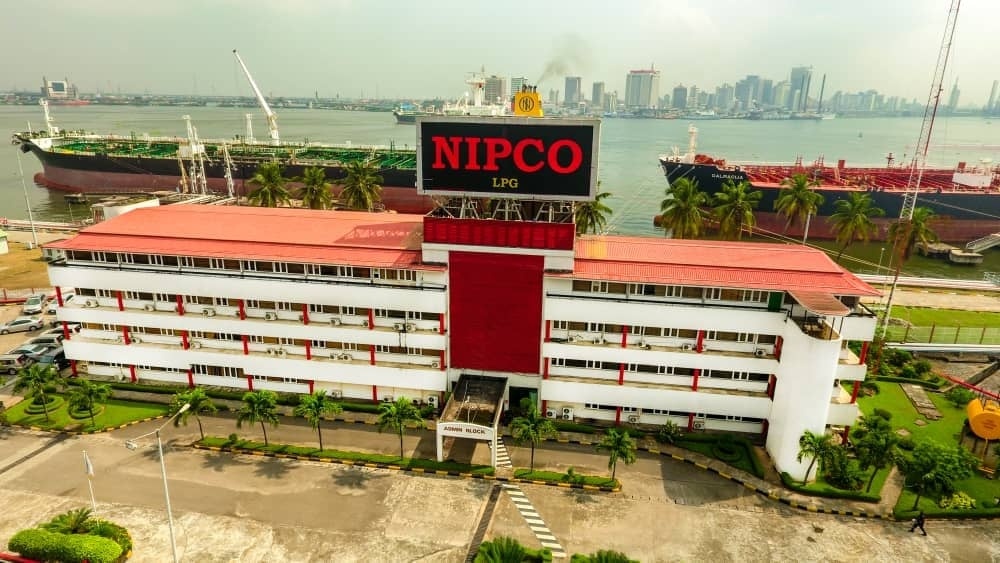
The Nigerian Independent Petroleum Company (Nipco) Plc has promised to deepen its investment in the country’s hydrocarbon industry in the face of the recent full deregulation of the downstream sector.
This was disclosed by the manager of the oil and gas company, Mr Suresh Kumar, at the 19th Annual General Meeting (AGM) recently held in Abuja.
He noted that the investment was necessary as a further attestation of the resilience of the Nigerian economy.
A statement by the General Manager of the Media Communications Department, Mr Taofeek Lawal, said the company was prepared to utilise the deregulation of the downstream sector and grow through the combined efforts of the human and material resources.
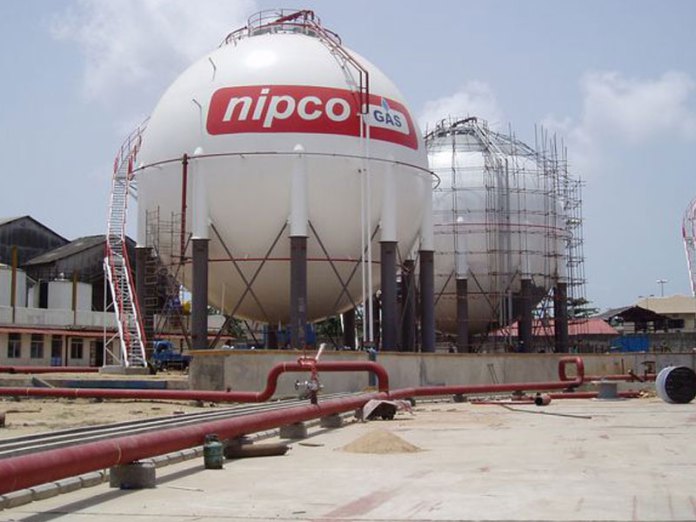
“We have all expertise and structure in place to expand the infrastructure in natural gas consumption, which we foresee as the future of the energy market in Nigeria.
“We intend to consolidate our position in the industry and strive for a greater market share in the petroleum products marketing stream.
“The effective harnessing of our human capital will be pursued to give fillip to your company’s commitment to always providing top-notch customer service experience,” Mr Kumar explained.
“The company will continue to appraise its operations for more diligent service delivery to its stakeholders as part of consolidating the successes achieved in the last three years of the current executive management.” Mr Kumar added.
He also mentioned that the company will improve in all areas of its operations to ensure that concerted efforts are made toward achieving the vision of the promoters of the organisation.
Mr Kumar also said the human capital element of the company would continue to drive management’s positive attention in the face of economic challenges that were fast affecting the standard of living nationwide.
“My management team, with the kind support of the Board, will continually improve the lots of the workforce, which in turn, we are sure will impact favourably on productivity.
“Since 2020, upon my assumption of office with my executive management team, I have observed with delight the unwavering commitment of the workforce to sustaining the lofty heights of the company.
“We shall continue to be proactive in the face of global economic challenges to reduce the effect on the workforce.
“The harmonious relationship existing in the company has not only been exemplary but a reliable platform for team building to take the organisations to the next level.
“The employee’s ingenuity and stern commitment to exceptional service delivery have made your company one of the key players in the nation’s downstream sector.
“Our employees continued to see more value in rendering stellar services in line with international best practices,” he added.
He hinted that numerous initiatives to offer support in several fields were being actualised to assist the company’s host communities, adding that the company would continue to have some form of leverage in its overall operating environment as a socially responsible organisation.
Mr Kumar, who lamented the operating challenges in the global economic environment last year, told the shareholders that Nipco Plc withered the storm with a modest performance that had contributed to guaranteeing a good return on their investment.



By Aduragbemi Omiyale
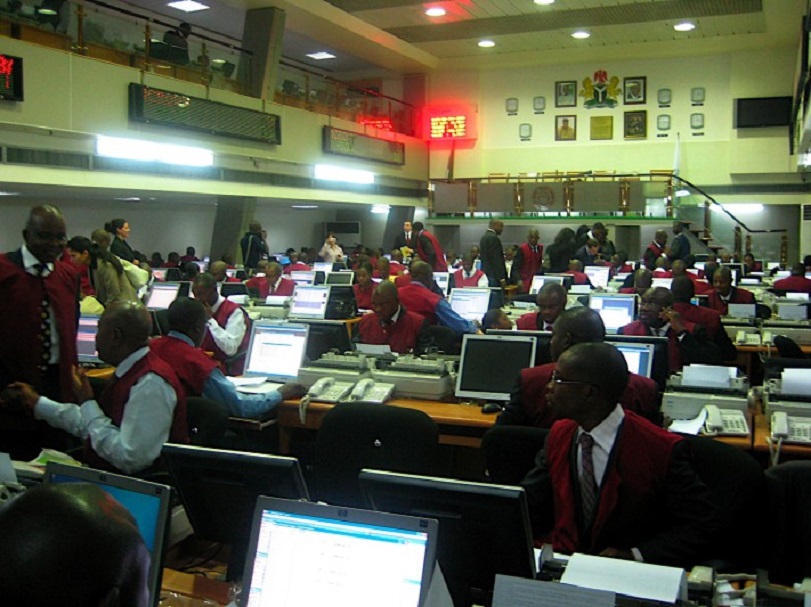
The federal government, through the Minister of Women Affairs and Social Development, is working together with the Nigerian Exchange (NGX) Group Plc to deepen the participation of women in capital markets.
The Minister of Women Affairs and Social Development, Ms Imaan Sulaiman-Ibrahim, underscored the urgency of inclusion in achieving national economic ambitions.
“The capital market reflects our collective choices, who participates, who has access, and who benefits. Women remain underrepresented in formal finance despite their critical role in Nigeria’s productivity.
“Through strategic partnerships and targeted interventions, we are working to change this narrative and expand opportunities for women across the economy.
“Achieving a one-trillion-dollar economy requires the full participation of Nigerian women,” she said at the closing gong ceremony at the NGX on Tuesday in Lagos.
She said the government was ready to partner with capital market stakeholders to expand financial access and unlock opportunities for women across the country.
Welcoming the Minister, the chairman of NGX Group, Mr Umaru Kwairanga, commended the Ministry’s leadership in promoting women’s development and economic participation.
“Women are central to Nigeria’s economic progress. As we work towards a more inclusive and resilient economy, the capital market remains a vital platform for expanding access to finance, supporting women-led enterprises, and enabling broader participation in wealth creation.
“NGX Group remains committed to partnering with the Ministry to drive sustainable impact and empower the next generation of women leaders,” he stated.
Also speaking, the Director General of the Securities and Exchange Commission (SEC), Mr Emomotimi Agama, emphasised the importance of deliberate inclusion.
“Behind every successful market are women. For Nigeria’s capital market to reach its full potential, we must be intentional about empowering women as active participants.
“Current participation levels do not yet reflect our population or potential. Collaborations like this send a strong call to action for more women across Nigeria to engage with the market and contribute to national growth,” the SEC chief stated.
On his part, the chief executive of NGX Group, Mr Temi Popoola, said, “At NGX Group, we are building a dynamic and inclusive market ecosystem that expands access to investment opportunities and supports diverse participants. Through partnerships such as this, we are unlocking new pathways for women to participate as investors, entrepreneurs, and wealth creators.”
By Adedapo Adesanya
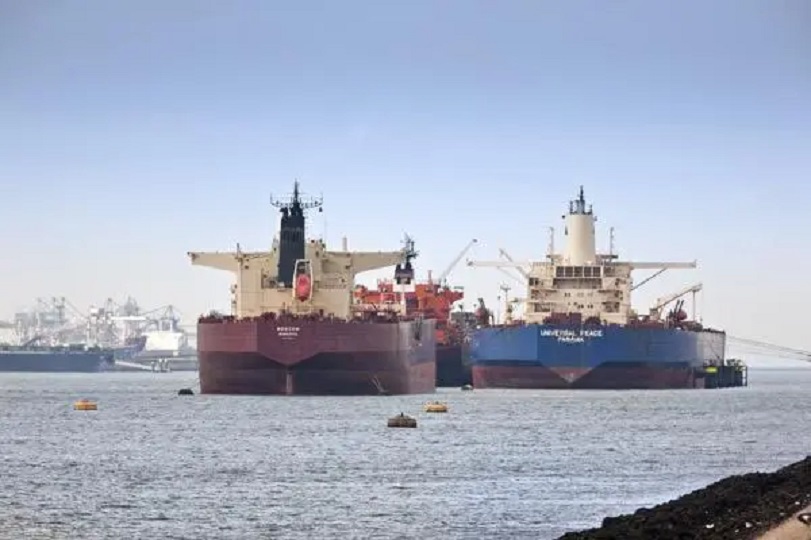
The Minister of State for Petroleum Resources (Oil), Mr Heineken Lokpobiri, has acknowledged that the country still depends on imported petroleum products as domestic refining cannot fully meet local demand.
Speaking on the state of the downstream sector at the CERAWeek by S&P Global Conference in Houston, Texas, Mr Lokpobiri acknowledged that while local refining capacity has improved significantly, it remains insufficient to fully cover national consumption.
The Minister noted that Nigeria was making measurable progress, with domestic refining contributing a growing share of supply, but added that imports remain a critical component of the country’s fuel supply mix for now.
“We are not yet at a point where local production alone can satisfy total consumption,” he said, underscoring the need to sustain imports while capacity continues to build.
The Minister emphasised that Nigeria’s daily fuel consumption stands at about 50 million litres, while domestic refining output remains below that level, making imports necessary to bridge the shortfall and ensure supply stability.
Data from the Nigerian Midstream and Downstream Petroleum Regulatory Authority (NMDPRA) aligns with this position, showing that although local refining volumes have risen in recent months, they are not yet sufficient to fully meet national demand.
Dangote refinery had earlier this year said it can supply 75 million litres of Premium Motor Spirit (PMS) daily against an estimated national consumption of 50 million litres, alongside 25 million litres of Automotive Gas Oil (AGO) compared with an estimated daily demand of 14 million litres.
It also stated that it has the capacity to supply 20 million litres of aviation fuel daily, far above the estimated maximum domestic consumption of four million litres.
According to the refinery, the availability of volumes above prevailing demand provides critical supply buffers, enhances market stability and reduces reliance on imports, particularly during periods of peak demand or logistical disruption.
The minister highlighted what he described as a fundamental shift in Nigeria’s petroleum sector following recent reforms.
He noted that Nigeria has moved away from a subsidy-driven regime that, for years, placed a heavy fiscal burden on the country and distorted the downstream market.
According to him, the removal of subsidies has not only eased pressure on government finances but also curtailed widespread fuel smuggling and arbitrage that previously thrived under price differentials.
Mr Lokpobiri said the deregulation of the downstream sector is beginning to deliver results, with a more transparent and competitive market structure emerging. This, he added, is helping to restore investor confidence and attract new investments into refining and related infrastructure.
The minister also pointed to ongoing efforts to rehabilitate existing refineries and support new refining projects, noting that these initiatives are critical to closing the gap between production and consumption.
He emphasised that while Nigeria is making steady progress toward boosting domestic refining capacity, noting that the transition will take time to sustain investment and policy consistency.
At the same time, Mr Lokpobiri underscored Nigeria’s ambition to evolve beyond meeting local demand to becoming a supplier of refined petroleum products within the West African region.
However, he maintained that achieving that goal depends first on significantly expanding domestic capacity.
By Adedapo Adesanya
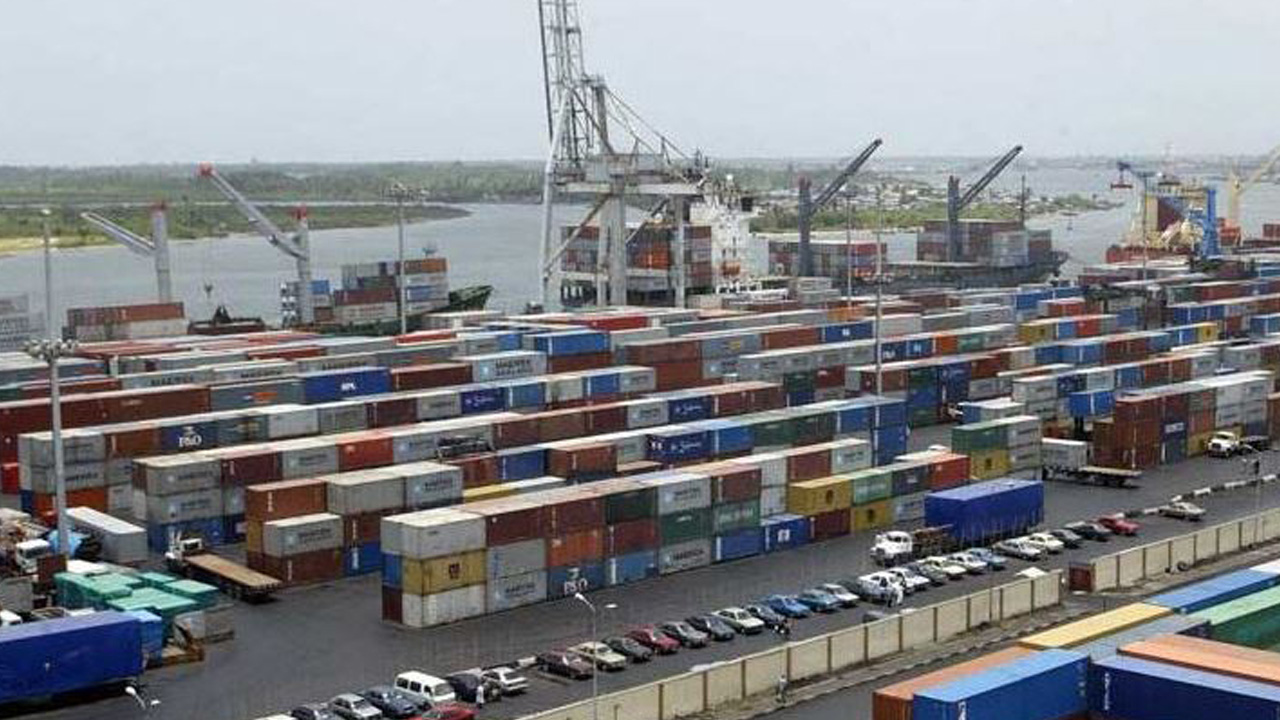
Nigeria is targeting cutting port delays, reducing costs, and improving efficiency in import and export processes with the National Single Window (NSW), a major digital trade reform.
The reform initiative is designed to address cargo dwell time, eliminate multiple agency visits and process duplication, and reduce human interference and operational bottlenecks.
The Minister of Finance and Coordinating Minister of the Economy, Mr Wale Edun, speaking in Lagos, explained that the initiative, alongside the upgrade of Apapa and Tin Can Island ports, represents a turning point in Nigeria’s trade and economic trajectory.
Mr Edun said that as of 2025, cargo dwell time at Nigerian ports averages between 18 and 21 days, about 475 per cent higher than the global average of four days, resulting in high costs of doing business, delays for importers and exporters, and reduced competitiveness of Nigerian goods.
According to him, the NSW and port modernisation are part of a broader economic strategy under the leadership of President Bola Ahmed Tinubu to strengthen macroeconomic stability, improve the ease of doing business, attract and scale investment, and achieve a 7 per cent medium-term economic growth target.
He added that the reforms demonstrate a coordinated, system-wide approach to economic transformation.
“Phase 1 of the NSW directly targets the 73 per cent transaction delay component by introducing a single digital platform for trade documentation, eliminating multiple agency visits and duplicative processes, and enabling electronic submission of Licences, Permits, and Certificates (LPCOs), digital manifest processing, centralised risk management across agencies, transparent electronic payments, faster document processing, reduced human interface and bottlenecks, and more predictable and transparent timelines,” he said.
He added that the launch of Phase 1 of the NSW coincides with last week’s deal to upgrade Apapa Port (built in 1913) and Tin Can Island Port (built in 1977), describing both as coordinated reforms designed to cut cargo dwell time, reduce trade costs, and unlock economic growth.
According to the Minister of Trade and Investment, Mrs Jumoke Oduwole, the platform is scheduled to go live on Friday and will include one shipping line and one port.
“These are the kinds of game changers in terms of trade facilitation that we need,” Oduwole said, adding that it is a priority project for an economy of Nigeria’s size that is working to emphasise trading.
Mrs Oduwole said streamlining imports and exports at the ports could have a “multiplier effect” in terms of balance of trade and foreign exchange generation.








-
 Feature/OPED6 years ago
Davos was Different this year
-
Travel/Tourism10 years ago
Lagos Seals Western Lodge Hotel In Ikorodu
-

 Showbiz3 years ago
Estranged Lover Releases Videos of Empress Njamah Bathing
-
 Banking8 years ago
Sort Codes of GTBank Branches in Nigeria
-

 Economy3 years ago
Subsidy Removal: CNG at N130 Per Litre Cheaper Than Petrol—IPMAN
-

 Banking3 years ago
Sort Codes of UBA Branches in Nigeria
-

 Banking3 years ago
First Bank Announces Planned Downtime
-

 Sports3 years ago
Highest Paid Nigerian Footballer – How Much Do Nigerian Footballers Earn