
Economy
Outlook for Africa’s Oil & Gas Sector Positive—Report

By Dipo Olowookere
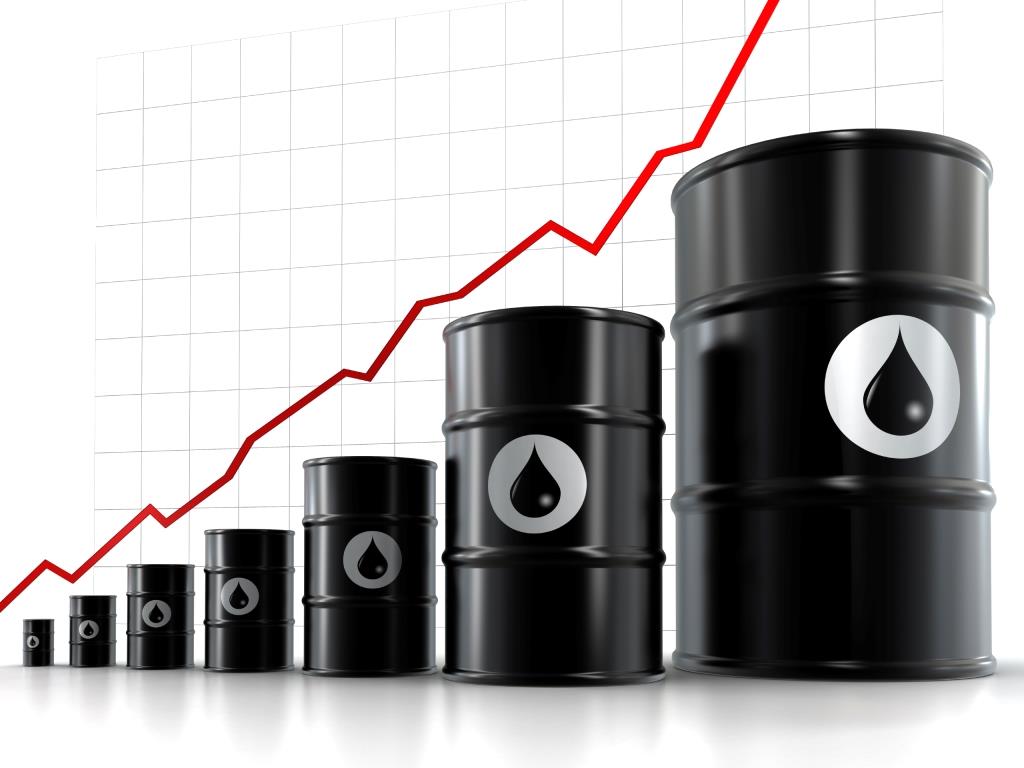
A new report by PwC has disclosed that the outlook for Africa’s oil & gas industry remains positive amid difficult operating and economic headwinds.
Tough economic and external conditions have placed pressure on oil & gas companies to be more cost-effective and efficient. As a result, companies have adopted to a low-cost environment, which promises to be even more beneficial given the current recovering oil price.
In the PwC’s annual Africa Oil & Gas Review released at the 25th Africa Oil Week conference, 2018 held in Cape Town, PwC Africa Oil & Gas Advisory Leader, Mr Chris Bredenhann, said, “Africa’s oil & gas companies have weathered the downturns and capitalised on the upswings focusing their efforts on new ways of working, reducing costs and utilising new technology.”
Companies have taken to restructuring their portfolios with a focus on established regions, less exploration, higher value plays with low break-even-cost, and projects with shorter lead times and lower risk. The industry has also renewed its focus on delivering projects on-time and on-budget.
As the oil price is steadily rising towards pre-collapse levels, the outlook for the industry is hopeful. “It is, however, important for companies to avoid falling into the cost inflation trap that could eat into the profitability gains that should follow from the rising oil price. Keeping up capital discipline and further improving productivity will yield sustained results for the industry,” Bredenhann adds.
Despite positive developments, the oil & gas industry still faces numerous and persistent challenges around talent shortages, regulatory uncertainty, political instability, corruption and fraud, and a lack of infrastructure.
Notwithstanding the challenges, Africa does offer plenty of opportunities in the form of unexplored hydrocarbon demand fuelled by population growth, urbanisation and the emergence of a growing middle class.
PwC’s Africa Oil & Gas Review, 2018 analyses what has happened in the last 12 months in the oil & gas industry within the major and emerging markets. This edition focuses on the expert opinions of a panel of industry players from across the value chain who share their views of oil & gas in Africa.
At the end of 2017, Africa is reported to have 487.8 tcf of proven gas reserves, 7.1% of global proven reserves, only marginal changes to the prior year. Africa’s share of global oil production has slightly increased by 0. 3% since last year to 8.7% standing at 8.1 million bbl/d. The main contributors continue to be Nigeria, Angola, Algeria and Egypt. Libya also increased its production by 102.9% in 2017, placing it as the fourth-largest oil producer in Africa with an 11% share moving Egypt into fifth position.
Regulatory developments in Africa
Regulatory uncertainty continues to be a major barrier to the development of the oil & gas industry in Africa. Overall, there are some positive developments that demonstrate that governments are reacting to the new environment. Despite some notable improvements around regulation, there is still a high level of uncertainty in a number of jurisdictions, the report said.
In South Africa, the proposed Amendment Bill to the Mineral and Petroleum Resources Development Act (MPRDA) may be withdrawn, and there are plans to split oil & gas from mining formulating separate legislation, it added.
Growth and development
The report stated that the outlook for the oil & gas industry is looking more optimistic with the Brent oil price having broken through the $80 mark at the time of compiling our report. Although there has been a significant increase in the number and size of final investment decisions (FIDs) in 2018, the industry is not what it was. New finds are much smaller and leaner than they were in prior years. Deepwater oil has been given preference over gas, and oil fields offering the highest rates of return are attracting investment. There is also a preference for brownfield over greenfield developments.
The current oil price recovery reflects a tight supply and demand balance, as well as an indication that we are heading towards a potential global supply crunch in the early 2020s. Exploration spend in Africa and globally is starting to pick up as well. It is safe to assume that this trend will continue if the current higher price environment is sustained.
Digital disruption in Africa
There have been a number of developments in digital transformation in the oil & gas industry, not only globally, but also in Africa. A number of new technologies have been deployed by the industry across the value chain. Some examples include: the use of drones to inspect remote facilities thereby reducing safety and health risks; the use of robots to undertake monitoring and safety checks, which also reduces the safety risks for human operators; and the use of virtual reality to simulate the drilling of wells remarkably reducing drilling costs. Digital disruption is here to stay, and African companies must embrace this to reap the rewards.
Looking to the future
Africa is the world’s fastest economic region with a growing population that is becoming more urbanised. According to PwC’s Strategy& estimates, Africa’s total energy demand is forecast to increase by 60% to 28 000 trillion btu by 2030.
Based on different potential trajectories for economic development, energy access policy and climate mitigation strategies, researchers have put forward various alternative scenarios for energy production and consumption on the continent in the years ahead.
Hydrocarbons are expected to continue to play a major role in the energy mix that will satisfy Africa’s growing energy needs. Major gas resources on the continent including Mozambique, Nigeria, Angola, Tanzania, Senegal and Mauritania, could augment the key position of gas as an energy source for Africans. In the low-carbon context, gas also plays the role of a transition fuel before a wider switch to renewables, a development which is likely to take longer in Africa than on other continents.
The increase in population and the demand for freight transport will also see an increased demand for liquid fuels. Many African countries are ‘thinking refineries’ at various scales. Countries that are considering new refineries or upgrades include Angola, Equatorial Guinea, Uganda, Nigeria, Republic of Congo, Ghana, São Tomé & Príncipe, and Zambia. Given projected population growth and refined fuels consumption, an estimated additional 3.4 bbl/d of refined fuels will be needed to meet Africa’s needs by 2030.
The role of National Oil Companies (NOCs)
The role that NOCs play as operators and custodians of the orderly development of the hydrocarbon industry in their respective countries cannot be underestimated. Almost 30 of Africa’s NOCs are involved at various points of the value chain and at different levels of maturity.
The PwC analysis delves deeper into the NOC landscape to provide a perspective on the future that NOCs could face.
“We have identified four potential scenarios along two axes: the level of regulatory stability and the level of diversification within a country’s economy,” it said.
These scenarios depict a number of possible future pathways and provide industry players with some options with regard to how they might respond to these potential outcomes and their impact on operations.
NOCs should consider these scenarios to enable them to design strategies that avoid the pitfalls identified.
The African oil & gas industry has been through some difficult years in the wake of the oil price crash. However, the industry has restructured itself and is more competitively placed in terms of operational performance, the report stated.
“It is critical that the sector retains its capital discipline and adopts digital technologies if the hard-earned wins in cost savings are to be retained. Progress in addressing corruption and improving corporate governance will also need to be maintained. Moreover, in the longer term, the energy transition will continue to impact the sector’s dynamics with implications for oil demand,” Bredenhann concludes.




By Adedapo Adesanya
The National Insurance Commission has issued new guidelines for the collection, management, and administration of the Insurance Policyholders’ Protection Fund.
In a circular issued to all insurance institutions on Tuesday, the regulator also set May 31, 2026, as the deadline for insurers to submit their assessment returns for the 2025 financial year.
Recall that on August 5, 2025, President Bola Tinubu signed into law the Nigerian Insurance Industry Reform Act ( NIIRA 2025).
This landmark legislation repeals the Insurance Act 2003, and consolidates related provisions, ushering in a modern regulatory framework. It lays a strong foundation for sustainable growth and increased investment in the country’s insurance sector.
The commission said the guidelines were issued in exercise of its powers under the 2025 Act and other existing insurance laws and regulations to provide regulatory clarity, improve guidance, and ensure ease of compliance across the industry.
According to NAICOM, the guidelines establish a comprehensive structure for the operation of the IPPF, which serves as a statutory safety net to protect insurance policyholders in the event of distress or insolvency of a licensed insurer or reinsurer. The framework also provides direction on the reimbursement of loans by insurers and reinsurers.
NAICOM stated, “The guidelines ensure regulatory clarity, guidance and ease of compliance, as it provides a comprehensive regulatory framework for the collection, management, and administration of the Fund, which serves as a statutory safety net designed to protect insurance policyholders against distress and insolvency of a licensed insurer or reinsurer, including guidance for the reimbursement of loans by an insurer or reinsurer.
“Please be informed that the IPPF Assessment Returns in respect of the year 2025 shall be submitted to the Commission not later than 31st May 2026, while subsequent submissions shall be in line with Section 4.3 of the Guideline on Insurance Policyholders Protection Fund.”
By Adedapo Adesanya
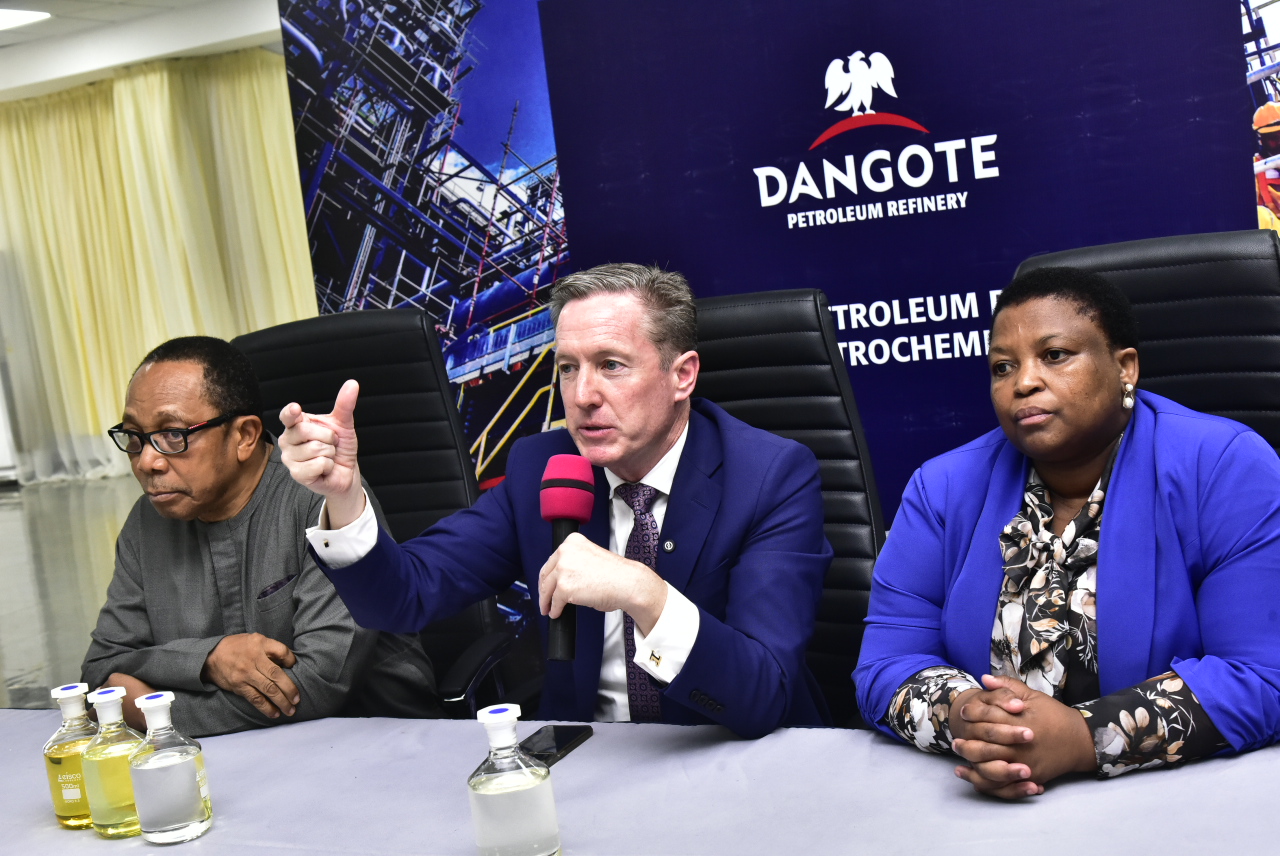
The Dangote Refinery on Wednesday returned the petrol price to N1,200 per litre, less than 24 hours after it increased it by 5 per cent.
The private refinery had raised the ex-depot price by N75 on Tuesday, citing pressure from volatile global oil markets, but quickly brought it back to N1,200 per litre from N1,275 per litre.
The swift downward review is directly linked to a sharp drop in international crude prices. Brent crude has plunged to $95.05 per barrel, after a 13 per cent decline, while the US West Texas Intermediate (WTI) crude closed at $97.18, recording nearly a 14 per cent drop.
This development comes after US President Donald Trump announced a conditional two-week ceasefire with Iran, which eased fears of immediate supply disruptions in the global oil market.
“This will be a double-sided CEASEFIRE!” Trump said on social media, marking a sharp reversal from his earlier warning that “a whole civilisation will die tonight” if Iran failed to comply with US demands.
Iran’s Foreign Minister, Mr Abbas Araqchi, confirmed that the country would halt attacks provided strikes against Iran cease and transit through the Strait of Hormuz is coordinated by Iranian forces.
Despite the breakthrough, tensions remain elevated across the region, with several Gulf states reporting missile launches, drone activity, or issuing civil defence warnings.
While oil prices have fallen back below $100, they remain significantly elevated after surging by a record amount in March. Market analysts noted that regardless of how successful the ceasefire is, geopolitical risk related to the Strait of Hormuz is likely to remain elevated for the foreseeable future under the control of Iran.
By Adedapo Adesanya
Crude oil deliveries from the Nigerian National Petroleum Company (NNPC) Limited to the Dangote Petroleum Refinery doubled in March, boosting prospects for improved fuel availability.
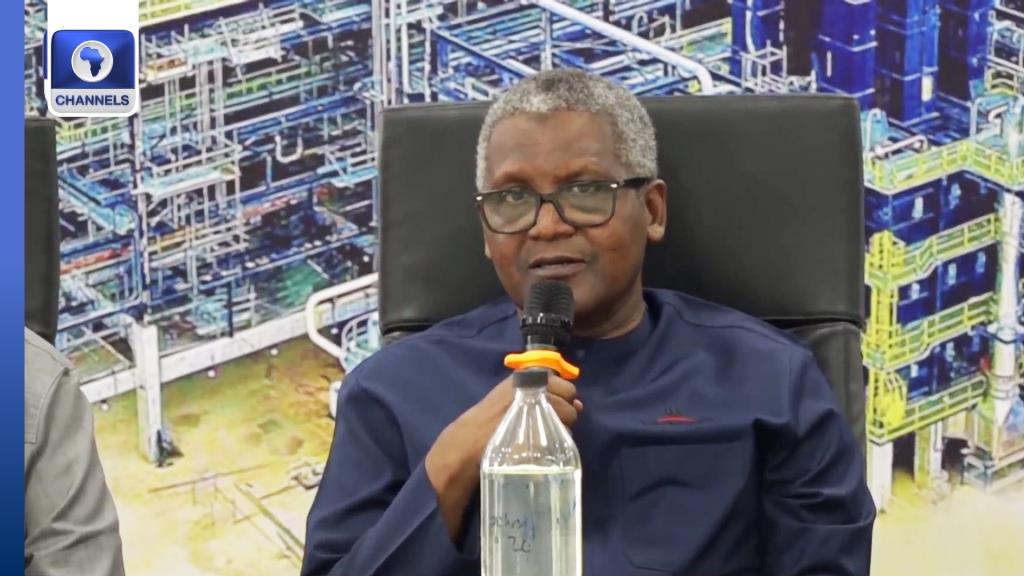
This was revealed by the chief executive of Dangote Industries Limited, Mr Aliko Dangote, on Tuesday, when he received the Deputy Secretary-General of the United Nations, Mrs Amina Mohammed, at the industrial complex in Ibeju-Lekki, Lagos.
While speaking on feedstock supply, Mr Dangote commended the NNPC for increasing crude deliveries to the refinery in March, noting that volumes rose to 10 cargoes—six supplied in Naira and four in Dollars—to support domestic fuel availability, according to a statement by the Refinery.
“Last month, they gave us six cargoes for Naira and four cargoes for Dollars,” he said.
Despite the improvement, Mr Dangote noted that the supply remains below the 19 cargoes required for optimal operations, with the refinery continuing to bridge the gap through imports from the United States and other African producers.
He also expressed concern over the unwillingness of international oil companies operating in Nigeria to sell to the refinery, stating that their preference for selling crude to traders forces it to repurchase at higher costs, with broader implications for the economy.
Mr Dangote added that the refinery is seeking increased access to domestically priced crude under local currency arrangements as part of efforts to moderate fuel costs and enhance long-term energy and food security across the continent.
On her part, Mrs Mohammed underscored the strategic importance of Dangote Industries Limited -particularly Dangote Fertiliser Limited—in addressing Africa’s mounting food security challenges, while calling for stronger global partnerships to scale its impact.
Mrs Mohammed said the United Nations would prioritise amplifying scalable solutions capable of mitigating the continent’s food crisis, describing Dangote’s integrated industrial model as a critical pathway.
“I think the UN’s job here is to amplify and to put visibility on the possibilities of mitigating a food security crisis, and this is one of them,” she said. “I hope that when we go back, we can continue to engage partners and countries that should collaborate with Dangote Industries.”
-
 Feature/OPED6 years ago
Davos was Different this year
-
Travel/Tourism10 years ago
Lagos Seals Western Lodge Hotel In Ikorodu
-

 Showbiz3 years ago
Estranged Lover Releases Videos of Empress Njamah Bathing
-
 Banking8 years ago
Sort Codes of GTBank Branches in Nigeria
-

 Economy3 years ago
Subsidy Removal: CNG at N130 Per Litre Cheaper Than Petrol—IPMAN
-

 Banking3 years ago
Sort Codes of UBA Branches in Nigeria
-

 Banking3 years ago
First Bank Announces Planned Downtime
-

 Sports3 years ago
Highest Paid Nigerian Footballer – How Much Do Nigerian Footballers Earn