
Economy
Over 70% of Nigerian Cooperatives Still Use Manual Collections Methods

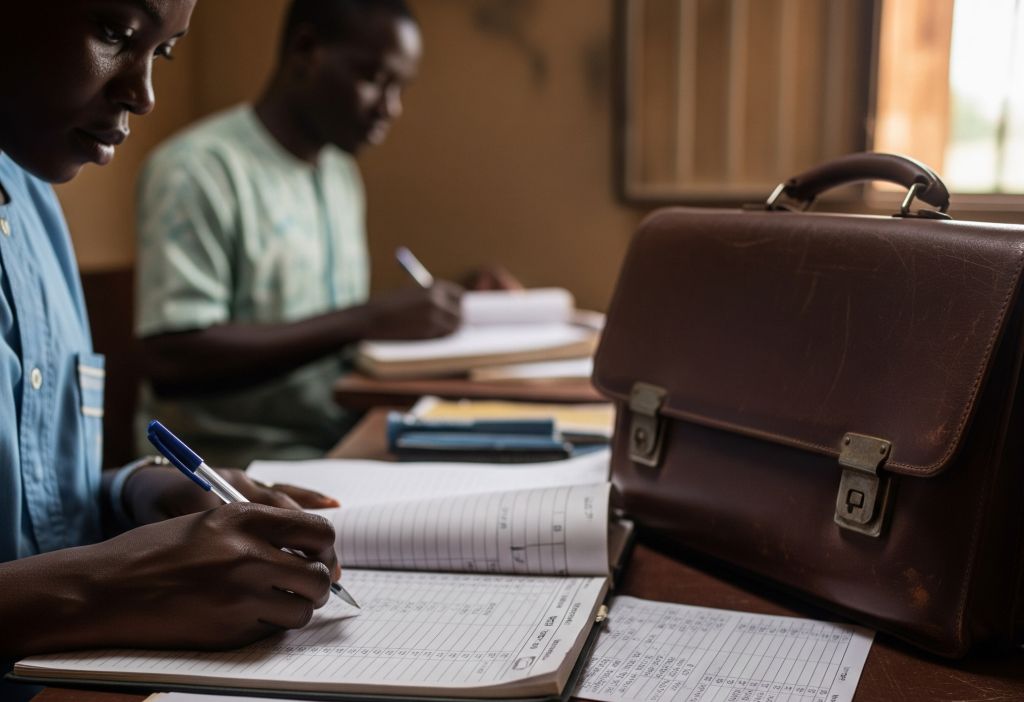
Millions of Nigerians who depend on cooperative societies for credit and savings are at growing risk of financial setbacks, as manual dues collection methods remain the norm across the country. A 2024 study from Nnamdi Azikiwe University (source) revealed that over 70% of cooperatives still rely on handwritten ledgers and informal cash contributions—leaving them exposed to defaults, disputes, and operational breakdowns. Even outright theft is not uncommon.
Cooperatives are vital financial safety nets for millions of Nigerians, especially in underbanked communities. But as default rates rise and reconciliation periods become chaotic, a growing number of cooperatives are reevaluating how they operate—and turning to technology for help.
“We use notebooks and WhatsApp to track payments,” says Iyabo Adebayo, treasurer of a 70-member women’s cooperative in Ibadan. “If someone misses their payment, it takes me days to follow up. Sometimes I just give up.”
This challenge isn’t isolated. The same 2024 study documented how manual tracking of dues and loans in staff cooperatives significantly reduced liquidity and increased the rate of defaults. During peak periods like June—when many cooperatives conduct financial audits—the consequences of poor tracking become more severe.
Recognising this pattern, a growing number of cooperatives are now implementing mandate-based systems like PaywithAccount, a direct debit payment tool developed by OnePipe. The platform enables members to authorise automated deductions for recurring dues, removing friction, improving predictability, and reducing administrative overhead.
“The moment we switched to a structured mandate system, collections became smoother,” says Emeka Chukwu, who oversees a transport workers’ cooperative in Enugu. “It gives us peace of mind. No more excuses.”
Speaking on the trend, Ope Adeoye, CEO of OnePipe, said this trend portends a deeper systemic issue. “When treasurers spend more time chasing payments than managing funds, the model begins to collapse. It’s encouraging to see more cooperatives adopting direct debit tools like PaywithAccount. The increase in uptake reflects a real need—people want structure they can trust, especially in these tough economic times.”
Industry experts believe such solutions could help stabilize grassroots finance. “When dues are predictable, planning becomes possible,” says Temi Adedeji, a digital finance consultant. “It means more loans issued, better savings discipline, and less stress for treasurers.”
As Nigeria’s cooperatives approach their mid-year audits and dividend planning cycles, the need for more resilient, automated collection systems is becoming harder to ignore.












By Adedapo Adesanya
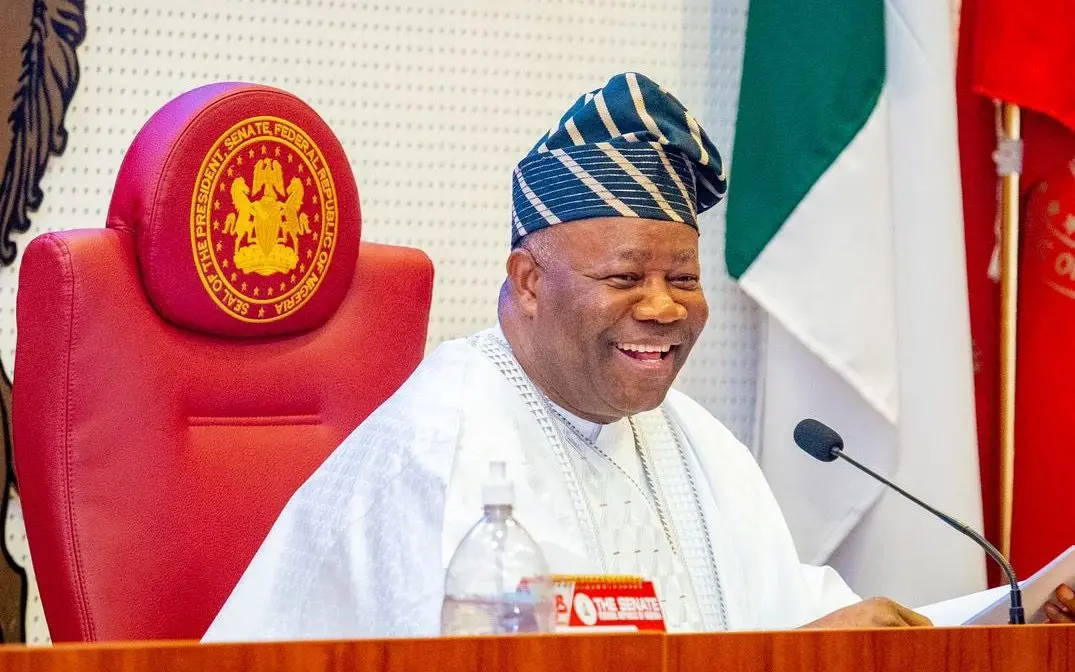
The Senate has approved President Bola Tinubu’s fresh request for a $6 billion external loan to support key national priorities.
The approval came on Tuesday, March 31, 2026, after the Senate considered a report presented by Senator Aliyu Wamakko, Chairman of the Senate Committee on Local and Foreign Debts.
The request was contained in two separate letters from the President, read during plenary.
According to Mr Tinubu, out of the $6 billion, the lion’s share of $5 billion is a Structured Total Return Swap (TRS) external financing programme offered by the First Abu Dhabi Bank, to be released in tranches.
The remaining $1 billion is an export finance facility from the United Kingdom, arranged by Citibank, specifically for the reconstruction and rehabilitation of the Lagos Port Complex and Tin Can Island Port.
The facilities are intended to support the implementation of the national budget, funding priority infrastructure projects, and refinancing existing domestic and external debts.
The President also said the loan will help the country to meet urgent financial obligations, noting that the phased drawdown of the borrowing will help ease pressure on debt servicing.
The Senate also approved the issuance of Naira-denominated federal government securities as collateral and the payment of margin obligations in US Dollars.
Earlier, it was reported that President Tinubu sought the red chamber’s approval for a significant upward review of the 2026 budget, proposing an additional N9 trillion to the Appropriation Bill.
The request, conveyed in a letter read on the Senate floor during Tuesday’s plenary by the Senate President, Mr Godswill Akpabio, would increase the budget size from the initial N58.47 trillion to N67.47 trillion.
According to the President, the proposed adjustment is aimed at strengthening fiscal transparency and ensuring more effective implementation of priority national programmes.
The development raises fresh worries about Nigeria’s debt portfolio, which has risen considerably within the three years of the Tinubu-led administration.

By Aduragbemi Omiyale
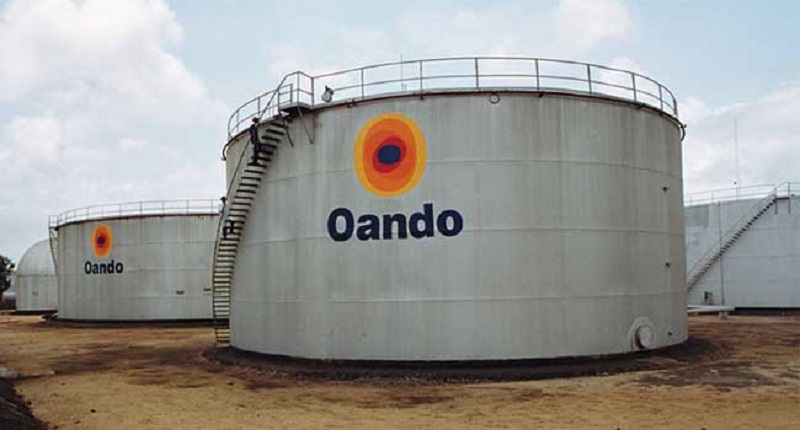
A production sharing contract (PSC) for Block KON 13 has been signed between Oando Plc and the Angolan National Agency for Petroleum, Gas and Biofuels (ANPG).
With a 45 per cent participating interest, Oando’s wholly owned subsidiary, Oando Exploration and Production Angola Ltd, will serve as operator of the block.
The other partners in the consortium are Effimax Energy – Serviços, Lda (30 per cent), Sonangol Exploração & Produção (15 per cent), and Walcot Ltd (10 per cent).
Block KON 13 is located in the onshore Kwanza Basin, Angola. It has two exploration wells previously drilled to a total depth of 3,000m, with oil shows encountered in one well across various depths.
The addition of Block KON 13 further bolsters the energy firm’s upstream portfolio and underscores its commitment to driving regional growth and energy security.
Recall that before now, Oando acquired the assets of Nigerian Agip Oil Company Limited as part of its expansion strategy.
The latest addition solidifies the company’s strategic entry into the Angolan oil and gas sector and represents a significant step in its long-term vision to grow its upstream operations across Africa. It also represents its first operated international upstream joint venture and further strengthens its position as a prominent player in the continent’s energy landscape.
“The execution of this PSC advances our geographic footprint across Africa and reaffirms the commitment to excellence and execution we have repeatedly demonstrated on the continent.
“We bring proven technical expertise to this asset and a clear mandate to create value for our partners and advance Angola’s energy ambitions for the benefit of the continent.
“We look forward to working with ANPG, our co-venturers, and key stakeholders in moving from agreement to action,” the chief executive of Oando, Mr Wale Tinubu, said.
Oando, through its upstream businesses, holds interests in 14 oil and gas assets spanning exploration, development, and production activities, both onshore and offshore, in Nigeria and São Tomé and Príncipe.
By Adedapo Adesanya
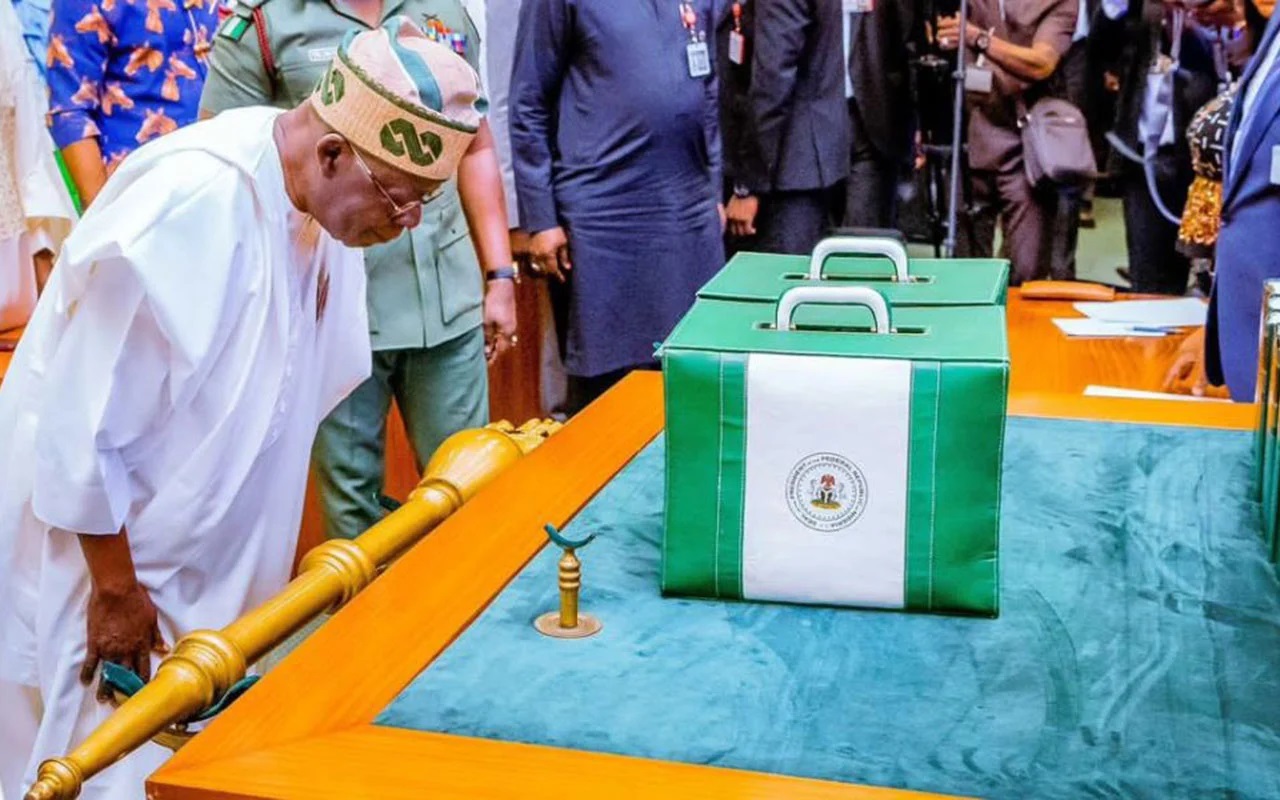
President Bola Tinubu is seeking Senate approval for a significant upward review of the 2026 budget, proposing an additional N9 trillion to the Appropriation Bill.
The request, conveyed in a letter read on the Senate floor during plenary by the Senate President, Mr Godswill Akpabio, would increase the budget size from N58.47 trillion to N67.47 trillion.
According to the President, the proposed adjustment is aimed at strengthening fiscal transparency and ensuring more effective implementation of priority national programmes.
He said the increase will first address outstanding legal commitments carried over from previous appropriation cycles, preventing them from affecting the execution of the 2026 budget.
The proposal also seeks to consolidate existing government debt within the fiscal framework, while making provisions for a limited number of strategic and priority projects.
President Tinubu added that the revised financing plan is designed to preserve macro-fiscal stability and ease pressure on the domestic financial market.
The Senate is expected to consider the request in the coming days.
In December, the President presented the N58.47 trillion 2026 budget proposal to a joint session of the National Assembly, outlining the government’s priorities anchored on economic stability, infrastructure expansion, security and social investment.
The budget was hinged on assumptions including oil production of 1.84 million barrels per day, an oil price benchmark of $64.85 per barrel, and an exchange rate assumption of N1,400 to the Dollar.
Following the presentation, the Senate passed the appropriation bill for first and second readings, paving the way for detailed consideration by relevant committees.







-
 Feature/OPED6 years ago
Davos was Different this year
-
Travel/Tourism10 years ago
Lagos Seals Western Lodge Hotel In Ikorodu
-

 Showbiz3 years ago
Estranged Lover Releases Videos of Empress Njamah Bathing
-
 Banking8 years ago
Sort Codes of GTBank Branches in Nigeria
-

 Economy3 years ago
Subsidy Removal: CNG at N130 Per Litre Cheaper Than Petrol—IPMAN
-

 Banking3 years ago
Sort Codes of UBA Branches in Nigeria
-

 Banking3 years ago
First Bank Announces Planned Downtime
-

 Sports3 years ago
Highest Paid Nigerian Footballer – How Much Do Nigerian Footballers Earn