

Economy
Oyedele Says Nigeria’s Subsidy Savings Absorbed by Debt, Higher Spending

By Adedapo Adesanya
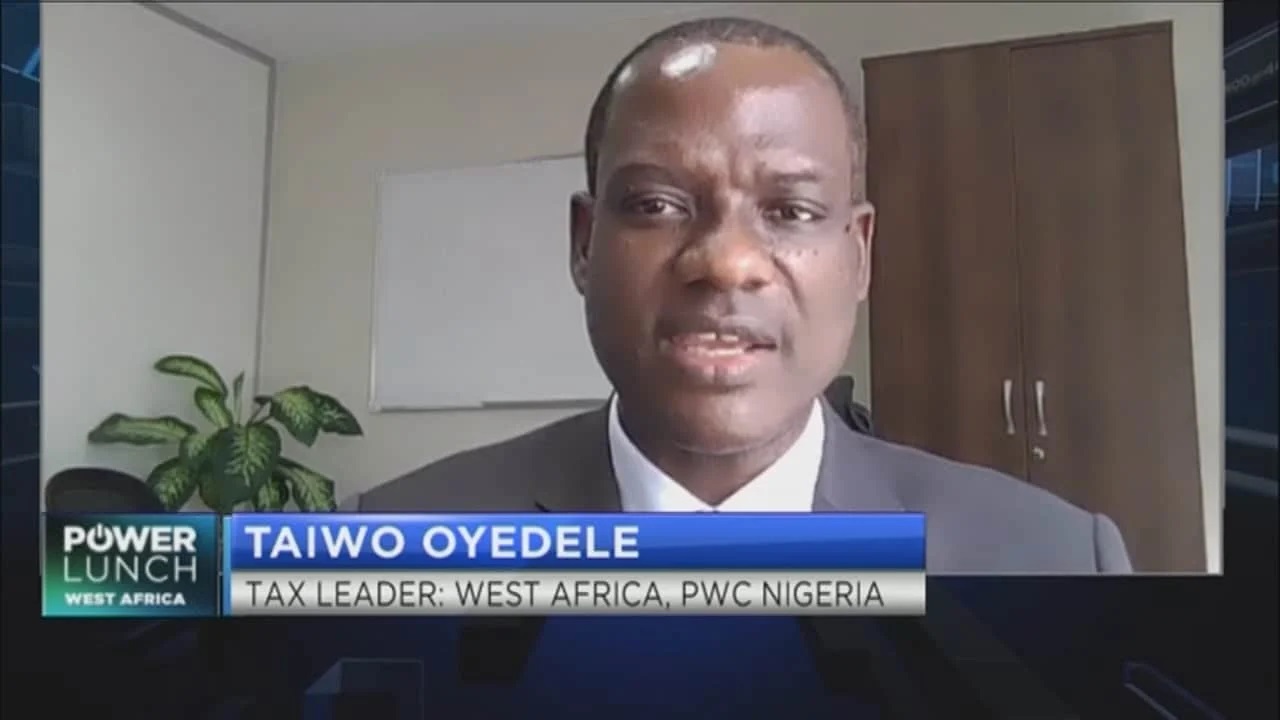
The Minister of Finance, Mr Taiwo Oyedele, has disclosed that Nigeria’s savings from the removal of fuel subsidies and foreign exchange market reforms have largely been absorbed by higher debt-servicing costs and increased government spending.
Speaking at the Seventh Africa Emerging Markets Forum in Abuja, Mr Oyedele said the reforms introduced by President Bola Tinubu’s administration in 2023 were painful but necessary to restore macroeconomic stability after years of fiscal distortions.
President Tinubu’s subsidy removal and exchange rate liberalisation have won the backing of investors and international lenders but triggered a sharp rise in living costs, prompting questions over how the resulting savings have been utilised.
Mr Oyedele said fuel subsidies and what he described as an implicit subsidy on foreign exchange had previously cost Nigeria about five per cent of its Gross Domestic Product (GDP).
Responding to concerns over the fate of the savings, he acknowledged the public’s demand for accountability.
“I’ve heard this question so many times, and guess what? It’s a valid question,” he said, announcing that the government will soon publish a comprehensive account of how the savings had been spent.
In the meantime, he said, a significant portion had gone into servicing public debt, implementing the new national minimum wage and expanding social intervention programmes.
According to the minister, debt-servicing costs have risen sharply following the reforms, with borrowing rates increasing to as much as 24 per cent from around eight per cent previously.
“Instead of paying about eight per cent on our debts, we’re paying as high as 24 per cent. When you need to service debt, you don’t debate it. You pay, and you pay on time,” he said.
Mr Oyedele also said the government’s wage bill almost doubled after the national minimum wage was raised from N30,000 to N70,000 monthly.
He added that substantial funding had been committed to the Nigerian Education Loan Fund (NELFUND), which now provides tuition support and monthly stipends to more than 1.5 million students.
The minister rejected criticism that the reforms had failed because poverty initially worsened, arguing that temporary hardship was unavoidable after years of economic distortions.
“Before the reforms, we were printing money to spend. If you stop printing, the spending doesn’t disappear. You need to finance the money you were printing before,” he said.
He also dismissed suggestions that continued government borrowing contradicted improved revenue performance, explaining that borrowing remained necessary where approved expenditure exceeded revenue.
“If your budget is 10, your revenue target is six, and you eventually collect seven, you have exceeded your revenue target, but you still need to borrow three,” he said.
Responding to the International Monetary Fund’s 2026 Article IV assessment, Mr Oyedele maintained that the removal of fuel subsidies and adoption of a market-determined exchange rate were necessary reforms to reduce economic risks.
He said the government would measure progress through reductions in multidimensional poverty, improvements in real per capita income and declining income inequality rather than headline GDP growth alone, while insisting the reforms would ultimately translate into better living standards for Nigerians.



Pingback: Oyedele Says Nigeria’s Subsidy Savings Absorbed by Debt, Higher – BuzzLense