
Economy
Unraveling the Cryptocurrency Trading Maze in Nigeria: A Comprehensive Guide

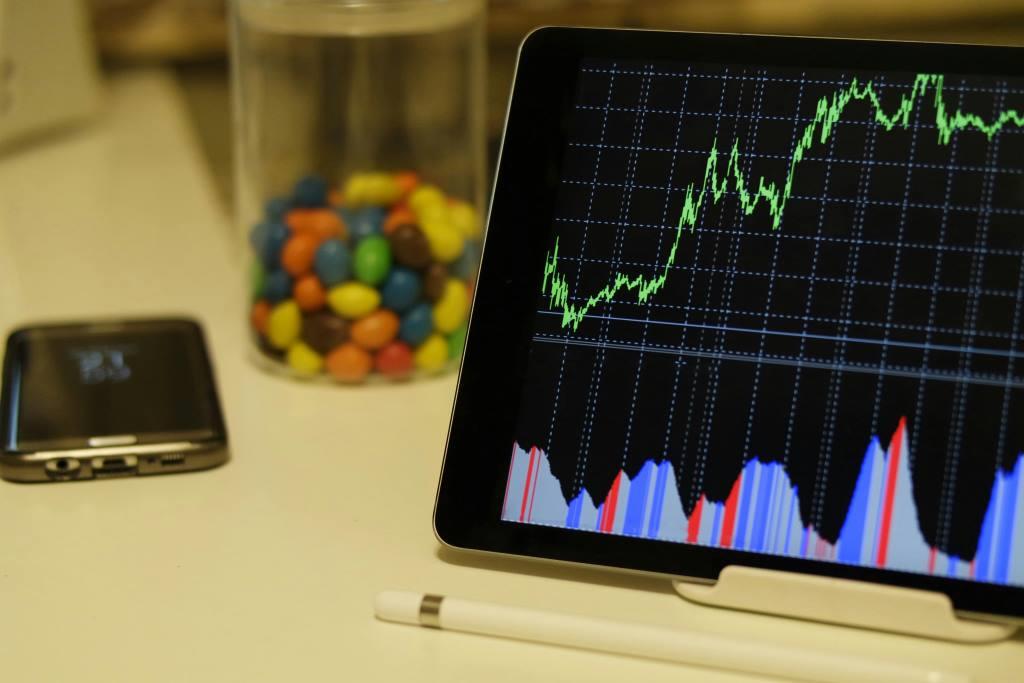
Greetings from Nigeria’s cryptocurrency rodeo. This bitcoin trading is thrilling, but you had best hang on tight! It’s like riding a bull! It’s critical to arm yourself with the necessary knowledge and resources since rules are changing like sand dunes and digital currencies are changing quicker than a chameleon changes color. Consider this guide as your go-to reference for all you need to know about trading cryptocurrency in Nigeria, from the fundamentals to how to avoid unexpected turns.
Now have a seat, and let’s explore the fascinating realm of cryptocurrency trading in Nigeria.
Understanding Cryptocurrency
Now that we have covered some background in crypto, let’s get you started. Consider cryptocurrencies as digital rebels: they rely on sophisticated cryptography to ensure security and are decentralized, meaning no single entity controls them. Imagine them travelling down the blockchain, a virtual motorway where each transaction is tracked down and confirmed by a team of computer geeks. Like the rock stars of this digital universe, Bitcoin, Ethereum, and Ripple each have their own fan base and special tricks in their sleeves. Therefore, familiarise yourself with these digital divas well before beginning to play in the crypto sandbox. After that, choosing the right trading platform with a demo trading account available will be a piece of cake.
The Rise of Cryptocurrency Trading in Nigeria
Everyone wants a piece of the action in Nigeria’s cryptocurrency sector, which is similar to a blazing BBQ. Imagine this: IT gurus working their digital magic, economic rollercoasters, and a group of young guns with mobile phones and a burning desire for financial independence. It is the ideal formula for a revolution in cryptocurrency. Nigerians are putting on their digital armor, learning to use the MACD indicator, using cryptocurrencies as financial storm shields, and jumping headfirst into this bright new world of investing opportunities as a result of inflation taking blows left and right. Nigeria’s cryptocurrency industry is soaring to unprecedented heights.
Challenges and Opportunities
Yes, the Nigerian crypto rollercoaster is an exhilarating trip with a few detours. We face several obstacles, such as navigating regulatory pitfalls, protecting our digital assets from prying eyes, and enduring volatile market fluctuations. However, in every problem is an opportunity that is just waiting to be taken advantage of. Prepare to ride the waves of the crypto sea and maintain your composure. Nigerian businessmen have the ability to quickly transform these obstacles into lucrative opportunities by combining creativity and cunning.
Choosing the Right Exchange
It’s important to conduct your research before committing because there are a lot of possibilities available. Consider it akin to selecting a traveling companion — you want someone dependable, trustworthy, and possessing a few amazing skills. A dynamic marketplace-like trading scene, fees that won’t break the bank, a buttery-smooth interface, support as personable as your local barista, and security that rivals your digital fortress are what you should be on the lookout for. Watch out for well-known brands like Quidax, Luno, and Binance; they’re the rock stars of the exchange industry, each with a devoted following.
Security Best Practices
Now, let’s address security. In the digital realm, it’s similar to locking your front door! It all comes down to protecting your digital assets against cunning cybercriminals when dealing with cryptocurrency. Consider it as protecting a hidden gold mine that you wish to keep safe and secure. That being said, Nigerian merchants should take note: creating strong passwords is like erecting an impregnable wall around your stronghold. Sprinkle in some two-factor authentication (2FA)—it’s like encircling your stronghold with a crocodile-filled moat. Additionally, consider hardware wallets as your own private vault for safeguarding your priceless cryptocurrency windfall; they’re like Fort Knox for your digital assets.
Risk Management Strategies
Speaking of risk management, it’s similar to chess in the realm of cryptocurrency. There’s a chance to win large or lose everything with every action. So, traders in Nigeria, take note: risk management is crucial for preventing disastrous mishaps. Think of it like wearing a helmet when biking! Establish stop-loss orders first; these act as safety nets in case you collapse. The next step is to diversify your investments; think of it as a healthy diet for your portfolio. Additionally, keep in mind that trading on the spur of the moment is similar to making judgments after consuming too much coffee. Hence, if you play it wisely and carefully, you’ll be navigating the cryptocurrency jungle like an experienced pro.
Staying Informed and Educated
Because things with cryptocurrencies move more quickly than the weather, traders in Nigeria should take note: knowledge is your best ally. Consider it similar to working as a detective: in order to solve the case, you must follow the clues. Visit reputable news sites, explore enticing blogs, and engage in lively discussions in forums as though you’re at an online cocktail party. Remember to read up on the subject matter as well; webinars, trade manuals, and tutorials are like your secret passwords for rising to the top of the cryptocurrency game.
Closing Remarks
Getting around Nigeria’s cryptocurrency sector is like going on an incredible journey. Nigerian merchants require a combination of expertise, astute decisions, stringent security, and astute risk management to succeed in it. It’s similar to setting off on a great adventure, selecting your equipment, and charting your path. For Nigerian traders in the cryptocurrency jungle, success is attainable with the appropriate resources and attitude.











By Adedapo Adesanya
The NASD Over-the-Counter (OTC) Securities Exchange extended its stay in the south territory with a decline of 0.56 per cent on Wednesday, April 2.
This brought down the market capitalisation by N13 billion to N2.417 trillion from N2.430 trillion, and downed the NASD Unlisted Security Index (NSI) by 22.57 points to 4,062.87 points from the previous session’s 4,062.87 points.
It was observed that the NASD exchange ended with three price gainers and three price losers during the trading day.
MRS Oil Plc depreciated by N19.00 to close at N171.00 per unit compared with the previous price of N190.00 per unit, NASD Plc lost N4.14 to trade at N37.36 per share compared with Wednesday’s N41.50 per share, and Central Securities Clearing System (CSCS) Plc gave up N2.00 to sell at N78.00 per unit versus N80.00 per unit.
On the flip side, FrieslandCampina Wamco Nigeria Plc appreciated by 19 Kobo to N93.00 per share from N92.81 per share, Food Concepts Plc expanded by 15 Kobo to N2.87 per unit from N2.72 per unit, and Great Nigeria Insurance (GNI) Plc improved by 2 Kobo to 52 Kobo per share from 50 Kobo per share.
Yesterday, the volume of securities dipped by 91.8 per cent to 260.2 million units from 3.2 billion units, the value of securities went down by 98.1 per cent to N154.2 million from N8.3 billion, while the number of deals soared by 53.3 per cent to 46 deals from 30 deals.
GNI Plc was the most active stock by value on a year-to-date basis with 3.4 billion units worth N8.4 billion, followed by CSCS Plc with 56.9 million units valued at N3.9 billion, and Okitipupa Plc with 27.5 million units traded for N1.8 billion.
The most traded stock by volume on a year-to-date basis was also GNI Plc with 3.4 billion units sold for N8.2 billion, trailed by Resourcery Plc with 1.1 billion units exchanged for N415.7 million, and Infrastructure Guarantee Credit Plc with 400 million units transacted for N1.2 billion.
By Adedapo Adesanya
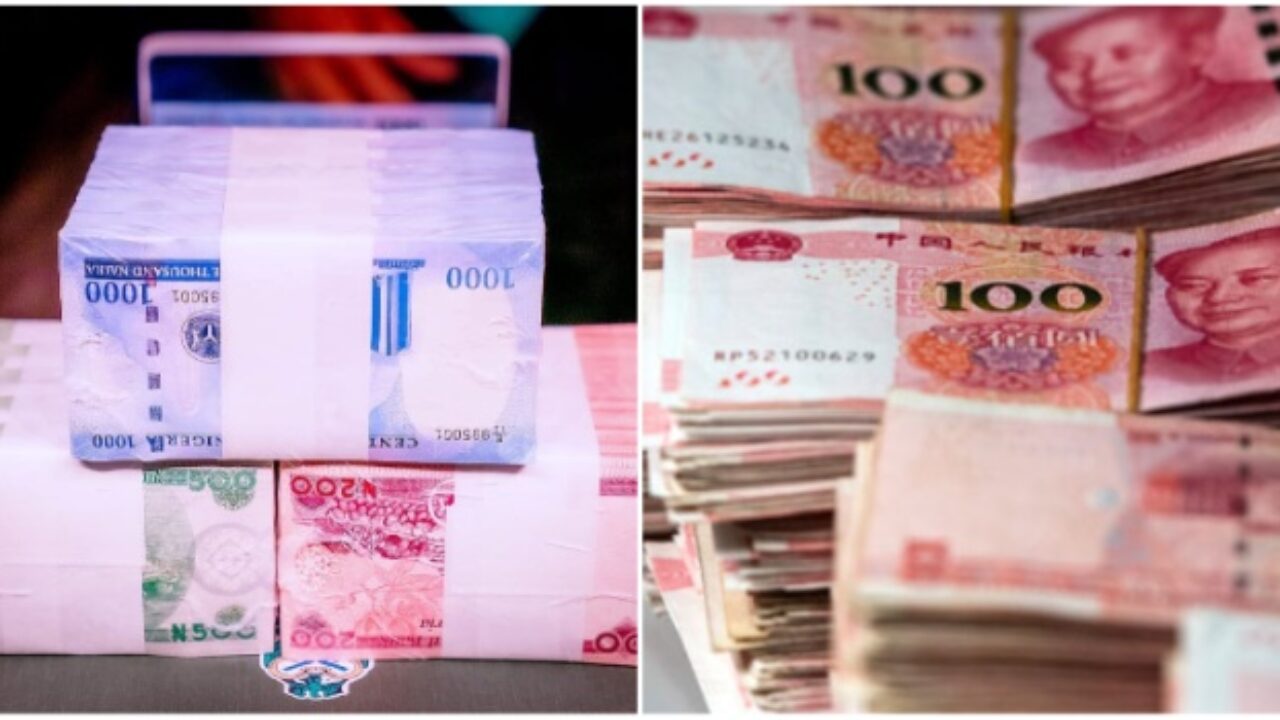
The Naira dropped N2.09 or 0.15 per cent against the United States Dollar in the Nigerian Autonomous Foreign Exchange Market (NAFEX) on Thursday, April 2, to trade at N1,380.79/$1 compared with Wednesday’s rate of N1,378.70/$1.
However, it appreciated against the Pound Sterling in the official market by N2.77 to quote at N1,824.86/£1 versus the N1,836.57/£1 it was traded at midweek, and improved its value against the Euro by N10.54 to N1,591.92/€1 from N1,602.46/€1.
Yesterday was the last trading session of the week for the local currency in the spot market, as the market will be closed on Friday and Monday for the Easter Holiday.
At the black market, the Nigerian Naira maintained stability against the greenback yesterday at N1,405/$1, but gained N8 at the GTBank FX counter to settle at N1,388/$1, in contrast to the previous session’s N1,396/$1.
Pressure eased on the domestic currency as strong policy indicators have helped calm the majority of worries within the financial systems. Particularly in the remittance segment, the apex bank has directed all International Money Transfer Operators (IMTOs) to route remittance transactions through designated Naira settlement accounts in banks, a move aimed at boosting transparency and channelling more foreign exchange into the formal market.
This helps take off pressure from the foreign reserves, which have fallen below the $50 billion mark as they are gradually decreasing rather than falling sharply.
Meanwhile, the cryptocurrency market was bullish on Thursday, as macro sentiment shifted against recent optimism after reports that Iran is drafting a protocol with Oman to manage traffic through the Strait of Hormuz, easing concerns about disruptions to a key global oil route.
The remarks came after U.S. President Trump on Wednesday night vowed to hit Iran “extremely hard” in the coming weeks and that the Strait of Hormuz would “open naturally” once the war ends.
Cardano (ADA) chalked up 1.9 per cent to trade at $0.2435, Dogecoin (DOGE) grew by 1.2 per cent to $0.0912, Ethereum (ETH) appreciated by 0.8 per cent to $2,066.37, Bitcoin (BTC) added 0.5 per cent to sell at $67,080.53, Solana (SOL) increased by 0.5 per cent to $79.91, and Ripple (XRP) jumped 0.2 per cent to $1.31.
Conversely, Binance Coin (BNB) dipped 0.7 per cent to $586.90, and TRON (TRX) depreciated by 0.3 per cent to $0.3147, while the US Dollar Tether (USDT) and the US Dollar Coin (USDC) closed flat at $1.00 each.
By Dipo Olowookere
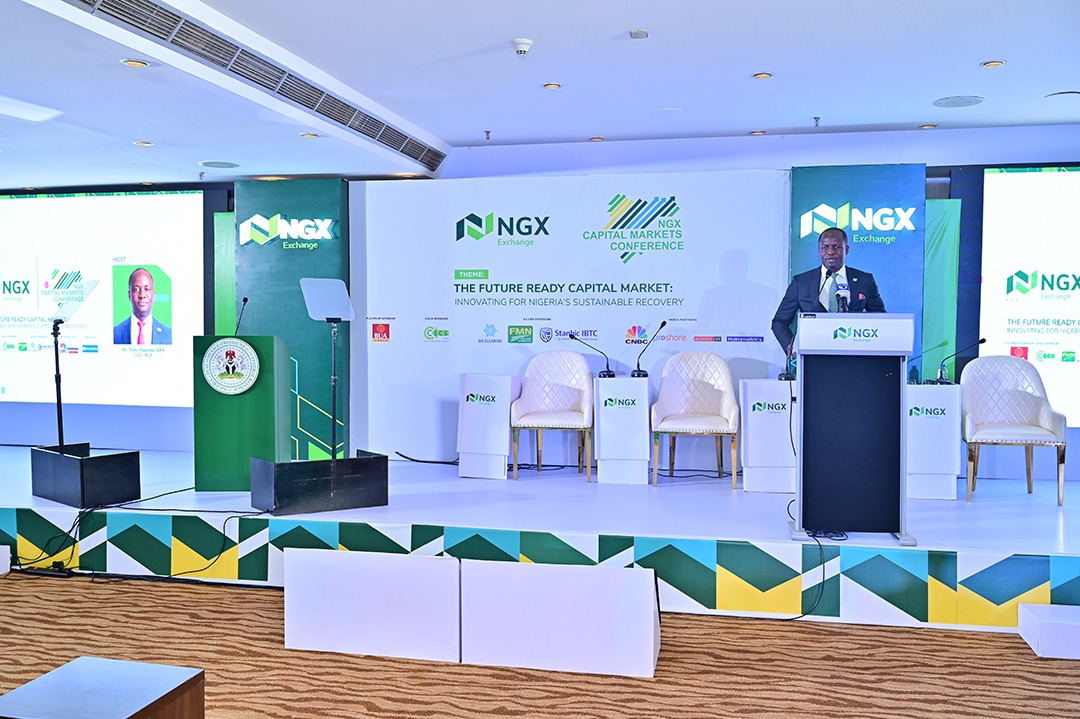
The local stock market was relatively flat on Friday, as the bears and the bulls shared the spoils of war, though investor sentiment turned bullish compared with the preceding session’s bearish posture.
Data from the Nigerian Exchange (NGX) Limited showed that the All-Share Index (ASI) was marginally down by 4.66 points as it ended at 201,698.89 points versus Wednesday’s 201,703.55 points, and the market capitalisation slightly contracted by N3 billion to N129.806 trillion from N129.809 trillion.
Customs Street was shut on Friday because of the public holidays declared by the federal government today and next Monday.
Business Post reports that John Holt declined by 9.91 per cent to N15.45, Abbey Mortgage Bank shed 9.60 per cent to trade at N8.95, International Energy Insurance slipped by 6.48 per cent to N3.32, Chams shrank by 5.30 per cent to N3.75, and Tantalizers depreciated by 5.18 per cent to N4.03.
On the flip side, Unilever Nigeria improved by 10.00 per cent to N103.40, Fortis Global Insurance gained 9.82 per cent to trade at N1.23, Multiverse appreciated 9.81 per cent to N20.15, Legend Internet advanced by 9.38 per cent to N6.30, and Zichis grew by 9.02 per cent to N14.14.
The market breadth index was positive during the trading session, as there were 35 appreciating stocks and 24 depreciating stocks.
Yesterday, investors traded 560.0 million equities valued at N19.3 billion in 49,676 deals, in contrast to the 815.5 million equities worth N33.3 billion transacted in 52,641 deals in the preceding day, representing a drop in the trading volume, value, and number of deals by 31.33 per cent, 42.04 per cent, and 5.63 per cent, respectively.
Secure Electronic Technology dominated the activity log with 59.7 million shares valued at N61.1 million, Wema Bank exchanged 52.0 million equities worth N1.4 billion, VFD Group transacted 36.0 million stocks for N410.5 million, Access Holdings sold 35.3 million shares valued at N914.8 million, and Chams traded 31.0 million equities worth N115.0 million.
-
 Feature/OPED6 years ago
Davos was Different this year
-
Travel/Tourism10 years ago
Lagos Seals Western Lodge Hotel In Ikorodu
-

 Showbiz3 years ago
Estranged Lover Releases Videos of Empress Njamah Bathing
-
 Banking8 years ago
Sort Codes of GTBank Branches in Nigeria
-

 Economy3 years ago
Subsidy Removal: CNG at N130 Per Litre Cheaper Than Petrol—IPMAN
-

 Banking3 years ago
Sort Codes of UBA Branches in Nigeria
-

 Banking3 years ago
First Bank Announces Planned Downtime
-

 Sports3 years ago
Highest Paid Nigerian Footballer – How Much Do Nigerian Footballers Earn
Pingback: The Best Beginner-Friendly USDT Trading Platform for Profitable Trading in Nigeria – Business Post Nigeria - Bittyswap