
Feature/OPED
A Beginner’s Guide to Temu: Your Ultimate Shopping Companion

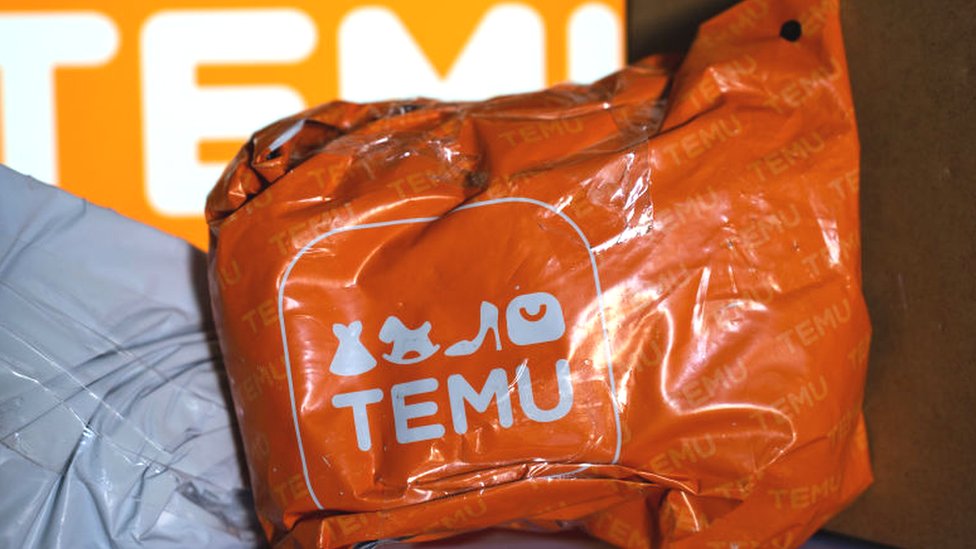
Ever wondered where to find trendy fashion, cutting-edge tech, or stylish home decor at unbeatable prices? Look no further than Temu.
What is Temu?
Temu, an online marketplace sensation, has taken the world by storm with its vast array of products, competitive prices, and user-friendly platform.
Since its 2022 launch, it has quickly become a global sensation, boasting hundreds of millions of downloads and catering to over 80 markets. Now, Nigerian shoppers can experience the Temu magic firsthand.
This guide will walk you through the Temu shopping experience, ensuring a smooth journey from product discovery to delivery.
Step 1: CREATE AN ACCOUNT TO UNLOCK SMART SHOPPING
The registration process
Joining Temu is super easy! Whether you prefer the traditional approach or the convenience of social media, Temu has you covered. For the classic signup, simply visit temu.com or download the mobile app, enter your email or phone number, create a strong password, and confirm your details. It’s as easy as that!
For social media savvy, link your Google, Apple, or Facebook account and skip the hassle of creating a new login. With Temu’s streamlined process, you can spend less time logging in and more time exploring the incredible deals awaiting you.

Mobile app vs. desktop: Which platform offers the best shopping experience?
Both the mobile app and desktop website offer a seamless shopping experience. However, for a truly dynamic and interactive shopping journey, we recommend the mobile app. You will enjoy real-time price alerts, exclusive mobile deals, and easy order tracking.

For a more deliberate shopping experience, the desktop website is the perfect choice. With larger screens and easy-to-use comparison features, you can take your time and make informed decisions.

Step 2: BROWSING AND SHOPPING LIKE A PRO
Navigating Temu’s vast selection
Temu offers a vast selection of over 200 product categories, from fashion and tech to home goods and beauty.
To get started, simply use the search bar function to find specific items or explore categories, and refine your search with filters for price, colour, size, and more. Sort items by relevance, price, or newest arrivals to find the perfect products.
Temu’s ranking system highlights popular and trusted products, often based on customer reviews and sales trends. To make informed choices, compare prices, features, and reviews before purchasing.
Best-selling products
Temu’s best-selling products are constantly updated based on real-time sales data.

Other metrics beyond rankings
Temu goes beyond traditional product rankings, focusing on the performance and quality of its providers. By considering factors like historic ratings, repurchase records, follower numbers, and new product releases, consumers can make informed decisions. This approach not only empowers buyers but also incentivises providers to deliver high-quality, diverse products and build strong customer relationships.

Providers can earn recognition directly on their product pages by ranking highly in categories like Top Sales, Top Rated, Top Repurchased, Top Followed, or New Arrival. These rankings are based on the provider’s performance over the past 30 days and are updated daily to ensure the most current information is displayed to consumers.
Finding your perfect fit
Temu provides detailed size guides to help shoppers find the perfect fit, particularly for clothing and accessories. These guides often include measurements, comparison charts, and sometimes even virtual fitting tools to make your online shopping experience seamless.
Save more, shop smart
Simplify your shopping and maximise your savings with Temu. All discounts are displayed directly on product pages. For the best deals, explore the platform’s Lightning Deals. To ensure satisfaction, pay attention to details, read descriptions, verify measurements, understand features, and consult seller ratings and reviews.
Step 3: PLACING AN ORDER
Shopping safely and securely
Temu offers a variety of payment methods, including popular credit cards and digital wallets like Visa, Mastercard, American Express, Maestro, Discover, JCB and Diners Club. To prioritise your security, the platform employs advanced security measures, adhering to strict industry standards to protect your information.
Step 4: FAST AND RELIABLE DELIVERY
Hassle-free delivery, every time
Temu prioritises customer satisfaction by providing real-time order tracking and reliable shipping options, including free standard shipping and express delivery. The platform guarantees on-time delivery and offers full refunds for damaged or undelivered orders.
At the moment, Temu is in partnership with local logistics firms, such as Flyt Express, SKYNET, and Speedaf to make delivery to Nigerian shoppers on time.
Step 5: AFTER-SALES SERVICE – BEYOND THE PURCHASE
Returns and exchanges made easy
Temu provides a seamless return process with its Purchase Protection Program. If you’re unsatisfied with a purchase, log into your account, select the item, provide a reason, and submit a return request. Temu will provide a prepaid shipping label.
You have a 90-day return window for most items. Once processed, you can choose a refund to Temu credit or original payment. For exchanges, return the item and place a new order. Temu also offers refund policies for no updates and no deliveries. Check Temu’s specific return policy for the latest information.
Beyond shopping: A greener future
Temu is committed to sustainability. By shopping on Temu, you contribute to a greener future. The platform’s Tree Planting Program and combined shipping initiatives help reduce environmental impact.
Smart shopping simplified
Temu has transformed online shopping, offering a wide range of affordable products and a user-friendly experience.
Follow these simple steps to easily navigate the platform and discover your next favourite find. If you need assistance, Temu’s customer support team is available 24/7.
So, shop with confidence on Temu!













By Meinyie Okpukpo
In a development that has generated debate within both political and medical circles in Rivers State, the Rivers State House of Assembly recently declined to confirm Professor Datonye Dennis Alasia as a commissioner-nominee submitted by the state governor, Siminalayi Fubara.
The decision followed a tense screening session in Port Harcourt and has raised broader questions about the intersection of politics, governance, and the role of technocrats in public administration.
For many in Nigeria’s medical community, Professor Alasia is not simply a nominee rejected by lawmakers. He is a respected physician, academic, and nephrology specialist whose decades-long career has contributed significantly to medical practice and training in the Niger Delta and across Nigeria.
The Political Drama Behind the Rejection
Professor Alasia was among nine commissioner nominees submitted by Governor Fubara to the Rivers Assembly as part of efforts to reconstitute the State Executive Council following the dissolution of the cabinet earlier in 2026. After deliberations, the Assembly confirmed five nominees but rejected four, including Professor Alasia.
During the screening exercise, lawmakers raised concerns about discrepancies in Alasia’s birth certificate as well as the absence of a tax clearance certificate among the documents he submitted to the Assembly. Although the professor offered explanations and apologised for the missing tax document, a motion was moved on the floor of the House recommending that he should not be confirmed. The Assembly subsequently voted against his nomination. Some lawmakers also cited what they described as “poor performance” during the screening exercise as part of the reasons for their decision. The outcome has since become one of the most talked-about developments from the commissioner screening exercise, largely because of Alasia’s distinguished professional background.
Who Is Professor Datonye Dennis Alasia?
Professor Alasia is widely known in Nigeria’s healthcare sector as a consultant nephrologist and Professor of Medicine with long-standing service at the University of Port Harcourt Teaching Hospital (UPTH). At UPTH, he served as Chairman of the Medical Advisory Committee (CMAC), a key leadership position responsible for overseeing clinical governance, medical standards, and patient-care policies in one of Nigeria’s foremost teaching hospitals.
He also previously held the role of Deputy Chief Medical Director, contributing significantly to hospital administration and the implementation of medical policies within the institution.
In addition to his clinical responsibilities, Professor Alasia has been deeply involved in academic medicine, combining medical practice with teaching and research in the university system.
Advancing Nephrology Care in Nigeria
Professor Alasia specialises in nephrology, the branch of medicine that deals with kidney diseases. This area of medicine is particularly important in Nigeria, where hypertension and diabetes have contributed to a growing number of kidney failure cases.
Through his work as a consultant nephrologist, he has been involved in:
Diagnosis and treatment of kidney diseases
Management of chronic kidney failure
Development of nephrology services in tertiary hospitals
Training doctors in renal medicine
His contributions have helped expand specialised kidney care within the Niger Delta region.
Training the Next Generation of Doctors
Beyond clinical practice, Professor Alasia has also played an important role in medical education.
Teaching hospitals like UPTH serve as the backbone of Nigeria’s medical training system. Within this system, professors supervise:
Residency training programmes
Specialist physician development
Medical student education
Clinical research mentorship
Through these responsibilities, Professor Alasia has helped mentor and train numerous doctors who now practice across Nigeria and beyond.
Leadership in Hospital Administration
Professor Alasia’s role as Chairman of the Medical Advisory Committee at UPTH placed him at the centre of hospital governance.
The position involves responsibilities such as:
Oversight of clinical governance
Enforcement of patient-care standards
Coordination of medical departments
Implementation of healthcare policies
The CMAC position is widely regarded as one of the most influential clinical leadership roles in Nigerian teaching hospitals.
Politics Versus Professional Expertise
The rejection of Professor Alasia highlights a broader issue often seen in Nigerian governance—the tension between professional expertise and political scrutiny. On one hand, the Assembly maintains that its decision reflects its constitutional duty to thoroughly vet nominees and ensure that those appointed to public office meet all necessary requirements. On the other hand, some observers argue that professionals with long careers outside politics may sometimes struggle to navigate political screening processes that are often designed with career politicians in mind.
What Happens Next?
With four nominees rejected during the screening exercise, Governor Fubara may be required to submit new names to the Assembly in order to complete the composition of the State Executive Council.
For Professor Alasia, however, the Assembly’s decision does not diminish a career built over decades in medicine, medical education, and hospital administration.
Conclusion
Professor Datonye Dennis Alasia represents a class of Nigerian professionals whose influence lies primarily outside the political arena. As a professor of medicine, consultant nephrologist, and hospital administrator, his contributions to medical training and kidney disease management remain significant.
Yet his experience before the Rivers State Assembly reflects a recurring reality in Nigerian public life: even the most accomplished technocrats must still navigate the complex and often unforgiving terrain of politics.
Meinyie Okpukpo, a socio-political commentator and analyst, writes from Port Harcourt, Rivers State

By James Edeh
In the traditional halls of Nigerian finance, capital was once defined solely by the strength of a balance sheet and the depth of physical vaults. However, as the industry transitions into a tech-enabled era, marked by a staggering 11.2 billion electronic transactions processed by NIBSS in 2024 alone, the definition of capital has undergone a fundamental shift.
In 2026, ‘Character’ seems to have emerged as the most vital form of liquidity. In a market where digital fraud and systemic volatility can erode trust overnight, a bank’s commitment to regulatory compliance is no longer a ‘back-office’ function; it is the primary bridge that builds and sustains customer confidence. This evolution is driven by a sophisticated web of regulations from the Central Bank of Nigeria (CBN) and the Federal Competition and Consumer Protection Commission (FCCPC), which have moved from reactive policing to proactive architecture. With the introduction of the Digital, Electronic, Online, or Non-traditional Consumer Lending Regulations 2025, the authorities have set a clear mandate: innovation must be tethered to integrity.
The current regulatory landscape is defined by milestones that signal a maturing ecosystem. Nigeria’s successful exit from the FATF ‘grey list’ in October 2025 served as a global validation of the country’s strengthened Anti-Money Laundering (AML) and Counter-Terrorism Financing (CFT) frameworks.
The mandatory integration of the Bank Verification Number (BVN) and National Identification Number (NIN) has become the ‘digital DNA’ of banking. This has not only reduced identity fraud, which saw a significant decrease from ₦52.26 billion in 2024 to ₦25.85 billion in 2025, according to the Nigeria Inter-Bank Settlement System NIBSS, but has also provided a secure pathway for 74% of the population to enter the formal financial system. Additionally, the CBN’s 2024–2026 recapitalisation drive, requiring minimum capital thresholds of up to ₦500 billion for international banks, ensures that ‘character’ is backed by the resilience to withstand economic shocks, effectively mandating that only the most robust and compliant players remain at the table.
As of January 2026, the Nigeria’s Securities and Exchange Commission (SEC) has also significantly increased the minimum capital requirements (MCR) for fintechs and digital asset operators, with compliance required by June 30, 2027. Key thresholds include ₦100 million for Robo-Advisers (up from ₦10m), ₦200 million for Crowdfunding Intermediaries (up from ₦100m), and ₦2 billion for Digital Asset Exchanges (DAX).
At FairMoney MFB, compliance is far more than a regulatory check box, it is the bedrock of our operational integrity and strategic growth. We have engineered a proactive compliance architecture that reaches every level of our organisation, ensuring that we remain with the highest industry standards. By embedding rigorous oversight, ethical governance, and transparent reporting into our core DNA, we have cultivated a foundation of trust that serves as a vital bridge between our organisation and key government stakeholders.
For forward-thinking institutions, compliance is being rebranded as a competitive advantage. In the digital space, where customers cannot visit a branch to demand answers, the ‘seal of approval’ from regulators acts as a proxy for safety.
This is where the concept of Character-as-Capital becomes most visible. By maintaining a strict adherence to responsible debt recovery practices and strictly adhering to the Nigeria Data Protection Act (NDPA), Institutions such as FairMoney MFB demonstrate how compliance-led models can support responsible digital lending. FairMoney’s adherence to the FCCPC’s Digital Lending Guidelines and its proactive stance on product transparency – clearly stating all interest rates and fees upfront – exemplifies how compliance can be used to build a ‘predictability model’ for the consumer. When a bank follows the rules even when it is more expensive to do so, it builds a reservoir of goodwill that serves as a moat against more aggressive, less ethical competitors.
The shift toward a compliance-first culture is yielding a tangible ‘Trust Dividend’. In late 2025, FairMoney’s national scale long-term issuer rating was upgraded from BBB(NG) to BBB+(NG) by Global Credit Rating (GCR), and its short-term rating from A3(NG) to A2(NG). Internal audited records show that in FY2025 FairMoney disbursed over ₦250 billion in loans and paid out over ₦7 billion in interest to savers, proving its ability to return value to a customer base that views the platform as a trusted platform for savings and credit services.
Between 2021 and 2024, FairMoney saw a significant growth in its customer deposit base. This growth has facilitated a reduced cost of funds; because users trust the bank’s CBN and NDIC-licensed status, FairMoney now funds over 56% of its loan book through customer deposits. Recent data from the Nigerian Exchange Limited and banking industry suggests that as compliance improves, so does the velocity of money. Total deposits in the Nigerian banking sector rose by 63% to ₦136 trillion by late 2024, a growth driven by a population that finally feels the digital financial infrastructure is safe enough to hold their life savings.
In the coming years, the winners in the Nigerian banking sector will not be those with the largest marketing budgets, but those with the strongest ethical spine. Compliance is the bridge that connects a sceptical populace to the digital economy. It is the assurance that a customer’s data is private, their deposits are insured, and their treatment is fair. As we look toward 2030, Nigeria’s economic expansion will only be reachable if the banking sector continues to treat Character as its New Capital.
By embracing the rigorous demands of current regulations, financial institutions are not just following the law; they are investing in the most valuable asset any bank can own: the unshakeable confidence of its people. The road ahead requires a commitment to transparency that transcends the app interface and penetrates the core of institutional culture.
James Edeh is the Head of Compliance at FairMoney Microfinance Bank

Ever noticed how easy it is to get a movie in Nigeria, sometimes before or right after it hits cinemas? For decades, films, music, and series have circulated in ways that felt almost natural; roadside DVDs, download sites, and streaming hacks became part of how we consumed entertainment. It became the default way people experienced content.
But what many don’t realise is that what feels normal for audiences has real consequences for the people behind the screen. As Nigeria’s creative industry grows into a serious economic force, piracy isn’t just a “shortcut” anymore; it’s a drain on the very lifeblood of creativity.
The conversation hit the headlines again with the alleged arrest of the CEO of NetNaija, a platform widely known for downloadable entertainment content. Beyond the courtrooms, the story reopened an important question: how did piracy become so normalised, and why should we care now?
Filmmaker Jade Osiberu put it into perspective in a post that resonated across social media: for many Nigerians, pirated CDs and downloads were simply the most accessible way to watch films. Piracy didn’t just appear from nowhere. It grew because legal options were limited, streaming platforms scarce, and affordability a challenge. In other words, piracy is as much a story about opportunity and access as it is about legality.
The cost of this convenience is real. Every illegally downloaded or shared film chips away at revenue that sustains the people who create it. Producers risk their own capital to tell stories, actors and crew rely on fair compensation, and distributors and cinemas lose income when pirated copies hit screens first. Over time, this doesn’t just hurt profits; it erodes confidence in investing in new projects and threatens the ecosystem that allows Nigerian creativity to flourish.
Piracy is also about culture and necessity. Many audiences never intended harm; they simply wanted stories in a system that didn’t always make legal access easy. Streaming services were limited or expensive, internet access was spotty, and distribution was weak outside major cities. Piracy became the default, and generations grew up seeing it as normal. But what was once a practical workaround has now become a barrier to sustainable growth.
This is where enforcement comes in. Legal action, like the NCC’s intervention against NetNaija, isn’t about pointing fingers at audiences; it’s a reminder that creative work has value and that infringement carries consequences. It’s about sending the message that the people who write, produce, act, and edit these stories deserve protection. Enforcement alone isn’t enough, though. Without accessible, affordable legal alternatives, audiences will naturally gravitate back to piracy.
The bigger picture is this: Nollywood is no longer just a local industry. It’s a global player, employing thousands, creating cultural influence, and generating revenue across multiple sectors. Its growth depends not just on talent, but on a system that rewards creators, protects their work, and builds a sustainable ecosystem.
Piracy may have been normalised in the past, but its consequences today are impossible to ignore. It threatens livelihoods, investment, and the future of stories that define Nigeria culturally and economically. Understanding its impact isn’t about shaming audiences or vilifying platforms; it’s about valuing the people behind the content, the stories themselves, and the industry’s potential.
The real question isn’t just whether piracy is illegal. It’s whether Nigeria is willing to build an entertainment ecosystem where creators thrive, stories get told properly, and audiences can enjoy them without undermining the very people who made them possible. Until that happens, the cost of convenience will keep being paid by someone else, and it’s the people who create the magic.













-
 Feature/OPED6 years ago
Davos was Different this year
-
Travel/Tourism10 years ago
Lagos Seals Western Lodge Hotel In Ikorodu
-

 Showbiz3 years ago
Estranged Lover Releases Videos of Empress Njamah Bathing
-
 Banking8 years ago
Sort Codes of GTBank Branches in Nigeria
-

 Economy3 years ago
Subsidy Removal: CNG at N130 Per Litre Cheaper Than Petrol—IPMAN
-

 Banking3 years ago
Sort Codes of UBA Branches in Nigeria
-

 Banking3 years ago
First Bank Announces Planned Downtime
-

 Sports3 years ago
Highest Paid Nigerian Footballer – How Much Do Nigerian Footballers Earn