
Feature/OPED
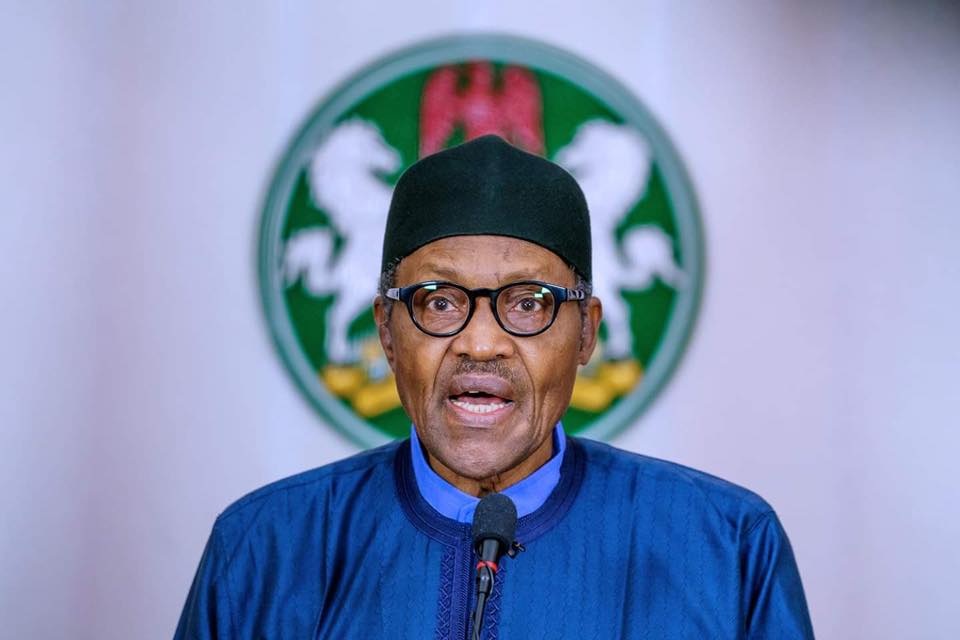
A Glance at President Buhari’s Christmas and New Year Statements

By Jerome-Mario Chijioke Utomi
For Nigerians that have their thinking divided between the present and the future, with part of it dedicated to finding solutions to current nagging challenges in the country, and the other, concerned with what becomes the future of the country, if the present administration fails to get its leadership priorities right, President Muhammadu Buhari’s Christmas and New Year messages to Nigerians were received with mixed feelings.
Essentially, there is no doubt that the country recently made some political and socio-economic progress. But looking at the federal government’s performance in the out-gone 2021, it becomes evident, in my view, that President Buhari’s remarks, though qualify as an easy read, yet, some of his claims are in dire need of re-appraisals in areas of approach and outcome.
It showed Nigerians quite clearly that there is still a need for our public office holders to learn how to match words expressed with faith and behavioural patterns that demonstrate the faith.
This observation becomes overwhelmingly important when one remembers that there exist in the greater part of 2021 particulars of demonstrated idleness, laziness, cluelessness and outright lack of leadership and problem-solving creativity on the part of the present Federal Government. These failures are very re-sounding in the areas of incapacity to end insecurity and non-pursuit of the economic welfare of citizens which of course are the only two constitutional responsibilities of the state all leaders must achieve.
At this stage, let’s cast a cursory look first, at the good side of Mr President’s declarations
First, this piece aligns completely with President Buhari’s plan to in the year 2022 and going forward, intentionally leverage ICT platforms to create jobs, while ensuring that the diversification of our economy creates more support to other emerging sectors.
It is also gratifying, and the world is of course in agreement with Mr President’s position that the path to nationhood is often fraught with unpredictable difficulties and challenges, and most tried and tested nations have often prevailed through dogged determination, resilience, concerted commitment to unity, and the conviction that the whole of the nation, standing together against all odds, is by far greater and would ultimately be more prosperous and viable than the sum of its distinguishable parts.
However, despite the validity of the above positions, the ideas about the procedure to follow in this effort as well as the order of priority are not very clear. Making this a crisis and a reality that all should worry about is the awareness that the federal government has recently become reputed for applying methods and operating along with frameworks that are outdated.
Another troubling aspect of the New Year speech has to do with Mr President’s declaration that the issue of security remains at the front burner of priority areas that his administration has given utmost attention to.
Without a doubt, Mr President may have re-energized and reorganized the security apparatus and personnel of the armed forces and the police.
These realities notwithstanding, looking at the level of insecurity that flourished in the country through the year 2021, particularly; banditry, terrorism and kidnapping, it will in my view not be characterized as an overstatement to describe the gains emanating from Mr President’s efforts as too few.
Away from insecurity to the economy, Mr President among other things said; “we have shown a high level of resilience to record some significant achievements despite the turbulence that has characterized our economy and indeed the global economy.”
Continuing, he said; “the major wins we have recorded can be clearly seen in Nigeria’s most recent Gross Domestic Product (GDP) figures released by the National Bureau of Statistics (NBS). The 4.03% growth recorded in the third quarter of 2021 is indicative of the recovery being recorded in our economy and the confidence that is being shown through the policies that our administration has put in place after the outbreak of the pandemic.
“We may also recall that this recent growth is closely followed by the 5.1% (year on year) growth in real terms recorded by Nigeria in Quarter 2 of 2021. This growth was one of the best recorded by any nation across Sub-Saharan Africa. The 5.1% growth at that time was and remains the highest growth recorded by the Nigerian economy since 2014. The good news is that we have so far recorded four consecutive quarters of growth after the negative growth rates recorded in Quarter 2 and Quarter 3 of 2020 due to the effect of the COVID-19 pandemic.”
Certainly, in my view, President Buhari’s narrative looks good and alluring. But regardless of what others may say, this piece holds the opinion that the orchestrated growth of the nation’s economy only exists in theory. The poor masses are not feeling the impact of such growth.
Viewed differently, one point Mr President and his handlers must not fail to remember is that ‘principles work only when we work the principle’. I trust Nigerians. They are not interested in data, figures or statistics. Their indomitable spirit could have been well expressed or demonstrated if those in public leadership like Mr President had taken responsibility for their actions, failures and failings or better still created the enabling environment.
Still on Mr President’s promise that his administration will continue to create opportunities for our teeming youths to ventilate their tremendous energy, this piece could not emphasize strongly but there are those who might wish to ask; why is it still a mere declaration by President Buhari that his government will not abandon the promises made to Nigerians for a better lease of life, whereas he has been in the office for close to 7 years without achieving the feat?
As this piece expects the FG to provide answers to the above question, another thorny issue mentioned by President Buhari has to do with the Niger Delta region.
He captured it this way; “on August 16, 2021, I signed the landmark Petroleum Industry Act into law. The signing of this legacy legislation is a watershed moment in the history of our nation, considering the massive positive impact the new Act would have on the economy. I would like to sincerely commend the 9th Assembly for the grit they demonstrated, succeeding where others have failed, and the cooperation that led to the completion of this process after almost two decades.”
Whatever Mr President may say about the Petroleum Industry Act/Niger Delta region, two stands out; first, the truth is that until the federal government see through to completion of all the critical projects embarked upon in the region as promised at an event in Lagos, by the Vice President, Professor Yemi Osinbajo, nobody will take the present federal government seriously.
Secondly, the people of the region are particularly not happy with the paltry 3% allocation by the Petroleum Industry Act, for the host communities.
But of all the content of Mr President messages, the hardest to believe is his claim that the diversification of the economy embarked upon by his administration is yielding fruits.
Utomi Jerome-Mario is the Programme Coordinator (Media and Policy), Social and Economic Justice Advocacy (SEJA), Lagos. He could be reached via [email protected]/08032725374


By Abiodun Alade
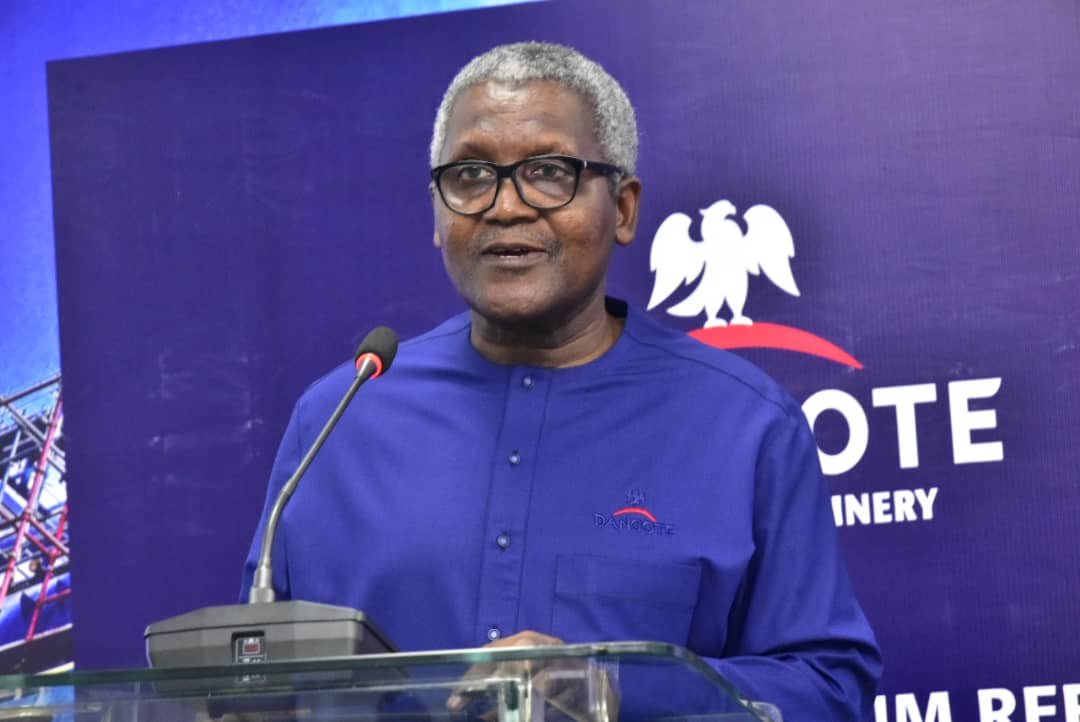
As Aliko Dangote turns 69, his story demands to be read not as a biography of wealth, but as a case study in Africa’s unfinished industrial argument.
For decades, the continent has lived with a structural contradiction. It exports raw materials and imports finished goods. It produces crude oil but imports refined fuel. It grows cotton but imports textiles. It produces cocoa but imports chocolate. It harvests timber yet imports something as basic as toothpicks. This imbalance has not merely defined Africa’s trade patterns; it has shaped its vulnerability.
Dangote’s career can be viewed as a sustained attempt to break that cycle.
What began as a trading enterprise has evolved into one of the most ambitious industrial platforms ever built on African soil. Cement, fertiliser, petrochemicals and now oil refining are not random ventures. They are deliberate interventions in sectors where Africa has historically ceded value to others.
This is what many entrepreneurs overlook. Not the opportunity to trade, but treading the harder, riskier path of building production capacity where none exists.
Recent analyses, including those from global business commentators, have framed Dangote’s model as a “billion-dollar path” hidden in plain sight: solving structural inefficiencies at scale rather than chasing fragmented market gains. It is a strategy that requires patience, capital and an unusual tolerance for long gestation periods.
Nowhere is this more evident than in the $20 billion Dangote Petroleum Refinery in Nigeria, a project that signals a shift not just for one country, but for an entire continent. With Africa importing the majority of its refined petroleum products, the refinery represents an attempt to anchor energy security within the continent.
Its timing is not incidental.
The global energy market has become increasingly volatile, particularly during geopolitical disruptions such as the recent crises in the Middle East. For African economies, which rely heavily on imported refined fuel, such shocks translate immediately into inflation, currency pressure, fiscal strain and higher poverty.
In those moments, domestic capacity ceases to be a matter of convenience and becomes one of sovereignty.
Dangote Petroleum refinery has already begun to play that role. By supplying refined products at scale, it reduces Africa’s exposure to external supply shocks and dampens the transmission of global price volatility into local economies. It is, in effect, a buffer against instability in a world where supply chains are no longer predictable. The refinery is not infrastructure. It is insurance against global instability.
But the ambition does not end there.
Dangote has articulated a vision to grow his business empire to $100 billion in value by 2030. This is not simply a statement of scale. It is a signal of intent to build globally competitive African industrial capacity.
When realised, such a platform would place an African conglomerate in a category historically dominated by firms from China, the United States and India—economies that have long leveraged industrial champions to drive national development.
The implications for Africa are significant.
Industrial scale matters. It lowers costs, improves competitiveness and attracts ecosystems of suppliers, logistics networks and skilled labour. Dangote’s cement operations across more than ten African countries have already demonstrated this multiplier effect, reducing import dependence while stabilising prices in local markets.
The same logic now extends to fertiliser, where Africa’s largest urea complex is helping to address agricultural productivity, and to refining, where fuel supply stability underpins virtually every sector of the economy.
Yet perhaps the most interesting shift in Dangote’s trajectory is philosophical.
In recent years, Dangote’s interventions have moved beyond industry into social infrastructure. A N1 trillion education commitment aimed at supporting over a million Nigerian students suggests an understanding that industrialisation without human capital is incomplete.
Factories can produce goods. Only education produces capability.
This dual focus—on both production and people—mirrors the development pathways of countries that successfully transitioned from low-income to industrial economies. In South Korea, for instance, industrial expansion was matched by aggressive investment in education and skills. The result was not just growth, but transformation.
Africa’s challenge has been the absence of such an alignment.
Dangote’s model, while privately driven, gestures toward that possibility: an ecosystem where energy, manufacturing and human capital evolve together.
Still, there are limits to what just one industrialist can achieve.
No matter how large, private capital cannot substitute for coherent policy, regulatory clarity and institutional strength. Industrialisation at scale requires coordination between state and market, not tension between them. This remains Africa’s unresolved question.
Beyond scale and industry, Aliko Dangote’s journey is anchored in faith—a belief that success is not merely achieved, but granted by God, and that wealth is a trust, not an end. His philanthropy reflects that conviction: that prosperity must serve a higher purpose. History suggests that, by divine providence, such figures appear sparingly—once in a generation—reminding societies that impact, at its highest level, is both economic and spiritual.
Dangote’s career offers both inspiration and caution. It shows that African industrialisation is possible, that scale can be achieved and that global competitiveness is within reach. But it also highlights how much of that progress still depends on singular vision rather than systemic design.
At 69, Dangote stands at a pivotal moment, not just personally, but historically.
He has built assets that did not previously exist. He has challenged economic assumptions that persisted for decades. And he has demonstrated that Africa can do more than export potential; it can manufacture reality. But the deeper test lies ahead.
Whether Africa transforms these isolated successes into a broader industrial awakening will determine whether Dangote’s legacy is remembered as exceptional—or foundational.
In a fragmented global economy, where supply chains are shifting and nations are turning inward, Africa has a unique opportunity to redefine its place.
Africa must now make a deliberate choice. For too long, its development path has been shaped by external prescriptions that prioritise consumption over production, imports over industry and short-term stability over long-term capacity. International institutions often speak the language of efficiency, yet the outcome has too frequently been a continent positioned as a market rather than a manufacturer—a destination for surplus goods rather than a source of value creation. This model has delivered dependency, not resilience. Industrialisation is not optional; it is the foundation of economic sovereignty. Africa cannot outsource its future. It must build it—by refining what it produces, manufacturing what it consumes and resisting the quiet drift towards becoming a permanent dumping ground in the global economy.
At 69, Aliko Dangote stands not at the end of a journey, but on the cusp of a larger question. His factories, refineries and investments are more than monuments of capital; they are proof that Africa can build, can produce and can compete. But no single individual can carry a continent across the threshold of industrialisation. The deeper test lies beyond him.
Whether Africa chooses to scale this vision or retreat into the familiar comfort of imports will define the decades ahead. Dangote has shown what is possible when ambition meets execution. The question now is whether others—governments, institutions, and investors—will match that courage with corresponding action.
History is rarely shaped by what is imagined. It is shaped by what is built.
Abiodun, a communications specialist, writes from Lagos
By Professor Myriam Sidíbe
Awards season this year was a celebration of Black creativity and cinema. Sinners directed by Ryan Coogler, garnered a historic 16 nominations, ultimately winning four Oscars. This is a film critics said would never land, which narrates an episode of Black history that had previously been diminished and, at some points, erased.
Watching the celebration of this film, following a legacy of storytelling dominated by the global north and leading to protests like #OscarsSoWhite, I felt a shift. A movement, growing louder each day and nowhere more evident than on the African continent. Here, an energetic youth—representing one-quarter of the world’s population—are using creativity to renegotiate their relationship with the rest of the world and challenge the social norms affecting their communities.
The Academy Awards held last month saw African cinema represented in the International Feature Film category by entries including South Africa’s The Heart Is a Muscle, Morocco’s Calle Málaga, Egypt’s Happy Birthday, Senegal’s Demba, and Tunisia’s The Voice of Hind Rajab.
Despite its subject matter, Wanuri Kahiu’s Rafiki, broke the silence and secrecy around LGBTQ love stories. In Kenya, where same sex relationships are illegal and loudly abhorred, Rafiki played to sold-out cinemas in the country’s capital, Nairobi, showing an appetite for home-grown creative content that challenges the status quo.
This was well exemplified at this year’s World Economic Forum in Davos when alcoholic beverages firm, AB InBev convened a group of creative changemakers and unlikely allies from the private sector to explore new ways to collaborate and apply creativity to issues of social justice and the environment.
In South Africa, AB inBev promotes moderation and addresses alcohol-related gender-based violence by partnering with filmmakers to create content depicting positive behaviours around alcohol. This strategy is revolutionising the way brands create social value and serve society.
For brands, the African creative economy represents a significant opportunity. By 2030, 10 per cent of global creative goods are predicted to come from Africa. By 2050, one in four people globally will be African, and one in three of the world’s youth will be from the continent.
Valued at over USD4 trillion globally (with significant growth in Africa), these industries—spanning music, film, fashion, and digital arts—offer vital opportunities for youth, surpassing traditional sectors in youth engagement.
Already, cultural and creative industries employ more 19–29-year-olds than any other sector globally. This collection of allies in Davos understood that “business as usual” is not enough to succeed in Africa; it must be on terms set by young African creatives with societal and economic benefits.
The key question for brands is: how do we work together to harness and support this potential? The answer is simple. Brands need courage to invest in possibilities where others see risk; wisdom to partner with those others overlook; and finally, tenacity – to match an African youth that is not waiting but forging its own path.
As the energy of the creative sector continues to gain momentum, I am left wondering: which brands will be smart enough to get involved in our movement, and who has what it takes to thrive in this new world?
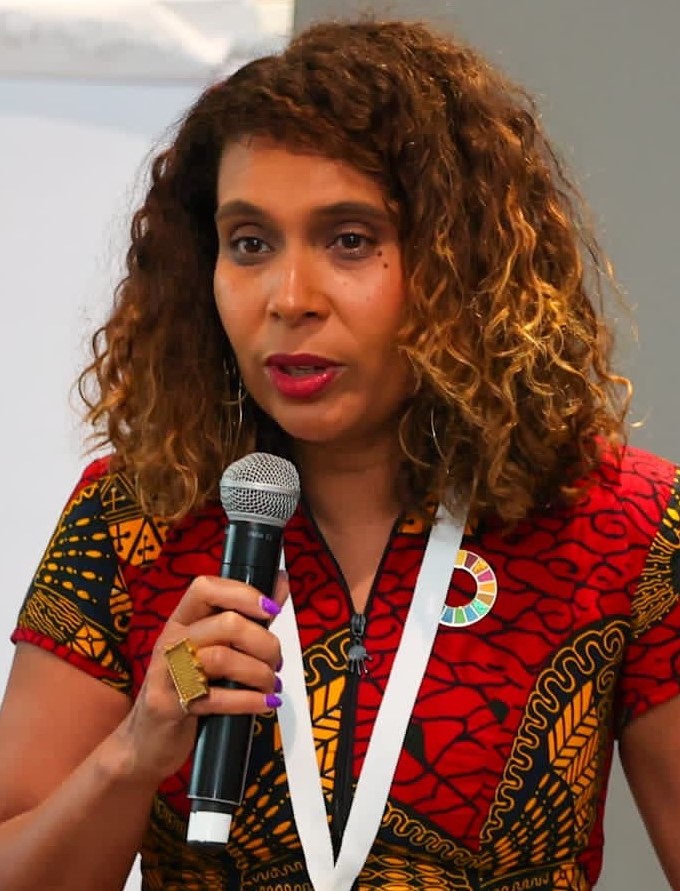
Professor Sidíbe, who lives in Nairobi, is the Chief Mission Officer of Brands on a Mission and Author of Brands on a Mission: How to Achieve Social Impact and Business Growth Through Purpose.
Feature/OPED
Why President Tinubu Must End Retirement Age Disparity Between Medical and Veterinary Doctors Now
By James Ezema
To argue that Nigeria cannot afford policy inconsistencies that weaken its already fragile public health architecture is not an exaggeration. The current disparity in retirement age between medical doctors and veterinary professionals is one such inconsistency—one that demands urgent correction, not bureaucratic delay.
The Federal Government’s decision to approve a 65-year retirement age for selected health professionals was, in principle, commendable. It acknowledged the need to retain scarce expertise within a critical sector. However, by excluding veterinary doctors and veterinary para-professionals—whether explicitly or by omission—the policy has created a dangerous gap that undermines both equity and national health security.
This is not merely a professional grievance; it is a structural flaw with far-reaching consequences.
At the heart of the issue lies a contradiction the government cannot ignore. For decades, Nigeria has maintained a parity framework that places medical and veterinary doctors on equivalent footing in terms of salary structures and conditions of service. The Consolidated Medical Salary Structure (CONMESS) framework recognizes both professions as integral components of the broader health ecosystem. Yet, when it comes to retirement policy, that parity has been abruptly set aside.
This inconsistency is indefensible.
Veterinary professionals are not peripheral actors in the health sector—they are central to it. In an era defined by zoonotic threats, where the majority of emerging infectious diseases originate from animals, excluding veterinarians from extended service retention is not only unfair but strategically reckless.
Nigeria has formally embraced the One Health approach, which integrates human, animal, and environmental health systems. But policy must align with principle. It is contradictory to adopt One Health in theory while sidelining a core component of that framework in practice.
Veterinarians are at the frontline of disease surveillance, outbreak prevention, and biosecurity. They play critical roles in managing threats such as anthrax, rabies, avian influenza, Lassa fever, and other zoonotic diseases that pose direct risks to human populations. Their contribution to safeguarding the nation’s livestock—estimated in the hundreds of millions—is equally vital to food security and economic stability.
Yet, at a time when their relevance has never been greater, policy is forcing them out prematurely.
The workforce realities make this situation even more alarming. Nigeria is already grappling with a severe shortage of veterinary professionals. In some states, only a handful of veterinarians are available, while several local government areas have no veterinary presence at all. Compelling experienced professionals to retire at 60, while their medical counterparts remain in service until 65, will only deepen this crisis.
This is not a theoretical concern—it is an imminent risk.
The case for inclusion has already been made, clearly and responsibly, by the Nigerian Veterinary Medical Association and the Federal Ministry of Livestock Development. Their position is grounded in logic, policy precedent, and national interest. They are not seeking special treatment; they are demanding consistency.
The current circular, which limits the 65-year retirement age to clinical professionals in Federal Tertiary Hospitals and excludes those in mainstream civil service structures, is both administratively narrow and strategically flawed. It fails to account for the unique institutional placement of veterinary professionals, who operate largely outside hospital settings but are no less critical to national health outcomes.
Policy must reflect function, not merely location.
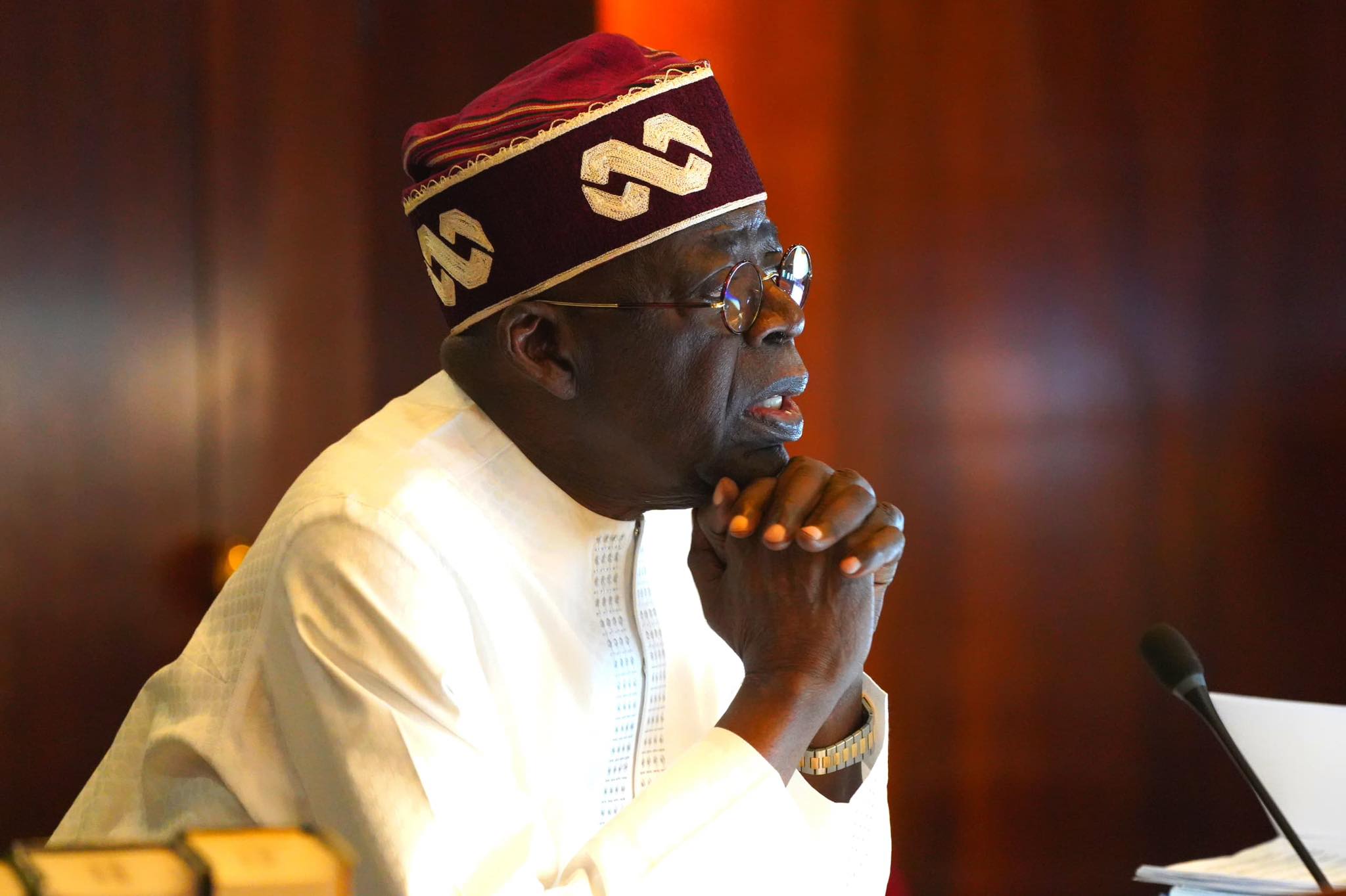
This is where decisive leadership becomes imperative. The responsibility now rests squarely with Bola Ahmed Tinubu to address this imbalance and restore coherence to Nigeria’s health and civil service policies.
A clear directive from the President to the Office of the Head of the Civil Service of the Federation can correct this anomaly. Such a directive should ensure that veterinary doctors and veterinary para-professionals are fully integrated into the 65-year retirement framework, in line with existing parity policies and the realities of modern public health.
Anything less would signal a troubling disregard for a sector that plays a quiet but indispensable role in national stability.
This is not just about fairness—it is about foresight. Public health security is interconnected, and weakening one component inevitably weakens the entire system.
Nigeria stands at a critical juncture, confronted by complex health, food security, and economic challenges. Retaining experienced veterinary professionals is not optional; it is essential.
The disparity must end—and it must end now.
Comrade James Ezema is a journalist, political strategist, and public affairs analyst. He is the National President of the Association of Bloggers and Journalists Against Fake News (ABJFN), National Vice-President (Investigation) of the Nigerian Guild of Investigative Journalists (NGIJ), and President/National Coordinator of the Not Too Young To Perform (NTYTP), a national leadership development advocacy group. He can be reached via email: [email protected] or WhatsApp: +234 8035823617.
-
 Feature/OPED6 years ago
Davos was Different this year
-
Travel/Tourism10 years ago
Lagos Seals Western Lodge Hotel In Ikorodu
-

 Showbiz3 years ago
Estranged Lover Releases Videos of Empress Njamah Bathing
-
 Banking8 years ago
Sort Codes of GTBank Branches in Nigeria
-

 Economy3 years ago
Subsidy Removal: CNG at N130 Per Litre Cheaper Than Petrol—IPMAN
-

 Banking3 years ago
Sort Codes of UBA Branches in Nigeria
-

 Banking3 years ago
First Bank Announces Planned Downtime
-

 Sports3 years ago
Highest Paid Nigerian Footballer – How Much Do Nigerian Footballers Earn