
Feature/OPED
Dr Joel Onafowokan: Celebrating A Shining Gift To Humanity And Fatherland

By Jerome-Mario Utomi
There are clear thinkers. There are also muddled thinkers. And at the rear are people you can’t explicitly refer to as Thinkers. They are just there. Neither warm nor cold. Not even lukewarm. They fall in between.
Clear thinkers are the ones that can cull everything down into the right points. And they are very hard to find. You can call them scarce commodities if you like. However, when you get yourself a team of clear thinkers, the possibilities are endless. These are men who see tomorrow, trailblazers and high-level executives, often misunderstood by some fellow countrymen still stuck in the old normal of yesterday.
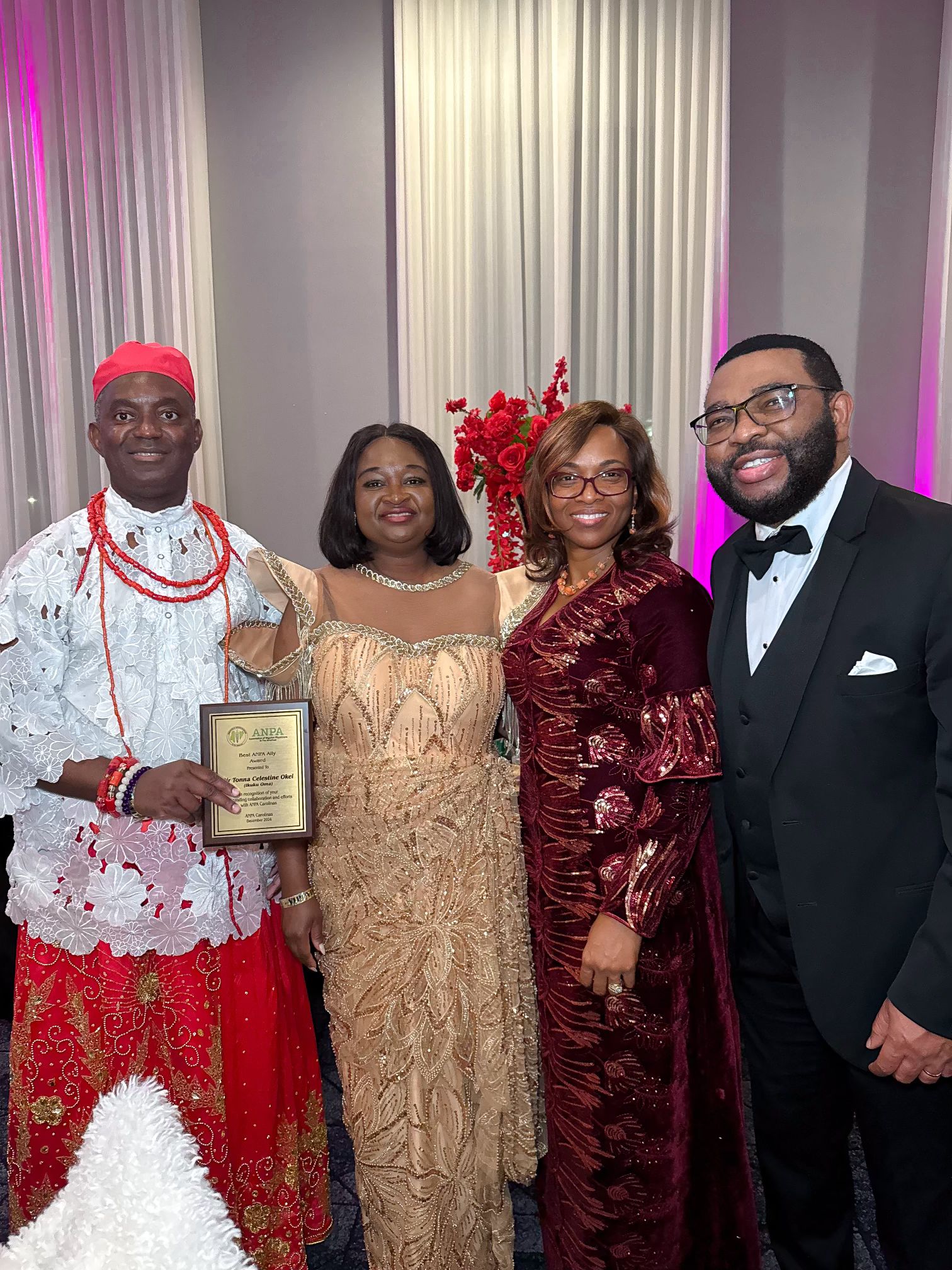
Without any shadow of the doubt, the globally celebrated physician, Dr Joel Onafowokan, Chairman, Association of Nigerian Physicians in the Americas, (ANPA) Carolina chapter is a rare breed. He is a “scarce commodity”. He is invaluable and priceless. He is an asset to his country and fellow compatriots. Dr Onafowokan is a clear thinker. He belongs to the league of clear thinkers as outlined by Justin Merkins and illustrated above.
Given his scorecard of transformative leadership characterized by unwavering commitment to coordinated sustainable development, Dr Onafowokan is celebrated by fellow Physicians from Nigeria and other parts of the world resident in the Americas. He is a product of ingenuity and resourcefulness, a thoroughbred professional and administrator who approaches leadership roles with great enthusiasm, devotion and selflessness. Dr Onafowokan spends his energy in worthy causes and in the end, triumphs with high-impact achievements.
Dr Onafowokan’s strong leadership and commitment to protecting the political and socio-economic interests of Nigerians in the United States, has through strong alliances with credible development-oriented institutions seen ANPA, Carolina Chapter gain visibility and recognition in the comity of Medical Associations and Governmental Agencies.
A foremost example of such a relationship is the robust alliance between ANPA and the Grand Knight Sir Tonna Okei (Ikuku Oma), led Organization of African Unity (OAU), South Carolina, United States of America (USA).
On Saturday May 3, 2025, the ANPA America Carolina’s Chapter, in conjunction with Heart Bright Foundation, at Carolina Lakes Golf Club, 23012, Kingfisher Dr, Indiana Land, SC, United States of America (USA), held its 2025 ANPA Carolina Symposium and Golf Tournament, to raise funds for ANPA National to support medical missions and workshops in Nigeria.
At the event, ANPA made a donation of $20, 000, to Heart Bright Foundation, a health focused- organization whose mission is to promote cardiovascular wellness through prevention, awareness, and partnerships in the Charlotte Mecklenburg area of the country. The gesture was received by Ms Nicole Bonesteel on behalf of Heart Bright Foundation.
I am confident that the donated sum will go a long way in helping put smiles on the faces of those in need of cardiovascular medical help.
Heart Bright Foundation focuses mainly on cardiovascular wellness and education by treating the risks such as diabetes, stroke, and hypertension. They have a free clinic in the South End area which helps patients that have (or are at high risk for) heart disease or Diabetes.
In a similar vein, the ANPA Carolina chapter, alongside the Nigerian Physicians Advocacy Group (NPAG), Sir Okei’s (Ikuku Oma), OAU met with key U.S. leaders on Saturday, September 14, 2024, in Columbia, SC, and held discussions that focused on opening pathways for strategic collaborations and strengthening critical relationships between government entities and the Nigerian community.
ANPA, a non-profit organization representing Nigerian medical professionals in America was incorporated in 1995 for educational, scientific and charitable purposes as a tax-exempt non-profit organization under section 501(c)(3) of the internal revenue code, NPAG, under the leadership of Dr. Susan Edionwe, MD, FACS, serves as the 501(c)(4) advocacy affiliate of ANPA, a 501(c)(3) philanthropic organization. Both entities represent physicians residing and practicing in the Americas.
The delegation to the meeting was led by Dr Onafowokan (Chairman), Dr Uyi Igbinadolor, with Grand Knight Emeritus Okei (Ikuku Oma), President of OAU, SC, and Ms Nnenna Amuji, Presidential Aide.
The group paid a joint working and courtesy visit to the federal appointee for the South-east Crescent Commission, a federal agency in the United States.
Worthy of mention is that Dr Onafowokan holds in high esteem, his predecessors as attested by his recent visit to the grave side of Dr Nova Omoigui, the former president of ANPA. He was accompanied on the visit by Dr Igbinadolor, a physician per excellence, Okei (Ikuku Oma), President of the Organization of African Unity SC.
Again, as a result of Dr Onafowokan’s sterling leadership provisions, the sheriff of Mecklenburg county was the special guest of honor at the 2025 ANPA end of the year celebration where he praised the relationship ANPA is exploring in conjunction with OAU, and looks forward to a more robust relationship between the sheriff’s county, the sheriff’s office and ANPA.
There are three ways in x-raying Dr Onafowokan’s character trait. Firstly, he is not only a clear thinker but a man with sound leadership judgement and cerebral in thinking. Secondly, his organizing and human relations prowess are not only heroic but exemplary. Thirdly, He is imbued with the capacity to deliver on any given assignment, blessed with grace to take any given organization from where it is to where it ought to be.
A highly skilled physician, Dr Onafowokan specializes in primary care, internal medicine, and hospital care. He’s board-certified in internal medicine by the American Board of Internal Medicine and has advanced certifications in cardiac life support and trauma life support.
Dr Onafowokan earned his medical degree from the University of Benin, Nigeria, and completed his internship and residency at Columbia University College of Physicians and Surgeons in New York.
With over 15 years of experience, he has worked in various clinical settings, including emergency and critical care. He is passionate about providing superior health services and stays updated with the latest research to deliver high-quality care. He is affiliated with Faith Medical Center in Charlotte, North Carolina, and holds admitting privileges with Novant Health hospital network.
Very unique is the awareness that in their civil and detribalized nature, Tonna Okei and Joel Onafowokan both married Yoruba wives, Dr (Mrs) Oluwatoyin Okei (Ugodie) and Mrs Anne Onafowokan. And the two women are doing exceedingly well in both home management and in giving support to their husbands community development efforts.
What the above tells us is that Dr Onafowokan is an asset that needs to be deployed for national use. It will be in the immense benefit of our dear country if the government taps from his wealth of exhilarating knowledge and leadership acumen. Given his sterling qualities, efforts and selfless contributions to development, it is my opinion that it will be highly rewarding if Dr Onafowokan is partnered by the government or outrightly hired to bring his skills, leadership, administrative and patriotic fervour to bear on national service, especially as the Tinubu administration focuses on rebuilding the country and renewing Nigerians’ hope for a better tomorrow.
Utomi, a Media Specialist writes from Lagos, Nigeria. He could be reached via *********@***oo.com/” target=”_blank” rel=”nofollow noopener” data-saferedirecturl=”https://www.google.com/url?q=http://Je*********@***oo.com/08032725374&source=gmail&ust=1767709551665000&usg=AOvVaw0uzHFXHiQYoxWUU38Q1qfT”>Je*********@***oo.com/08032725374


By Vivian Imoh-Ita
Across African banking, the conversation is shifting from “inclusion as intent” to “inclusion as performance.” Margin pressure, recapitalisation conversations, digitisation, and tighter risk expectations are forcing a hard question: where will sustainable, low-volatility growth come from in the next cycle? One answer is hiding in plain sight: women-led enterprises, underfunded, underserved, and consistently productive.
In Nigeria’s informal economy, where cash flow is real but documentation is uneven, the institutions that win will be the ones that price risk with better signals, distribute at scale, and convert trust into long-term financial relationships. Too often, women’s economic participation is framed as a social commitment rather than a commercial imperative.
That framing is expensive: when we fail to design capital, products, and distribution around the realities of women in business, we don’t just exclude customers, we misprice opportunity and leave growth on the table. Women in Nigeria are not waiting to be “empowered” before they build.
They are already trading, employing, and sustaining households at scale. The real constraint is not capability; it is the fit between how finance is structured and how women-owned businesses actually operate: cash-flow patterns, collateral realities, and the need for speed, trust, and advisory alongside capital.
Three practical frictions show up repeatedly: Collateral versus cash-flow: many viable women-run businesses are cash-generative but asset-light, so collateral-heavy underwriting excludes the very segment banks say they want. Information gaps: when transactions happen outside formal rails, banks see “thin files.”
But thin files are not the same as high risk; they are a data problem that better design and alternative signals can solve. Time-to-cash matters: entrepreneurs often need small, fast working-capital decisions, not slow processes built for corporate cycles.
Speed is a risk tool when it is paired with the right controls. Nigeria has roughly 23 million women entrepreneurs in the micro-business segment, one of the highest rates of female entrepreneurship globally.
Women account for 41% of SME ownership, and SMEs contribute nearly half of the national GDP. Yet access to formal finance remains disproportionately low: women receive only about 10% of loans from financial service providers, and an estimated 98% of women entrepreneurs still lack access to formal credit.
An internal strategy analysis drawing on EFInA/Global Findex/SMEDAN data shows a structural gap: 41% of Nigerian women are financially excluded (vs 33% for men), and while 39% of women borrowed from multiple sources, only 4% accessed a bank loan.
Across Africa, the financing gap for women-led businesses is estimated at $42 billion. This is not a “nice-to-have” agenda. McKinsey Global Institute’s The Power of Parity estimates that advancing women’s equality could add up to $12 trillion to global GDP.
The IMF has estimated that equal participation by women could lift GDP by as much as 40% in some countries. For Nigeria, an analysis cited by the Council on Foreign Relations, drawing on McKinsey’s data, projects that closing the gender gap in economic participation could increase GDP by 23%.
For banks, the implication is straight-forward: women-led enterprises are not a niche; they are a mass-market growth opportunity. Unlocking it requires moving from “product availability” to “product usability”: cash-flow-based lending, simpler onboarding, distribution through digital and agent rails, and trust-by-design (clear pricing, consumer protection, and strong data privacy). Usage is what creates the data to lend responsibly at scale.
There is also a practical reason the returns are outsized: women tend to reinvest more of what they earn into their families and communities, often cited as up to 90%, driving a multiplier effect that shows up in education, health outcomes, and local employment.
For financial institutions, that multiplier is not just a story; it is a durable pathway to deposit growth, transaction volume, credit performance, and long-term customer value. I have seen this play out across Nigeria, in every state and market. The woman selling clothes in Balogun Market employs three other women and sends five children to school.
The general merchandise trader in Onitsha Market is the economic anchor of her extended family. Each of these women is a multiplier, and each of them started with someone, somewhere, giving her a loan, a skill, an opportunity, a chance. That is the “Give to Gain” principle made real. Giving is not a subtraction. It is, as this year’s IWD campaign puts it, intentional multiplication.
At Union Bank, we treat women’s financial inclusion as a core product strategy, not CSR, because the commercial logic is clear. When a woman builds financial capability, she doesn’t just open an account. She saves, transacts, borrows responsibly, expands her business footprint, and brings others with her.
We also understand that distribution is a strategy. Union Bank’s UnionDirect agency banking network operates over 58,000 agents across rural and underserved communities, extending access to deposits, withdrawals, and micro-lending where branches cannot cover the economics.
We have also disbursed over N50 billion in micro-lending to smallholder farmers, market women, and informal entrepreneurs, because inclusion only becomes real when it is usable, frequent, and local.
In a market where a large share of working women operates in the informal sector, bringing women into the formal financial system through savings, digital banking, micro-lending, and insurance is a material growth frontier. Multiple studies across emerging markets also show women often have lower default rates than men, reinforcing what many banks observe in practice: disciplined cash management and strong repayment culture when products are designed around real operating conditions.
That is why we created alpher, Union Bank’s women’s banking proposition launched in 2020 and aligned with SDG5 on Gender Equality. Alpher is designed for the Nigerian woman, whether she is an entrepreneur, a working professional, or managing household finances. For women in business, alpher combines tailored loans and savings plans with capacity-building, mentorship, and practical masterclasses, because capital without capability yields fragile outcomes. alpher is built around a simple promise: practical financial solutions, support systems, savings and investment options, discounted loans, personal and professional development, mentorship/coaching/networking, discounted healthcare plans, and lifestyle/business discounts.
Operationally, we segment customers into individuals (professionals and entrepreneurs), women-led organisations, and organisations that support women in their workforce and supply chains. Hence, the service is relevant, not generic.
Practically, that has meant designing access to credit with reduced collateral requirements, recognising that traditional collateral models were not built around women’s asset ownership patterns.
It has also meant investing deliberately in skills, entrepreneurship, bookkeeping, pricing, digital commerce, and personal finance, so that funding translates into resilience, not just activity.
One initiative I am particularly proud of is the alpher Fair. In this marketplace concept, we open our premises (and those of partners) to women entrepreneurs to sell directly to customers, employees, and partner networks.
It creates immediate market access, strengthens visibility, and proves a simple point: scaling women-owned businesses is often about building pipelines of customers, information, and trust, not just issuing loans. Beyond our own programmes, we partner to scale outcomes.
In May 2025, through alpher, Union Bank sponsored the Nigerian British Chamber of Commerce (NBCC) Women and Youth Entrepreneurship Development Centre (WYEDC) Cohort 2 Programme, which graduated 125 entrepreneurs who benefited from entrepreneurship training and business grants. At the graduation, we hosted a pitch segment that awarded funding to standout entrepreneurs. This is the point: capability building is not “soft.”
It is pipeline development for stronger businesses and better credit outcomes. Importantly, alpher sits within Union Bank’s broader retail and SME ecosystem, loan products, business advisory, digital payment infrastructure, and growth workshops, so customers can access funding, learn how to deploy it, connect to mentors and peers, and gain visibility for their businesses.
The objective is straightforward: build businesses that last. The next phase of banking growth in Nigeria will favour institutions that translate insight into design products that reflect customer reality, distribution that meets customers where they are, and risk models that recognise performance beyond legacy collateral. Backing women-led enterprise is not a campaign; it is a competitive advantage.
The forward-looking question is whether we will build the rails, capital, capability, digital trust, and market access fast enough to earn the growth already waiting in plain sight. If we are serious about inclusive growth, we should be equally serious about inclusive balance sheets and about building the underwriting, data, and distribution models that make inclusion commercially sustainable.
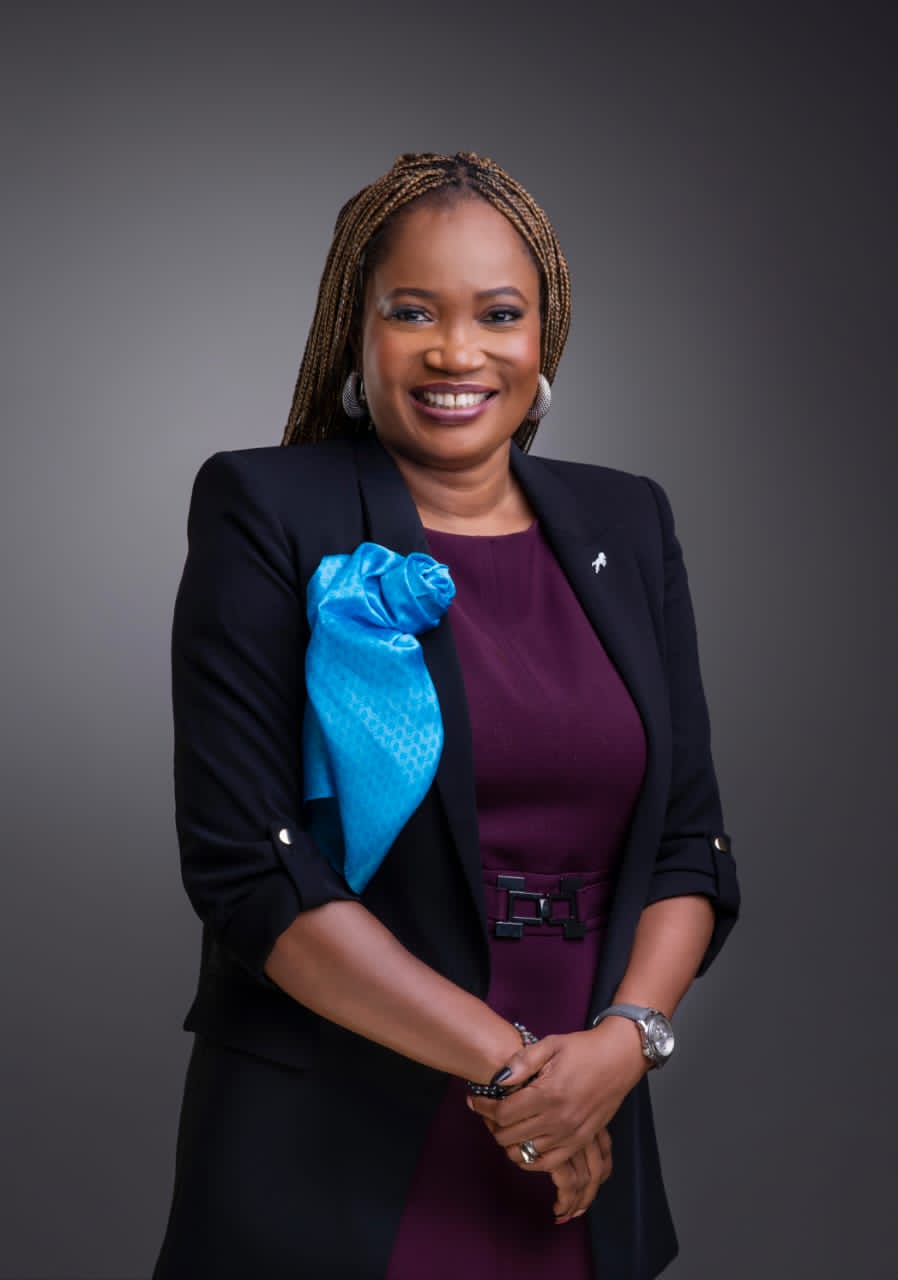
Vivian Imoh-Ita is Head, Retail & SME Business at Union Bank of Nigeria, with a focus on building retail and SME propositions that drive inclusion, growth, and long-term customer value

By Olumide Balogun
Picture this scenario. You are at a fun party in Lagos. Amidst the sea of colourful jackets and perfectly tailored pants, you spot a guest wearing a pair of striking sneakers that perfectly blend modern streetwear with traditional Aso-Oke fabric. You want to buy a pair immediately. The music is loud, and the guest is across the banquet hall. A few years ago, you would simply have to wonder who made them. Today, you pull out your smartphone, tap the camera icon in your search app, and snap a quick photo. Within seconds, the technology identifies the exact local designer, shows you product reviews, and provides a direct link to their online store.
As the great Chinua Achebe famously wrote, “The world is like a Mask dancing. If you want to see it well, you do not stand in one place.”
The modern Nigerian consumer has certainly moved. They are actively experiencing the world visually, turning their smartphone cameras into their primary shopping tool. Nigerians are highly optimistic about this technological shift. In fact, 80% of Nigerians are more excited about the possibilities of AI, versus just 20% who are more concerned. This enthusiasm translates directly to commerce and innovation. Currently, 80% of Nigerians are using AI to explore a new business or career change, nearly double the global average of 42%. For Nigerian marketers, understanding this shift is the exact key to unlocking unprecedented business growth.
We are witnessing a massive transformation in how people consume media and discover products. YouTube watch time in Nigeria recently jumped by over 55% year over year. Our incredibly young, digital native population is actively redefining the media landscape by immersing themselves in video and visual content. Consequently, they are moving rapidly toward visual and video-led discovery.
The Rise of Visual Search. The modern Nigerian shopper uses their camera to ask questions. Globally, Lens is used for over 20 billion visual searches every month. Features like Circle to Search and video understanding allow users to interact with their surroundings instantly.
A shopper can now circle a fashion item they spot in a social media video or use their camera to scan a product in real life to find out more. Gen Z consumers are leading this charge. They use visual search to effortlessly discover products they cannot easily describe with words. They see something they love, and they use their camera to find it.
Making the Real World Shoppable. This visual behaviour creates a powerful new reality for retail. Imagine a consumer walking through a busy mall and spotting a stylish backpack in a store window. They simply tap the Lens icon on their phone and snap a photo. Instantly, they see a highly helpful results page showing product reviews, price comparisons across different retailers, and direct links to buy.
Google is integrating Shopping Ads directly into these visual search results. Advertisers can now connect with highly motivated shoppers at the exact moment their interest is piqued. The opportunity for businesses is immense, considering 1 in every 4 visual search queries done using Google Lens has a commercial intent. Your product can appear right alongside the items people are photographing out in the real world, turning everyday inspiration into immediate sales.
Video as the New Storefront. This visual revolution extends directly into online video. With YouTube becoming the primary screen for many Nigerians, video serves as the new digital storefront. Consumers turn to YouTube to discover trends, learn new skills, and make confident purchase decisions based on trusted creator reviews.
Brands must capture customer interest while users are deeply engaged in this video content. Google’s Demand Gen campaigns make this process highly effective. These AI-driven campaigns take your best video and image assets and automatically serve them across YouTube and other visual platforms. The results speak for themselves. Advertisers are more likely to say Google Search and YouTube drive business growth more than any other paid advertising platforms.
Step Into the Frame The language of commerce is increasingly visual. Nigerian consumers are already using their cameras and screens to navigate their shopping journeys. Marketers who embrace this visual commerce revolution will build stronger, more profitable connections with their audiences.
By optimising your visual product assets, leveraging AI tools like Demand Gen, and preparing for ads in visual search, you position your brand right at the heart of the modern shopping experience. The camera is the most powerful tool in your customer’s hand today. It is time for your business to step into the frame.
Olumide Balogun is the Director for Google West Africa

By Chinwe Iwobi
In Nigeria, women are the backbone of our economy. Data from the National Bureau of Statistics shows that women own approximately 40% of small and medium-sized enterprises across the country (NBS Country Data Overview 2023). Yet despite their outsized contribution to GDP, women-led businesses continue to face systemic barriers to the capital and financial infrastructure needed to scale.
The cost of that gap is not abstract. When these entrepreneurs are held back, the ripple effect runs deep, from household stability to the education of the next generation. But the narrative is shifting. Nigerian women are proving, consistently, that they are not just resilient; they are sophisticated, high-earning innovators building businesses that deserve serious financial strategy.
Here are five foundational strategies every women-led business should be deploying to build lasting, generational wealth.
- Separate Business and Personal Finances Without Exception
Mixing personal funds with business cash is one of the most common and most damaging financial habits I see among growing entrepreneurs. It obscures your true profit margins, makes tax planning nearly impossible and, critically, disqualifies you from accessing formal credit when you need it most.
The discipline of separation is not just administrative. It is the first signal you send to the financial system that your business is serious. Open a dedicated business account, maintain clean transaction records, and treat your business finances with the same rigour you would expect from any enterprise operating at scale. Clarity on your numbers is the foundation on which every other strategy here depends.
- Build Both an Emergency Fund and an Opportunity Fund
Most financial advice stops at the emergency fund, which is three to six months of operating expenses set aside for lean periods. That is necessary, but insufficient. The entrepreneurs I have watched grow most aggressively also maintain what I call an opportunity fund: accessible liquidity specifically reserved to move fast when a prime supplier deal, an expansion location, or a bulk inventory discount appears.
In an unpredictable market like Nigeria’s, the businesses that scale are rarely the ones with the best products alone. They are the ones with the financial readiness to act decisively. Products like FairMoney’s FairSave are designed precisely for this, keeping your funds accessible while earning competitive daily interest so your idle cash is working even when you are not. Build both buffers, and build them before you think you need them.
- Invest Profits Back into Revenue-Generating Assets
Surplus cash sitting in a current account is a slow leak. Inflation erodes it, and opportunity costs compound quietly. The discipline here is to consistently channel profits back into assets that grow your revenue capacity, whether that is new equipment, improved technology, better inventory systems, or staff training.
For capital you do not need immediately, consider locking it into a fixed-term savings product that offers higher interest returns. The psychological benefit is as important as the financial one: ring-fencing that capital removes it from day-to-day spending temptation and ensures it is preserved and grown for a defined purpose. Discipline in capital allocation separates businesses that plateau from those that compound.
- Diversify Your Revenue Streams Intentionally
Single-stream businesses are inherently fragile. If your sole revenue source is disrupted by market shifts, a supply chain breakdown, or a change in consumer behaviour, your entire operation is exposed. Resilience is built by design, not by accident.
If you are in retail, consider adding a service-based arm. If you are service-led, explore whether digital products or training offerings could create passive income alongside your core work. Beyond product diversification, consider how you accept payments. Building a verified, diverse transaction history through formal payment channels also quietly strengthens your credit profile, an asset that pays dividends when you approach lenders for growth financing. FairMoney’s Business POS infrastructure, for instance, allows entrepreneurs to expand their payment reach while simultaneously building that financial track record.
- Invest Beyond the Business
This is the strategy most women entrepreneurs delay for too long, and it is the one I feel most strongly about. Relying entirely on your business for your net worth is a high-risk position, no matter how well that business is performing. Businesses face cycles; personal wealth should not.
As your business stabilises, begin systematically moving a portion of your profits into personal investment vehicles such as long-term savings accounts, money market funds, or other instruments that sit entirely outside the business cycle. Automate it if you can, so the decision is made once and executed consistently. The goal is to build a personal financial foundation that remains intact regardless of what your business goes through in any given quarter. True wealth is not what your business is worth on paper. It is what you own independently of it.
The Bigger Picture
For female entrepreneurs in Nigeria, wealth-building is not simply a personal ambition; it is an economic argument. When women-led businesses scale, communities stabilise, households invest in education, and local economies deepen. The strategies above are not complicated, but they require consistency and the right financial infrastructure to execute well.
The tools exist. The opportunity is real. What remains is the decision to treat your business, and your personal wealth, with the long-term seriousness both deserve.
Chinwe Iwobi is the Head of Wealth Management at FairMoney Microfinance Bank











-
 Feature/OPED6 years ago
Davos was Different this year
-
Travel/Tourism10 years ago
Lagos Seals Western Lodge Hotel In Ikorodu
-

 Showbiz3 years ago
Estranged Lover Releases Videos of Empress Njamah Bathing
-
 Banking8 years ago
Sort Codes of GTBank Branches in Nigeria
-

 Economy3 years ago
Subsidy Removal: CNG at N130 Per Litre Cheaper Than Petrol—IPMAN
-

 Banking3 years ago
Sort Codes of UBA Branches in Nigeria
-

 Banking3 years ago
First Bank Announces Planned Downtime
-

 Sports3 years ago
Highest Paid Nigerian Footballer – How Much Do Nigerian Footballers Earn