
General
Choc City Boss Audu Maikori Arrested in Lagos



By Modupe Gbadeyanka
Security officials have reportedly apprehended CEO of a top entertainment outfit in Nigeria, Chocolate City, Mr Audu Maikori, over comments he made few weeks ago on the Southern Kaduna crisis.
It would be recalled that after posting on his Twitter account about a fatal attack on his relatives, Mr Maikori, who is a lawyer, apologised when he realised that his information was false.
He had said that some Fulani herdsmen attacked and killed some students of the College of Education in Gidan Waya. He said he had relied on information given to him by his driver.
But when management of the school released a statement to state that none of its student was killed by herdsmen as claimed by Mr Maikori, the Chocolate City boss wrote, “I hereby tender an unreserved and sincere apology to the Management of the College of Education, Gidan Waya, His Excellency the Governor of Kaduna State and the Kaduna State Government, and also to the people of Southern Kaduna and the Fulani community and also VANGUARD newspapers whose source was my driver for the false statement by my driver which I also publicized believing same to be true.”
But on Friday, security operatives arrested the Choc City boss in Lagos and took him to the Force Headquarters in Abuja.
It was gathered that Mr Maikori was apprehended by the police for allegedly inciting the public with his tweets.
He may be charged to court next, week heard, though we are yet to verify this.
Chocolate City boasts of top artistes in Nigeria like MI Abaga, Ice Prince, Nosa and others.




By Adedapo Adesanya
The Executive Director/GCOO of Pathway Holdings Limited, Mrs Dolapo Akanbi-Alade, has called for increased inclusion of Nigerian women in finance as the world marks International Women’s Day 2026.
International Women’s Day 2026 is marked every March 8, and this year’s theme is Give To Gain.
In a statement shared with Business Post, Mr Akanbi-Alade noted that while International Women’s Day highlights the need for gender equality, significant progress requires deliberate policies and systems that expand women’s access to finance and leadership opportunities.
She emphasised that many Nigerian women and women-led businesses still face limited access to finance, highlighting the urgent need for targeted inclusion initiatives.
“At Pathway Holdings, we empower women and give access to investment advisory, asset management, and lending solutions for institutions, high-net-worth individuals, and businesses. Ensuring that women and women-led enterprises can access these opportunities is critical to building a more inclusive financial system,” she added.
Mrs Akanbi-Alade said, “Women’s access to finance is not only a social responsibility but essential for national productivity and economic growth’’. She co-founded the following companies:
Pathway Asset Management Limited is registered and regulated by the Securities and Exchange Commission, Nigeria, as a Fund and Portfolio Manager. The product range includes Pathway Fixed Deposit Notes, Privately Managed Notes, Pathway Private Portfolio Management, Investment Advisory, and Mutual Funds, which will be launched soon.
Pathway Advisors Limited is registered and regulated by the Securities and Exchange Commission (SEC) as an Issuing House and financial adviser. Pathway Advisors’ services cover Mergers and Acquisitions (M&A), Capital-Raising, Financial Advisory, Rating Advisory, and Project and Structure Finance.
Fundbox Financial Services Limited is a wholly owned micro-lending company providing short-term personal and SME finance loans to salaried individuals, self-employed personnel, and small businesses. They offer services which include Cars4Cash, SME Loans, Personal Loans, and Group Employee Loans. Fundbox has successfully disbursed a wide range of loans to both corporate and individual clients, supporting their financial needs and business growth.
Pathway Holdings Limited is a notable investment holding firm focusing on private market investments, including private equity, private credit, and infrastructure. Pathway creates customised investment solutions for institutional investors and individuals, leveraging its extensive experience and local footprint.
By Adedapo Adesanya
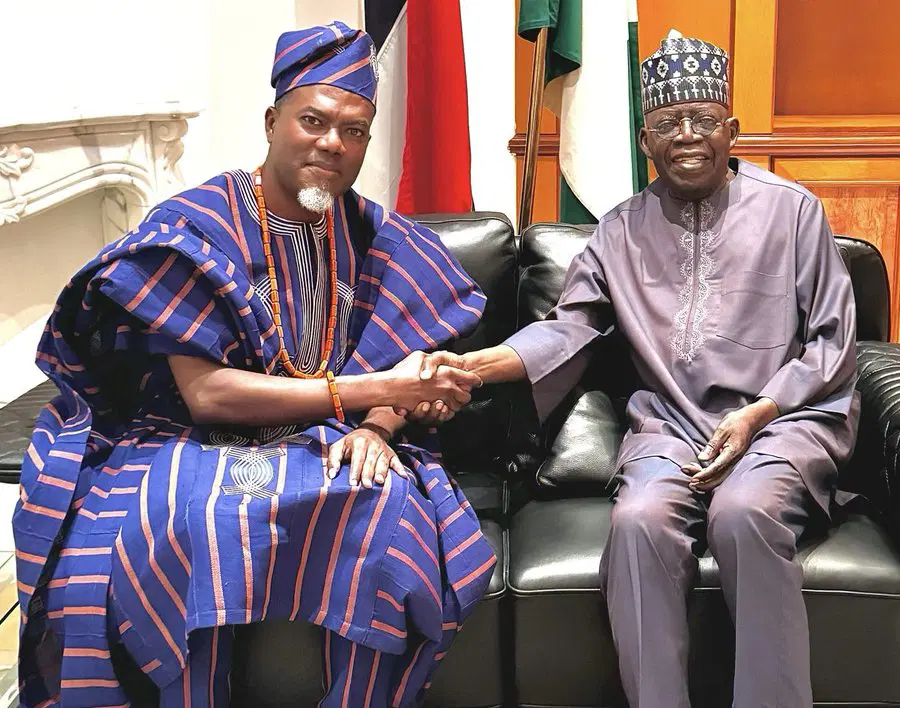
President Bola Tinubu has approved the postings of 65 ambassadors-designate and high commissioners to various countries and the United Nations, including the former head of the Department of State Services (DSS), Mr Lateef Kayode Are, who is to serve in the United States.
The Special Adviser to the President on Information and Strategy, Mr Bayo Onanuga, disclosed on Friday that 31 non-career and 34 career ambassadors have been assigned to their duty posts.
The Senate had confirmed all 65 nominees in December 2025 following screening by the Committee on Foreign Affairs.
The Ministry of Foreign Affairs has been directed to immediately commence an induction programme for the envoys, who will assume duties after receiving agrément from their host countries.
Below is the full list of postings:
NON-CAREER AMBASSADORS
1. Senator Grace Bent — Togo (Lomé)
2. Senator Ita Enang — South Africa
3. Ikpeazu Victor — Spain
4. Nkechi Linda Ufochukwu — Israel (Tel Aviv)
5. Mahmud Yakubu — Qatar
6. Paul Oga Adikwu — Vatican City Holy See
7. Vice Admiral Ibok-Ete Ekwe Ibas — Philippines
8. Reno Omokri — Mexico
9. Engr. Abasi Braimah — Hungary (Budapest)
10. Mrs Erelu Angela Adebayo — Portugal
11. Barr. Oluwayimika Ayotunwa — Japan (Tokyo)
12. Ifeanyi Lawrence Ugwuanyi — Greece (Athens)
13. Barr. Chioma Priscilla Ohakim — Poland (Warsaw)
14. Aminu Dalhatu — United Kingdom (High Commissioner)
15. Lt. Gen. Abdulrahman Bello Dambazau — China (Beijing)
16. Tasiu Musa Maigari — Gambia
17. Olufemi Pedro — Australia
18. Barr. Muhammed Ubandoma Aliyu — Argentina
19. Lateef Kayode Are — United States
20. Amb. Joseph Sola Iji — Russia
21. Senator Jimoh Ibrahim — United Nations (Permanent Representative)
22. Femi Fani-Kayode — Germany
23. Prof. Isaac Folorunso Adewole — Canada (Ottawa)
24. Fatima Florence Ajimobi — Austria
25. Mrs Lola Akande — Sweden
26. Ayodele Oke — France
27. Yakubu N. Gambo — Saudi Arabia
28. Senator Prof. Nora Ladi Daduut — South Korea (Seoul)
29. Barr. Joe-Kyari Okocha, SAN — Ireland (Dublin)
30. Dr Kulu Haruna Abubakar — Tunisia (Tunis)
31. Hon. Jerry Samuel Manwe — Trinidad and Tobago (Port of Spain)
CAREER AMBASSADORS
32. Ambassador Nwabiola Ezenwa Chukwumeka — Côte d’Ivoire
33. Besto Maimuna Ibrahim — Niger (Niamey)
34. Monica Okwuchukwu Enebechi — São Tomé and Príncipe
35. Ambassador Mohammed Mahmud Lele — Algeria (Algiers)
36. Endoni Syndoph Paebi — Burkina Faso (Ouagadougou)
37. Ahmed Mohammed Monguno — Egypt (Cairo)
38. Ambassador Jane Adams — Jamaica (Kingston)
39. Ambassador Clark-Omeru Alexandra — Zambia (Lusaka)
40. Chima Geoffrey Lioma David — Mali (Bamako)
41. Ambassador Odumah Yvonne Ehinosen — Equatorial Guinea (Malabo)
42. Ambassador Wasa Segun Ige — Lebanon (Beirut)
43. Ruben Abimbola Samuel — Italy (Rome)
44. Ambassador Onaga Ogechukwu Kingsley — Mozambique (Maputo)
45. Ambassador Magaji Umar — DR Congo (Kinshasa)
46. Ambassador Muhammad Saidu Dahiru — India (New Delhi)
47. Ambassador Abdussalam Habu Zayyad — Senegal (Dakar)
48. Ambassador Shehu Ilu Barde — Ghana (Accra)
49. Ambassador Aminu Nasir — Ethiopia
50. Abubakar Musa — Chad (N’Djamena)
51. Ambassador Haidara Mohammed Idris — Netherlands (The Hague)
52. Ambassador Bako Adamu Umar — Morocco (Rabat)
53. Ambassador Sulu Gambari Olatunji Ahmed — Malaysia
54. Ambassador Romata Mohammed Omobolanle — Tanzania
55. Ambassador Shaga John Shamah — Botswana
56. Hamza Mohammed Salau — Iran (Tehran)
57. Ambassador Ibrahim Danlami — Kenya
58. Ibrahim Adeola Mopelola — Benin (Cotonou)
59. Ambassador Ayeni Adebayo Emmanuel — Belgium (Brussels)
60. Ambassador Akande Wahab Adekola — Switzerland (Berne)
61. Ambassador Arewa Esther — Namibia (Windhoek)
62. Ambassador Gergadi Joseph John — Gabon (Libreville)
63. Ambassador Luther Ogbomode Ayo-Kalata — Sierra Leone
64. Danladi Yakubu Nyaku — Sudan (Khartoum)
65. Bello Dogon-Daji Haliru — Thailand (Bangkok)
Mr Onanuga noted that the Ministry of Foreign Affairs has already received agrément from the United Kingdom for High Commissioner-designate Aminu Dalhatu, and from France for Ambassador Ayodele Oke.
Nominations of the remaining 62 envoys have been conveyed to their respective host countries pending agreement.
General
In Celebration of International Women’s Month, CANAL+ and MultiChoice Celebrate African Women

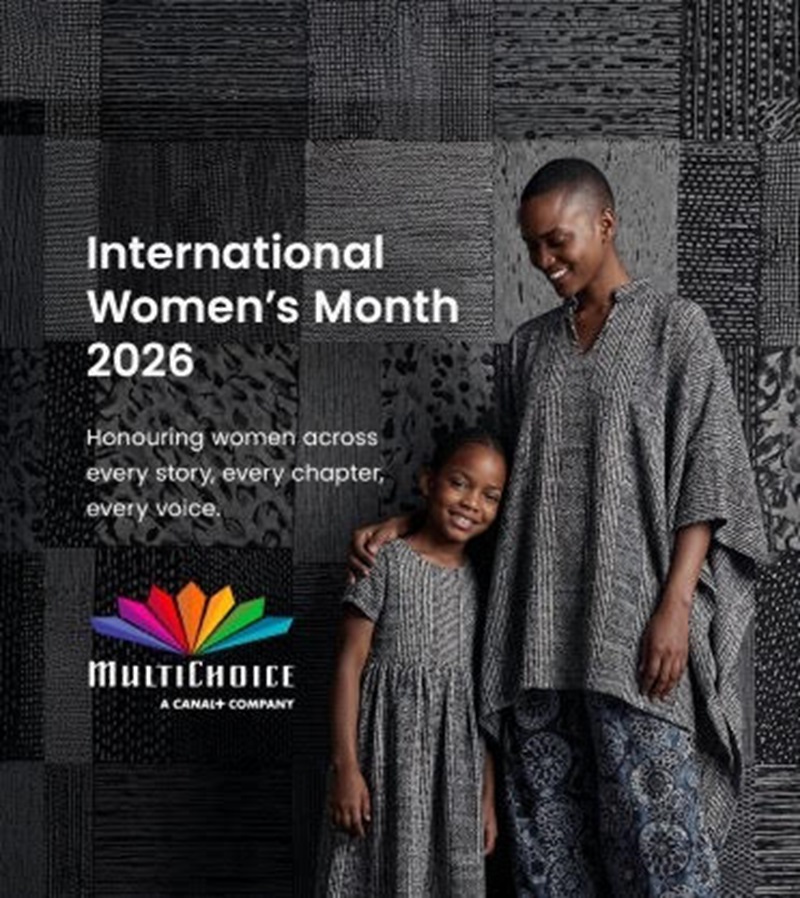
Across Africa and beyond, women continue to shape and elevate the stories that define our societies. In celebration of International Women’s Month, CANAL+ pays tribute to the storytellers, athletes, mothers, creators, leaders and icons whose voices inspire millions of households across the continent.
The African entertainment industry is driven by women, actresses, directors, screenwriters and producers who bring depth and authenticity to every production. From captivating telenovelas and popular comedies to powerful drama series, female talent remains at the heart of the stories most loved by viewers on CANAL+ Group of channels. In sport, women redefine competition and excellence – on the field, behind the mic or in leadership. From football to tennis and athletics, women in sport don’t just participate, they elevate the game and inspire the next generation.
CANAL+ and its subsidiary MultiChoice have chosen to celebrate them through a dedicated campaign: “We are… because she is.” A 90-second spot, produced in both French and English versions, will be broadcast on the Group’s channels and social media platforms in more than 35 countries across Africa.
Watch the promo below
Throughout International Women’s Month, DStv and GOtv will spotlight female‑led films, series, reality shows and global cultural moments that reflect the brilliance and complexity of modern womanhood.











-
 Feature/OPED6 years ago
Davos was Different this year
-
Travel/Tourism10 years ago
Lagos Seals Western Lodge Hotel In Ikorodu
-

 Showbiz3 years ago
Estranged Lover Releases Videos of Empress Njamah Bathing
-
 Banking8 years ago
Sort Codes of GTBank Branches in Nigeria
-

 Economy3 years ago
Subsidy Removal: CNG at N130 Per Litre Cheaper Than Petrol—IPMAN
-

 Banking3 years ago
Sort Codes of UBA Branches in Nigeria
-

 Banking3 years ago
First Bank Announces Planned Downtime
-

 Sports3 years ago
Highest Paid Nigerian Footballer – How Much Do Nigerian Footballers Earn