
General
CNPP, EFCC Praise CBN for Change of Naira Notes

By Modupe Gbadeyanka
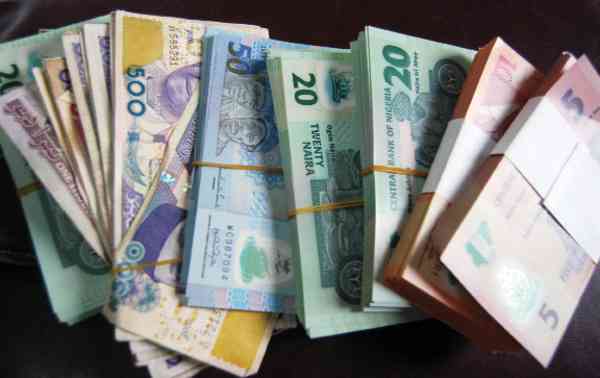
The decision of the Central Bank of Nigeria (CBN) to change the look of the Naira notes, the N200, N500, and N1,000 denominations, has been applauded by the Conference Of Nigeria Political Parties (CNPP) and the Economic and Financial Crimes Commission (EFCC).
In a statement signed by its Secretary-General, Mr Willy Ezugwu, CNPP said only intending vote-buyers and beneficiaries of proceeds of crimes will kick against the move.
According to the umbrella association of all registered political parties and political associations in Nigeria, “the effort of the CBN to control the amount of money in circulation, where N2.7 trillion out of the N3.3 trillion currency in circulation was said to be outside the vault of commercial banks across the country, and are found to supposedly be held by members of the public, is of high risk for the country’s economy and her internal security.”
“It is, therefore, obvious that many politicians, especially since 2015, amassed illicit wealth and depleted the national commonwealth to the extent that the currency in circulation has more than doubled since 2015, rising from N1.46 trillion in December 2015 to N3.2 trillion as of September 2022, according to the CBN data,” it noted.
“The CNPP is glad that the timing for this Naira notes redesign is right as there is no better time than in an election year, especially where politicians have made vote-buying an alternative to convincing the electorates through their track records and capacity to govern beyond rhetoric as well as a commitment to selling the manifestos of their political parties during campaigns,” the group stated.
CNPP called on all security agencies, including the Department of State Service (DSS), and the EFCC, to redouble efforts to reduce insecurity and electoral corruption by placing all politicians contesting in the 2023 general elections on perpetual surveillance.
“We urge the anti-graft units of all security agencies and commissions to use the opportunity created by the new and existing currencies exchange window from December to January 31, 2023, when the existing currencies shall cease to be a legal tender, to monitor illicit campaign financing, money laundering, terror financing, ransom to hostage takers and drug barons,” it said.
The group said “the CBN should ban bank managers from any form of home delivery of cash to citizens and corporate organizations until after February 1, 2023, to ensure that the country reaps the gains of the CBN monetary policy.”
Also reacting to the development, the EFCC, through its chairman, Mr Abdulrasheed Bawa, described the move as “a well-considered and timely response” to the challenges of currency management, which has negatively impacted the country’s monetary policy and security imperatives.”
“The EFCC, the CBN and some other regulators in the financial sector have worked closely in the recent past to determine how best to stabilize the country’s monetary policy environment. It is heart-warming that the CBN has demonstrated courage in taking this bold decision which I believe will bring sanity to the currency management situation in Nigeria,” he said.
He called on operators in the Nigerian financial services sector, especially deposit money banks and bureau de change operators, to work within the guidelines provided by the CBN to ensure the seamless withdrawal of the old currency.
Mr Bawa said his agency would monitor the process to ensure that unscrupulous players, currency speculators, and their cohorts among the BDCs do not undermine the exercise, tasking banks to be alive to their reporting obligations and not assist unscrupulous customers in laundering suspected proceeds of crimes through their system.








By Adedapo Adesanya
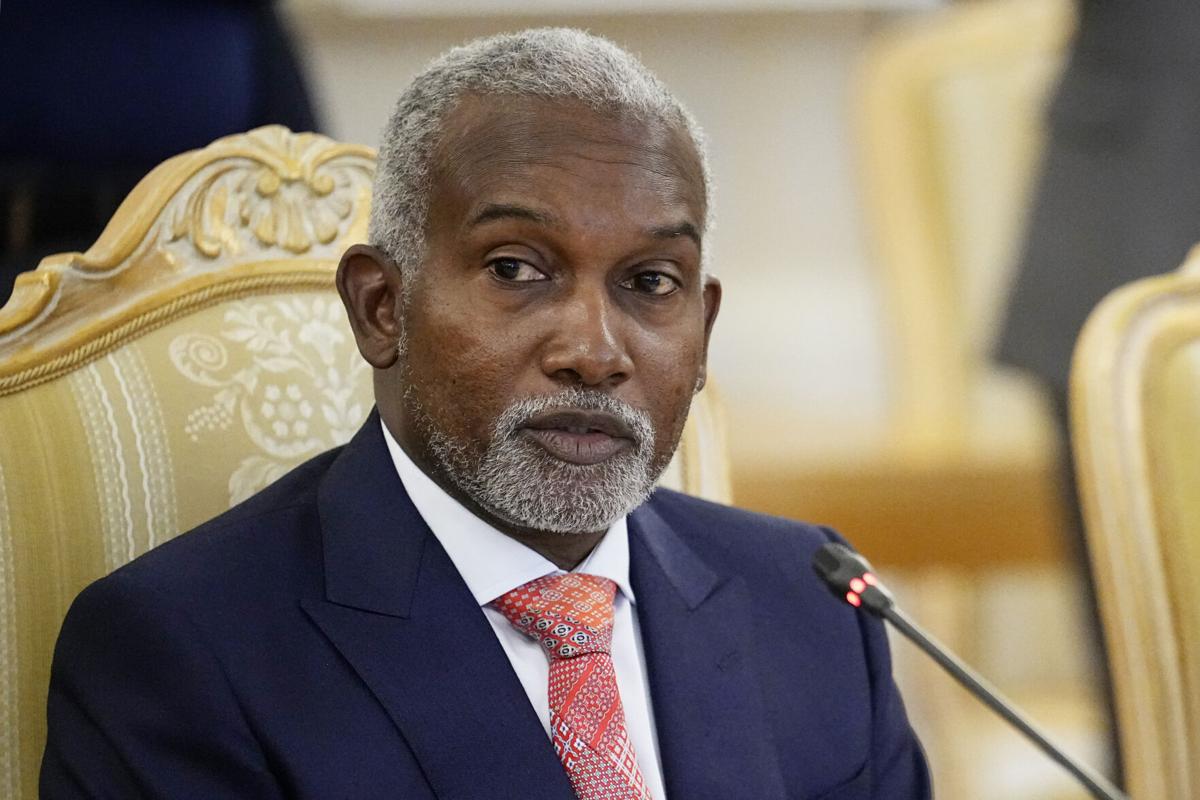
Nigeria’s Minister of Foreign Affairs, Mr Yusuf Tuggar, has resigned from his position, in line with the directive that government appointees seeking political offices must resign before March 31.
Business Post reports that the diplomat is eyeing a governorship ambition in Bauchi State ahead of the 2027 general elections.
Mr Tuggar’s resignation was confirmed in a statement by the ministry’s spokesperson, Mr Kimiebi Ebienfa, on Monday.
Mr Tuggar submitted his resignation letter on Monday, barely 24 hours before the deadline set by President Bola Tinubu, which directs all political appointees under his administration seeking to contest elective offices in the 2027 elections to resign before March 31.
The directive is in line with Section 88(1) of the Electoral Act, 2026, and the timetable released by the Independent National Electoral Commission for party primaries ahead of the 2027 polls.
With this development, more resignations are expected before the March 31 deadline as appointees seeking elective offices move to meet the stipulated deadline.
Earlier today, the Chairman of the Governing Board of the Federal Mortgage Bank of Nigeria (FMBN), Mr Nasiru Gawuna, formally resigned from his position to join the African Democratic Congress (ADC) with his sights on the Kano governorship ticket.
Mr Tuggar’s resignation comes amid the speculation of his interest in contesting the 2027 Bauchi State governorship election on the platform of the All Progressives Congress (APC).
The 59-year-old is a seasoned diplomat, policymaker, and political figure who was appointed as minister by President Bola Tinubu in August 2023.
Born on March 12, 1967, he has built a distinguished career spanning diplomacy, politics, energy, and strategic consulting.
He is widely regarded for his role in shaping Nigeria’s global engagement and advancing its foreign policy priorities.


By Aduragbemi Omiyale
The Lagos State government has promised to sustain its collaboration with private sector players to drive sustainable urban development, create jobs, and position Lagos as a leading hub for commerce and industry in Africa.
This assurance was given by the state governor, Mr Babajide Sanwo-Olu, at the commissioning of Irele Tower last Thursday.
The nine-storey facility is the first commercial building within the Lagos Free Zone (LFZ). It is EDGE-certified, which sets a new standard for sustainable workspace in Lekki, Nigeria’s fastest-growing economic corridor.
Irele Tower is designed to host office and retail activities in the Lekki economic corridor. It was built for efficiency with 26 per cent less energy and 46 per cent less water consumption. It is an eco-friendly building, with the design inspired by maritime architecture, reflecting its proximity to the Lekki Deep Sea Port.
Mr Sanwo-Olu described the delivery of the Irele Tower as a significant milestone in the development of the economic zone in line with the agenda of making Lagos a 21st-century economy by boosting economic growth to support the state’s developmental plans.
According to him, the facility is critical to unlocking the full potential of the Ibeju-Lekki axis of the economic zone, particularly given the presence of the Lekki Deep Sea Port and other major industrial investments within the Lagos Free Zone.
“The commissioning of Irele Tower is a clear demonstration of what can be achieved through strong collaboration between the public and private sectors. This development not only enhances the infrastructure profile of the Lagos Free Zone but also strengthens our vision of making Lagos a premier destination for investment and economic activities.
“We will continue to support initiatives that promote industrial growth, create employment opportunities, and improve the overall business environment in our state,” he said.
In her remarks, the chief executive of LFZ, Ms Adesuwa Ladoja, stated that the development reflects the zone’s commitment to creating an integrated ecosystem where businesses can thrive, supported by modern infrastructure, a strategic location, and efficient logistics.
“The commissioning of Irele Tower represents a defining milestone in our journey to build a world-class industrial and commercial hub. This development reflects our commitment to providing high-quality infrastructure that supports ease of doing business and enhances operational efficiency for our tenants.
“As the first commercial tower within the Lagos Free Zone, Irele Tower, sets a new benchmark for quality workspace in this corridor and reinforces our position as a preferred destination for investment and enterprise,” she added.
Irele Tower sits on a gross floor area of approximately 12,000 square metres. It offers modern workspaces tailored to evolving business needs. The facility also offers premium amenities, including office spaces, retail outlets, parking facilities, shared workspaces, and a rooftop cafeteria, creating a dynamic, integrated business environment.
By Adedapo Adesanya
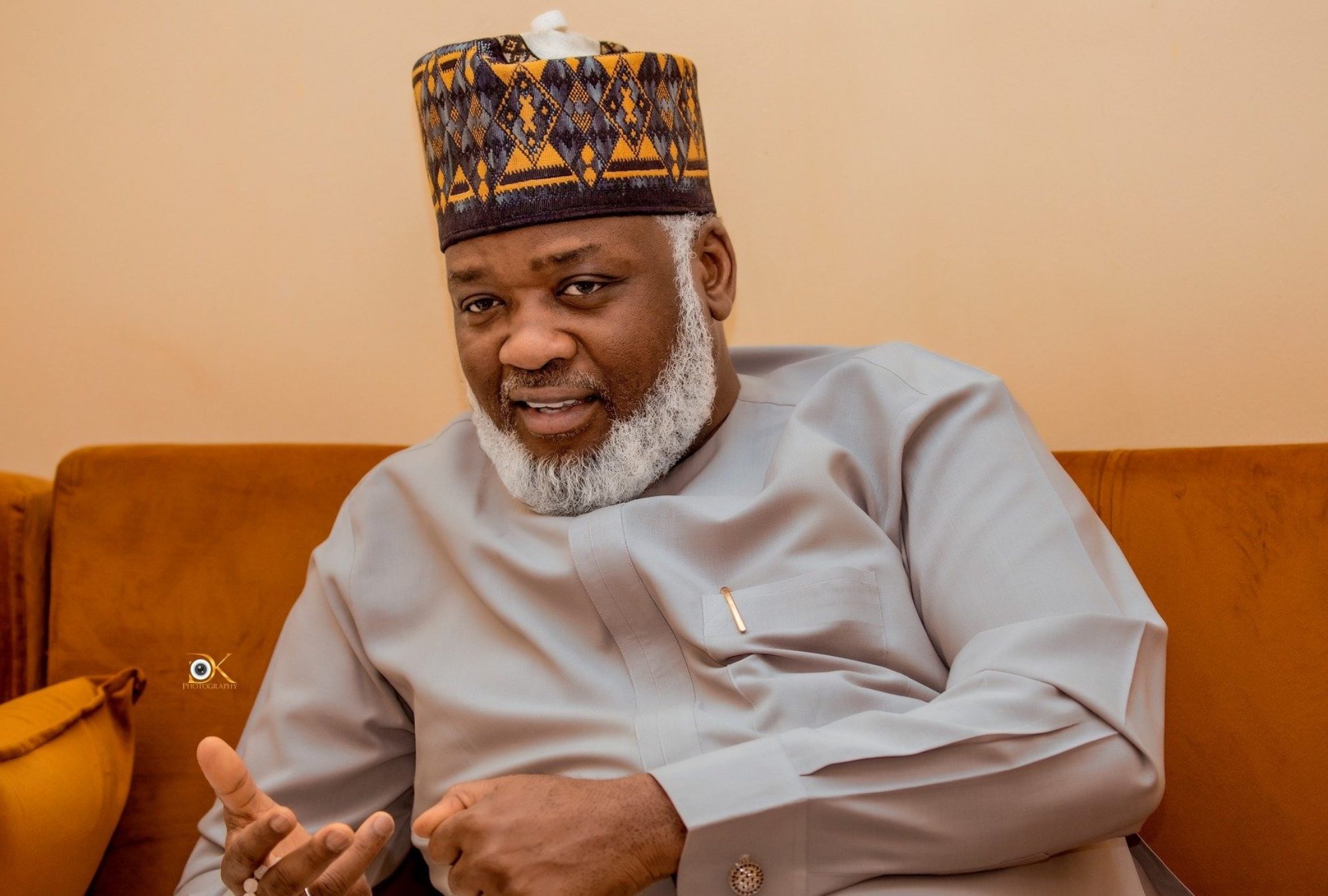
The Chairman of the Governing Board of the Federal Mortgage Bank of Nigeria (FMBN), Mr Nasiru Gawuna, has formally resigned from his position, obeying a directive that requires office holders with political ambitions to step down before March 31, 2026.
Mr Gawuna, a former governorship candidate of the All Progressives Congress (APC) in Kano State, submitted his resignation in a letter dated March 27, 2026. In the letter, he stated that his decision takes immediate effect and is in compliance with directives issued by President Bola Tinubu.
He is expected to formally announce his move to the African Democratic Congress (ADC) on Tuesday alongside Mr Rabiu Musa Kwankwaso, a prominent political figure and former Governor of Kano, who resigned from the New Nigeria People’s Party (NNPP).
The former governor of Kano and senator rose to prominence through his grassroots-oriented Kwankwasiyya Movement, which has played a decisive role in shaping electoral outcomes in Kano. His political journey has seen him move across major parties before leading the NNPP into the 2023 general elections, where he maintained significant influence in the North-West state.
“My resignation is in strict compliance with the President’s directive requiring all political appointees to step down in accordance with the provisions of the Electoral Act,” Mr Gawuna wrote.
In his resignation letter, Mr Gawuna expressed appreciation for the opportunity to serve under the current administration, describing his tenure as both an honour and a privilege.
“I am profoundly grateful to His Excellency, President Bola Ahmed Tinubu, for the confidence reposed in me to serve. It has been a privilege to contribute to the growth and development of the Federal Mortgage Bank of Nigeria and our great country,” he stated.
He also struck a reflective tone regarding his future, adding, “I place my future in the hands of Allah (SWT) and seek His divine guidance in all my endeavours.”
Mr Gawuna assured stakeholders of a seamless transition process, noting that he would hand over responsibilities in line with established procedures.
“I remain committed to ensuring a smooth and orderly handover in accordance with all laid-down directives,” he said.








-
 Feature/OPED6 years ago
Davos was Different this year
-
Travel/Tourism10 years ago
Lagos Seals Western Lodge Hotel In Ikorodu
-

 Showbiz3 years ago
Estranged Lover Releases Videos of Empress Njamah Bathing
-
 Banking8 years ago
Sort Codes of GTBank Branches in Nigeria
-

 Economy3 years ago
Subsidy Removal: CNG at N130 Per Litre Cheaper Than Petrol—IPMAN
-

 Banking3 years ago
Sort Codes of UBA Branches in Nigeria
-

 Banking3 years ago
First Bank Announces Planned Downtime
-

 Sports3 years ago
Highest Paid Nigerian Footballer – How Much Do Nigerian Footballers Earn