
General
Customs Suspends 4% FOB Levy on Imports for Wider Deliberations

By Adedapo Adesanya
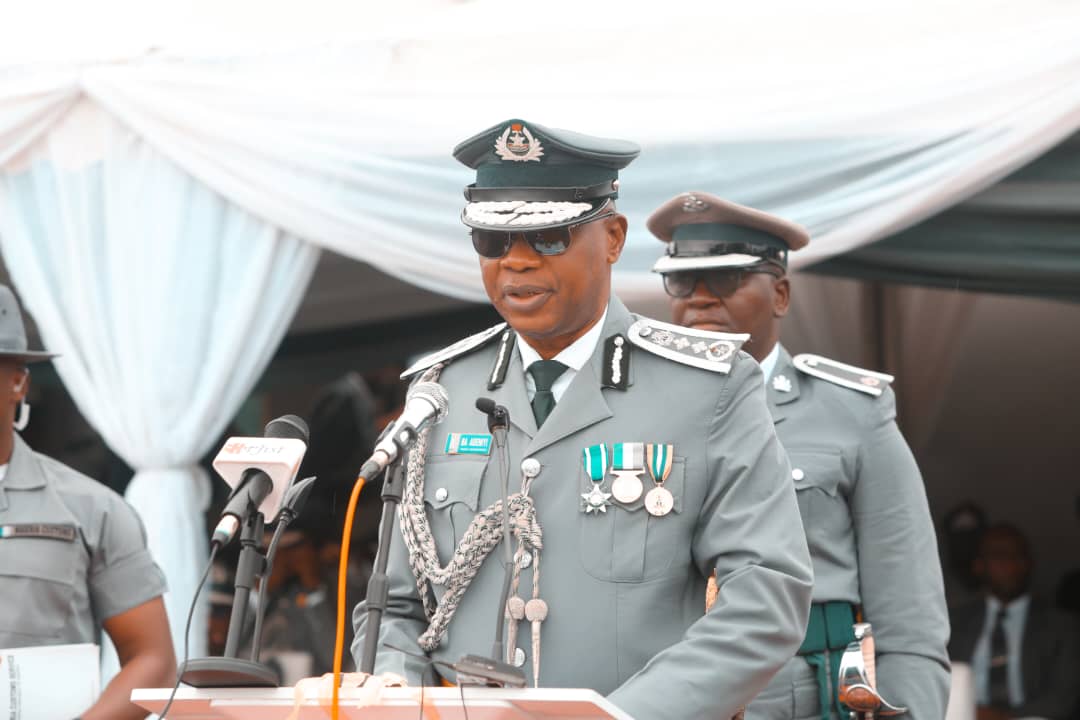
The Nigeria Customs Service has suspended the implementation of the 4 per cent Free-on-Board (FOB) value on imports following a series of blowbacks from key stakeholders.
According to a statement signed by the Customs’ spokesman, Mr Abdullahi Maiwada, the suspension will enable comprehensive engagement and consultations between the Minister of Finance, Mr Wale Edun and other stakeholders.
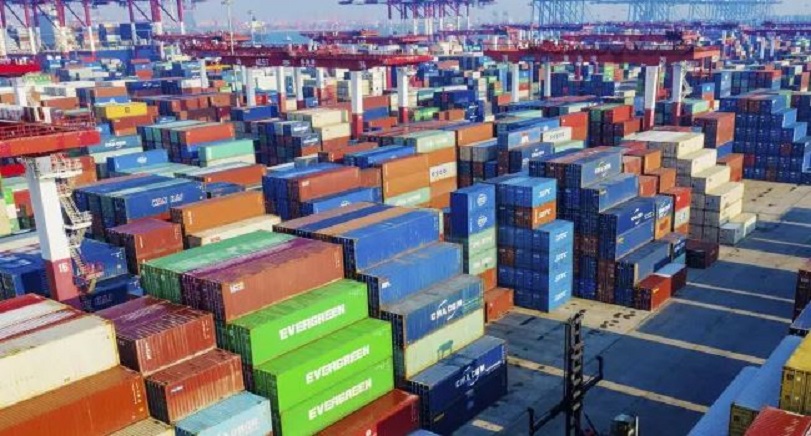
The FOB, which is a 4 per cent charge on imported goods, was meant to replace an older system where companies like Webb Fontaine handled import inspections for a 1 per cent fee. The move sparked heavy criticism from stakeholders like the Nigeria Employers’ Consultative Association (NECA).
According to NECA, the Nigerian business environment already struggles with multiple taxes, unpredictable policies, and economic challenges coupled with unsold inventories and growing unemployment, pleading that policies should “support businesses, not further suffocate them.”
“The timing of this suspension aligns with the exit of the contract agreement with the Service providers, including Webb Fontaine, which were previously funded through the 1% Comprehensive Import Supervision Scheme (CISS). This presents an opportunity to review our revenue framework holistically,” Mr Maiwada said.
“Under the previous funding arrangement repealed by the Nigeria Customs Service Act (NCSA) 2023, separating the 1% CISS and 7% cost of collection created operational inefficiencies and funding gaps in customs modernisation efforts.
“The new Act addresses these challenges by consolidating “not less than 4% of the Free-on-Board value of imports,” designed to ensure sustainable funding for critical customs operations and modernisation initiatives. This transition period will allow the Service to optimise the management of these frameworks to serve our stakeholders and the nation’s interests better,” he added.
“The suspension period will allow the Service to further engage with stakeholders while ensuring proper alignment with the Act’s provisions for sustainable funding of these modernisation initiatives.
“We will communicate the revised implementation timeline following the conclusion of stakeholder consultations,” he said.










By Adedapo Adesanya
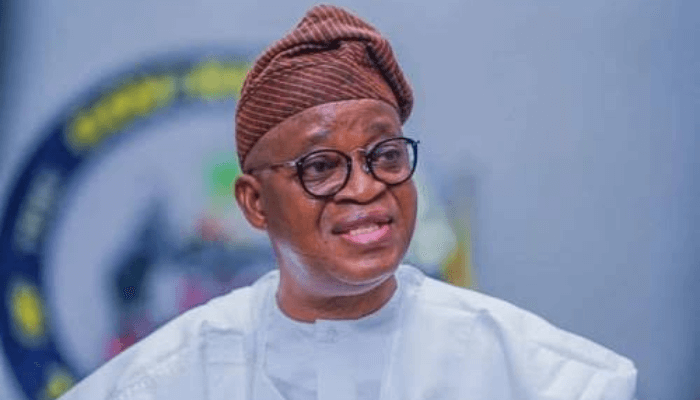
The Minister of Marine and Blue Economy, Mr Adegboyega Oyetola, has issued a strong warning to heads of agencies under the ministry, demanding strict accountability and measurable results.
Mr Oyetola issued the warning during the signing of performance bonds with heads of maritime agencies at the Ministerial Management Retreat, held alongside the 2026 first-quarter stakeholders’ engagement in Lagos on Thursday, where he emphasised the need for performance-driven governance.
“Let me emphasise that all Departments and Agencies under the Ministry must remain firmly focused on delivering tangible results,” he said.
In a statement by Mr Bolaji Akinola, Special Adviser to the Minister, Mr Oyetola noted that performance bonds to be signed during the retreat are binding commitments that will be closely monitored and rigorously evaluated.
“These are not ceremonial documents. They are binding commitments. Accountability will not be optional,” the Minister declared.
Mr Oyetola reiterated the need for data-driven decision-making, robust monitoring and evaluation frameworks, and alignment with the Ministry’s strategic objectives.
“At the institutional level, we must remain disciplined and accountable. Every department and agency must deliver measurable outcomes,” he added.
He explained that the retreat was designed to foster alignment between policy formulation, implementation, and stakeholder expectations.
“The integration of this engagement enables us to listen, reflect, and recalibrate,” he said.
The agencies include the Nigerian Ports Authority (NPA), Nigerian Maritime Administration and Safety Agency (NIMASA), Nigerian Shippers’ Council (NSC), National Inland Waterways Authority (NIWA), Maritime Academy of Nigeria, and the Council for the Regulation of Freight Forwarding in Nigeria.
He also announced a 160 per cent increase in revenue generated by agencies under the ministry, attributing the growth to sweeping reforms and a renewed focus on accountability.
“In 2023, our agencies generated N700.79 billion. By the end of 2025, this figure had risen to approximately N1.83 trillion. This remarkable achievement is the result of deliberate and sustained reforms,” he stated.
The Minister explained that the gains were driven by strengthened regulatory oversight, improved revenue assurance mechanisms, digitalisation of key processes, and a firm commitment to blocking leakages.
“This gathering reflects our commitment to a governance approach that is inclusive, transparent, and results-driven,” he added, noting that the convergence of stakeholders, policymakers, and institutional leaders was designed to align policy with implementation and public expectations.
Mr Oyetola linked the ministry’s improved performance to broader sectoral reforms, including port modernisation, approval for disbursement of the Cabotage Vessel Financing Fund (CVFF), and ongoing efforts to enhance indigenous participation in maritime activities.

By Modupe Gbadeyanka
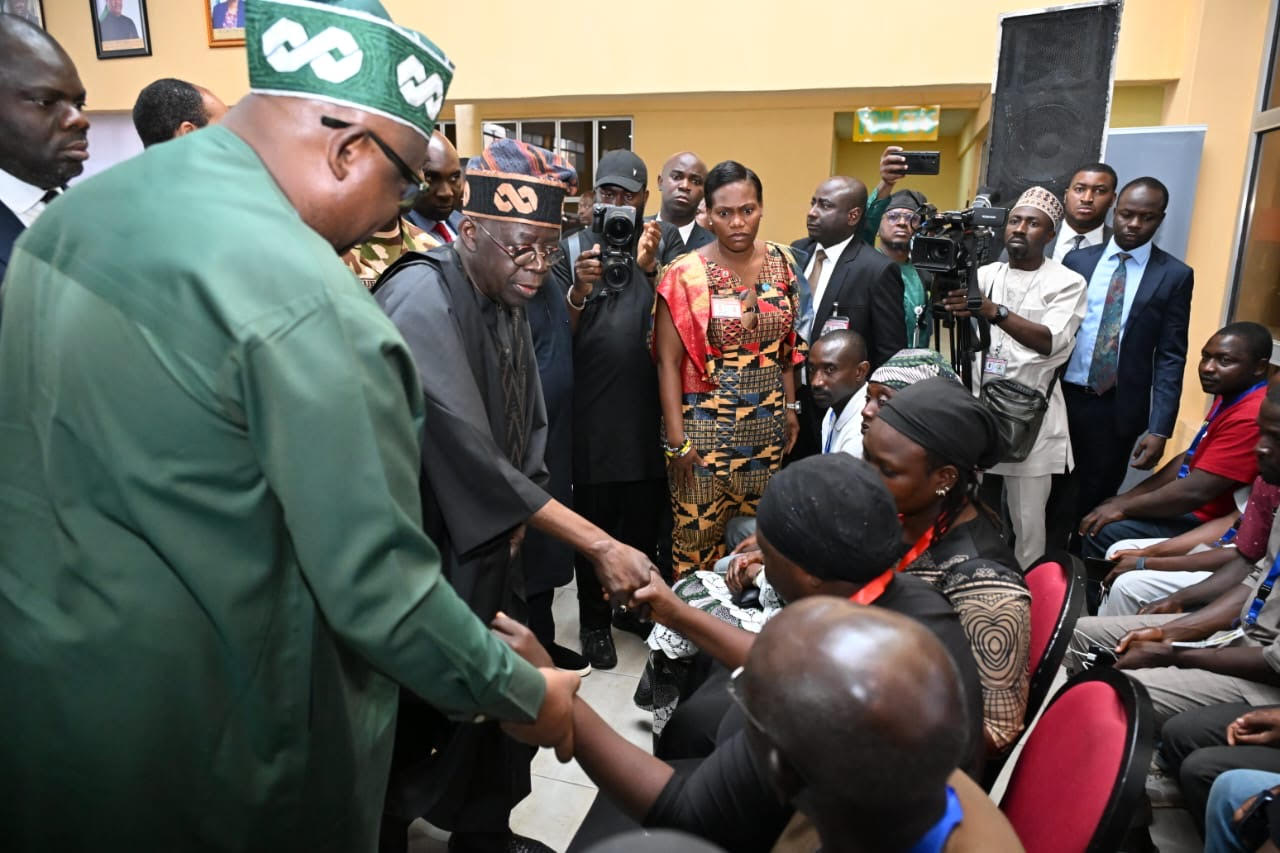
The Special Adviser to the President on Information and Strategy, Mr Bayo Onanuga, has explained why Mr Bola Tinubu addressed the victims of the Plateau attacks at the airport on Thursday evening.
The decision of President Tinubu to console victims of the attacks, which left over 20 persons dead, at the Yakubu Gowon Airport in Jos last night has continued to generate reactions.
He was criticised for not visiting the victims at the epicentre, Angwan Rukuba, instead of having them to travel to meet with him at the airport.
In a statement on Friday, Mr Onanuga said his principal’s itinerary for yesterday included two main engagements: receiving the Chadian President, Mahamat Idriss Déby Itno, and proceeding to Iperu, Ogun State.
“After Governor Caleb Mutfwang’s briefing, President Tinubu suspended the trip to Ogun. Overnight, the Presidential Villa made arrangements for the visit to Jos, with presidential assets quickly deployed. However, the President could not postpone the scheduled visit by the Chadian leader.
“The President of Chad was at the Presidential Villa for a very important bilateral meeting focused on strengthening security collaboration between the two countries. The meeting ran longer than expected, affecting President Tinubu’s scheduled departure for Jos.
“Upon arrival in Jos, the visit encountered some logistical challenges. While the road distance from the airport to Jos township is approximately 40 minutes, the runway does not support night flights due to the absence of navigational aids. The constraints made it unfeasible to drive into town, meet victims for on-the-spot assessment and return to the airport before dusk.
“Consequently, state and federal officials decided to bring representatives of the affected community to a hall adjoining the airport so the President could meet with them promptly while adhering to flight restrictions. Among the people in the hall were the Minister of Defence, the Chief of Army Staff and the Inspector General of Police, who had visited Rukuba, the epicentre of the conflict. President Tinubu deployed the high-level team to Rukuba, including the Senior Special Assistant on Community Engagement, to undertake critical groundwork on security and community engagement, with a view to stabilising the area before his arrival.
“Beyond expressing his condolences to the victims, President Tinubu’s objective was to engage with critical stakeholders in Plateau State on ending the recurring, decades-old conflict that has resulted in needless loss of lives and property.
“President Tinubu’s visit to Jos was not merely symbolic. It was a strategic, high-level engagement aimed at bringing all stakeholders together to address the root causes of conflict and insecurity in the state.
“He interacted with the victims, consoled them, and listened to them. He also listened to local leaders and assured them that the federal government would deliver justice and end the cycle of violence. He promised the deployment of 5000 AI-enabled cameras to monitor the city and enhance the identification and arrest of troublemakers.
“Furthermore, the President invited the community leaders to Abuja for further talks on finding a lasting solution to the recurring violence in the state.
“The meeting, televised live, was solemn and reassuring, boosting residents’ confidence. President Tinubu achieved the purpose of his visit, despite the naysayers’ attempts to ridicule it. He dropped an unmistakable message: sustainable peace must be built with the people, not imposed on them,” the presidency explained.
By Adedapo Adesanya
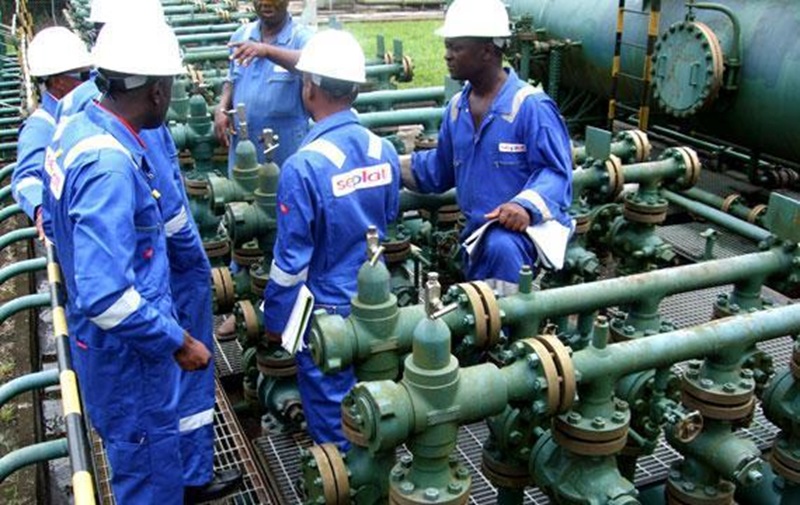
Workers of Seplat Energy Plc, under the aegis of the Petroleum and Natural Gas Senior Staff Association of Nigeria (PENGASSAN), began an indefinite strike on Friday as talks over a collective bargaining agreement and staff welfare issues broke down.
This development may impact Nigeria’s oil production at a time when the world is facing shortages due to the Iran war, and global oil prices are recording multi-year highs.
It will also hurt Seplat Energy’s operation as Nigeria’s largest independent oil and gas producer, adding to pressure on the country to maximise supply, which is fluctuating around 1.3 million barrels per day.
PENGASSAN said its action would remain active “until further notice, adding that its members would suspend most operations, including production reporting and export activities, while maintaining only essential safety and power functions.
The strike notice covers onshore and offshore assets, joint‑venture operations and offices nationwide from Friday.
Other less-skilled workers are covered by the Nigeria Labour Congress (NLC), which is not on strike with PENGASSAN.
Seplat Energy’s group production averaged 131,506 barrels of oil equivalent per day in 2025, according to its latest audited results. That is the equivalent of around 7 per cent–9 per cent of Nigeria’s total liquids production.
The company expects output to rise to 155,000 barrels of oil equivalent per day, making any sustained disruption particularly sensitive for Nigeria’s supply outlook.
With the company’s output expected to rise, any prolonged disruption could significantly impact Nigeria’s oil supply and fiscal outlook.
The company also plans to revive hundreds of Nigerian oil wells lying fallow, which, according to its chief executive, Mr Roger Brown, will be done in collaboration with the state-owned Nigerian National Petroleum Company (NNPC) Limited, as legally mandated in the country’s oil and gas industry.
-
 Feature/OPED6 years ago
Davos was Different this year
-
Travel/Tourism10 years ago
Lagos Seals Western Lodge Hotel In Ikorodu
-

 Showbiz3 years ago
Estranged Lover Releases Videos of Empress Njamah Bathing
-
 Banking8 years ago
Sort Codes of GTBank Branches in Nigeria
-

 Economy3 years ago
Subsidy Removal: CNG at N130 Per Litre Cheaper Than Petrol—IPMAN
-

 Banking3 years ago
Sort Codes of UBA Branches in Nigeria
-

 Banking3 years ago
First Bank Announces Planned Downtime
-

 Sports3 years ago
Highest Paid Nigerian Footballer – How Much Do Nigerian Footballers Earn
Pingback: Manufacturers Kick Against Silent Reintroduction of 4% FOB Charge | Business Post Nigeria
Pingback: Senate Summons Edun Over 4% FOB Fees, Gives Customs N10trn Revenue Target | Business Post Nigeria
Pingback: 4% FOB Levy: Customs Cancels Declarations During Implementation | Business Post Nigeria