
General
Elections: Tinubu Accuses Buhari Administration of Sabotage

By Modupe Gbadeyanka
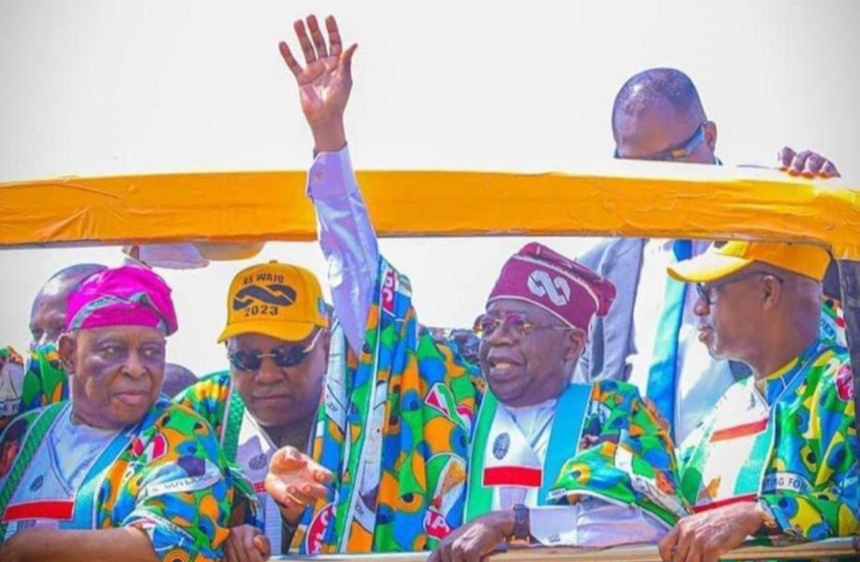
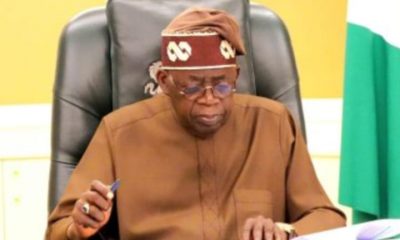
The candidate of the ruling All Progressives Congress (APC) in the presidential election on February 15, 2023, Mr Bola Tinubu, has claimed that some powers that be in the administration of President Muhammadu Buhari were working to ensure he does not win the exercise, noting that they were behind the lingering fuel scarcity and the redesigning of the higher denominations of the Naira.
Last month, the Central Bank of Nigeria (CBN) introduced new N200, N500, and N1,000 notes into circulation. Later, the bank limited the amount of cash that can be withdrawn by customers across the channels.
This action was greeted with mixed reactions and the Department of State Services (DSS) later made attempts to arrest the Governor of the CBN, Mr Godwin Emefiele, who wanted to pick the sole presidential ticket of the APC until he was stopped by the court.
For almost the better of 2022, Nigerians had to queue at petrol stations for the product because of a disruption in supply. Earlier in the year, the scarcity was caused by the circulation of adulterated fuel and later in the year, a shortage of supply was blamed on flooding across the country.
At the moment, Nigerians have not been able to buy petrol with ease and in some places, the pump price is above the government-regulated price of N169 per litre.
Speaking in Abeokuta, Ogun State on Wednesday during his campaign, Mr Tinubu accused those against his emergence as the presidential candidate of causing the fuel scarcity.
“We will use our PVCs to take over government from them, if they like let them create fuel crisis, even if they said there is no fuel, we will trek to vote. They are full of mischief, they could say there is no fuel. They have been scheming to create fuel crisis, but forget about it. Relax, I Asiwaju have told you that the issue of fuel supply will be permanently addressed.
“Whoever wants to eat the honey embedded in a mountain won’t worry about the axe. Is that not so? And if you want to eat palm kernel, you would bring stone and use it to break it, then the kernel will come out. It’s not easy to…
“Let them increase the price of fuel, let them continue to hoard fuel, only them know where they have hoarded fuel, they hoarded money, they hoarded naira; we will go and vote and we will win. Even if they changed the ink on Naira notes. Whatever their plans, it will come to nought. We are going to win. Those in the PDP will lose.
“I am homeboy, I have come here, you will not be put to shame, we will take over the government from them, the traitors who wanted to contest with us. They had no experience.
“The great Nigerian youths, the great Nigerian students, the confident Nigerian youths. This is a revolution. This election is a revolution. They are plotting, but they will fail. They said fuel price will increase and reach N200 per litre. Go and relax. They don’t want this election to hold, they want to scuttle it. Do you agree?
“On this one, I’m guaranteeing you one thing: there will be student loan. Nobody will drop out of the University because of school fees. I guarantee you that. Nobody will have to repeat for eight years, and not graduate.
“Haba! We are too smart, we are brilliant, we are courageous, we are sharp, we will make four years course four years course. Do you agree? Will you vote whether there is fuel or not? Call your sister, we are bringing revolution.
“Let me say what’s on my mind. The other day, I told you. This one too, they think they can cause crisis by sabotaging fuel supply. They are sabotaging fuel supply. Whether there is fuel or not, whether there is
Okada (commercial motorcycle) or not, whether there is tricycle or not, we will go and vote and we shall win.
“This is a superior revolution and when I tell you, you know what I mean. You know me, we are going there to win,” the former Governor of Lagos State said at the rally held at the MKO Abiola International Stadium.








By Aduragbemi Omiyale
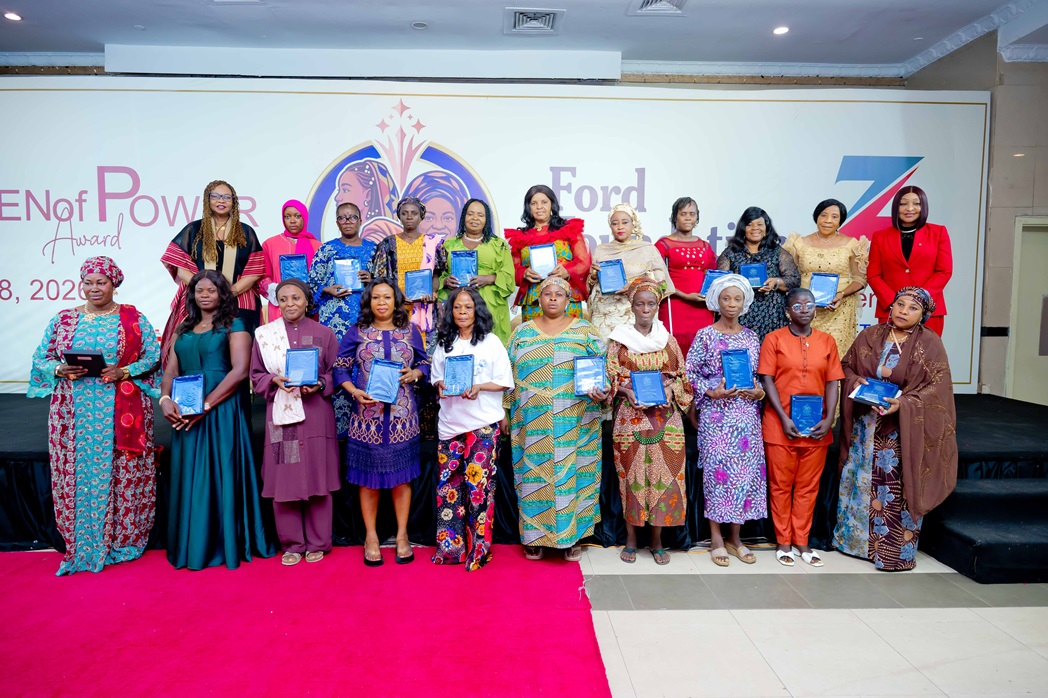
It was a day of recognition for some unsung Sheroes at the maiden Woman of Power Award organised by Zenith Bank Plc and the Ford Foundation.
The glamorous event took place at the Civic Centre, Lagos, on Saturday, March 28, 2026, with the theme Celebrating Resilience, Leadership, and Generosity.
About 19 women selected from the six geo-political zones in trade, petty manufacturing, education, and agriculture were recognised at the ceremony, which had several personalities in attendance.
Business Post reports that the programme was part of activities to commemorate March as women’s month.
The chief executive of Zenith Bank, Ms Adaora Umeoji, in her speech, praised the awardees and reaffirmed the bank’s strong commitment to women’s empowerment.
“Zenith Bank’s commitment to gender inclusion is not a rhetoric but one of the ethos that the bank holds very dearly,” the banker, represented by one of the bank’s executive directors, Ms Adobi Nwapa, said.
“Zenith Bank has a 50-50 gender ratio with women occupying strategic positions in the bank’s management and board, up to the current Group Managing Director being the very first female to hold that position,” she added.
On her part, the Regional Director of the Ford Foundation, Ms Chichi Aniagolu, described the Woman of Power Award as an eye-opener, noting that her team’s journey across the country revealed the vast and often overlooked facets of human potential among Nigerian women.
Among those honoured were:
- Mrs Regina Amankulor, a retired nurse empowering young people in Umuode-Nsulu community, Isiala Ngwa North LGA, Abia State;
- Mary Matanmi, Coordinator of the Nigeria Association of Hairdressers, Barbers and Cosmetologists, Lagos State chapter;
- Ifeanyi P. Ugwueze, a Guidance Counsellor and Life Coach who continues to thrive despite blindness and is currently pursuing a doctorate degree.
Others include:
- Amina Musa, a trade educator based in Karonmajiji, AMAC, Abuja;
- Adenike A. Lambo, the Iyaloja of Ilorin;
- Sadiya Abubakar, an educator in Jibi (Deidei), Bwari Area Council, FCT;
- Erikan Idem Andrew, a market woman with significant community impact in Port Harcourt;
- Ngozi B. Nwankpa, an Aba-based fashion designer;
- Hadiza Umar, a Development Specialist based in Kaduna, Kaduna State;
- Joy C. Ezenwa (aka Mama Amala), a trader at Sabon Gari Market, Kano;
- Shola Esther Babalola (Mama Sho), promoter of natural honey and founder of the Mama Sho Honey brand in Lagos;
- Josephine Ugwu, a staff member of the Federal Airports Authority of Nigeria (FAAN), was honoured for her honesty in recovering and returning millions of naira mistakenly dropped by passengers at Murtala Muhammed Airport, Lagos.

By Adedapo Adesanya
The Christian Association of Nigeria (CAN) has called for action over the recent attack in Plateau State, asking authorities to address and prosecute those behind the killing.
In a statement, CAN President, Mr Daniel Okoh, described the attack as “not just tragic” but also “unacceptable”.
“Nigerians are tired of mourning. Nigerians are tired of statements. Nigerians want to see action,” the cleric said in a statement issued late Monday.
“Those responsible for this atrocity must be found, arrested, and made to face justice; swiftly and decisively. Anything less will only deepen the sense that life in our country is no longer protected.”
The attack on Sunday in Angwan Rukuba, in Jos North Local Government Area, left 28 people dead and several others wounded.
Expectedly, the incident has sparked outrage among Nigerians and protests by angry residents of the area.
CAN called for a thorough investigation into the attack and called for proactive action before these attacks take place.
“Our security institutions must not only respond; they must stay ahead of these threats,” the Christian body said while acknowledging efforts by the Plateau State Government.
“But let it be said clearly: temporary measures are not enough. The people of Plateau, and indeed all Nigerians, deserve lasting security, not periodic reassurance,” Mr Okoh said.
CAN told Nigerians to be vigilant and calm, but maintained that the nation owes the dead justice.
“We owe the living protection. And we owe our future a country where no community wakes up to gunfire on a sacred day.”
Meanwhile, the Plateau State Governor, Mr Caleb Mutfwang, visited the affected area under heavy security and also those wounded on Monday, even as the state government imposed curfew on the affected place.
“This unfortunate event led to the loss of 28 innocent lives and left many others injured. I feel deeply the weight of the pain inflicted on our people,” the governor said in a state-wide broadcast.
He also vowed that Plateau State won’t succumb to fear or intimidation.
“We shall emerge stronger, united, and resolute in our faith and commitment to peace,” the governor assured.
“We must deploy every available resource to defend our people, protect lives and property, and safeguard the territorial integrity of our state. Plateau shall remain strong and peaceful.”
By Adedapo Adesanya
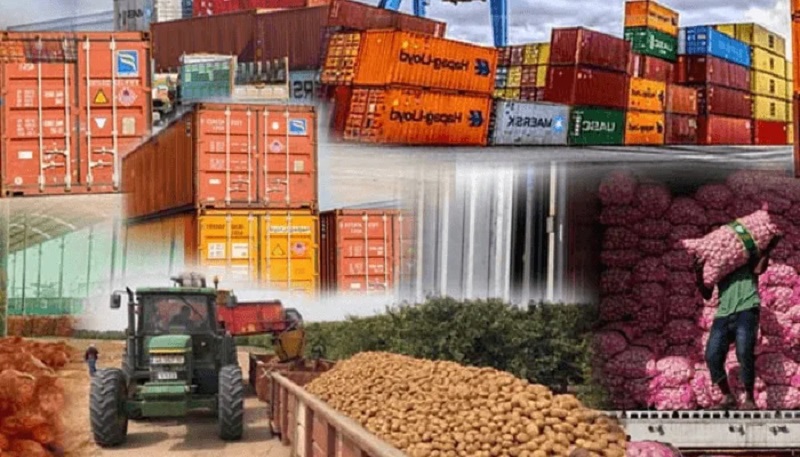
The Nigerian Ports Authority (NPA) is raising its financial and operational ambitions for 2026, unveiling a revenue target of N1.489 trillion alongside plans to overhaul two of the country’s busiest seaports, Apapa and Tin Can Island, in a push to boost efficiency and global competitiveness.
Speaking during the agency’s 2026 budget defence before the Senate Committee on Marine Transport, the ports regulator’s Managing Director, Mr Abubakar Dantsoho, said the new revenue projection reflects a strategic shift focused on strengthening resilience and driving sustainable growth across Nigeria’s port system.
The proposed figure represents an increase over the N1.468 trillion initially projected for 2025, a benchmark the authority not only met but exceeded, recording approximately N1.97 trillion in revenue collections.
A breakdown of the 2026 proposal shows a strong tilt toward infrastructure development, with N945 billion allocated to capital expenditure. Operating costs are projected at N447.5 billion, while N90.6 billion is expected to be remitted to the federal government’s Consolidated Revenue Fund.
Central to the NPA’s transformation agenda is the planned modernisation of Apapa Port and Tin Can Island Port, two critical gateways for Nigeria’s maritime trade. Dantsoho noted that both facilities, due to their age and outdated capacity, require urgent upgrades to meet the demands of modern shipping and logistics operations.
He disclosed that preliminary work on the projects is set to begin within weeks, marking a significant step toward repositioning Nigeria’s ports within the global maritime value chain.
On financial operations, the NPA boss reiterated that all revenues generated by the authority are remitted directly into the Treasury Single Account managed by the Central Bank of Nigeria, stressing that the agency operates without retaining independent revenue.
In his remarks, Chairman of the Senate Committee on Marine Transport, Mr Wasiu Eshinlokun, underscored the importance of collaboration between lawmakers and agencies. He noted that the committee’s oversight function is designed to improve efficiency, strengthen institutional performance, and ensure responsible use of public funds.






-
 Feature/OPED6 years ago
Davos was Different this year
-
Travel/Tourism10 years ago
Lagos Seals Western Lodge Hotel In Ikorodu
-

 Showbiz3 years ago
Estranged Lover Releases Videos of Empress Njamah Bathing
-
 Banking8 years ago
Sort Codes of GTBank Branches in Nigeria
-

 Economy3 years ago
Subsidy Removal: CNG at N130 Per Litre Cheaper Than Petrol—IPMAN
-

 Banking3 years ago
Sort Codes of UBA Branches in Nigeria
-

 Banking3 years ago
First Bank Announces Planned Downtime
-

 Sports3 years ago
Highest Paid Nigerian Footballer – How Much Do Nigerian Footballers Earn