
General
NIPOST Adopts 3 Word Addresses

By Modupe Gbadeyanka
Nigeria’s postal service, NIPOST, has announced adopting the innovative global addressing system called what3words.
Nigeria is the seventh country to adopt what3words, and the third in Africa.
The system is already being used for mail deliveries in Mongolia, Sint Maarten, Côte d’Ivoire, Djibouti, Tonga and Solomon Islands.
Nigeria is Africa’s largest economy and its most populous country with approximately 184 million inhabitants. It has the seventh largest population in the world.
Nigeria’s poor addressing system means that only 20 percent of its inhabitants receive mail at home.
Seventy-nine percent of homes and businesses cannot receive deliveries to the door, and the remaining one percent receive their mail using one of the 478,000 P.O. boxes throughout the country.
A postcode system does exist, but only 5 percent of mail gets properly addressed with the postcode, hampering the efforts of NIPOST to improve its quality of service.
Determined to improve this situation, NIPOST has set itself the ambitious target of increasing home delivery to 70 percent within the next 2 years and 90 percent by 2020 through the Mail for Every House Initiative (MEHI), and has adopted what3words to help it achieve these goals.
The innovative global addressing system has divided the world into 57 trillion 3m x 3m squares, each with a unique 3 word address.
It means that every home and business in Nigeria has a simple and accurate address that is easy to remember and to use.
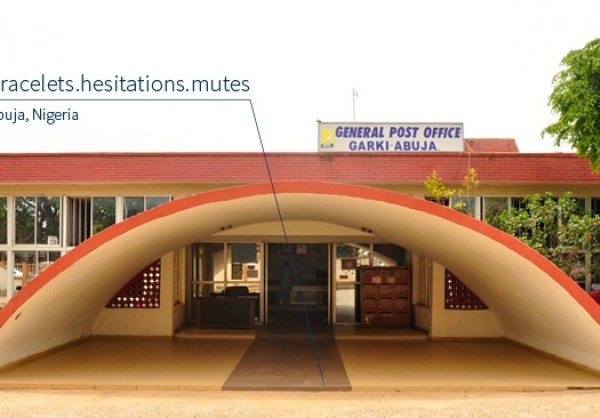
For example ///bracelets.hesitations.mutes refers to the exact 3m x 3m square at the entrance to the main post office in Nigeria’s capital, Abuja.
Available in 14 languages, with many more currently in development, what3words is used in over 170 countries by governments, postal services, logistics companies, emergency services and NGOs, as well as individuals.
It is more accurate than traditional street addresses, simpler than landmark-based directions, and easier to remember and communicate than GPS coordinates.
The system has built-in error detection and is available through a free mobile app and API integration. The system even works offline, without a data connection.
“We are very pleased to be collaborating with what3words as an addressing solution with huge potential to unlock opportunities,” said Barrister Bisi Adegbuyi, Nigeria’s Postmaster General. “Better addressing is a key to NIPOST’s agenda, which aims to transform, innovate, and deliver more services to more people all over the country”.
Young people make up 62 percent of Nigeria’s population, and this is reflected in the significant increase in cross border e-commerce in the country; 53,612 parcels and packets were handled in 2016 (approx. 200 per day) which is up 70 percent since 2014.
The e-commerce market is currently worth $12 billion, but there is still huge potential for growth. With improvements to infrastructure, innovation around payment systems and a reliable addressing system, Nigerian e-commerce could be set to take off at an incredible scale.
“With a rapidly growing ecommerce ecosystem, Nigeria is a very exciting country to be working with,” said Chris Sheldrick, CEO and Co-founder of what3words. “Postal services have a critical role in building a strong economy and NIPOST are firmly focused on the future, and are taking steps to modernise and grow their capacity and range of services.”




By Adedapo Adesanya
The federal government has inaugurated a 17-member Planning Committee to coordinate the National Flag-Off of the Energise Commercialisation Now (ECoN) Initiative, a flagship programme aimed at transforming research outputs into economic value.
Speaking at the inauguration in Abuja, the Permanent Secretary of the Ministry of Innovation, Science and Technology, Mr Philip Ndiomu Ebiogeh, described the initiative as a strategic intervention to convert Nigeria’s vast research and innovation outputs into market-ready products, scalable enterprises, and job-creating opportunities.
He noted that ECoN will mobilise stakeholders nationwide to identify bankable innovations and accelerate their transition from laboratories to the marketplace, stressing that the country must move beyond theoretical research to practical solutions that drive industrial growth and national prosperity.
The Permanent Secretary disclosed that the Minister of Innovation, Science and Technology, Mr Kingsley Tochukwu Udeh, had earlier briefed the First Lady, Mrs Oluremi Tinubu, on the initiative and proposed her as a champion of the programme, with the national flag-off scheduled for Kano State.
He explained that Kano was deliberately selected due to its historic role as a commercial and industrial hub, offering strong potential to attract investment, stimulate enterprise, and create jobs.
The Committee is chaired by the Minister, with the Permanent Secretary as Co-Chairman, while the Director-General, National Biotechnology Research and Development Agency, NBRDA, and the Director-General, Sheda Science and Technology Complex, SHESTCO, serve as Alternate Chairmen.
Members include Professor Nnayelugo Ike-Muonso, Dr Kazeem Kolawole Raji, Dr Jummai Adamu, Dr (Mrs) Obiageli Amadiobi, Dr Kabiru Mu’azu, Dr Anwal Mustapha, Engr Ibiam Oguejiofo, Mr Moses Fatogun, Mr Adamu Sulaiman (a representative of SMEDAN), Dr Prince Lawrence Eze, Mr Sani Garba, Dr Muhammad Mustapha, Dr Chioma Okeke, Mr Luther Onyemkpa, Mr Charles Egumgbe, and Dr Nwankwo Nnenna serving as Secretary.
The national flag-off is proposed for late April or early May 2026, subject to Presidential approval.
The Ministry reaffirmed its commitment to positioning innovation as a key driver of economic diversification and sustainable development, in line with President Bola Tinubu’s Renewed Hope Agenda.
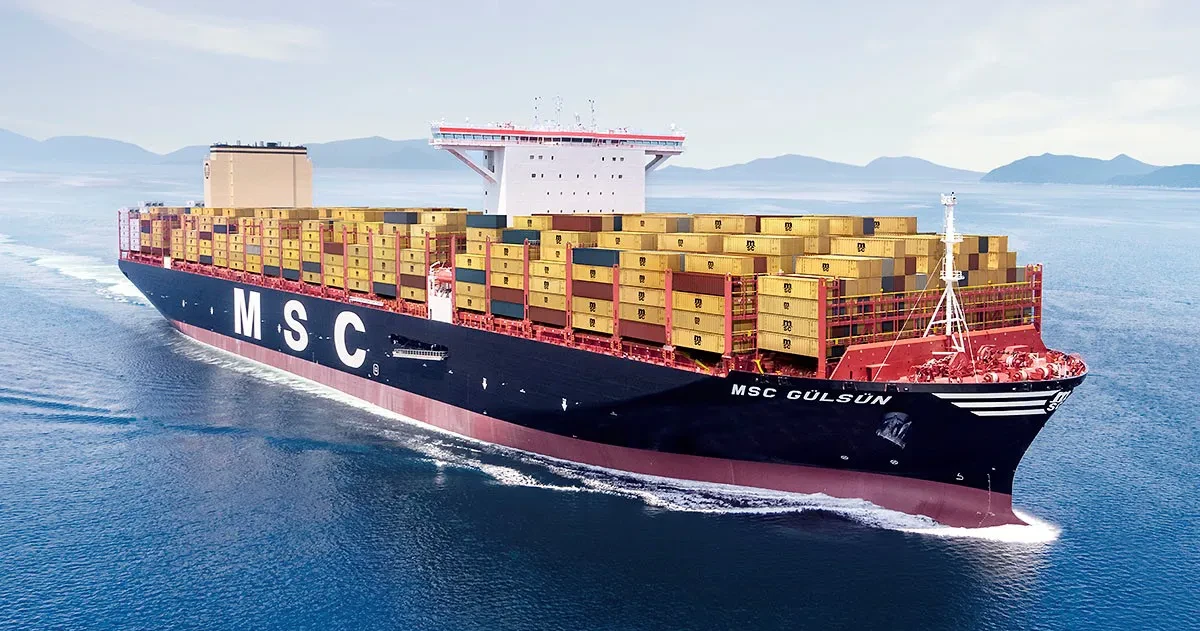
By Adedapo Adesanya
Switzerland-headquartered global shipping giant, Mediterranean Shipping Company (MSC), has complied with the directive of the Nigerian Shippers’ Council (NSC) to suspend the implementation of its new tariff pending consultations with stakeholders.
In a customer advisory titled Temporary Suspension of New Tariff Implementation, the shipping line stated that the tariff regime in place before the recent increase would remain effective until further notice.
Business Post reported a few days ago that freight forwarders picketed the offices of MSC, protesting the recent increase in shipping line tariffs. They blocked the regulators from accessing the MSC premises to address the matter.
Despite the protests, the council’s attempt to engage the aggrieved freight forwarders in discussions was resisted, as the protesters insisted that there was no basis for dialogue and vowed to continue the protest until the increased charges were immediately reversed.
In the latest directive, the shipping company said, “We wish to inform our esteemed customers that the recently implemented tariff adjustment has been temporarily suspended, following a directive from the NSC. This suspension is pending the conclusion of ongoing engagements and resolution with the regulator.”
“Accordingly, the tariff regime applicable prior to the recent increase will remain in force until further notice, as mandated.”
The company further assured customers that updates would be communicated once a final decision is reached by the Nigerian Shippers’ Council.
“We remain fully committed to regulatory compliance, transparency, and protecting the interests of our customers. Further updates will be communicated promptly once a definitive position is issued by the Nigerian Shippers’ Council. We appreciate your understanding and continued cooperation,” the advisory added.
NSC had warned that prolonged industrial disputes within the maritime sector could disrupt port operations and negatively impact trade and economic activities.
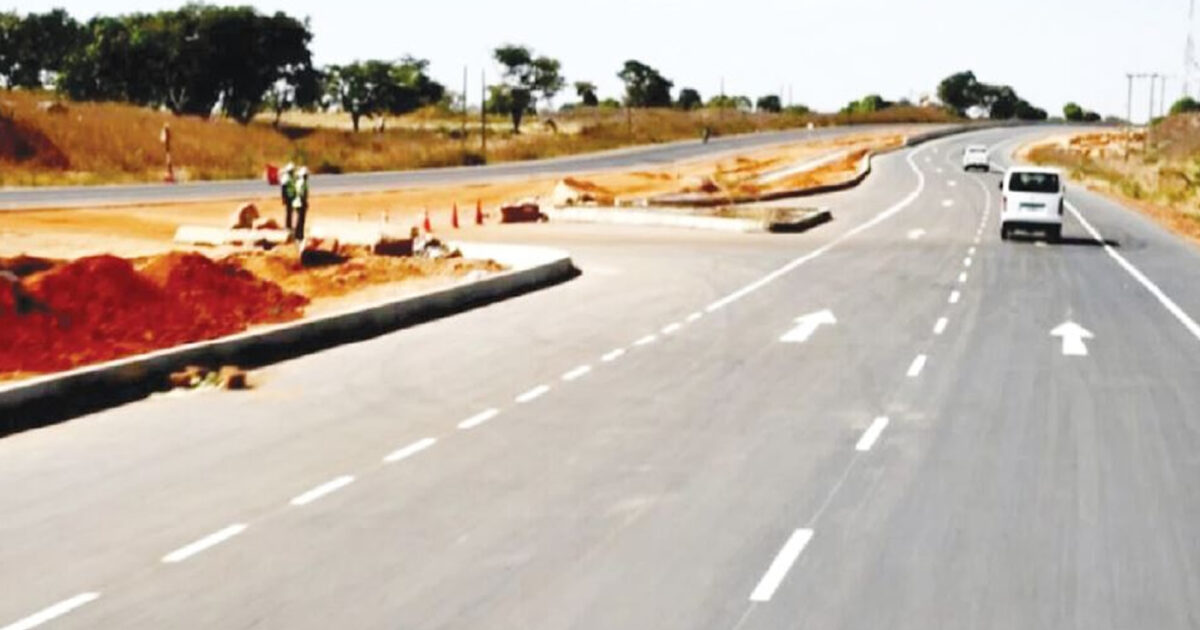
By Adedapo Adesanya
The Minister of Works, Mr David Umahi, has announced that motorists would begin using a crucial 15-kilometre section of the Enugu–Onitsha highway during the Easter period, describing it as a special intervention to ease travel.
Mr Umahi made the disclosure while inspecting the project in Enugu, expressing satisfaction with the quality of work and reaffirming the government’s commitment to delivering immediate relief to road users.
According to him, the section will be opened for use by the end of March, even if final touches such as road markings and median curbs are yet to be completed.
“We have directed the contractor to ensure that this stretch is accessible within the stipulated timeframe as part of efforts to reduce the burden on commuters,” he said.
The Minister emphasised that beyond short-term relief, the project is designed to ensure long-term durability, noting that the highway remains one of the most strategic transport corridors in Nigeria’s South-East.
He observed that roads in the region have long suffered from heavy congestion, frequent accidents, and poor pavement conditions, expressing optimism that ongoing reconstruction will permanently address these challenges.
Umahi linked the renewed infrastructure push to the commitment of President Bola Tinubu to the development of the South-East, while also highlighting the scale of inherited challenges in the sector.
He revealed that the federal government met outstanding road liabilities estimated at over N13 trillion across more than 2,000 projects as of May 2023, a situation he said has strained project delivery nationwide.
While acknowledging that delayed payments have slowed contractors’ pace of work, Umahi expressed confidence that progress would improve once funding issues are resolved.
“You cannot expect optimal performance when contractors are unpaid, but we appreciate their continued cooperation and trust in government,” he added.
The minister also commended Enugu State governor, Peter Mbah, for supporting the project, particularly in handling compensation for affected residents around the Abakpa flyover axis of the Enugu–Abakaliki highway.
He noted that the state government also facilitated the relocation of key infrastructure, including high-tension power lines and water pipelines, to ensure smooth execution of the project.
On his part, the resident engineer for the Enugu–Onitsha highway project, Mr Lawrence Ubi, confirmed that the 15-kilometre stretch is about 95 per cent complete.
He assured that the work meets required engineering standards and will be ready for public use within the agreed timeline, while appreciating the federal government’s continued support.












-
 Feature/OPED6 years ago
Davos was Different this year
-
Travel/Tourism10 years ago
Lagos Seals Western Lodge Hotel In Ikorodu
-

 Showbiz3 years ago
Estranged Lover Releases Videos of Empress Njamah Bathing
-
 Banking8 years ago
Sort Codes of GTBank Branches in Nigeria
-

 Economy3 years ago
Subsidy Removal: CNG at N130 Per Litre Cheaper Than Petrol—IPMAN
-

 Banking3 years ago
Sort Codes of UBA Branches in Nigeria
-

 Banking3 years ago
First Bank Announces Planned Downtime
-

 Sports3 years ago
Highest Paid Nigerian Footballer – How Much Do Nigerian Footballers Earn