
General
NLNG Targets 50% Increase in Domestic Cooking Gas Supply Through Train 7

By Adedapo Adesanya
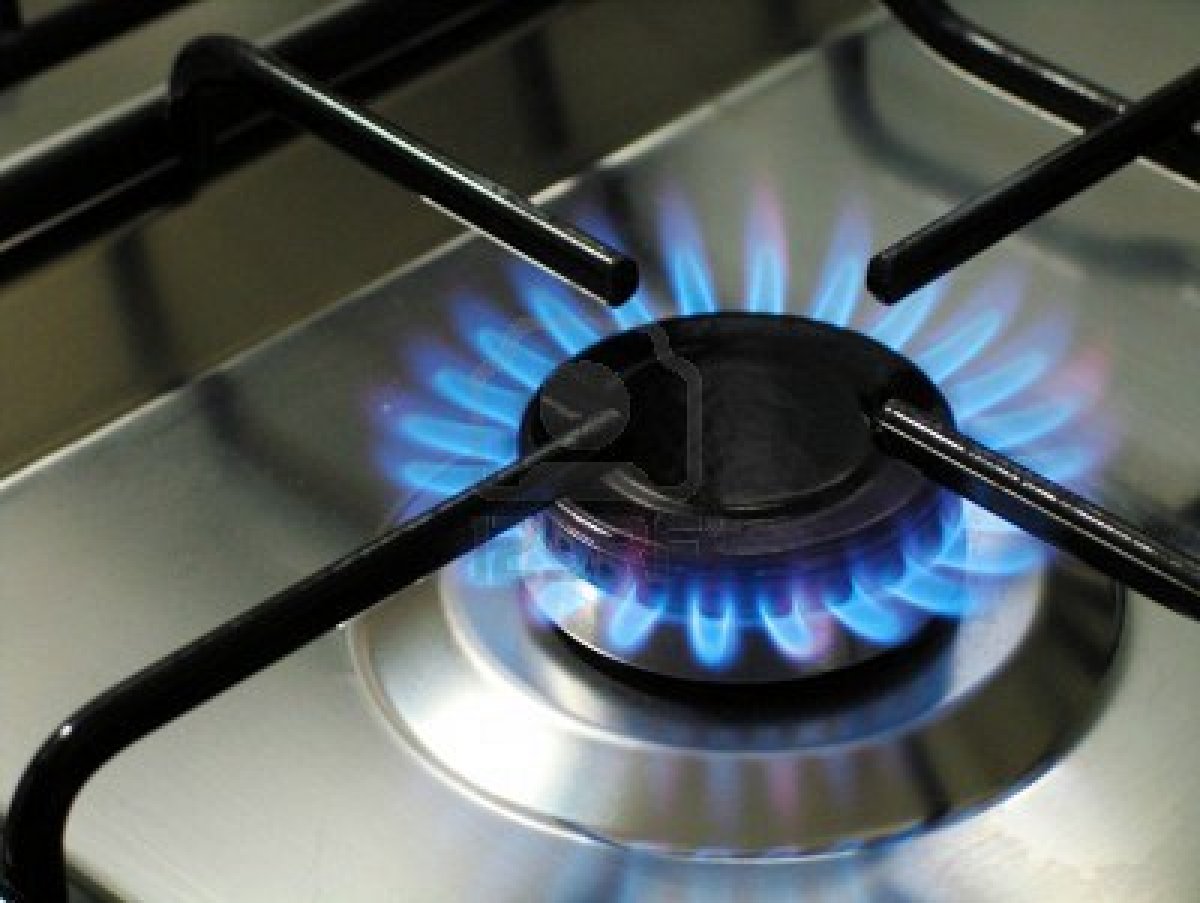
Nigeria LNG Limited (NLNG) plans to increase its domestic supply of liquefied petroleum gas (LPG), popularly known as cooking gas, by 50 per cent through its ongoing Train 7 project to improve local availability and reduce dependence on imports.
The chief executive of NLNG, Mr Adelaye Falade, disclosed this during a visit by his counterpart at the Nigerian Midstream and Downstream Petroleum Regulatory Authority (NMDPRA), Mr Rabiu Umar, to the company’s plant and Train 7 project site in Bonny, Rivers State, recently.
Mr Falade said the project would raise NLNG’s annual LPG supply to the Nigerian market from 500,000 tonnes to approximately 750,000 tonnes, helping to bridge the gap between domestic production and national consumption.
He explained that local production currently accounts for about 40 per cent of Nigeria’s cooking gas requirements, while imports supply the remaining 60 per cent, exposing the domestic market to international supply costs and shipping constraints.
The NLNG chief executive said the company was prioritising the full utilisation of its existing production facilities but noted that inadequate feed gas supply had constrained output.
He recalled that cooking gas prices rose to about N2,400 per kilogramme in some locations in June, despite NLNG’s loading prices ranging between N800 and N900 per kilogramme.
According to him, increased domestic production, improved distribution and closer cooperation with the regulator would help narrow the gap between terminal and retail prices.
Mr Umar said increased domestic gas supply and more efficient distribution were central to the NMDPRA’s efforts to improve energy security and make cooking gas more accessible, particularly in underserved areas.
He attributed price fluctuations to supply and demand conditions, as well as transportation, shipping and vessel availability constraints.
The NMDPRA chief executive disclosed that cooking gas prices had declined by between N300 and N400 per kilogramme following increased supply and interventions to address distribution bottlenecks.
On calls for prices to fall below N1,000 per kilogramme, Mr Umar said he could not guarantee a specific retail price because Nigeria operated a deregulated market.
He, however, assured consumers that the authority would work to ensure prices remained cost-reflective and address practices that could expose them to exploitation.
Mr Umar also urged NLNG to expand its production capacity through additional trains and pledged regulatory support to the company.
NLNG’s General Manager, Production, Mr Nnamdi Anowi, said the company continued to supply about 500,000 tonnes of LPG annually to the domestic market, while identifying vandalism, gas leakages and repair-related disruptions among its operational challenges.