
General
Oyo Waste Management Task Force Calls Out Numbers for Immediate Evacuation


By Modupe Gbadeyanka
The waste management task force of Oyo State has given out a phone number residents of the state can call for the immediate evacuation of wastes in their areas, 070 0080 0700, for inquiries on waste management.
This is as the state government has affirmed its readiness to meet the waste management needs of residents during the festive season.
The leader of the task force, Mrs Aderonke Adedayo, speaking in Ibadan on Christmas eve, said the team would consolidate Mottainai Recycling Limited’s year-round vision of establishing a cleaner and healthier Oyo State.
She added that bearing in mind the anticipated increase in waste generation during the period, the task force would leave no stone unturned in ensuring that the season was celebrated in a clean environment.
She further revealed that the team would partner with the consultant to intensify the distribution of Mottainai Accredited Franchisees (MAFs) to the nooks and crannies of the state.
Mrs Adedayo stated that the MAFs, otherwise known as PSP operators, had been mandated to work round the clock in their assigned areas of operation, while Mottainai would provide backup trucks.
She also reiterated that PSP operators operating within the state who refuse to adhere to the Zero Waste Initiative of the state government led by Mr Seyi Makinde would be dealt with.
Mrs Adedayo added that unregistered PSPs caught while evacuating wastes will forfeit their trucks, while they risk six months imprisonment.
The team leader enjoined all citizens not to throw their refuse indiscriminately on the median, saying it gives the state a dirty appearance, encouraging residents to wait for their MAFs/PSPs to collect their refuse or call the emergency number.
Also speaking, the Managing Director of Mottainai Recycling, Mr Adey Adewuyi, stated that the agency recently put out emergency numbers to enable residents to reach out to them when there is a service gap.
Mr Adewuyi added that phone numbers published are also for the purpose of monitoring the situation of the environment during the yuletide, appealing to residents to desist from acts capable of making life miserable for the environment and its inhabitants.
He equally urged motorists to drive with caution to safeguard the lives of street sweepers and other service providers who would be discharging their duties during this period.







By Aduragbemi Omiyale
The Lagos State government has promised to sustain its collaboration with private sector players to drive sustainable urban development, create jobs, and position Lagos as a leading hub for commerce and industry in Africa.
This assurance was given by the state governor, Mr Babajide Sanwo-Olu, at the commissioning of Irele Tower last Thursday.
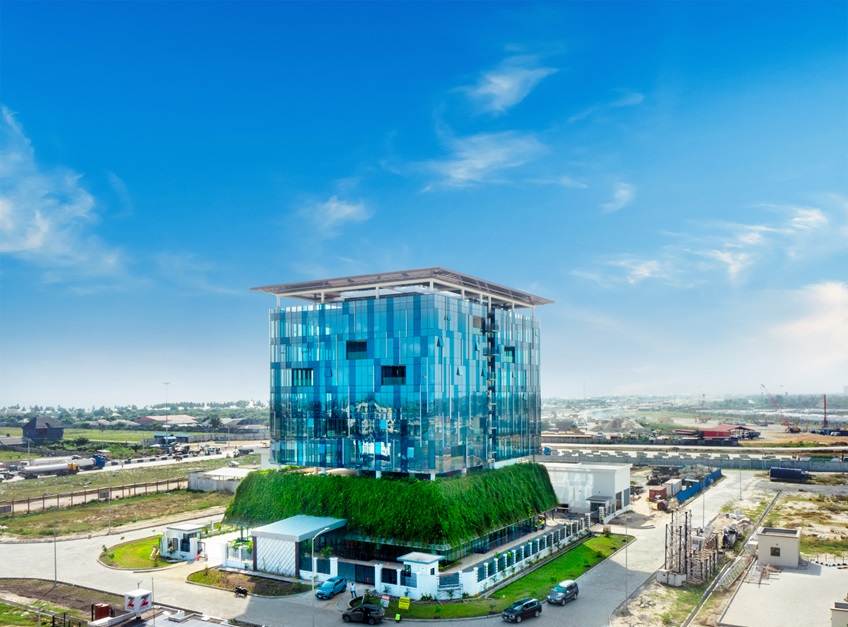
The nine-storey facility is the first commercial building within the Lagos Free Zone (LFZ). It is EDGE-certified, which sets a new standard for sustainable workspace in Lekki, Nigeria’s fastest-growing economic corridor.
Irele Tower is designed to host office and retail activities in the Lekki economic corridor. It was built for efficiency with 26 per cent less energy and 46 per cent less water consumption. It is an eco-friendly building, with the design inspired by maritime architecture, reflecting its proximity to the Lekki Deep Sea Port.
Mr Sanwo-Olu described the delivery of the Irele Tower as a significant milestone in the development of the economic zone in line with the agenda of making Lagos a 21st-century economy by boosting economic growth to support the state’s developmental plans.
According to him, the facility is critical to unlocking the full potential of the Ibeju-Lekki axis of the economic zone, particularly given the presence of the Lekki Deep Sea Port and other major industrial investments within the Lagos Free Zone.
“The commissioning of Irele Tower is a clear demonstration of what can be achieved through strong collaboration between the public and private sectors. This development not only enhances the infrastructure profile of the Lagos Free Zone but also strengthens our vision of making Lagos a premier destination for investment and economic activities.
“We will continue to support initiatives that promote industrial growth, create employment opportunities, and improve the overall business environment in our state,” he said.
In her remarks, the chief executive of LFZ, Ms Adesuwa Ladoja, stated that the development reflects the zone’s commitment to creating an integrated ecosystem where businesses can thrive, supported by modern infrastructure, a strategic location, and efficient logistics.
“The commissioning of Irele Tower represents a defining milestone in our journey to build a world-class industrial and commercial hub. This development reflects our commitment to providing high-quality infrastructure that supports ease of doing business and enhances operational efficiency for our tenants.
“As the first commercial tower within the Lagos Free Zone, Irele Tower, sets a new benchmark for quality workspace in this corridor and reinforces our position as a preferred destination for investment and enterprise,” she added.
Irele Tower sits on a gross floor area of approximately 12,000 square metres. It offers modern workspaces tailored to evolving business needs. The facility also offers premium amenities, including office spaces, retail outlets, parking facilities, shared workspaces, and a rooftop cafeteria, creating a dynamic, integrated business environment.

By Adedapo Adesanya
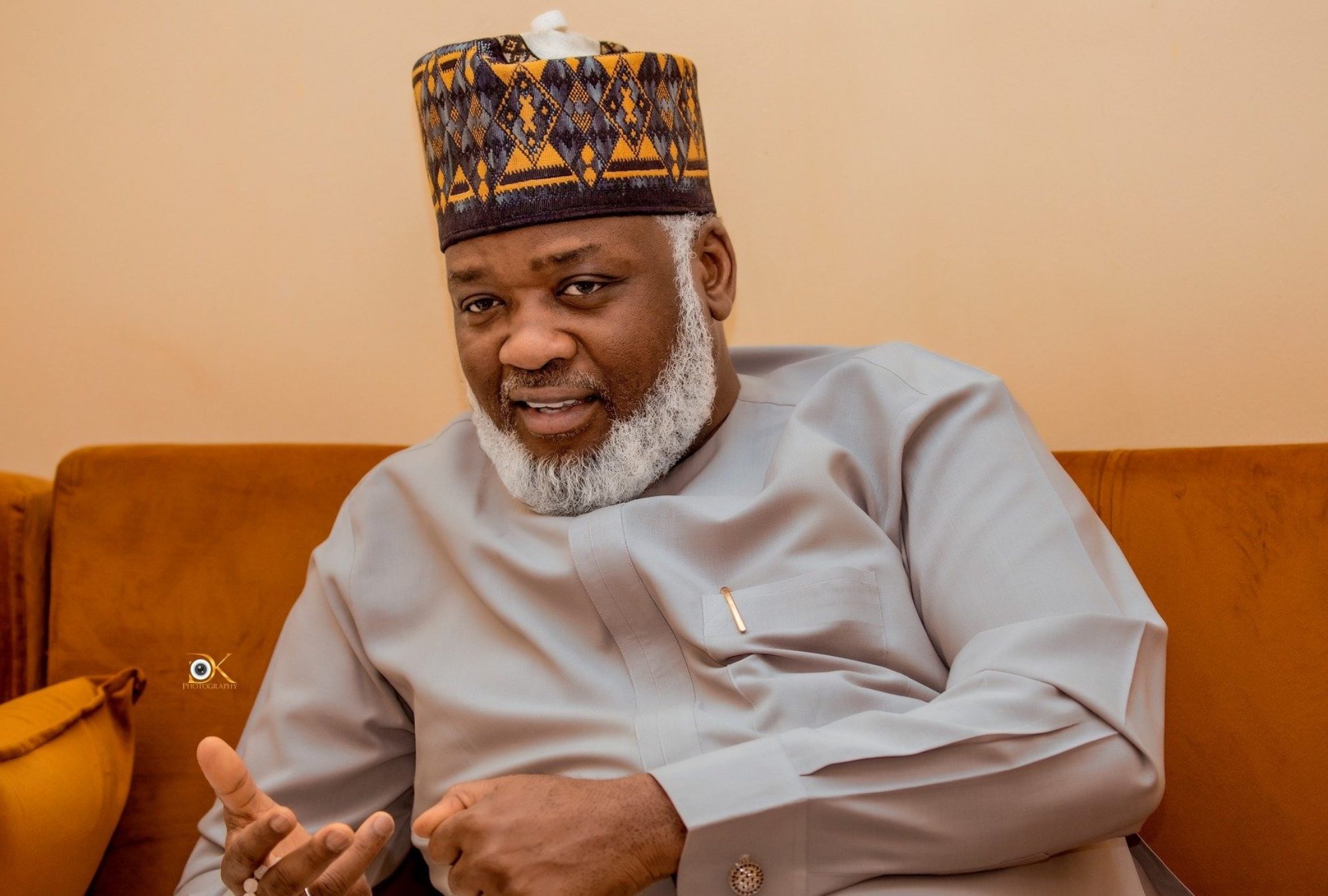
The Chairman of the Governing Board of the Federal Mortgage Bank of Nigeria (FMBN), Mr Nasiru Gawuna, has formally resigned from his position, obeying a directive that requires office holders with political ambitions to step down before March 31, 2026.
Mr Gawuna, a former governorship candidate of the All Progressives Congress (APC) in Kano State, submitted his resignation in a letter dated March 27, 2026. In the letter, he stated that his decision takes immediate effect and is in compliance with directives issued by President Bola Tinubu.
He is expected to formally announce his move to the African Democratic Congress (ADC) on Tuesday alongside Mr Rabiu Musa Kwankwaso, a prominent political figure and former Governor of Kano, who resigned from the New Nigeria People’s Party (NNPP).
The former governor of Kano and senator rose to prominence through his grassroots-oriented Kwankwasiyya Movement, which has played a decisive role in shaping electoral outcomes in Kano. His political journey has seen him move across major parties before leading the NNPP into the 2023 general elections, where he maintained significant influence in the North-West state.
“My resignation is in strict compliance with the President’s directive requiring all political appointees to step down in accordance with the provisions of the Electoral Act,” Mr Gawuna wrote.
In his resignation letter, Mr Gawuna expressed appreciation for the opportunity to serve under the current administration, describing his tenure as both an honour and a privilege.
“I am profoundly grateful to His Excellency, President Bola Ahmed Tinubu, for the confidence reposed in me to serve. It has been a privilege to contribute to the growth and development of the Federal Mortgage Bank of Nigeria and our great country,” he stated.
He also struck a reflective tone regarding his future, adding, “I place my future in the hands of Allah (SWT) and seek His divine guidance in all my endeavours.”
Mr Gawuna assured stakeholders of a seamless transition process, noting that he would hand over responsibilities in line with established procedures.
“I remain committed to ensuring a smooth and orderly handover in accordance with all laid-down directives,” he said.

By Adedapo Adesanya
The African Export-Import Bank (Afreximbank) has announced that its 33rd Annual Meetings will take place at El Alamein in Egypt, from June 21-24, 2026.
Against the backdrop of deepening geopolitical realignment and conflicts, Afreximbank will hold its 33rd Annual Meetings under the theme Intra-African Trade and Industrialisation: Pathway to Economic Sovereignty, underscoring the growing imperative for African countries to harness internal capacities, strengthen regional value chains, and accelerate industrial transformation as a foundation for sustainable and resilient growth.
The meetings will bring together Heads of State, government officials, policymakers, private sector leaders, financial institutions, academia and international partners from across Africa and beyond.
Through a series of strategic dialogues and engagements, Afreximbank aims to identify priority projects and actionable programmes that will advance the transformation of Africa’s trade structure, particularly in an era shaped by protectionism, shifting alliances, and economic self-interest.
The Cairo-based lender, in a statement, said the 2026 meetings would provide a unique platform for delegates to engage with high-level decision-makers, connect with partners across the value chain, gain insights into trade finance and logistics, and access capital and close investment deals. The meetings will also serve as a platform to structure partnerships and advance bankable projects across the continent.
According to Mr George Elombi, President and Chairman of the Board of Directors at Afreximbank, the meeting is coming at a time when disruptions are occurring, particularly in the Middle East, setting the need for African institutions to look at solutions that help them.
“With the current global turmoil, marked by policy uncertainty and intensifying geopolitical tensions, Africans must look inwards for solutions relevant to their challenges. We must wean ourselves off trade in commodities, expand investment in processing, build regional value chains, and consume our products to realise the growth and shared prosperity we want,” he said.
Adding his input, Mr Hassan Abdalla, Governor of the Central Bank of Egypt (CBE), affirmed: “As the host country of Afreximbank, Egypt is honoured to welcome distinguished delegates to attend the Bank’s 33rd Annual Meetings. At a time of increasing global uncertainty and shifting economic dynamics, Egypt’s strategic location and economic scale position it as a key driver of regional integration and advancing continental priorities.
“Hosting the AAM2026 in El Alamein reflects Egypt’s continued commitment to supporting African institutions, strengthening intra-African trade, and advancing the continent’s industrialisation and long-term economic transformation.”








-
 Feature/OPED6 years ago
Davos was Different this year
-
Travel/Tourism10 years ago
Lagos Seals Western Lodge Hotel In Ikorodu
-

 Showbiz3 years ago
Estranged Lover Releases Videos of Empress Njamah Bathing
-
 Banking8 years ago
Sort Codes of GTBank Branches in Nigeria
-

 Economy3 years ago
Subsidy Removal: CNG at N130 Per Litre Cheaper Than Petrol—IPMAN
-

 Banking3 years ago
Sort Codes of UBA Branches in Nigeria
-

 Banking3 years ago
First Bank Announces Planned Downtime
-

 Sports3 years ago
Highest Paid Nigerian Footballer – How Much Do Nigerian Footballers Earn