
General
Stanbic IBTC Gives Succour to Children at 10th Together4Alimb Charity Walk

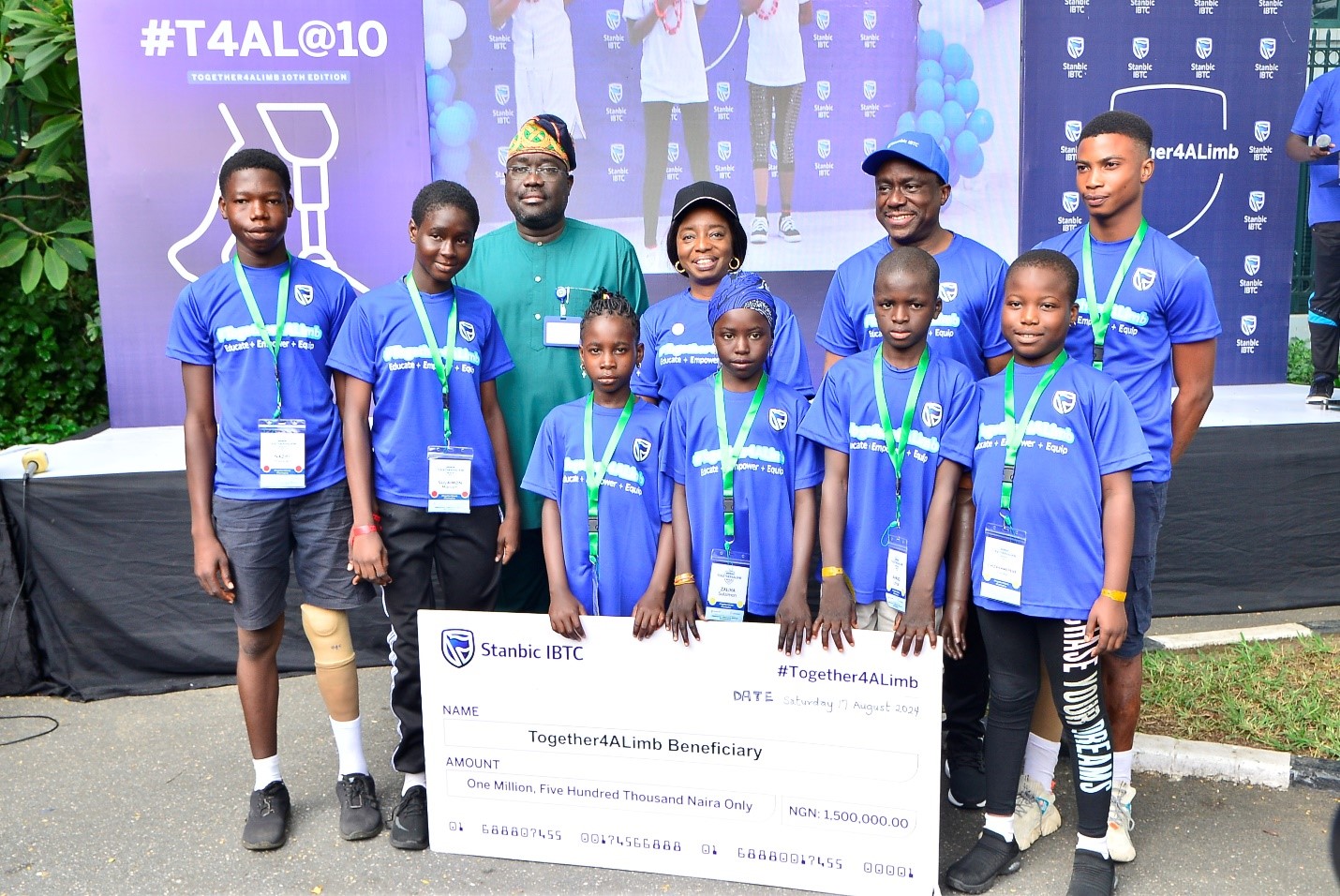
In a profound demonstration of commitment to societal welfare and support for underprivileged children, Stanbic IBTC Holdings, a subsidiary of the Standard Bank Group, successfully commemorated the 10th edition of its flagship Corporate Social Investment (CSI) initiative, the Together4ALimb Walk, on 17 August 2024. This hallmark event marks years of dedicated efforts towards enriching the lives of children living with limb loss and underscores Stanbic IBTC’s steadfast dedication to social responsibility.
Speaking at the event, Dr Demola Sogunle, the Chief Executive, Stanbic IBTC Holdings, emphasised the significant impact of limb loss on children’s emotional, psychological, and societal well-being. He highlighted the organisation’s holistic support approach, tackling not just the medical needs but also the financial and social challenges encountered by the families.
He emphasised the crucial role businesses play in offering comprehensive support, urging them to recognise that limb loss presents a complex challenge that goes beyond the physical condition. He highlighted the efforts of Together4ALimb, explaining how the initiative addresses both the visible and hidden obstacles faced by these families, ultimately providing a more holistic and inclusive form of support.
“Businesses have a crucial role in delivering comprehensive support, recognising limb loss as a complex life challenge beyond the physical condition. Through Together4ALimb, we address both the tangible and intangible hurdles these families face,” Demola stated.
The 2024 Together4ALimb Walk, resonating with the theme “Wellness in Motion” 2.0, was engineered to spotlight and ease the challenges faced by underprivileged children suffering from limb loss. Since the initiative’s inception in 2015, Together4ALimb has significantly improved the lives of 55 children by providing them with prosthetic limbs and creating educational trust funds of N1.5 million for each beneficiary. The programme witnessed a considerable expansion in 2023, extending its benevolence to 45 additional recipients.
To this day, the initiative proudly boasts of assisting 136 beneficiaries nationwide, ensuring each child receives an annual prosthetic limb replacement until age 18. This year’s event further solidified Stanbic IBTC’s commitment by welcoming 36 children into the programme, thereby cementing Stanbic IBTC’s role in creating brighter futures for children experiencing limb loss.
During the event, Dr Ibijoke Sanwo-Olu, First Lady of Lagos State, highlighted the remarkable impact of the initiative noting with admiration that 136 children have benefited from the organisation’s esteemed Corporate Social Responsibility (CSR) initiative.
She said, “I want to sincerely appreciate Stanbic IBTC’s commitment and consistency over the years through this laudable initiative. It is imperative to note that supporting special children who have experienced limb loss either through accidents, mismanaged injuries, or congenital issues/birth defects and providing prosthetic limbs and educational trust funds for them will further assist them in realising their full potential and give them a sense of love, care, and support from society.”
“Over the years, issues around welfare and rights of persons with disabilities have become a recurring decimal in national discourse with successive administrations coming up with various initiatives to end discrimination and generally promote the principle of social inclusion. In today’s world, our society has realised that physical disability is not inability and therefore should not, in any way, hinder anyone from achieving something positive in life,” she stated.
Ejike Anih, Founder and Chief Executive Officer of IfeanHealth Orthopaedics, stated that Stanbic IBTC has accomplished milestones through the Together4Limb initiative.
“This initiative explicitly targets the upliftment of underprivileged children, a segment of society often overlooked yet deeply impacted by systemic inequalities. By focusing on this group, the organisation sheds light on these children’s pressing issues and actively works to create tangible positive changes in their lives.”
“Such initiatives are paramount today, as they embody the essence of corporate responsibility—recognising the roles of businesses in the economy and as pillars of society with the power and resources to enact real change. By dedicating a portion of its resources to the welfare of underprivileged children, the organisation sets a laudable example for others to follow, demonstrating how corporations can make a significant difference in the world, one child at a time,” Ejike said.
Speaking at the event, Brigadier General Samson Okoigi, Corps Commander—Medical, Nigerian Army, commended the Together4ALimb initiative for its significant contribution, providing much-needed hope and support to those affected. This initiative is crucial in helping recipients tap into their inherent potential and navigate life more confidently despite their physical challenges.
He stressed, “We understand firsthand the impact of losing a limb, not just physically, but emotionally and psychologically. I stand here today with pride, recognising the vital work that Stanbic IBTC has been doing through this remarkable initiative. Your dedication to restoring mobility to individuals with limb loss across Nigeria aligns with our mission in the Nigerian Army to rehabilitate and support the brave men and women who have sacrificed so much in service to our nation. We know that the journey to recovery is not just about restoring what was lost but empowering individuals to regain their independence, confidence and sense of purpose.”
The 10th Together4ALimb Walk commenced at the Stanbic IBTC Head Office on Walter Carrington Crescent, Victoria Island, Lagos, and concluded at the Law School Bus Stop on Ozumba Mbadiwe Avenue.
This year’s event marked a significant milestone by expanding its reach beyond Lagos, bringing the Together4ALimb Walk to several cities across Nigeria with staff and partners joining the walk with the aid of Steps by Stanbic IBTC. This expansion underscores Stanbic IBTC’s commitment to fostering the nation’s social, economic, and environmental welfare.











By Adedapo Adesanya
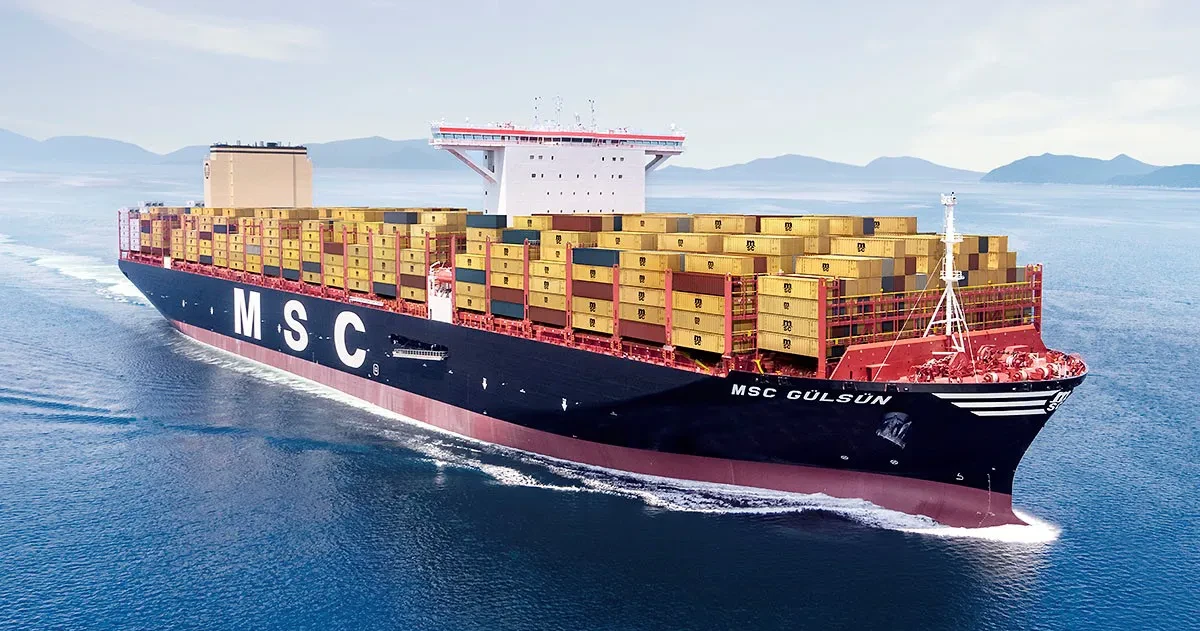
Switzerland-headquartered global shipping giant, Mediterranean Shipping Company (MSC), has complied with the directive of the Nigerian Shippers’ Council (NSC) to suspend the implementation of its new tariff pending consultations with stakeholders.
In a customer advisory titled Temporary Suspension of New Tariff Implementation, the shipping line stated that the tariff regime in place before the recent increase would remain effective until further notice.
Business Post reported a few days ago that freight forwarders picketed the offices of MSC, protesting the recent increase in shipping line tariffs. They blocked the regulators from accessing the MSC premises to address the matter.
Despite the protests, the council’s attempt to engage the aggrieved freight forwarders in discussions was resisted, as the protesters insisted that there was no basis for dialogue and vowed to continue the protest until the increased charges were immediately reversed.
In the latest directive, the shipping company said, “We wish to inform our esteemed customers that the recently implemented tariff adjustment has been temporarily suspended, following a directive from the NSC. This suspension is pending the conclusion of ongoing engagements and resolution with the regulator.”
“Accordingly, the tariff regime applicable prior to the recent increase will remain in force until further notice, as mandated.”
The company further assured customers that updates would be communicated once a final decision is reached by the Nigerian Shippers’ Council.
“We remain fully committed to regulatory compliance, transparency, and protecting the interests of our customers. Further updates will be communicated promptly once a definitive position is issued by the Nigerian Shippers’ Council. We appreciate your understanding and continued cooperation,” the advisory added.
NSC had warned that prolonged industrial disputes within the maritime sector could disrupt port operations and negatively impact trade and economic activities.

By Adedapo Adesanya
The Minister of Works, Mr David Umahi, has announced that motorists would begin using a crucial 15-kilometre section of the Enugu–Onitsha highway during the Easter period, describing it as a special intervention to ease travel.
Mr Umahi made the disclosure while inspecting the project in Enugu, expressing satisfaction with the quality of work and reaffirming the government’s commitment to delivering immediate relief to road users.
According to him, the section will be opened for use by the end of March, even if final touches such as road markings and median curbs are yet to be completed.
“We have directed the contractor to ensure that this stretch is accessible within the stipulated timeframe as part of efforts to reduce the burden on commuters,” he said.
The Minister emphasised that beyond short-term relief, the project is designed to ensure long-term durability, noting that the highway remains one of the most strategic transport corridors in Nigeria’s South-East.
He observed that roads in the region have long suffered from heavy congestion, frequent accidents, and poor pavement conditions, expressing optimism that ongoing reconstruction will permanently address these challenges.
Umahi linked the renewed infrastructure push to the commitment of President Bola Tinubu to the development of the South-East, while also highlighting the scale of inherited challenges in the sector.
He revealed that the federal government met outstanding road liabilities estimated at over N13 trillion across more than 2,000 projects as of May 2023, a situation he said has strained project delivery nationwide.
While acknowledging that delayed payments have slowed contractors’ pace of work, Umahi expressed confidence that progress would improve once funding issues are resolved.
“You cannot expect optimal performance when contractors are unpaid, but we appreciate their continued cooperation and trust in government,” he added.
The minister also commended Enugu State governor, Peter Mbah, for supporting the project, particularly in handling compensation for affected residents around the Abakpa flyover axis of the Enugu–Abakaliki highway.
He noted that the state government also facilitated the relocation of key infrastructure, including high-tension power lines and water pipelines, to ensure smooth execution of the project.
On his part, the resident engineer for the Enugu–Onitsha highway project, Mr Lawrence Ubi, confirmed that the 15-kilometre stretch is about 95 per cent complete.
He assured that the work meets required engineering standards and will be ready for public use within the agreed timeline, while appreciating the federal government’s continued support.

By Modupe Gbadeyanka
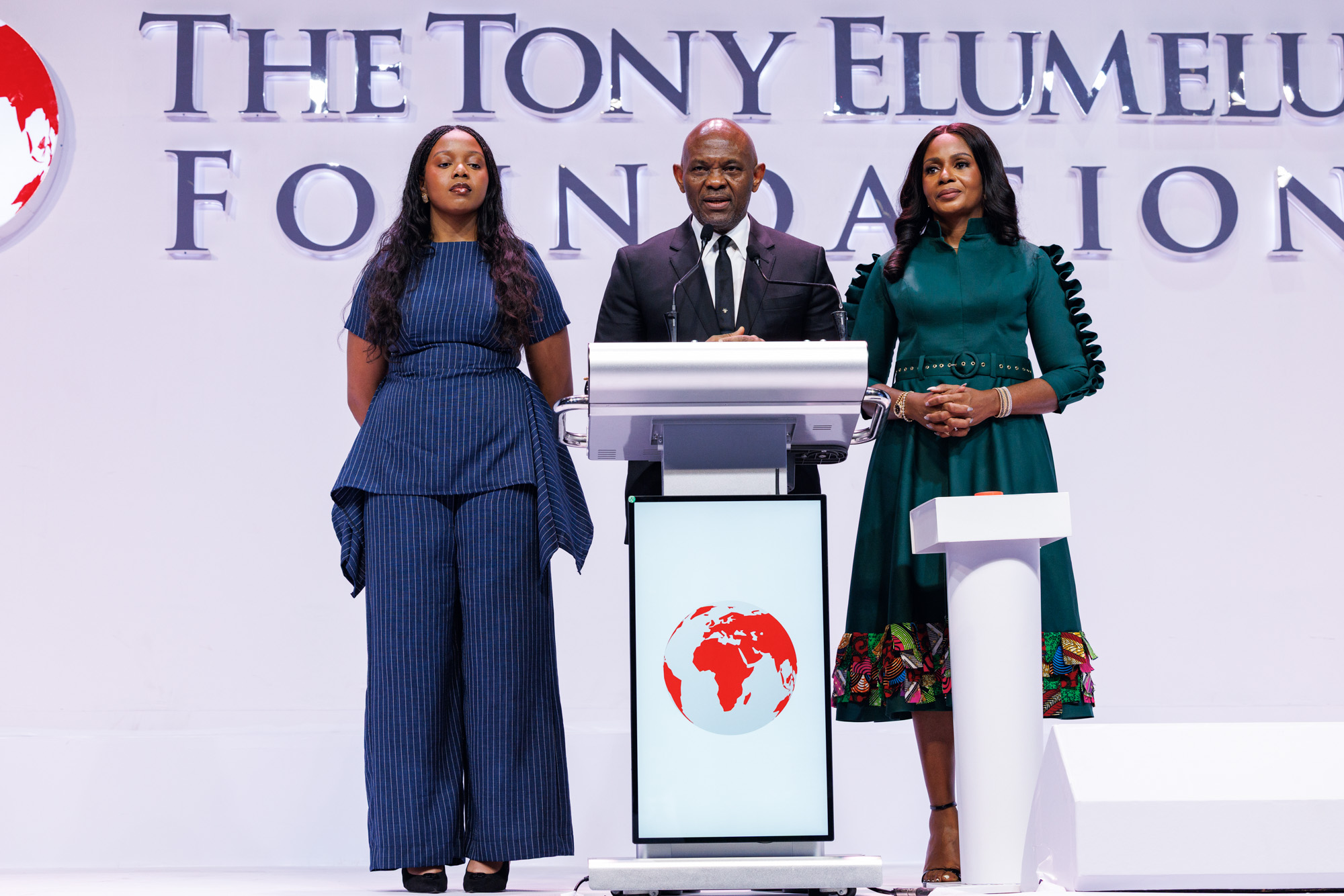
A total of 3,200 African entrepreneurs across 54 countries will participate in the 2026 Tony Elumelu Foundation (TEF) Entrepreneurship Programme.
The beneficiaries were unveiled at the weekend, when the founder of the organisation, Mr Tony Elumelu, celebrated his 63rd birthday in Abuja.
Analysis showed that women accounted for 51 per cent of the cohort, which Mr Elumelu was proud of, saying it reflects merit-based selection and highlights the increasing leadership of African women in entrepreneurship.
“When opportunity is accessible, African women do not simply participate, they lead,” the philanthropist and chairman of Heirs Holdings, Transcorp Plc and UBA Group said.
The chosen business owners will each receive $5,000 in non-refundable seed capital, alongside access to mentorship, business training, and TEF’s proprietary digital platform, TEFConnect.
In his annual letter, Mr Elumelu emphasised that opportunity and prosperity can be intentionally created and scaled, saying, “Hope is not just a feeling, it is a system we can build”.
This underscores his long-standing belief in Africapitalism, the philosophy that Africa’s private sector must drive economic and social development.
Highlighting the programme’s growing impact, the Delta State-born businessman noted that the foundation has now disbursed over $100 million in funding to more than 24,000 African entrepreneurs since its inception. The programme continues to demonstrate strong outcomes, with 80 per cent of supported businesses scaling beyond the early stage, significantly outperforming global averages.
Collectively, TEF-supported entrepreneurs have generated over $4.2 billion in revenue, created 1.5 million jobs, and lifted more than 2.1 million Africans out of poverty, impacting over four million households across the continent.
Reflecting on the organisation’s journey since its launch in 2010, Mr Elumelu reiterated the vision to democratise opportunity and scale impact across Africa by investing in its most valuable resource, which is its people. He also expressed gratitude to partners, mentors, and stakeholders who continue to support the foundation’s mission of building a self-sustaining Africa.













-
 Feature/OPED6 years ago
Davos was Different this year
-
Travel/Tourism10 years ago
Lagos Seals Western Lodge Hotel In Ikorodu
-

 Showbiz3 years ago
Estranged Lover Releases Videos of Empress Njamah Bathing
-
 Banking8 years ago
Sort Codes of GTBank Branches in Nigeria
-

 Economy3 years ago
Subsidy Removal: CNG at N130 Per Litre Cheaper Than Petrol—IPMAN
-

 Banking3 years ago
Sort Codes of UBA Branches in Nigeria
-

 Banking3 years ago
First Bank Announces Planned Downtime
-

 Sports3 years ago
Highest Paid Nigerian Footballer – How Much Do Nigerian Footballers Earn