

Health
Accurate Multi-Panel Drug Test Cups For Professionals

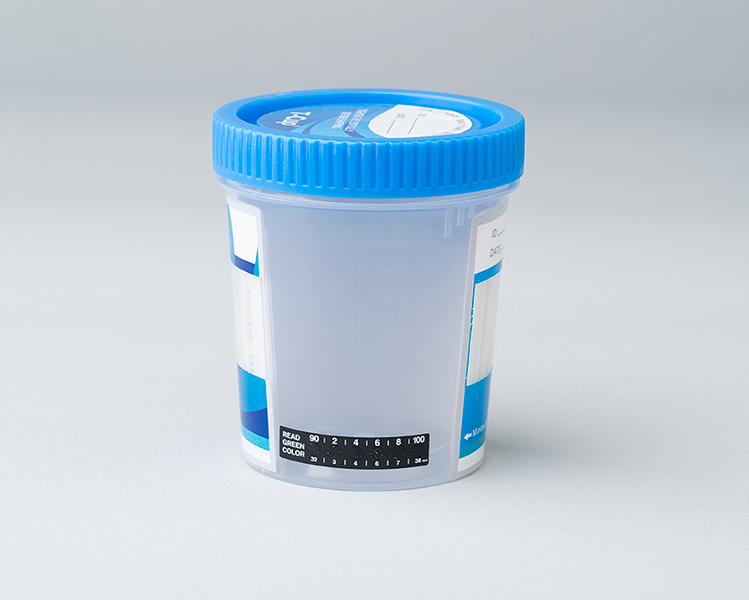
In safety-sensitive workplaces, clinical settings, and staffing operations, reliable on-site drug screening is a practical first line of defense. Accurate multi-panel drug test cups for professionals combine speed with portability, allowing organizations to screen for multiple substances quickly while preserving chain-of-custody and sample integrity. This guide explains how these cups work, how to choose the right product for a professional setting, and how to manage administration, interpretation, and compliance to reduce legal risk and costly false positives.
What Multi-Panel Drug Test Cups Are And Who Should Use Them
Multi-panel drug test cups are self-contained immunoassay devices that screen a urine sample for multiple drug classes simultaneously, typically including amphetamines, cocaine metabolites, opioids, cannabinoids (THC), benzodiazepines, and others depending on the panel. They are designed for point-of-care use: a donor provides a urine specimen directly into the cup, and the integrated test strips produce rapid visual results within minutes.
Who should use them? Professionals that benefit most include:
- Occupational health and human resources teams conducting pre-employment, post-incident, or random testing programs.
- Substance use clinicians and treatment centers performing routine monitoring.
- Staffing firms and temp agencies that need quick screening before placement.
- Corrections and probation officers performing supervision checks.
- Employers in transportation, construction, healthcare, and manufacturing where safety is critical.
For organizations prioritizing both speed and defensibility, multi-panel cups offer a pragmatic balance: they provide immediate screening to inform next steps while still allowing for confirmatory laboratory testing when required.
How Multi-Panel Test Cups Work: Technology And Accuracy Factors
At their core, most multi-panel cups use lateral flow immunoassay technology. Antibodies embedded on test strips bind to drug metabolites in the specimen: a visible line forms (or disappears) according to the assay design, indicating a negative or presumptive positive.
Key accuracy factors to understand:
- Antibody specificity and cross-reactivity: High-quality assays use antibodies selected to minimize cross-reactivity with over-the-counter medications or endogenous compounds. Lower-grade tests may yield false positives when donors take legal medications that share similar metabolites.
- Cutoff concentrations: Each assay has a cutoff (measured in ng/mL) that determines whether a result is reported as positive. Most professional cups follow SAMHSA or DOT cutoffs for workplace testing: knowing these thresholds reduces misinterpretation.
- Temperature and matrix checks: Modern cups often integrate temperature strips and creatinine/oxidant checks to detect dilution or tampering. These integrity features improve the reliability of on-site results.
- Operator influence: Proper collection, timing, and result reading windows directly affect accuracy. Even the best cup can produce incorrect readings if the test is read too early or too late.
Real-world accuracy is often expressed in sensitivity (ability to detect positives) and specificity (ability to rule out negatives). Professional cups from reputable manufacturers typically report >95% agreement with laboratory immunoassays at the stated cutoffs, though confirmatory GC-MS or LC-MS/MS remains the gold standard for legal or employment consequences.
Choosing The Right Cup For Professional Settings
Selecting the appropriate multi-panel drug test cup requires more than picking a high panel count. It’s about matching features to use case, workflow, and legal requirements.
Key Selection Criteria
- Regulatory alignment: Choose cups that adhere to SAMHSA/DOT cutoffs if testing falls under federal guidelines.
- Built-in integrity checks: Temperature, adulteration, and creatinine tests help detect tampering or dilution at collection.
- Ease of use: Simple, unambiguous results and clear timing windows reduce operator error and training burden.
- Documentation options: Cups that help clear labeling, lot tracking, and photo documentation streamline chain-of-custody.
- Shelf life and storage needs: Longer shelf life and uncomplicated storage conditions simplify inventory management.
Panel Selection: Which Drugs To Include
Common professional panels are 5-, 8-, or 12-panel cups. Decisions should be risk-based:
- 5-panel: Standard workplace screens (AMP, COC, OPI, THC, BZO).
- 8–12 panel: Add methamphetamine, oxycodone, fentanyl, barbiturates, PCP, and others where clinical or workplace exposure warrants it.
Staffing and healthcare employers often opt for expanded panels that include fentanyl and synthetic opioids given their prevalence.
Sensitivity, Cutoffs, And False Positives
Higher sensitivity isn’t always better: it may detect clinically irrelevant low levels or passive exposure. Professional programs typically use established cutoffs to balance sensitivity and specificity. When a presumptive positive appears, organizations must have a policy for confirmatory testing rather than making employment decisions on a single cup result.
Adulteration Detection And Integrity Features
Buy cups with built-in tamper indicators: temperature strips (correct collection window), creatinine or pH checks, and oxidant detection. These features lower the likelihood of undetected sample manipulation and strengthen the defensibility of the screening process.
Best Practices For Collection And Administration
Accurate results start with consistent collection procedures and well-trained staff.
Chain Of Custody And Documentation
Maintain an unbroken chain of custody: donor identification, time-stamped collection, witness signatures, and secure transport for confirmatory samples. Use standardized forms and consider photo documentation or barcode systems that tie cups to donor records. This reduces disputes and protects both employer and donor.
Proper Sample Collection And Handling Steps
- Verify donor identity and inspect the collection area for prohibited items.
- Instruct the donor to provide an adequate volume into the cup: record temperature immediately.
- Observe, where policy and law permit, to prevent substitution.
- Seal and label samples promptly if they will be sent for confirmatory testing.
- Adhere to manufacturers’ timing for reading results: most cups specify a 5–10 minute window.
Training Staff And Reducing Human Error
Regular staff training on procedure, result interpretation, and documentation reduces mistakes. Provide quick-reference guides, role-play common scenarios, and audit collections periodically to ensure compliance.
Interpreting Results And When To Confirm
On-site cups deliver presumptive results, actionable only within a clear policy framework.
Reading Immunoassay Results Correctly
Most cups use a two-line format: a control line indicating the test is valid, and a test line indicating a negative or positive depending on the device. A faint test line usually indicates a negative result at or above the cutoff: no test line indicates a presumptive positive. Staff should follow the manufacturer’s visual guide and timing strictly. Photographing results can help document ambiguous cases.
Confirmatory Testing: When And How To Send Samples
Any presumptive positive that could have employment consequences should be sent to a certified laboratory for confirmatory testing using gas chromatography–mass spectrometry (GC-MS) or liquid chromatography–tandem mass spectrometry (LC-MS/MS). It’s best practice to split or retain an aliquot during collection for immediate confirmatory shipment if required. Establish relationships with accredited labs and clarify reporting timeframes, cutoff standards, and evidence handling procedures.
Legal, Regulatory, And Privacy Considerations
Testing programs operate in a regulated and privacy-sensitive environment: mishandling can result in litigation or regulatory penalties.
Compliance With Workplace Testing Regulations
Understand federal, state, and industry-specific regulations that apply to the organization. Transportation and DOT-regulated employees face stricter protocols, specific cutoffs, and certified collector requirements. Non-DOT employers still should align policies with best practices to maintain defensibility.
Recordkeeping, Privacy, And Liability Best Practices
Limit access to test results to authorized personnel, store records securely, and retain documentation according to legal retention requirements. Clear written policies that explain testing rationale, disciplinary procedures, and the appeals process help mitigate liability. Include provisions for reasonable accommodations and medical review officers (MROs) who assess legitimate medical explanations for positive results.
Storage, Shelf Life, And Vendor Reliability
Purchasing decisions affect accuracy and supply-chain resilience.
Storage Conditions, Expiry, And Inventory Management
Store cups per manufacturer recommendations, usually at controlled room temperature away from direct sunlight. Track lot numbers and expiration dates in inventory systems and rotate stock using FIFO principles. Expired tests can degrade antibody performance and increase error rates.
Evaluating Suppliers And Quality Assurance Practices
Work with suppliers that provide lot-level COAs (Certificates of Analysis), recall notifications, and prompt customer support. Vet vendors for ISO or other quality certifications, clear warranty policies, and responsiveness to post-sale technical questions. For agencies that manage testing programs for clients, documented supplier reliability reduces operational risk and preserves client trust.
Conclusion
Accurate multi-panel drug test cups for professionals are a practical tool when used within a rigorously designed program: choose products that match regulatory requirements, incorporate integrity checks, and come from reliable vendors. Combine those choices with standardized collection procedures, trained staff, and clear confirmatory pathways to reduce false positives and legal exposure.
For agencies and businesses that support client organizations, whether staffing firms or occupational health providers, investing in the right cups and operational controls pays off in defensible screening results and smoother downstream workflows. When testing has real consequences, a presumptive result from a quality cup should be the beginning of a controlled process, not the final word.


