

Health
FG Approves Framework for 24-hour Electricity to Hospitals

By Modupe Gbadeyanka
A financing framework to accelerate the electrification of health facilities nationwide has been approved by the federal government.
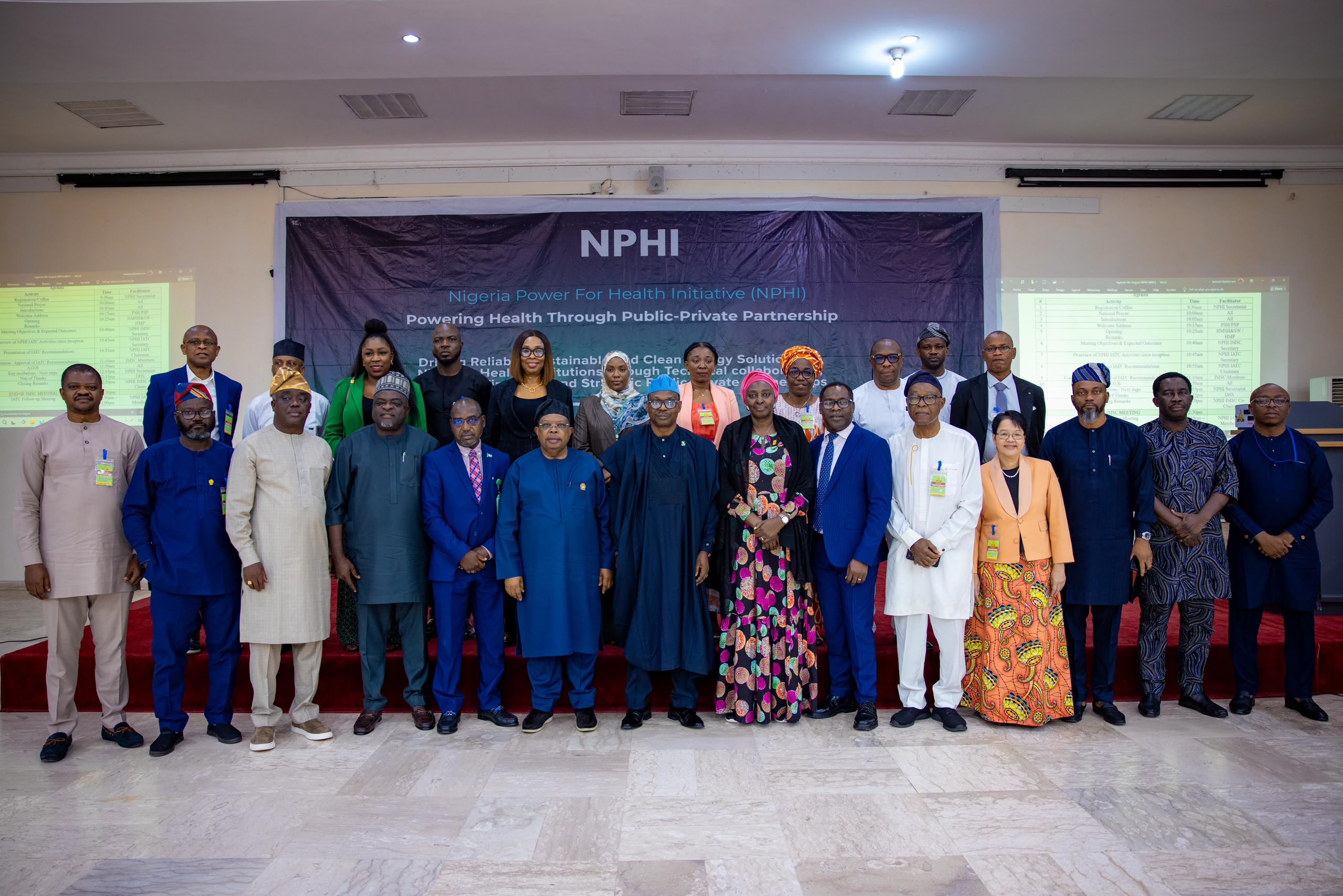
The approval was announced at the third meeting of the Inter-Ministerial Steering Committee (IMSC) of the Nigeria Power for Health Initiative (NPHI), a presidential programme jointly coordinated by the Federal Ministries of Power and Health and Social Welfare.
The committee was constituted to ensure reliable electricity in at least 30 per cent of Nigeria’s health facilities by the end of 2027.
At the meeting, chaired by the Minister of State for Health and Social Welfare, Mr Isiaq Salako, and co-chaired by the Minister of Power, Mr Joseph Tegbe, members of the Inter-Agency Technical Committee (IATC) presented the recommendations under consideration.
Speaking at the meeting, Mr Salako said the Steering Committee approved a financing framework to mobilise investment for healthcare electrification, alongside a facility energy management framework requiring participating hospitals to build sustainable systems for managing their energy infrastructure.
He said the committee also cleared eight (8) private sector proposals for further engagement, drawn from about 70 submissions received during the National Healthcare Electrification Investor Matchmaking Week in Lagos.
The Health Minister added that Energy Management Teams are already in place at federal tertiary hospitals, with state governments being encouraged to set up similar structures. The initiative will now be institutionalised through dedicated budgetary provisions and a full-time Project Coordination Unit to oversee implementation.
On his part, Mr Tegbe declared that the initiative must now move from announcements to actual project delivery.
Describing the NPHI as one of the President Bola Tinubu administration’s flagship programmes, he said the emphasis should shift towards commissioning completed projects that Nigerians can see for themselves, rather than further groundbreaking ceremonies and public messaging.
He emphasised the need for teaching hospitals, state hospitals, and primary healthcare centres to be fully energised, noting that the Rural Electrification Agency has already energised 5 Federal Teaching Hospitals and several other health facilities nationwide.
He also tied the initiative directly to patient outcomes, arguing that dependable power would end hospitals’ reliance on emergency generators, and pledged that the Ministry would continue to prioritise the initiative’s funding needs while ensuring value for money.


