
Health
How HealthPlus Founder Was Lured to Transfer 51.1% Stake to PE Investors

By Dipo Olowookere
One of the issues causing uproar in the business space in Nigeria at the moment is the leadership tussle between the founder of HealthPlus Limited, Mrs Bukky George, and the private equity investors in the pharmaceutical firm, Alta Semper Capital.
The issue became a public affair after the investors announced the removal of Mrs George as the CEO of the company and appointed Mr Chidi Okoro as the Chief Transformation Officer (CTO).
The founder kicked against this in a statement, where she maintained that her position as the head of the organisation remains intact, accusing Alta Semper of attempting to take the company away from her.
On Tuesday, the legal counsel of Mrs George issued a statement, where it was stated that the founder gave a controlling stake of the company to the foreign investors.
It was observed that while Mrs George controls 48.9 per cent stake in HealthPlus, the other investors have 51.1 per cent and the reason was that they promised to invest $18 million in the firm, but according to her, only $10 million has been released since the deal between both parties was sealed in 2018.
From information gathered by Business Post, Mrs George agreed to transfer the control of the company’s major stake to the private investors because it was one of the conditions for investing in the company and an arrangement was made for them to quit after five years when they would have recouped their investment.
Read the full details below:
Over the last few days, there have been in the news and social media, stories of the removal of Mrs Bukky George as CEO of Health Plus Limited (‘HealthPlus’), the appointment of one Mr Chidi Okoro as Chief Transformation Officer, and the attempted hostile takeover of the Company by agents of Alta Semper Capital (a foreign private equity firm which invested in the Company in 2018).
It has, therefore, become necessary for the Company to issue a formal statement on the on-going dispute and set the record straight.
Apart from matters of illegality and violations of extant Nigerian legislation that trail and taint the transaction (which are being articulated in Court), the following is a summary of the actual facts.
Background
HealthPlus was founded in 1999 by Mrs Bukky George and is Nigeria’s first integrative pharmacy and the largest and fastest-growing pharmacy chain in West Africa. As of March 2018, it operated 76 retail pharmacy and beauty stores, with presence in 11 states and the FCT, employing 800 Nigerians and was already the largest private employer of pharmacists in Nigeria.
In 2018, HealthPlus partnered with Alta Semper Capital LLC UK to inject fresh capital to grow the business. Alta Semper pledged Africa-focused, healthcare-focused, flexible capital to take advantage of the opportunities in the marketplace in order to scale the business.
The investment into HealthPlus was to enable the Company to capture the pent-up demand for high-quality yet affordable medicines, healthcare products and beauty supplies, to rapidly expand the company’s footprint across Nigeria, establish a distribution centre, develop B2B channels and e-commerce. Alta Semper Capital undertook to commit USD18 million into HealthPlus whilst retaining Mrs Bukky George as CEO.
Litigation
At the time of the equity investment in 2018, Mrs Bukky George transferred 95 per cent ownership of HealthPlus to a new entity called HealthPlus Africa Holdings Limited (incorporated in Mauritius), whilst retaining 5 per cent shares in her own name. HealthPlus Africa Holdings Limited is owned by Mrs Bukky George (46.2 per cent) and Idi Holdings (53.8 per cent). Idi Holdings is Alta Semper’s investment vehicle.
In essence, Mrs Bukky George owns (directly and indirectly) 48.9 per cent of HealthPlus and is the only Nigerian registered Pharmacist shareholder and director in the company.
Alta Semper Capital provided part of the first tranche of $10 million with which the company achieved several of the initiatives in its business plan. However, it soon appeared that they (Alta Semper) were unable to come up with the balance of the equity investment.
In May 2020, after 15 months of delayed funding, breached agreements, unmet expectations, dwindling inventory, reputational damage to the company and its founder, and an attempt to ‘promote’ Mrs Bukky George to the position of Chairman; Mrs Bukky George instituted legal action at the Lagos Division of the Federal High Court [in Suit No. FHC/L/CS/609/2020] seeking reliefs aimed at stopping Alta Semper Capital and its nominees from running and managing the company in an oppressive and prejudicial manner and in disregard of her interests as a shareholder.
There is pending, in that case, a Motion on Notice for Interlocutory Injunction dated May 27, 2020 seeking to restrain the Respondents from removing her as CEO.
Upon being served with the Court process, the Alta Semper Capital nominees who are Respondents to the suit did not file any defence but appealed that the parties mediate their dispute. They, however, chose to truncate the mediation process after three meetings over a period of three months. Their intransigence frustrated Mrs Bukky George’s other nominee director and the Chairman into resigning from the Board.
The Board (which by the transaction documents MUST comprise of five members) now has just three directors and has not met for the last six months. The next time that Mrs Bukky George heard from the Alta Semper Capital nominees was when they wrote to her, on September 25, 2020, wrongfully and unlawfully stating that they had terminated her appointment as CEO – when in fact they had no authority or power to do so.
The Takeover Attempt
On Wednesday, September 23, 2020, Mr Zachary Fond and other agents of Alta Semper Capital flew into Nigeria and were allowed entry on Visa on Arrival (VoA) basis.
In what appears to be a clear violation of the conditions of their respective VoA, they have been unlawfully parading themselves as Executive Directors of HealthPlus.
They have (albeit without any authority) sought to involve themselves in the day-to-day management of HealthPlus by inviting staff to meetings, purporting to issue directives, and issuing press statements, letters and mails on forged Company stationery to suppliers, bankers, security operators and regulators.
On Friday, September 25, 2020, Ms Afsane Jetha and Mr Zachary Fond in complete disregard of the pending Motion on Notice co-signed a letter on forged company stationery purporting to terminate Mrs Bukky George as CEO of the company.
The settled position of the law in Nigeria is that any attempt to remove Mrs Bukky George as CEO whilst the application for an interlocutory injunction is still pending amounts to flagrant disregard of, and an affront on the authority of the Court.
The Legal Position
Mrs Bukky George remains the Founder & CEO of the company and continues to run the company with the support of staff, suppliers, customers, landlords, banks and service providers – who have related with her over 20 years, who believe in her and her vision, and have helped her build the company to the enviable brand it has become. The purported termination of her appointment as CEO cannot stand in law.
This Notice serves as a caveat to the general public, the Pharmacists Council of Nigeria, Pharmacy Associations, our staff, loyal customers, vendors, landlords, bankers and all stakeholders to disregard all communication from Alta Semper Capital and or its nominees and agents. They do not have any authority to issue directives on behalf of or bind Health Plus Limited. The dispute is sub-judice.








By Adedapo Adesanya
The Nigerian Association of Resident Doctors (NARD) has suspended its planned nationwide indefinite strike, granting the federal government a two-week ultimatum to address lingering welfare issues affecting resident doctors across the country.
The decision was taken after an emergency meeting of the association’s National Executive Council on Tuesday, where members reviewed assurances from government representatives and resolved to give dialogue another chance.
NARD said the suspension was informed by “progress made” in negotiations, particularly commitments on the prompt payment of salary arrears, hazard allowances, and steps toward resolving issues surrounding the Medical Residency Training Fund.
The association did not declare a full resolution of the dispute. It noted that the government had shown “renewed willingness” to address the concerns that triggered the strike threat.
The association noted that while these engagements signalled a willingness by the government to resolve the dispute, several critical issues remain outstanding, particularly the delayed payment of promotion arrears, salary arrears, the 2026 Medical Residency Training Fund (MRTF), and the backlog of 19 months’ professional allowance arrears owed to resident doctors.
It also expressed concern over the Federal Government’s decision to halt the implementation of the reviewed PAT, which had earlier triggered widespread dissatisfaction among its members and raised fears of disruption to healthcare services nationwide.
Despite these unresolved issues, NARD said it opted to suspend the strike as a demonstration of goodwill and commitment to ongoing dialogue, while giving the government a two-week window to take concrete, measurable and verifiable steps to meet its demands.
The association insisted on the immediate reversal of the decision affecting the PAT, payment of all outstanding arrears, prompt disbursement of the MRTF, and full settlement of the accumulated professional allowance backlog.
It warned that it would reconvene at the expiration of the ultimatum to assess the level of compliance and determine its next course of action, adding that failure by the government to meet its demands within the stipulated timeframe would result in the resumption of the suspended strike without further notice.
NARD also called on its members nationwide to remain calm, united and resolute, while urging the Federal Government to act swiftly to prevent a potential crisis in the health sector.
The association further appreciated the interventions of the Vice President and other stakeholders, expressing hope that their involvement would lead to the timely resolution of the dispute and help sustain healthcare delivery across the country.

By Modupe Gbadeyanka
To expand affordable healthcare in Kenya, Swedfund has invested about $600,000 into Jacaranda Health Limited (Jacaranda Maternity) to support innovations in neonatal intensive care and strengthen Jacaranda’s ability to provide life-saving services to underserved populations.
Jacaranda Maternity provides high-quality maternal health care at more affordable pricing than typical private providers, focusing on women in Nairobi’s low- and middle-income communities.
The new funding will support the opening of new hospitals, upgrading of neonatal care, and improvements to existing facilities.
Maternal and newborn health outcomes in Kenya remain a challenge, with maternal mortality still high despite improvements in skilled birth attendance.
Public health facilities play a central role but face capacity constraints, while access to reliable, quality care varies across regions and income groups.
Private healthcare providers offering essential maternity services at accessible price points can complement public provision.
Jacaranda Maternity aims to expand its network to six hospitals to achieve financial sustainability while scaling its impact. The healthcare provider is a recognised leader in promoting women’s health, with 71 percent of its staff being women, and a track record of effective environmental and social management.
“This investment will help Jacaranda Maternity provide life-saving care to more women and families while furthering Swedfund’s mission to promote inclusive and sustainable healthcare,” a Senior Investment Manager at Swedfund, Audrey Obara, said.
By Adedapo Adesanya
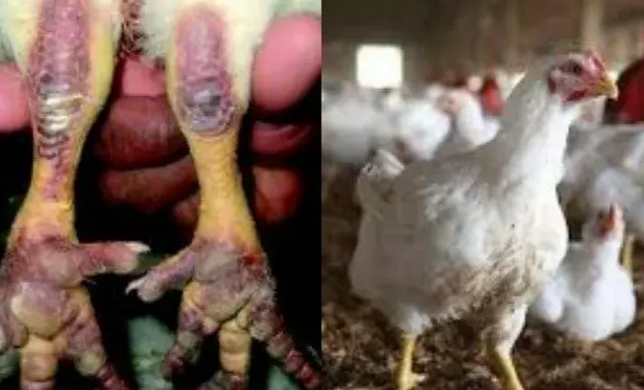
Nigeria will get a $350,000 intervention from the Food and Agriculture Organisation of the United Nations (FAO) to support its response to the ongoing outbreak of Highly Pathogenic Avian Influenza (bird flu) and strengthen the country’s animal health systems.
An agreement was reached on Wednesday during a strategic meeting between the Minister of Livestock Development, Mr Idi Mukhtar Maiha, and the FAO Representative to Nigeria and the Economic Community of West African States, Mr Hussein Gadain, in Abuja.
The intervention, approved under FAO’s Technical Cooperation Programme, will support disease containment efforts in 11 affected states and enhance surveillance, coordination and response mechanisms to prevent further spread of the disease.
Speaking during the meeting, Maiha said effective disease control remains critical to improving livestock productivity and protecting the livelihoods of farmers across the country.
He explained that factors such as drought, scarcity of feed, interaction between livestock and wildlife, as well as cross-border movement of animals have contributed to the spread of diseases in some areas.
“We must continue to strengthen our animal health systems and build the capacity required to respond effectively to disease outbreaks. Our collaboration with FAO will help protect livestock assets, improve productivity and support the broader transformation of the sector,” the minister said.
Mr Gadain commended the federal government’s commitment to the development of the livestock sector and assured that FAO would continue to provide technical support to Nigeria.
He stressed the need to strengthen veterinary services at the state and community levels, improve early detection of diseases and promote biosecurity practices among livestock farmers.
The meeting also reviewed progress on the global campaign to eradicate Peste des Petits Ruminants, a highly contagious disease that affects sheep and goats.
To advance the initiative, the ministry plans to convene a national technical meeting involving veterinary institutions, researchers and practitioners to review Nigeria’s eradication strategy and address gaps in vaccine supply.
As part of preparations, the ministry will engage the National Veterinary Research Institute to assess its vaccine production capacity while exploring other options for vaccine procurement to meet national demand.
Both parties also agreed to accelerate Nigeria’s access to financing under the Pandemic Fund through the One Health approach in collaboration with the Nigeria Centre for Disease Control and the Federal Ministry of Health to strengthen preparedness and response to zoonotic diseases.
Plans are also underway for the Director-General of FAO to participate in the Antimicrobial Resistance Conference scheduled for June 2026 in Abuja, where President Bola Tinubu is expected to be recognised as the African Champion for the eradication of Peste des Petits Ruminants.
The meeting further agreed to inaugurate a Livestock Donor Working Group to coordinate development partner support and advance key initiatives, including the development of a national feed and fodder strategy aimed at improving productivity and sustainability in the livestock sector.
-
 Feature/OPED6 years ago
Davos was Different this year
-
Travel/Tourism10 years ago
Lagos Seals Western Lodge Hotel In Ikorodu
-

 Showbiz3 years ago
Estranged Lover Releases Videos of Empress Njamah Bathing
-
 Banking8 years ago
Sort Codes of GTBank Branches in Nigeria
-

 Economy3 years ago
Subsidy Removal: CNG at N130 Per Litre Cheaper Than Petrol—IPMAN
-

 Banking3 years ago
Sort Codes of UBA Branches in Nigeria
-

 Banking3 years ago
First Bank Announces Planned Downtime
-

 Sports3 years ago
Highest Paid Nigerian Footballer – How Much Do Nigerian Footballers Earn