Connect with us

Health

How HealthPlus Founder Was Lured to Transfer 51.1% Stake to PE Investors

Published

on

Bukky George

By Dipo Olowookere

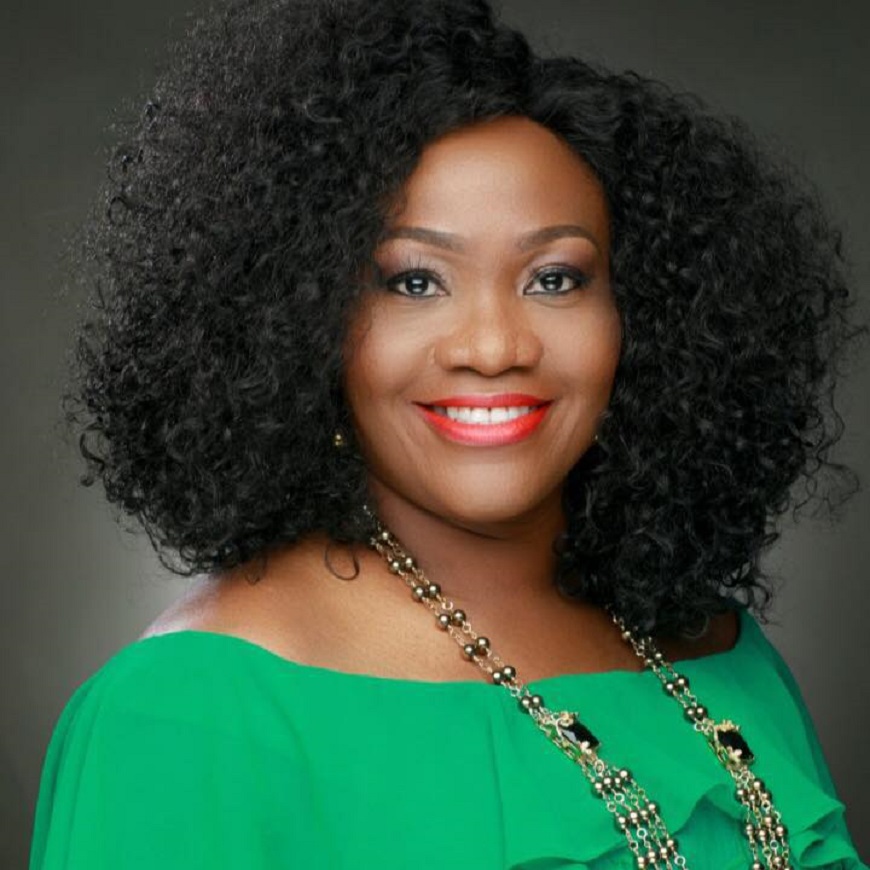
One of the issues causing uproar in the business space in Nigeria at the moment is the leadership tussle between the founder of HealthPlus Limited, Mrs Bukky George, and the private equity investors in the pharmaceutical firm, Alta Semper Capital.

The issue became a public affair after the investors announced the removal of Mrs George as the CEO of the company and appointed Mr Chidi Okoro as the Chief Transformation Officer (CTO).

The founder kicked against this in a statement, where she maintained that her position as the head of the organisation remains intact, accusing Alta Semper of attempting to take the company away from her.

On Tuesday, the legal counsel of Mrs George issued a statement, where it was stated that the founder gave a controlling stake of the company to the foreign investors.

It was observed that while Mrs George controls 48.9 per cent stake in HealthPlus, the other investors have 51.1 per cent and the reason was that they promised to invest $18 million in the firm, but according to her, only $10 million has been released since the deal between both parties was sealed in 2018.

From information gathered by Business Post, Mrs George agreed to transfer the control of the company’s major stake to the private investors because it was one of the conditions for investing in the company and an arrangement was made for them to quit after five years when they would have recouped their investment.

Read the full details below:

Over the last few days, there have been in the news and social media, stories of the removal of Mrs Bukky George as CEO of Health Plus Limited (‘HealthPlus’), the appointment of one Mr Chidi Okoro as Chief Transformation Officer, and the attempted hostile takeover of the Company by agents of Alta Semper Capital (a foreign private equity firm which invested in the Company in 2018).

It has, therefore, become necessary for the Company to issue a formal statement on the on-going dispute and set the record straight.

Apart from matters of illegality and violations of extant Nigerian legislation that trail and taint the transaction (which are being articulated in Court), the following is a summary of the actual facts.

Background

HealthPlus was founded in 1999 by Mrs Bukky George and is Nigeria’s first integrative pharmacy and the largest and fastest-growing pharmacy chain in West Africa. As of March 2018, it operated 76 retail pharmacy and beauty stores, with presence in 11 states and the FCT, employing 800 Nigerians and was already the largest private employer of pharmacists in Nigeria.

In 2018, HealthPlus partnered with Alta Semper Capital LLC UK to inject fresh capital to grow the business. Alta Semper pledged Africa-focused, healthcare-focused, flexible capital to take advantage of the opportunities in the marketplace in order to scale the business.

The investment into HealthPlus was to enable the Company to capture the pent-up demand for high-quality yet affordable medicines, healthcare products and beauty supplies, to rapidly expand the company’s footprint across Nigeria, establish a distribution centre, develop B2B channels and e-commerce. Alta Semper Capital undertook to commit USD18 million into HealthPlus whilst retaining Mrs Bukky George as CEO.

Litigation

At the time of the equity investment in 2018, Mrs Bukky George transferred 95 per cent ownership of HealthPlus to a new entity called HealthPlus Africa Holdings Limited (incorporated in Mauritius), whilst retaining 5 per cent shares in her own name. HealthPlus Africa Holdings Limited is owned by Mrs Bukky George (46.2 per cent) and Idi Holdings (53.8 per cent). Idi Holdings is Alta Semper’s investment vehicle.

In essence, Mrs Bukky George owns (directly and indirectly) 48.9 per cent of HealthPlus and is the only Nigerian registered Pharmacist shareholder and director in the company.

Alta Semper Capital provided part of the first tranche of $10 million with which the company achieved several of the initiatives in its business plan. However, it soon appeared that they (Alta Semper) were unable to come up with the balance of the equity investment.

In May 2020, after 15 months of delayed funding, breached agreements, unmet expectations, dwindling inventory, reputational damage to the company and its founder, and an attempt to ‘promote’ Mrs Bukky George to the position of Chairman; Mrs Bukky George instituted legal action at the Lagos Division of the Federal High Court [in Suit No. FHC/L/CS/609/2020] seeking reliefs aimed at stopping Alta Semper Capital and its nominees from running and managing the company in an oppressive and prejudicial manner and in disregard of her interests as a shareholder.

There is pending, in that case, a Motion on Notice for Interlocutory Injunction dated May 27, 2020 seeking to restrain the Respondents from removing her as CEO.

Upon being served with the Court process, the Alta Semper Capital nominees who are Respondents to the suit did not file any defence but appealed that the parties mediate their dispute. They, however, chose to truncate the mediation process after three meetings over a period of three months. Their intransigence frustrated Mrs Bukky George’s other nominee director and the Chairman into resigning from the Board.

The Board (which by the transaction documents MUST comprise of five members) now has just three directors and has not met for the last six months. The next time that Mrs Bukky George heard from the Alta Semper Capital nominees was when they wrote to her, on September 25, 2020, wrongfully and unlawfully stating that they had terminated her appointment as CEO – when in fact they had no authority or power to do so.

The Takeover Attempt

On Wednesday, September 23, 2020, Mr Zachary Fond and other agents of Alta Semper Capital flew into Nigeria and were allowed entry on Visa on Arrival (VoA) basis.

In what appears to be a clear violation of the conditions of their respective VoA, they have been unlawfully parading themselves as Executive Directors of HealthPlus.

They have (albeit without any authority) sought to involve themselves in the day-to-day management of HealthPlus by inviting staff to meetings, purporting to issue directives, and issuing press statements, letters and mails on forged Company stationery to suppliers, bankers, security operators and regulators.

On Friday, September 25, 2020, Ms Afsane Jetha and Mr Zachary Fond in complete disregard of the pending Motion on Notice co-signed a letter on forged company stationery purporting to terminate Mrs Bukky George as CEO of the company.

The settled position of the law in Nigeria is that any attempt to remove Mrs Bukky George as CEO whilst the application for an interlocutory injunction is still pending amounts to flagrant disregard of, and an affront on the authority of the Court.

The Legal Position

Mrs Bukky George remains the Founder & CEO of the company and continues to run the company with the support of staff, suppliers, customers, landlords, banks and service providers – who have related with her over 20 years, who believe in her and her vision, and have helped her build the company to the enviable brand it has become. The purported termination of her appointment as CEO cannot stand in law.

This Notice serves as a caveat to the general public, the Pharmacists Council of Nigeria, Pharmacy Associations, our staff, loyal customers, vendors, landlords, bankers and all stakeholders to disregard all communication from Alta Semper Capital and or its nominees and agents. They do not have any authority to issue directives on behalf of or bind Health Plus Limited. The dispute is sub-judice.


Dipo Olowookere is a journalist based in Nigeria that has passion for reporting business news stories. At his leisure time, he watches football and supports 3SC of Ibadan. Mr Olowookere can be reached via [email protected]

Click to comment

Leave a Reply

Your email address will not be published. Required fields are marked *

Health

Court Okays FCCPC to Regulate Consumer Protection in Healthcare

Published

on

Go to court

By Adedapo Adesanya

The Abuja division of the Federal High Court has delivered a landmark ruling reinforcing consumer protection in Nigeria’s healthcare sector, affirming the authority of the Federal Competition and Consumer Protection Commission (FCCPC) to investigate complaints related to medical services, including alleged negligence.

Justice Emeka Nwite, who presided over the matter, delivered the judgment on April 15 in a suit filed by Life Bridge Medical Diagnostic Centre Ltd.

The company had challenged the FCCPC’s jurisdiction, arguing that the commission could not probe medical negligence cases without first establishing a formal arrangement with the Medical and Dental Council of Nigeria (MDCN).

However, the court dismissed the claims, holding that healthcare providers operating as commercial entities fall squarely under the provisions of the Federal Competition and Consumer Protection Act (FCCPA).

Justice Nwite ruled that services rendered for value, including medical diagnostics, are subject to consumer protection oversight.

In the decisive clarification, the court drew a line between professional regulation and consumer protection. It said that while disciplinary control of medical practitioners remains the responsibility of professional bodies such as the MDCN, the FCCPC retains authority over issues of service quality, fairness, and consumer satisfaction.

The court further held that Section 105 of the FCCPA, which encourages regulatory coordination, does not limit or delay the FCCPC’s statutory powers.

According to the ruling, the absence of a formal agreement with sector regulators does not invalidate the Commission’s authority to act.

Justice Nwite also addressed concerns around patient confidentiality, ruling that ethical obligations do not override lawful investigations carried out in the public interest and in compliance with due process.

Reacting to the judgment, FCCPC executive vice chairman, Tunji Bello, described the decision as a major step toward strengthening consumer rights across all service sectors.

He emphasised that the ruling underscores the principle that consumer protection and professional regulation can coexist without conflict.

Continue Reading

Health

Resident Doctors Suspend Proposed Indefinite Strike

Published

on

Resident Doctors

By Adedapo Adesanya

The Nigerian Association of Resident Doctors (NARD) has suspended its planned indefinite strike following the federal government’s reversal of the implementation of the reviewed Professional Allowance Table (PAT) and renewed assurances on outstanding payments.

The decision was announced in a communiqué issued at the end of an emergency National Executive Council (NEC) meeting held virtually on Saturday.

NARD had earlier resolved to embark on a total and indefinite strike over the government’s suspension of the reviewed allowance structure and other unresolved welfare concerns affecting resident doctors nationwide.

However, the association said it reconsidered its position after reviewing the outcomes of high-level engagements with key government officials and health-sector stakeholders.

According to the communiqué signed by NARD President, Dr Mohammad Usman Suleiman; Secretary-General, Dr Shuaibu Ibrahim; and Publicity and Social Secretary, Dr Abdulmajid Yahya Ibrahim, the Federal Government has now reversed its earlier decision on the allowance table.

“The NEC observed that the earlier decision to halt the implementation of the reviewed Professional Allowance Table (PAT) has been reversed, with implementation expected to reflect in the April salary and beyond,” the statement read.

The association also noted the government’s renewed commitment to settling outstanding promotion and salary arrears owed to resident doctors in affected institutions.

In addition, NARD said initial approval had been secured for the 2026 Medical Residency Training Fund (MRTF), with assurances that the disbursement process would be concluded.

“The NEC observed that the Budget Office has indicated its readiness to commence the process for the payment of the outstanding nineteen months’ arrears of the Professional Allowance,” the communiqué added.

Despite the progress, the doctors expressed concern about the continued delay in paying house officers’ salaries and called for urgent action to address the issue.

Following its deliberations, the NEC demanded the sustained implementation of the reviewed allowance structure, the prompt payment of all outstanding arrears, and the expedited disbursement of the residency training fund.

It also called for the immediate commencement of the process to clear the 19-month arrears and the convening of an urgent stakeholders’ meeting to resolve delays affecting house officers’ salaries.

“In light of the above developments, the NEC resolves to suspend the proposed total, indefinite, and comprehensive strike action, with a review of progress to be undertaken at the May Ordinary General Meeting (OGM) in Kano,” the statement said.

NARD expressed appreciation to President Bola Tinubu, Vice President Kashim Shettima, and several ministers, government agencies, and stakeholders for their interventions in resolving the dispute.

Continue Reading

Health

Over 1.5 million Nigerian Children Living With Sickle Cell Disease—Report

Published

on

sickle cell disease

By Modupe Gbadeyanka

More than 1.5 million children under the age of 15 are living with sickle cell disease in Nigeria, a new international study published in The Lancet Child & Adolescent Health, one of the world’s leading medical journals, has revealed.

In the report made available to Business Post, it was disclosed that Nigeria carries the highest burden of disease globally, far exceeding other high-burden countries such as the Democratic Republic of the Congo and Ethiopia.

The findings highlight both the scale of the challenge in Nigeria and the opportunity for the country to lead Africa in tackling one of the most preventable causes of childhood illness and death.

The study shows that nearly nine million children across sub-Saharan Africa are living with sickle cell disease in 2023, including around 1.17 million infants and 2.75 million children under five, who face the highest risk of early death without treatment.

Sickle cell disease is an inherited blood disorder present at birth. With early diagnosis and access to simple, low-cost interventions such as newborn screening, penicillin prophylaxis, routine vaccinations, malaria prevention, and hydroxyurea, most complications and deaths can be prevented.

However, in Nigeria, access to these essential services remains limited. Many children are only diagnosed after severe and avoidable complications, while others are never diagnosed at all, contributing to high levels of preventable illness and early childhood deaths.

The researchers emphasise that strengthening Nigeria’s health system response will be critical. This includes expanding newborn screening programmes, improving access to essential medicines, and integrating sickle cell care into primary healthcare services.

They called for urgent and coordinated action across government, health institutions, and development partners, including expanding newborn screening programmes, improving access to essential medicines and vaccines, and embedding sickle cell care within primary healthcare services.

The researchers, led by Professor Davies Adeloye, Professor of Public Health at Teesside University, United Kingdom, and Director of the International Society of Global Health (ISoGH), also called for increased domestic investment, supported by international partnerships, as well as stronger data systems to improve surveillance and guide policy decisions.

They concluded that even modest improvements in early-life screening and treatment in high-burden countries like Nigeria could transform child survival and significantly reduce preventable deaths.

“Nigeria now stands at the centre of the global sickle cell crisis. With over 1.5 million children affected, the scale is enormous, but so is the opportunity to act. We already know what works. Newborn screening and early treatment are effective, affordable, and can be delivered through existing health systems.

“If Nigeria prioritises sickle cell disease within its national health agenda and integrates care into routine maternal and child health services, we could save hundreds of thousands of young lives and significantly reduce avoidable deaths.” Professor Adeloye noted.

It was learned that the study analysed data from 40 studies across 22 African countries to produce the most comprehensive country-level estimates of childhood sickle cell disease to date.

Continue Reading

Trending