
Jobs/Appointments
Heineken to Sack 8,000 Staff Amid Declining Sales

By Ahmed Rahma
The Dutch brewing giant, Heineken, has declared that it would reduce its workforce worldwide by 8,000 as sales dropped due to the global pandemic caused b COVID-19.
The world’s number two brewer after Belgian-Brazilian AB InBev made the declaration to slash nearly 10 per cent of it workforce on Wednesday.
Heineken had announced in October that restructuring was needed to reduce personnel costs but gave no figure for layoffs at the time.
In a statement on Wednesday, the company said, “The overall restructuring programme will reduce our employee base by (about) 8,000 people. This includes cutting jobs at the head office in Amsterdam while other layoffs would depend on local circumstances.
“Heineken’s reshaping plan includes a focus on its iconic green-bottled namesake brand, plus fewer, bigger bets in local premium brands,” the statement further said.
Heineken reported a net loss of €204 million ($247 million) for 2020, compared with a net profit of €2.1 billion a year earlier, while sales fell 17 per cent to €23 billion as COVID-19 restrictions keep bars and restaurants closed in some countries where the firm operates.
The company’s CEO, Mr Dolf van den Brink, who took charge last April, said it had been a year of unprecedented disruption and transition for the company.
The Dutchman said the layoffs were part of efforts to reshape Heineken, whose brands include Strongbow and Amstel, targeting €2 billion of savings by 2023.
“The COVID-19 pandemic and governments’ measures continue to have a material impact on our markets and business,” he stated.
The brewer’s beer sales fell 8.1 percent for the year, although its core Heineken brand only dropped 0.4 percent, significantly outperforming the total market. The brand grew double-digits in 25 markets including Brazil, China and Britain.
However, The zero-alcohol Heineken 0.0 was a rare bright spot, with single-digit growth globally.
But other brands had a mixed performance with growth for Desperados tequila-flavoured beer and a slight rise for Birra Moretti, but Amstel and Sol sales were down.
According to the CEO, Like the rest of the drinks industry, Heineken suffered from the widespread closure of drinking holes around the world.
“The impact of the pandemic on our business was amplified by our on-trade (bars, cafes and restaurants) and geographic exposure,” said Mr van den Brink.
Less than 30 per cent of outlets were operating in Europe, in particular at the end of January, he added.
The brewer, founded in the 19th century in Amsterdam, now sells more than 300 brands worldwide and employs around 85,000 people globally.



By Adedapo Adesanya
Mouka Limited has announced a significant leadership transition, with the appointment of Mr Oladimeji Osingunwa as its new managing director, effective March 17, 2026.
This follows the resignation of Mr Femi Fapohunda, whose exit became effective on March 16, 2026, after a period of mutual agreement with the board of the mattress maker.
The board expressed deep appreciation for Mr Fapohunda’s impactful leadership and unwavering commitment to the organisation.
During his tenure, Mouka successfully navigated one of the most challenging economic periods in Nigeria’s recent history, demonstrating resilience, operational excellence, and sustained growth.
Under his guidance, the company strengthened its market leadership, expanded its market share, and reinforced its reputation as a trusted household brand.
“Femi’s steady and strategic leadership ensured that Mouka not only weathered economic headwinds but emerged stronger and more competitive,” the board noted, thanking “him for his invaluable contributions and wish him continued success in his future endeavours.”
Mr Osingunwa, a seasoned commercial leader and a respected figure within Nigeria’s manufacturing and FMCG landscape, has since stepped into the role for the next phase of the mattress maker.
He joined Mouka in 2016 as Chief Commercial Officer, where Mr Osingunwa has played a pivotal role in shaping the company’s growth trajectory and strengthening its market dominance.
Mr Osingunwa brings to his new role a wealth of experience spanning leading multinational organisations, including Cadbury Nigeria Plc (now Mondelez), SC Johnson, and Twinning Ovaltine.
His expertise cuts across commercial strategy, route-to-market development, brand building, and sales leadership, consistently delivering strong business performance and sustainable growth.
Mouka Limited traces its origins to 1959, when the Faiz Moukarim family established the Moukarim Metalwood factory in Kano, focusing on the production of furniture and iron beds. As part of a broader strategy to achieve backward integration and supply raw materials to the furniture and bedding industry, Mouka Limited was later founded in Lagos in 1972, specialising in the manufacture of flexible foam products.
By Adedapo Adesanya
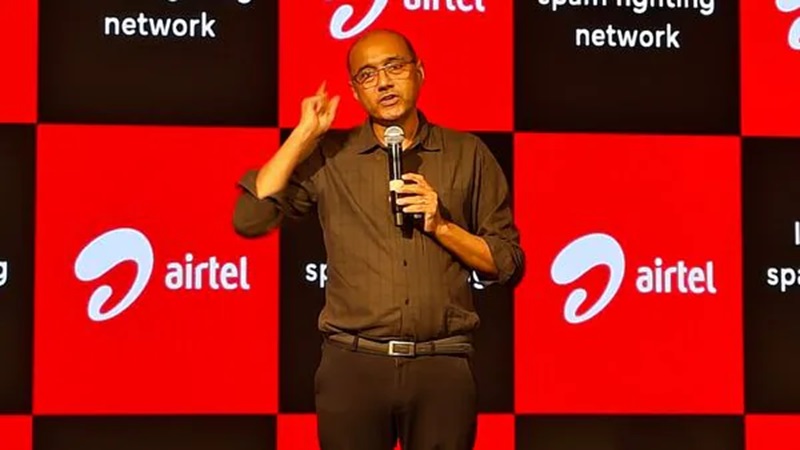
Telecoms giant, Airtel Africa Plc, has said Mr Gopal Vittal would replace its chairman, Mr Sunil Bharti Mittal, who will step down after the company’s annual general meeting in July.
This development is part of the company’s succession plans, the telco said on Wednesday.
Airtel Africa is the continent’s subsidiary of India’s second-largest carrier, Bharti Airtel, where it operates in 14 countries on the continent, including Nigeria, its biggest market.
Mr Sunil Mittal has been the chairman of Airtel Africa since its listing on the London Stock Exchange (LSE) in 2019. The telco entered the African market by acquiring Zain Telecom in June 2010.
Mr Vittal, who is an executive vice-chairman of Bharti Airtel and a non-executive director of Airtel Africa, will become non-executive chairman of the subsidiary. Sunil Mittal’s son, Mr Shravin Bharti Mittal, will take on the role of deputy chairman.
“As deputy chair, [Shravin] Mittal will ensure continuity with the founding family and significant shareholder, and will be the board’s conduit with the Airtel Money Board, on which he serves, and with Airtel Africa’s headquarters in Dubai, where he is based,” said Airtel Africa in a statement to the exchanges.
Mr Vittal’s appointment is by nomination of the controlling shareholder pursuant to the terms of the relationship agreement dated June 17, 2019, between the company, Bharti Airtel, Airtel Africa Mauritius Limited, the majority shareholder and an indirect subsidiary of Bharti Airtel, and Bharti Telecom.
Airtel Africa hailed Mr Vittal as “an established telecoms leader who led Bharti Airtel to a lifetime high revenue market share in an intensely competitive market”.
The outgoing chairman noted that Ms Annika Poutiainen is stepping down as a non-executive director, and thanked her for her time at the company as “a strong advocate of high standards of governance and financial reporting.”
“At the same time, I want to extend my thanks to the board of Airtel Africa for their support to me as chairman,” Mr Mittal said.
“Airtel Africa has a solid strategy and an outstanding leadership team in place, the strength of which is evident in recent results, so I am confident that now is the time for me to step aside as chair. It has been an honour to lead Airtel Africa in this capacity, and I know the company will continue to prosper… I have offered my services and will be available to support the company as requested by the chair,” he said.
By Adedapo Adesanya
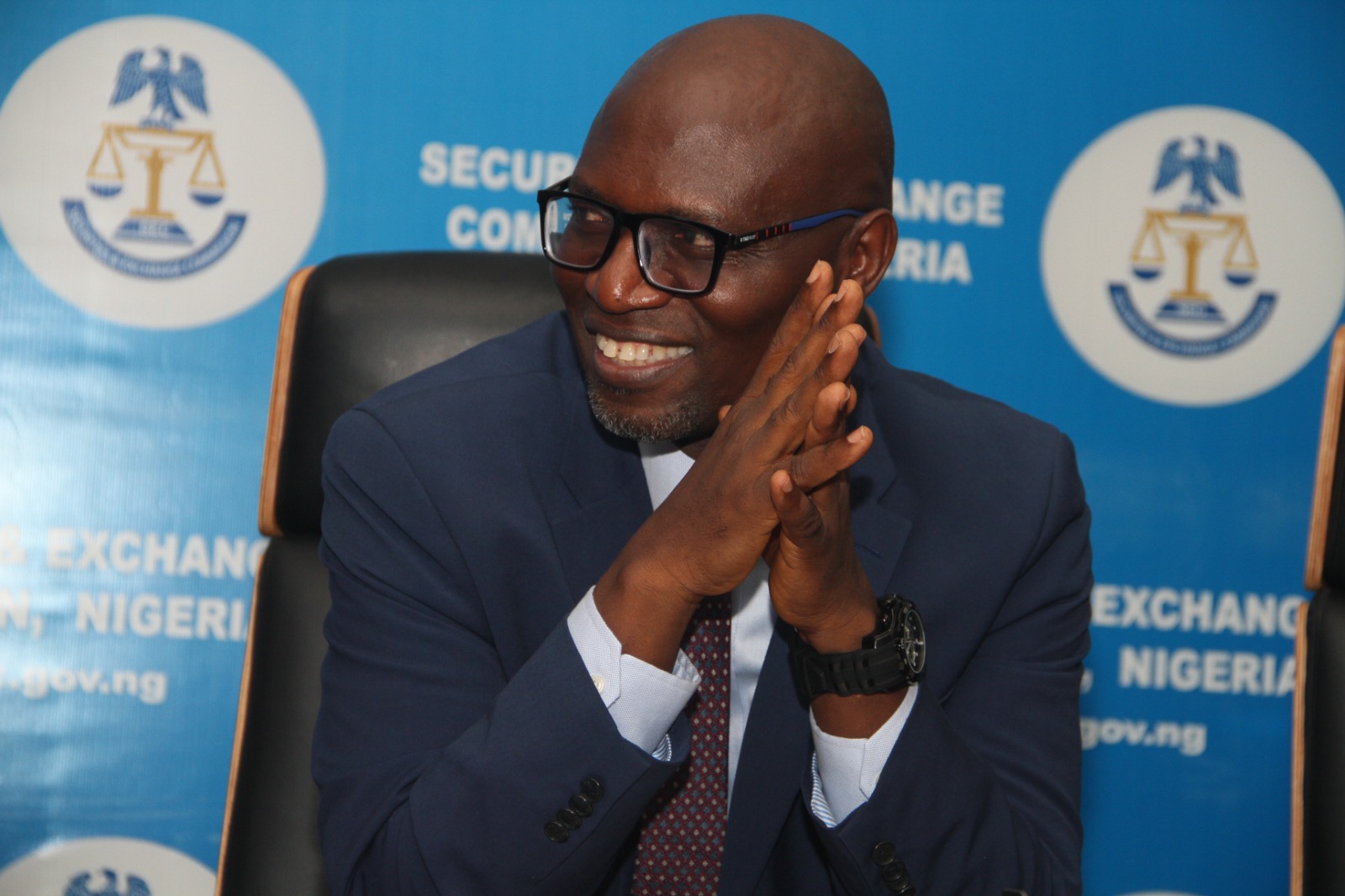
The Director General of the Securities and Exchange Commission (SEC) of Nigeria, Mr Emomotimi Agama, has been re-elected as the Vice Chair of the Africa/Middle-East Regional Committee (AMERC) of the International Organisation of Securities Commissions (IOSCO) for a second term spanning 2026–2028.
IOSCO was established in 1983 to serve as the global standard-setter for the securities industry and is recognised as the leading international policy forum for securities regulators.
Its members regulate more than 95 per cent of the world’s securities markets across over 100 jurisdictions.
This appointment, confirmed by IOSCO, reflects the growing recognition of Nigeria’s capital market and its strategic importance within the Africa and Middle East region.
According to a statement, the re-election of its DG reflects the confidence of peer regulators in Nigeria’s leadership, regulatory progress, and continued commitment to strengthening capital market systems.
The re-election also presents a significant opportunity for SEC Nigeria to deepen its engagement at the highest level of global securities regulation.
As AMERC Vice Chair, Nigeria will maintain a seat on the IOSCO Board, the organisation’s highest policy-making body, where critical decisions shaping global capital market standards, regulatory frameworks, and cross-border cooperation are made.
This position ensures the country’s perspectives, experiences, and priorities are represented in key discussions that influence the direction of international financial markets.
According to Mr Agama, “Beyond representation, this development enhances Nigeria’s ability to contribute meaningfully to global regulatory dialogue, particularly in areas such as enforcement cooperation, market integrity, and investor protection.”
It creates a stronger platform for collaboration with other jurisdictions on cross-border regulatory issues, including tackling illicit financial flows and strengthening supervisory frameworks.
The role further supports ongoing efforts to align Nigeria’s capital market with international best practices, fostering greater investor confidence and facilitating increased participation in global financial markets.
“Ultimately, this milestone reinforces Nigeria’s position as a leading voice in regional and global capital market development. It is expected to contribute to building a more resilient, transparent, and robust capital market ecosystem, not only within Nigeria but across the broader Africa and Middle East region. SEC Nigeria remains committed to leveraging this opportunity to advance regulatory excellence, deepen market integration, and support sustainable economic growth.”





-
 Feature/OPED6 years ago
Davos was Different this year
-
Travel/Tourism10 years ago
Lagos Seals Western Lodge Hotel In Ikorodu
-

 Showbiz3 years ago
Estranged Lover Releases Videos of Empress Njamah Bathing
-
 Banking8 years ago
Sort Codes of GTBank Branches in Nigeria
-

 Economy3 years ago
Subsidy Removal: CNG at N130 Per Litre Cheaper Than Petrol—IPMAN
-

 Banking3 years ago
Sort Codes of UBA Branches in Nigeria
-

 Banking3 years ago
First Bank Announces Planned Downtime
-

 Sports3 years ago
Highest Paid Nigerian Footballer – How Much Do Nigerian Footballers Earn