
Media OutReach
Asia’s digital future: Economist Impact’s 5th annual Technology for Change Asia to showcase innovation for business and society with keynote address by the Honourable Paul Chan Mo-po, GBM, GBS, MH, JP, Financial Secretary of the Government of the Hong Kong Special Administrative Region

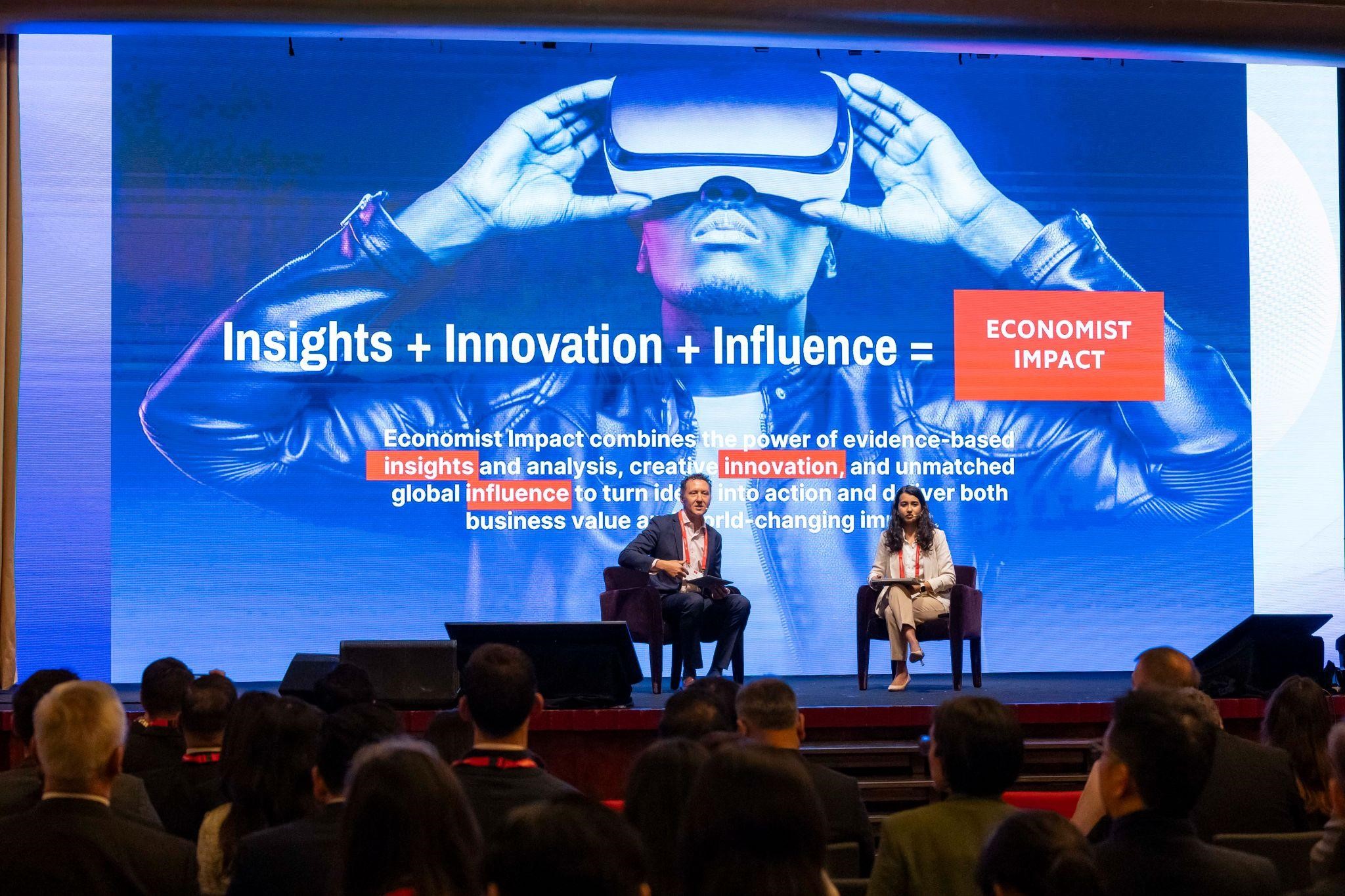
Key themes include:
- Future of work in the AI era: analyse AI’s impact on job markets, skills development, and the evolving relationship between humans and machines
- The quantum revolution: investigate how quantum computing can reshape sectors such as cybersecurity, healthcare, and finance
- Sustainable tech solutions: discuss innovative green technologies to combat climate change and promote sustainable development
- Human-centered innovation: ensure technology adoption prioritise human needs and societal well-being
- Greater Bay Area transformation: explore the GBA’s pivotal role in driving innovation and economic growth in Asia
- China’s digital roadmap: gain insight from Chinese tech leaders on innovations shaping the global tech landscape.
- Smart and green mobility: examine electric vehicles, smart city initiatives, and government policies driving sustainable transport.
- Ethical AI: address critical issues in data privacy, cybersecurity, and public trust in generative AI.
70 speakers confirmed including distinguished figures such as:
- The Honourable Paul Chan Mo-po, GBM, GBS, MH, JP, Financial Secretary of the Government of the Hong Kong Special Administrative Region
- Professor Brian Cox, renowned physicist, author, and television presenter
- Yan Xie, chief technology officer, Li Auto
- Daryl Pereira, director and head of ‘Office of the CISO’ Asia-Pacific, Google
- Milind Gaharwar, principal AI scientist, Mercedes-Benz Group
- Allan Zeman, Chairman, Lan Kwai Fong Group
- Chris Bezuidenhout, chief information officer, global emerging markets, Deutsche Bank
- Paulo de Guzman, chief technology officer, Sephora
- Puneet Gambir, head of risk and GrabDefence business, Grab
- Clair Deevy, global director of social impact, WhatsApp
- Irwan Yulianto, general manager and head of Asia-Pacific enterprise infrastructure, cybersecurity and smart innovation, Panasonic
- Nancy Wang, country manager and senior director of talent solutions, LinkedIn China
- Prerit Mishra, head of analytics, Asia-Pacific, DHL
- Ayumi Nakajima, senior director and head of Asia-Pacific, content, Pinterest
- David Liu, chief customer experience officer, Klook
- Laura Houldsworth, vice-president and managing director, Asia-Pacific, Booking.com
“We are at a pivotal moment. New technologies such as quantum computing, nuclear fusion and AI promise to revolutionise our societies, and Asia stands centre stage,” says Professor Brian Cox. “But the development and deployment of these technologies requires focused funding, R&D and regulation. We must not forget they emerged from curiosity-driven science. I believe it is vital that we maintain the science base – the wellspring of new knowledge – alongside the development of new technologies based on discoveries of the past. I look forward to engaging with leaders and experts and contributing to this debate.”
“From quantum computing to ethical AI, Technology for Change Asia 2025 tackles the innovations defining our future,” says Charles Ross, principal, technology and society, Asia-Pacific at Economist Impact. “The conversations we’ll have are not just about technology but about shaping a more resilient and equitable world. I’m looking forward to engaging with the leaders making it happen.”
The 5th annual Technology for Change Asia is sponsored by the Kellogg-HKUST Executive MBA Program, Hong Kong Science & Technology Parks Corporation, Tata Communications, IBM, AIA and McKinsey Global Institute. The event is supported by Brand Hong Kong, The Hong Kong Tourism Board, AI Club Asia, Asia MarTech Society, and the British Consulate-General Hong Kong. The official travel partner is Cathay Pacific.
Register here: https://bit.ly/EconTechforChange
Hashtag: #EconomistImpact #technology
The issuer is solely responsible for the content of this announcement.
About Economist Impact
Economist Impact empowers businesses, governments and foundations to catalyse change and enable progress. Uniting the expertise The Economist Group is known for under a single brand, Economist Impact brings together policy research and insights, data visualisation, custom storytelling, events and media. Economist Impact combines the rigour of a think tank with the creativity of a media brand, engaging an influential audience in the areas of sustainability, healthcare and new globalisation. Visit  www.economistimpact.com for more information.



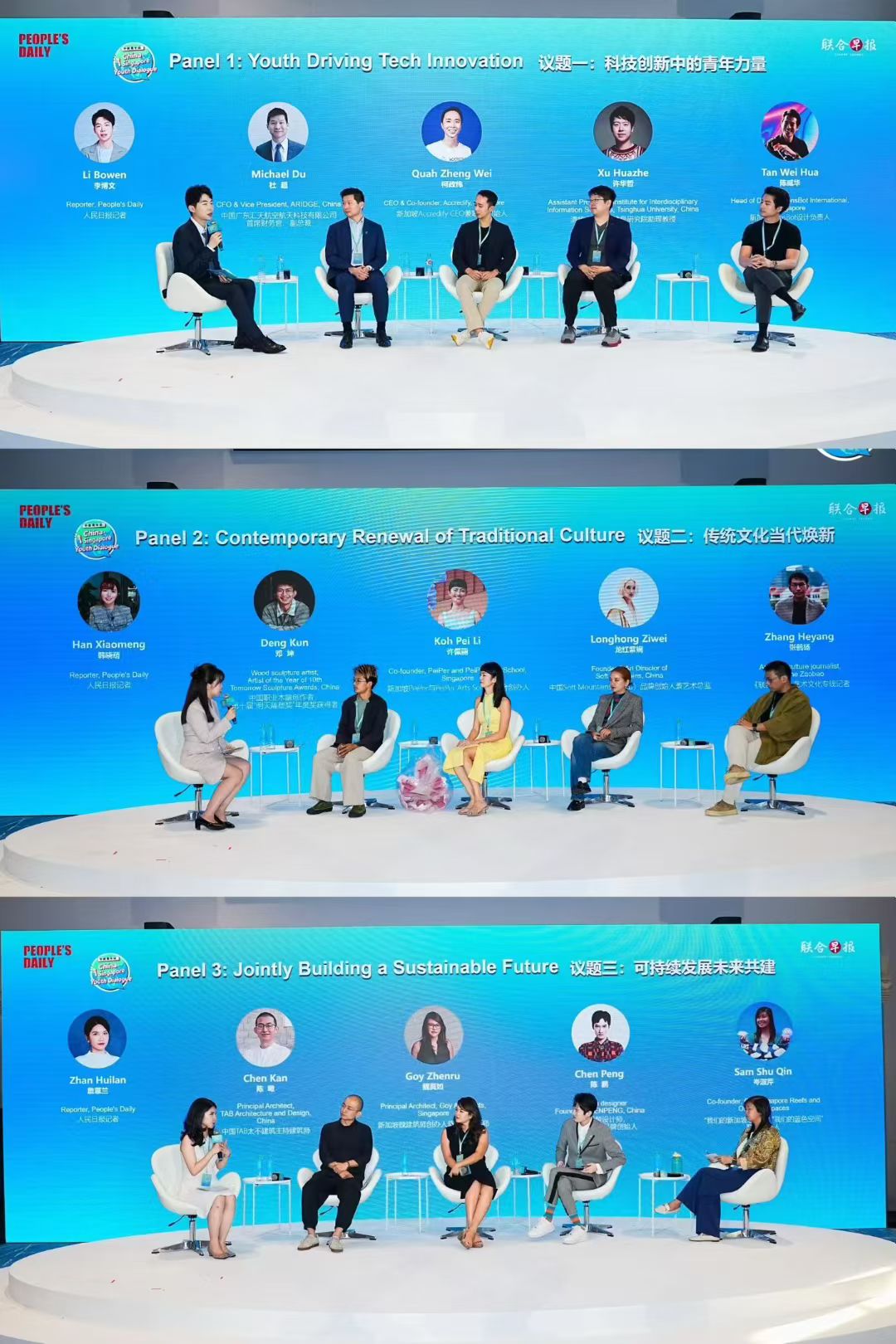
Co-organized by the People’s Daily and Lianhe Zaobao, the two-day event featured 12 young representatives who explored how their generation is shaping the future through innovation, cultural renewal and cross-border collaboration.
In the first panel, “Youth Driving Tech Innovation,” participants working in robotics, flying cars and data verification discussed both the opportunities and challenges of the AI era.
Tan Wei Hua, head of design at Singapore-based LionsBot International, addressed concerns over “AI anxiety” and its impact on jobs. “New jobs are going to be created. The next generation will be doing something entirely different,” he said, pointing to robotics as a growing field of opportunity.
Quah Zheng Wei, CEO and co-founder of Accredify, encouraged aspiring entrepreneurs to take the first step. With the tech industry evolving rapidly, he stressed that “nothing is holding you back.”
From an industry perspective, Michael Du, CFO and vice president of ARIDGE, said emerging technologies are expanding possibilities in everyday life. Meanwhile, Xu Huazhe, assistant professor at the Institute for Interdisciplinary Information Sciences at Tsinghua University, highlighted the strengths of younger generations: “With the correct taste, they will build the most meaningful things.”
The second panel, “Contemporary Renewal of Traditional Culture,” shifted focus from innovation to heritage. Artists and cultural practitioners in wood sculpture, paper art, jewelry design and journalism explored how tradition can be revitalized in modern contexts.

Wood sculpture artist Deng Kun emphasized the importance of cultivating an eye for beauty, while Lianhe Zaobao arts and culture journalist Zhang Heyang described traditional culture as “a place of spiritual haven for today’s youth.”
Designer Longhong Ziwei, founder and art director of the accessory brand Soft Mountains, said engaging with Yi heritage has inspired her work and resonated with international audiences.
Singaporean paper and mixed media artist Koh Pei Li, drawing inspiration from everyday urban life, highlighted the value of noticing overlooked details. Through her work, she hopes to reconnect people with the subtle beauty around them.
In the final panel, “Jointly Building a Sustainable Future,” speakers from architecture, fashion, and marine conservation offered interdisciplinary perspectives on sustainability.
Chen Kan, principal architect of TAB Architecture and Design, spoke about the philosophy of “being-with” as a guiding principle. “We need a deeper capacity to coexist with others,” he said.
Goy Zhenru, principal architect of Goy Architects in Singapore, emphasized designing in harmony with nature. She highlighted the importance of connecting living spaces with natural elements such as breeze and sunlight to create comfort and environmental awareness.
Sam Shu Qin, co-founder of Our Singapore Reefs and Our Blue Spaces, who describes herself as “a gardener underwater,” expressed hope that younger generations will recognize their ability to give back to the ocean.
For fashion designer Chen Peng, founder of brand CHENPENG, sustainability is both cultural and practical. “It should be culture-based and do no harm to the earth. It’s not a choice, but a natural extension of philosophy,” he said.
The dialogue marked a step forward in media cooperation and people-to-people exchanges between China and Singapore. By amplifying youth perspectives, it showcased the innovative energy and collaborative potential of both countries, while helping to build a long-term platform for bilateral engagement and shared progress.
The issuer is solely responsible for the content of this announcement.

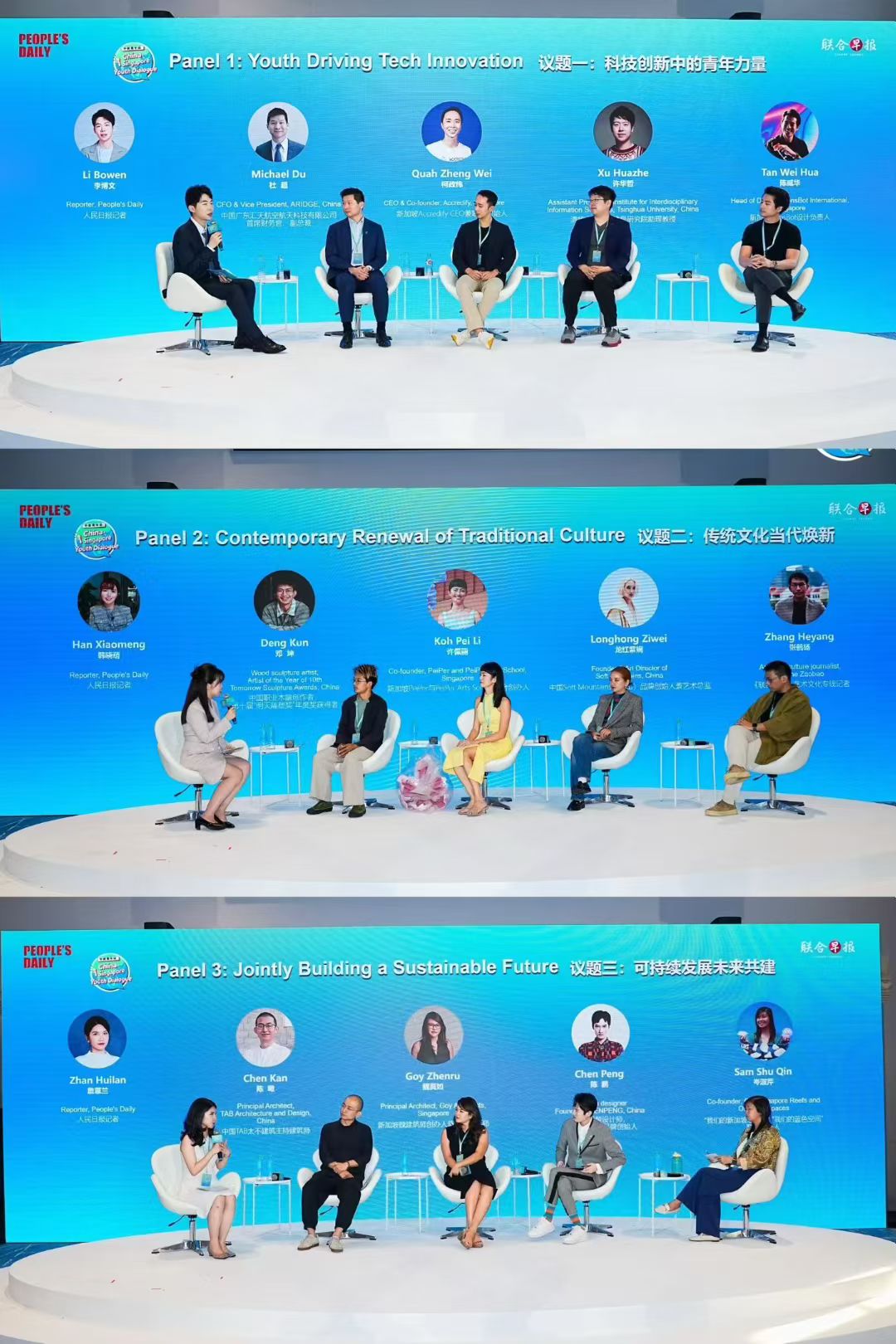
Co-organized by the People’s Daily and Lianhe Zaobao, the two-day event featured 12 young representatives who explored how their generation is shaping the future through innovation, cultural renewal and cross-border collaboration.
In the first panel, “Youth Driving Tech Innovation,” participants working in robotics, flying cars and data verification discussed both the opportunities and challenges of the AI era.
Tan Wei Hua, head of design at Singapore-based LionsBot International, addressed concerns over “AI anxiety” and its impact on jobs. “New jobs are going to be created. The next generation will be doing something entirely different,” he said, pointing to robotics as a growing field of opportunity.
Quah Zheng Wei, CEO and co-founder of Accredify, encouraged aspiring entrepreneurs to take the first step. With the tech industry evolving rapidly, he stressed that “nothing is holding you back.”
From an industry perspective, Michael Du, CFO and vice president of ARIDGE, said emerging technologies are expanding possibilities in everyday life. Meanwhile, Xu Huazhe, assistant professor at the Institute for Interdisciplinary Information Sciences at Tsinghua University, highlighted the strengths of younger generations: “With the correct taste, they will build the most meaningful things.”
The second panel, “Contemporary Renewal of Traditional Culture,” shifted focus from innovation to heritage. Artists and cultural practitioners in wood sculpture, paper art, jewelry design and journalism explored how tradition can be revitalized in modern contexts.

Wood sculpture artist Deng Kun emphasized the importance of cultivating an eye for beauty, while Lianhe Zaobao arts and culture journalist Zhang Heyang described traditional culture as “a place of spiritual haven for today’s youth.”
Designer Longhong Ziwei, founder and art director of the accessory brand Soft Mountains, said engaging with Yi heritage has inspired her work and resonated with international audiences.
Singaporean paper and mixed media artist Koh Pei Li, drawing inspiration from everyday urban life, highlighted the value of noticing overlooked details. Through her work, she hopes to reconnect people with the subtle beauty around them.
In the final panel, “Jointly Building a Sustainable Future,” speakers from architecture, fashion, and marine conservation offered interdisciplinary perspectives on sustainability.
Chen Kan, principal architect of TAB Architecture and Design, spoke about the philosophy of “being-with” as a guiding principle. “We need a deeper capacity to coexist with others,” he said.
Goy Zhenru, principal architect of Goy Architects in Singapore, emphasized designing in harmony with nature. She highlighted the importance of connecting living spaces with natural elements such as breeze and sunlight to create comfort and environmental awareness.
Sam Shu Qin, co-founder of Our Singapore Reefs and Our Blue Spaces, who describes herself as “a gardener underwater,” expressed hope that younger generations will recognize their ability to give back to the ocean.
For fashion designer Chen Peng, founder of brand CHENPENG, sustainability is both cultural and practical. “It should be culture-based and do no harm to the earth. It’s not a choice, but a natural extension of philosophy,” he said.
The dialogue marked a step forward in media cooperation and people-to-people exchanges between China and Singapore. By amplifying youth perspectives, it showcased the innovative energy and collaborative potential of both countries, while helping to build a long-term platform for bilateral engagement and shared progress.
The issuer is solely responsible for the content of this announcement.
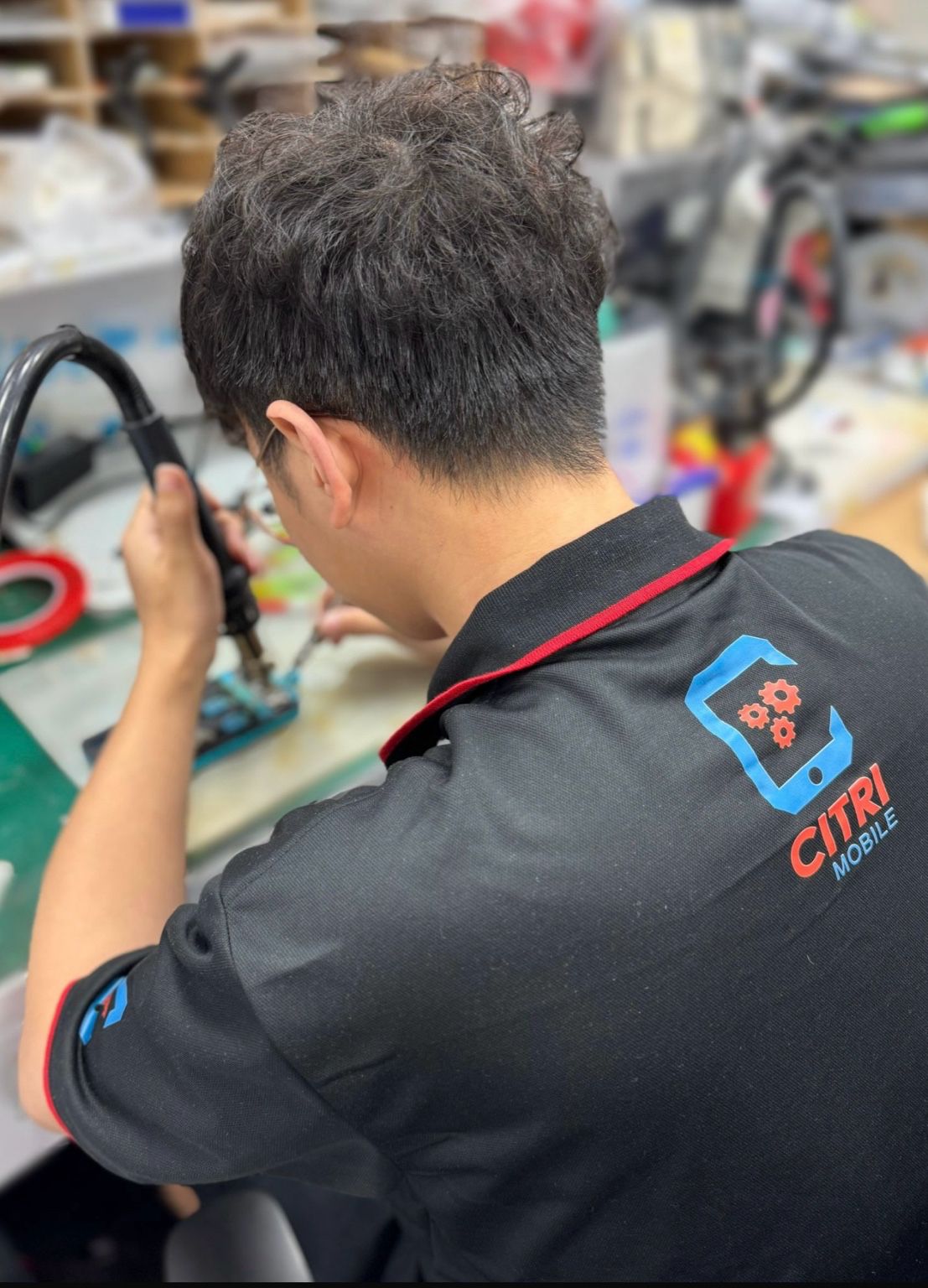
Expansion strengthens access to fast, reliable device repair services across Jurong, Yishun, Tampines and Chinatown as demand for urgent technical support rises
What often begins as a minor inconvenience can quickly escalate. A phone may take longer to charge, a screen may flicker briefly before stabilising, or a laptop may run hotter than usual during routine use. These early signs are often ignored until the device stops functioning at a critical moment.
Hashtag: #CitriMobile #SingaporeRepair #Jurong #Yishun
 https://citrimobile.com/
 https://x.com/CitriMobile
 https://www.facebook.com/CitriSG/
 https://www.instagram.com/citrimobilesghttps://www.carousell.sg/u/citrimobilesg/
The issuer is solely responsible for the content of this announcement.
C3 Smart Repair By Citri Mobile












-
 Feature/OPED6 years ago
Davos was Different this year
-
Travel/Tourism10 years ago
Lagos Seals Western Lodge Hotel In Ikorodu
-

 Showbiz3 years ago
Estranged Lover Releases Videos of Empress Njamah Bathing
-
 Banking8 years ago
Sort Codes of GTBank Branches in Nigeria
-

 Economy3 years ago
Subsidy Removal: CNG at N130 Per Litre Cheaper Than Petrol—IPMAN
-

 Banking3 years ago
Sort Codes of UBA Branches in Nigeria
-

 Banking3 years ago
First Bank Announces Planned Downtime
-

 Sports3 years ago
Highest Paid Nigerian Footballer – How Much Do Nigerian Footballers Earn