Showbiz
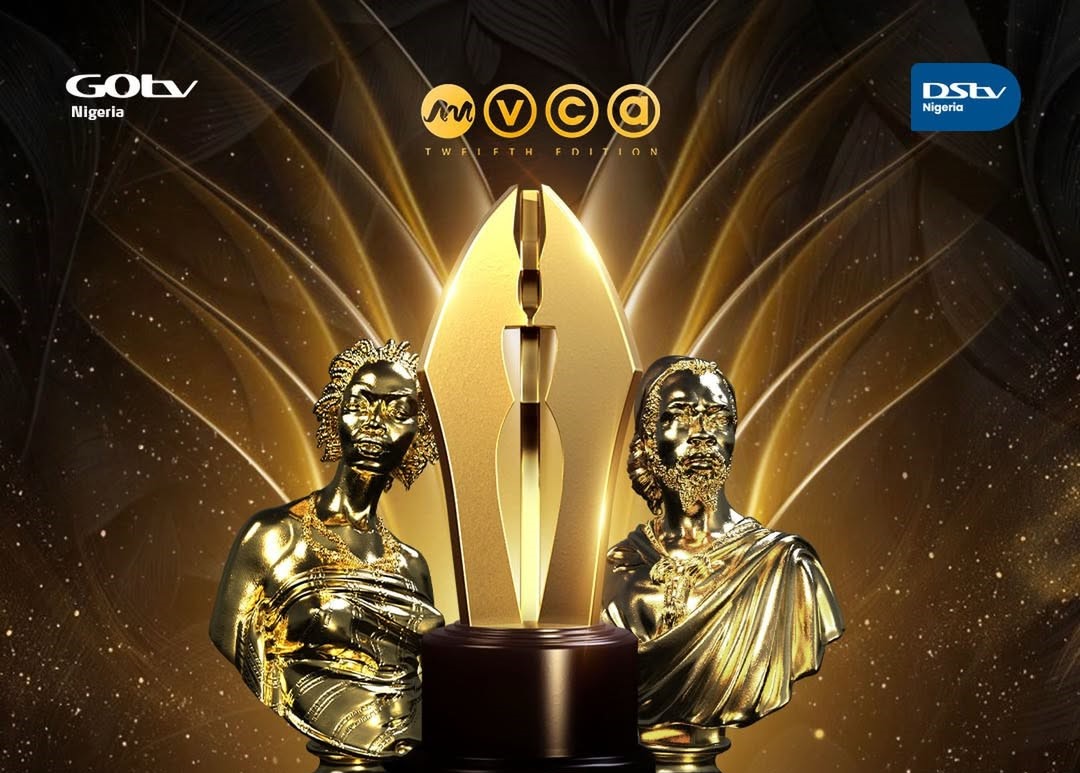
AMVCA 12 Nominee List is a Wake-Up Call for the Film Industry
The nominee announcement on Sunday has officially kicked off the countdown to the 12th AMVCAs, and as expected, the conversation is split between celebration and the inevitable debate over who didn’t make the cut. While previous years were often dominated by a few blockbusters with double-digit nominations, the 2026 field is defined by how spread out the talent is. With Gingerrr and The Herd leading with nine nominations each, and To Kill A Monkey following with eight, the race to May 9th is wide open. This year’s list shows a clear shift in how African cinema is being viewed. While the AMVCAs have always stood for excellence, this 12th edition has moved toward a much stricter evaluation of craft that looks past how popular a project is on social media.
Under the leadership of veteran actress Joke Silva as Head Judge, the message from the organisers is clear: the bar for entry has become more specialised. In an era where trending on social media is often mistaken for technical brilliance, the AMVCAs is looking deeper into the structural integrity of the work. This explains the takes currently fueling debates online. While a project might dominate the cultural conversation for months or break box office records, the jury’s mandate, backed by the auditing rigour of Deloitte, is to look past the viral numbers and focus on the technical blueprints. A film can be a massive audience success and still find its lighting, sound design, or screenplay structure measured against a new, more rigorous professional rubric.
Out of the 32 categories this year, 18 are now strictly decided by the jury, including the major Best Lead Actor and Best Lead Actress awards. This change moves the recognition of acting talent away from the emotional pull of public voting and puts it into the hands of industry experts. For the stars and directors who didn’t find their names on the list, it isn’t a comment on their talent, but a reflection of a very tight field where there is almost no room for error. The fact that acting awards now sit alongside technical categories like cinematography and editing proves that the Academy is rewarding the quality of the work just as much as the fame of the person.
As voting opens for the remaining 11 public-choice categories ahead of the May 9th ceremony, the tension surrounding the list is actually a sign of industry health. It proves that the volume of high-quality African storytelling has reached a point where being a fan favourite is no longer a guarantee of a trophy.
By prioritising technical precision over social media sentiment, the AMVCAs are forcing a necessary evolution. On May 9, the statues will be handed out, but the real takeaway from Sunday is that Nollywood has moved into an era where the craft must finally match the hype.
Showbiz
Facebook 2026 ‘Made by Africa’ Campaign Features Kehinde Bankole, Others
By Aduragbemi Omiyale
Social media giant, Facebook, is celebrating the 2026 Africa Day on May 25 in a bid way through the launch of the sixth edition of its pan-African campaign, ‘Made by Africa, loved by the world: Where stories spark community.’
This year’s focus is on African cinema, and it features five talents from the sector, who are Kehinde Bankole (Nigeria), Linda Mtoba (South Africa), Nomzamo Mbatha (South Africa), Osas Ighodaro (Nigeria), and Tobi Bakre (Nigeria).
The campaign features a five-part vodcast series profiling these five internationally acclaimed actors and filmmakers, hosted by leading African podcasters, I Said What I Said (Nigeria), and Because We Said So (South Africa).
Each episode explores the talent’s creative journey, global impact, and how they use Facebook to build communities and connect with fans worldwide.
Vodcast snippets will be available on the Meta Africa Facebook page, with full episodes on the I Said What I Said and Because We Said So podcasts and talent profiles.
Speaking about the campaign, Kezia Anim-Addo, Communications Director, Africa, Middle East & Turkey at Meta, said: “For six years, Made by Africa has spotlighted talent from across the continent making a mark globally. This year, film takes centre stage. From Nollywood to South African cinema, African stories are reaching audiences worldwide, and Facebook is at the heart of how people come together around cultural moments like these. This campaign backs the filmmakers driving that momentum.”
Also, the hosts of I Said What I Said, FK Abudu & Jola Ayeye, said, “We’re excited about this partnership and the chance to collaborate with Facebook in celebrating Africa Day with other brilliant African creatives. Being able to spotlight creators with global impact feels incredibly special to us, and we look forward to more partnerships and opportunities to champion African creativity.”
Also, the anchors of Because We Said So, Zama Marubelela & Landzy Gama, said, “As young African content creators, we’re passionate about celebrating African excellence, identity, and culture through honest and relatable conversations. Having Nomzamo Mbatha and Linda Mtoba on Because We Said So made this collaboration with Meta even more special, as they both continue to represent Africa on a global stage while sharing authentic African stories with the world. We’re excited to amplify these voices and be part of a campaign that celebrates African talent, creativity, and storytelling on a global scale.”
Showbiz
MasterChef Nigeria surprise: From Nightmare to Dream Come True, Fads is Back and On Fire
The MasterChef Nigeria kitchen is no stranger to unexpected twists — and this week delivered one of its biggest surprises yet.
In a dramatic turn of events, previously eliminated home cooks Fads, Pearl and Margaret were given an extraordinary second chance: a shot at redemption and an opportunity to fight their way back into the competition.
With a place back in the MasterChef kitchen — and a chance to compete for the life-changing ₦73 million prize — on the line, the trio faced a high-pressure Redemption Challenge centred around one deceptively simple ingredient: eggs.
Tasked with mastering three culinary fundamentals in just 10 minutes, the contestants had to deliver the perfect poached egg, boiled egg and omelette — a challenge designed to test precision, timing and technical skill under immense pressure.
In a dramatic cook-off, it was Fads who rose to the occasion, impressing the judges with her execution and earning her place back in the MasterChef kitchen. For Pearl and Margaret, however, the challenge marked the end of their MasterChef journey, as they bid farewell to the competition for good.
True to the spirit of MasterChef Nigeria, the competition was far from over. The Top 8 immediately faced another challenge — a celebration of the Staples of Success — where culinary skill met high stakes. With an impressive ₦2 million up for grabs, the home cooks had yet another opportunity to prove themselves in the MasterChef kitchen.
The arrival of the white apron cook was met with excitement in the MasterChef Nigeria kitchen, as the home cooks embraced the moment with enthusiasm and ambition.
However, while some rose to the occasion, others struggled to meet the judges’ exacting standards.
Derry’s dish was dealt a major setback when her chicken was found to be undercooked. David’s red chilli starter and roasted chicken main failed to deliver the impact the judges had hoped for and overwhelmed by emotion, Favy faced a challenge of her own when her panna cotta refused to set, forcing her to rethink her dish under pressure.
Demilade impressed the judges with a standout combination of Potato Crisps and a creative Plantain Split, showcasing both confidence and flair in the kitchen. Fads, meanwhile, delivered a remarkable comeback with her comforting yet elevated take on Yam Chips and Potato Soup — a dish that earned high praise from the judges. Clearly impressed, Chef Eros described Fads’ creation as “restaurant ready.”
Demilade and Fads rose above the competition to secure coveted spots in the Top 2, earning themselves a shot at the ₦2 million prize.
In the end, it was Fads who claimed Dish of the Day, completing an impressive comeback story as she walked away with ₦2 million and renewed confidence in the MasterChef Nigeria kitchen.
Next week, tensions rise as the Top 8 take on a high-pressure Fashion Challenge, with the MasterChef kitchen also welcoming special guest judge Ezinne Chinkata.
Produced by Primedia Group, MasterChef Nigeria is supported by a strong coalition of leading Nigerian brands, including headline sponsor Power Oil, alongside Indomie, Dano Milk, Malta Guinness, Sonia Tomato, Kiara Rice, Golden Penny Flour, Golden Penny Sugar, Golden Penny Garri, Golden Penny Semolina, Golden Penny Chocolate Spread, and Golden Penny Wheat.
The show airs weekly on Sundays at 7 pm on Africa Magic Showcase and Africa Magic Family, with rebroadcasts on Wednesdays at 6 pm on Africa Magic Showcase and Thursdays at 12 pm on Africa Magic Family.
Showbiz
Netflix Spends $135bn on Films, TV Shows in 10 Years
By Adedapo Adesanya
Data from Netflix reveals that more than $325 billion was contributed to the global economy over the past decade, creating more than 425,000 jobs in over 50 countries, including Nigeria.
A decade ago, Netflix expanded into almost every country in the world in a single day, and since then, it has been “a champion of local stories”, spotlighting them on a global stage.
Netflix signalled its Nigeria ambitions with the acquisition of Lionheart, a film produced in 2018 by industry veteran, Genevieve Nnaji, as its first original film in the country.
The streamer has since commissioned and co-produced multiple original series and films in the years since.
However, in late 2024, it was reported that Netflix was exiting the Nigerian market; it denied the reports, but has since cut back on original productions.
Viewing of non-English language titles represented less than a tenth of total viewing on Netflix ten years ago, while today it’s more than a third.
Netflix says the data underscores its continued commitment to supporting creative communities everywhere.
In Nigeria, some Netflix-affiliated films have amassed hit followings and series, such as Gingerrr, King of Boys, The Black Book, Anikulapo, Sugar Rush, Hijack ’93, among others.
Speaking on the development, Mr Ted Sarandos, co-CEO of Netflix, commented: “[…] what really matters are the people behind those numbers — the writers, directors, carpenters and electricians, the small business owners and community members and of course, the fans who make everything possible.”
This data is revealed as Netflix launches The Netflix Effect, designed to bring together stories from around the world that explore the economic and cultural impact Netflix has had on the entertainment industry.
“Over the last decade, Netflix shows and movies have consistently shaped what people read, buy, listen to, eat, wear and play. We’ve pushed old songs back up the musical charts, helped niche sports go mainstream, and boosted sales of everything from chess sets to Halloween costumes, to home storage.” Mr Sarandos added.
“Now we have a responsibility to keep that flywheel going. That’s why, while other entertainment companies pull back, we’re leaning in — spending tens of billions of dollars on content every year, investing in production facilities from Spain to New Jersey, and growing the entertainment industry through training programmes that have reached over 90,000 people across more than 75 countries.”
-
Feature/OPED6 years agoDavos was Different this year
-
Travel/Tourism10 years ago
Lagos Seals Western Lodge Hotel In Ikorodu
-
Showbiz3 years agoEstranged Lover Releases Videos of Empress Njamah Bathing
-
Banking8 years agoSort Codes of GTBank Branches in Nigeria
-
Economy3 years agoSubsidy Removal: CNG at N130 Per Litre Cheaper Than Petrol—IPMAN
-
Banking3 years agoSort Codes of UBA Branches in Nigeria
-
Banking3 years agoFirst Bank Announces Planned Downtime
-
Sports3 years agoHighest Paid Nigerian Footballer – How Much Do Nigerian Footballers Earn