Connect with us

Showbiz

Creating Shared Value and Culture Through Local Content

Published

on

Shared Value and Culture

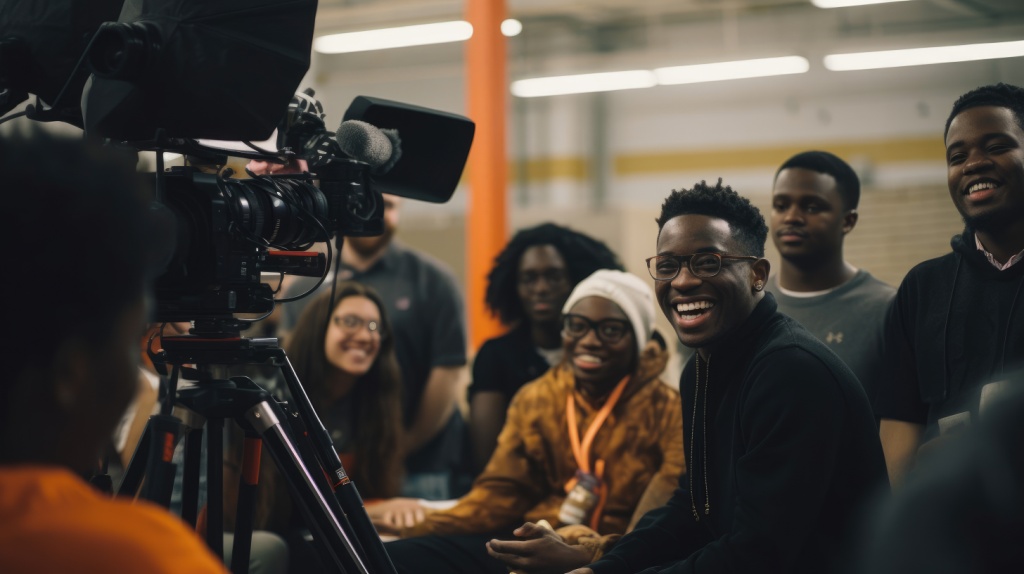
Skills development is one of the fundamental engines of growth for any industry. Training allows aspiring young people to enter the economy, passionate about building careers and contributing to the growth of the business. Their energy is infectious and vital, but it must be shaped through training.

In creative industries, however, training has a wider effect. It not only equips emerging young professionals with skills, but it also drives shared value and enriches culture through the work and the content that those young creators go on to produce.

Africa-wide training

A case in point is the MultiChoice Talent Factory (MTF), an Africa-wide network of training institutions headquartered in Nairobi, Lagos and Lusaka, and founded by MultiChoice, a Canal+ company.

The effectiveness of MTF courses, grounded in three decades enriching lives as Africa’s most-loved storyteller, are widely recognised. But the close relationship with the MultiChoice network also means that graduates of the academies soon go on to rewarding careers creating content for the pan-African network.

This is local content; homegrown, relevant and resonating with the tastes and the cultural needs of African audiences – allowing viewers to see themselves reflected in the shows they love. These might be iconic reality shows like Big Brother Naija,  Heartbeat, Real Housewives of Lagos, or popular drama such as Tinsel.

The films they produce are broadcast to audience acclaim on MultiChoice channels across the continent. These culturally impactful films include West African fantasy drama Grown.

Applications are currently open for this year’s intake of students at the MTF Academies in Lagos, Nairobi and Lusaka. African graduates who aspire to become directors, filmmakers, scriptwriters, producers and storytellers can now apply for fully funded courses at the industry-leading network of academies.

As part of the CANAL+ family, MultiChoice has rededicated itself to empowering young people with filmmaking, production and storytelling skills.

Enriching lives through content

This homegrown content is cultural output, entertaining and inspiring audiences from Maputo to Accra, strengthening African and national identity, while creating further jobs, boosting entrepreneurship and business opportunities and building a trove of African intellectual property.

MultiChoice functions as an ecosystem catalyst, building partnerships with broadcasters, guilds, financiers, and educators that scale opportunity beyond a single platform. MTF graduates then enter this ecosystem upon graduation, and enrich it with their passion, ideas and awareness.

In an economic sense, training academies like MTF are engines of growth. Feeding the creative economy with up to 60 graduates every year gives it energy and impetus that leads to new productions, and fresh approaches to existing ones. Those productions build audiences and revenue, which in turn funds more creative projects, jobs and skills across the value chain.

Homegrown Culture Engine

MultiChoice stands out as a homegrown culture engine, shaping modern African culture through decades of local content. It drives social-media trends, memes, gossip, and watch parties. Shows like Big Brother Naija attract millions online, sparking conversations and creating culture.

Big Brother Naija has launched stars across West Africa, like Mercy Eke, whose fame has brought multi million endorsements and business like MNM Luxury and Lambo homes. Sparking conversations, inspiring comments, and creating culture.

Creating this culture demands more than technical skill, it requires the instincts of Africa’s digital generation, people who understand how modern Africans live, engage, and consume content. For audiences, this approach ensures entertainment that reflects their tastes, lifestyles, and values.

Those who are interested in joining the next generation of storytellers can apply to the MTF 2026 cohort. Applications close on 27 February 2026. Prospective students can visit https://multichoicetalentfactory.com/mtf-applications/index.php to learn more about the MTF programme requirements.

For aspiring filmmakers, this could be their first step towards a career at the cutting edge of African entertainment.


Showbiz

The Evolution of Home Viewing in Nigeria

Published

on

Home Viewing in Nigeria

There was a time in Nigeria when watching movies at home wasn’t strictly a “home” experience. People rented VHS tapes and later DVDs from local video clubs around the neighbourhood, and in many cases, viewing extended to video centres or where groups gathered to watch films and sports. It was a shared setup shaped by access, availability, and a very communal way of consuming entertainment.

As time went on, analogue television became the main form of home viewing. Families would gather around a single TV set in the living room, with limited channels and fixed programming schedules. Content was not really something you chose; it was something you aligned your day around. Antenna adjustments were part of the routine, and despite the limitations, TV became a central part of everyday household life.

The introduction of satellite and pay-TV services marked a major shift. Viewers suddenly had more control, more variety, and more access. Local and international content expanded significantly, covering movies, sports, news, and entertainment in a way that changed viewing habits from passive scheduling to active choice.

This is where platforms like GOtv became relevant in the Nigerian context. By making premium entertainment more affordable and widely accessible, GOtv helped bridge the gap between content quality and everyday households. It wasn’t just about more channels; it was about making consistent access to entertainment more realistic for a wider audience.

Today, home viewing has become more flexible and audience-driven. People are no longer tied to fixed schedules; viewing is now based on preference, timing, and convenience. At the same time, shared viewing still exists, especially around live sports and major TV moments, where entertainment becomes a collective experience again, just in a more modern form.

From rented tapes and video centres to satellite TV and now more structured, accessible entertainment platforms, the evolution of home viewing in Nigeria has been a steady shift toward more choice and control. Throughout that journey, GOtv has remained part of the ecosystem, supporting how everyday audiences access and experience entertainment at home.

Continue Reading

Showbiz

How Far Would You Go For the People You Love? Stripped Answers This

Published

on

Africa Magic Stripped

Five episodes in, and Africa Magic’s limited series, Stripped, has quietly got people talking. Not because of the stripping, though yes, that is very much part of it, but because of what sits underneath all of it. The guilt. The shame. The quiet, suffocating pressure of being a man in Lagos who is supposed to have it all together but simply does not.

The premise sounds simple. Five friends, all broke, all stuck, all too proud to say it out loud, stumble into a stripping gig at an upscale club called Trabaye after its sharp and seductive owner, Yvonne (Constance Owoyemi) spots them at a birthday party and sees something worth paying for. What follows is anything but simple.

Kelechi “Kel” Okere (Daniel Etim Effiong) is the one carrying the most weight. A former marketing executive now driving Uber to keep his wife and children afloat, Kel is the kind of man who will smile through a crisis so nobody worries. His wife, Ada (Future Lolo Lamai), thinks he is still closing big deals. His children need school fees. The rent is overdue. And every night he comes home, the lie gets a little heavier.

Bolaji (Mofe Duncan), who is loud, charming and energetic, watches his cafe dream bleed out quietly. Suppliers want cash; customers want credit, and charm, it turns out, cannot patch a leaking roof.

Damina (Efa Iwara) is the cool bachelor whose carefully constructed life collapses the moment his pregnant ex walks back through the door. Mensah (Ian Wordi) is a Ghanaian-Nigerian architect and youth pastor caught in a relationship that is slowly erasing him. And Voke (Kunle Remi) is running out of time to free his imprisoned father, one clever scheme at a time.

Their first night at Trabaye is overwhelming. The music, lights, money, and the strange, intoxicating feeling of being wanted. They laugh in the car afterwards and call themselves “Strip Gawds.” For one night, the bills don’t exist. But nothing in Lagos stays clean for long.

Bolaji’s wandering eye pulls the group into dangerous territory. Voke’s schemes start bleeding into the club’s shadier edges. Kel finds himself dangerously close to a line he cannot cross, pulled back only by the sound of his wife’s voice on the phone. And Mensah quietly wonders how many layers of himself he can strip away before there is nothing left worth keeping.

The show’s most devastating moment comes in Episode 4, when Kel has a panic attack. There is no dramatic score, just a man cracking under the weight of everything he has been holding alone. Viewers have not stopped talking about it since. It is the kind of scene that does not just tell you about a character; it shows you something true about the world.

Etim Effiong, who also serves as executive producer, said it plainly. “Men need to catch a break. It’s a really tough world for men, and we deserve some credit.” Episode 5 offers a brief exhale before the walls begin closing in again. The money is good. But the shadows are getting closer.

Stripped is no longer just a show about five men taking their clothes off for money. It is about what men carry in silence, what friendship costs when survival is on the line, and whether the things you do to save your life can also be the things that cost you your soul.

If you have not started watching, you should start now. Catch up on all five episodes now on DStv Stream, and tune in for the final episode this Sunday at 8 PM on Africa Magic Showcase, DStv Channel 151, and GOtv Channel 8.

Continue Reading

Showbiz

Nigerian Singer Niniola Loses Husband to Death

Published

on

Niniola Michael Ndika

By Modupe Gbadeyanka

Popular Nigerian singer, Niniola Apata, professionally known as Niniola, has lost her husband to the cold hands of death.

Niniola confirmed the demise of her heartthrob, Mr Michael Ndika, in a series of posts, including God took my husband, and My husband died, among others.

However, the circumstances behind the death of Mr Ndika were not revealed by the Nigerian afro-house songster.

In the Instagram story on Wednesday morning, the 39-year-old Grammy-nominated entertainer indicated that she had been in a relationship with her late husband for over a decade.

The posts attracted reactions as she was consoled by her teeming fans, who expressed condolences to her for the loss.

Before his death, Mr Ndika was the chief executive of a multimedia platform focused on afro-house and contemporary African music known as NaijaReview.

Niniola is the older sibling of another famous entertainer, Teni.

Continue Reading

Trending