
Showbiz
The Runway Heist on Broadway: When Lagos Fashion Stepped into Theatre

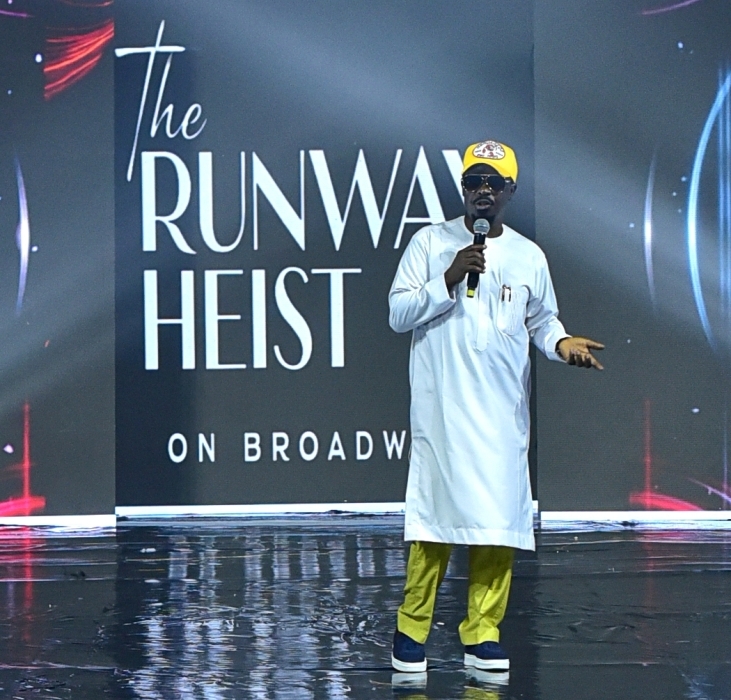
Lagos fashion witnessed a defining creative moment as The Runway Heist on Broadway, a fashion-theatre production curated by BareFashionEvening, concluded to wide acclaim, positioning itself as one of the most conceptually ambitious runway experiences in the city’s recent fashion history. Far beyond a conventional fashion show, the production fused high fashion, live music, theatrical performance, and storytelling, reimagining the runway as a stage where garments, bodies, and narratives converged in a single immersive experience.
Inspired by the tradition of Broadway productions, the show unfolded as a cinematic performance rather than a linear runway. Carefully choreographed walks, dramatic lighting, expressive movement, live vocals, and dance sequences transformed the space into a living story. Each designer’s collection was intentionally staged to unfold as a narrative, allowing garments to communicate emotion, memory, and meaning rather than exist as isolated looks. The result was a multi-layered presentation that reflected the evolving identity of African fashion as expressive, collaborative, and culturally grounded.
Speaking on the creative direction behind the production, Jonarry Agraka, the convener of the event, described The Runway Heist on Broadway as a deliberate rethinking of how fashion should be experienced on the continent. According to him, the platform was created to move fashion beyond aesthetics and return it to its core as a medium of expression and storytelling. He noted that the intention was to create a space where designers, models, and creatives could tell honest stories through movement, sound, and performance, rather than being confined to the traditional runway format. Agraka further explained that the vision behind the show was to provide visibility and opportunity for emerging talent, encouraging collaboration, discovery, and creative freedom within the fashion ecosystem.
At the heart of the showcase was a carefully curated lineup of emerging and forward-thinking designers whose collections explored themes of memory, celebration, sustainability, structure, and contemporary African expression. One of the most emotionally resonant moments of the evening came from Ethnic Stitches, whose collection was inspired by her late brother, a painter whose artistic influence shaped her bold use of colour blocks. Remarkably put together in just ten days, the presentation stood as a tribute to love, loss, and creative inheritance. The moment her son presented her with flowers after the showcase became one of the night’s most touching scenes, capturing fashion’s ability to hold personal memory and emotion.
Creative Director of Sassy by Etty presented a collection titled “Essentials for Christmas,” built around a refined palette of blue, red, and black. Drawing inspiration from the festive season, she described the collection as a significant improvement on her previous work, citing stronger structure, clearer styling, and better overall execution. Her presentation reflected the confidence of a designer growing into her creative identity and refining her voice within the industry.
Sustainability features prominently through KODIELZZ, whose designs are created entirely from recycled waste. Rooted in faith and environmental responsibility, her collection reinforced the increasing relevance of eco-conscious fashion within Nigeria’s creative landscape. By transforming discarded materials into wearable art, her work highlighted the possibility of aligning fashion with purpose and accountability.
Architect and fashion designer Adebayo Oyenuga, who returned as both a guest and sponsor, described the event as a vital discovery platform for emerging designers. Having been impressed by previous editions, he returned to support the initiative, encouraging young creatives to remain original, committed to their craft, and open to continuous improvement. He noted that platforms such as The Runway Heist on Broadway are critical for uncovering new talent and sustaining the growth of the fashion industry.
Distinctively, the production challenged conventional modelling norms by positioning models as performers and storytellers rather than passive participants. The runway demanded emotional engagement, vulnerability, and expression. Model Enoch Adeoluwa described the experience as intense yet rewarding, highlighting the strong bonds formed during rehearsals and training sessions. He openly shared that he experienced a panic attack during rehearsals but was able to pull through with the support of a close friend, underscoring the emotional demands behind live performance.
Similarly, Ayomide Ayoola described feeling anxious, scared, and physically shaken before stepping onto the runway, but ended the show with a deep sense of fulfilment after overcoming her fears. For Umole Arnold, the experience stood apart from traditional fashion shows. He described it as a full Broadway-style performance filled with music, acting, and dance, admitting that while he was nervous at the beginning, he eventually found his rhythm and confidence. Dominance described the experience as marvellous, praising the outfits, makeup, and overall production quality.
International representation came through Lein, a Congolese-born model with Nigerian roots, who reflected on adapting to Lagos’ fashion scene despite early language barriers. Having relied on translation tools when she first arrived in the city, her participation highlighted the inclusive and global nature of the platform.
Music played a central role in shaping the emotional rhythm of the show. Singer Keleya, from Imo State, delivered live performances of three original songs that were seamlessly integrated into the runway narrative. She revealed that she performed without collecting a fee, choosing instead to use the platform to promote her music and connect with new audiences. Her contribution reinforced the collaborative spirit of the production, where creative expression took precedence over commercial considerations.
The event drew a diverse audience of industry professionals, creatives, sponsors, and fashion enthusiasts. Industry figures Demirah, Jeremiah, and Victor Bayo noted that such platforms provide valuable exposure, placing creatives before influential audiences and opening doors to future collaborations. Fashion enthusiast Oluwatosin praised the attention to detail in the event’s planning, from the smooth red-carpet experience to the quality of the audience, describing the show as defined by excellence, poise, and luxury. Former models Hannah and Rosemary attended to reconnect with the creative energy of the runway and observe emerging talent, while emerging designer Maryjane of Black by MJ, accompanied by Deborah, attended with the intention of learning and preparing for future participation. Fashion model and designer Ochanya, from Benue State, described fashion as her happy place, expressing excitement about drawing inspiration from the showcase.
More than a fashion event, The Runway Heist on Broadway emerged as a cultural statement, affirming that African fashion is evolving beyond presentation into performance, narrative, and emotional engagement. It demonstrated that when fashion collaborates with theatre, music, and movement, it becomes a powerful medium for storytelling and cultural expression. As Lagos continues to position itself as a global creative capital, The Runway Heist on Broadway stands as a compelling example of how African fashion can innovate boldly, speak authentically, and command lasting attention.



Easter may be over, but the fun doesn’t have to stop. With the second term holiday in full swing, the question now becomes: how do we keep the kids happily engaged while they’re home?
From animated favourites to live-action hits, there’s no shortage of exciting content to keep young viewers entertained throughout the break. GOtv brings together a rich lineup of kids’ channels designed to keep the holiday fun going, spanning action-packed adventures, light-hearted comedies, and educational stories, offering a well-rounded mix that caters to different interests and age groups, while making it easy for families to find something everyone can enjoy.
Here are the Top Kids Channels & Shows on GOtv;
On Cartoon Network (Ch. 67)
Energy and adventure take centre stage. Shows like Teen Titans Go! bring humor and superhero chaos, while Pokémon Horizons continues the beloved Pokémon journey with fresh stories. Add in the imaginative storytelling of Craig of the Creek and the sci-fi curiosity of Elliott from Earth, and you’ve got hours of non-stop excitement.
Over on Nickelodeon (Ch. 62)
It’s all about fun, friendship, and a little mischief. Kids can dive into the comedic action of Danger Force, enjoy the timeless charm of The Smurfs, and laugh along with Side Hustle. And of course, no holiday lineup is complete without the iconic SpongeBob SquarePants.
Disney Junior (Ch. 60)
This is for younger viewers, delivering wholesome, engaging content that blends fun with learning. Spidey and His Amazing Friends brings superhero teamwork to life, while Firebuds introduces kids to the value of helping others. Cultural curiosity shines through in Mira, Royal Detective, making learning feel like an adventure.
Some educational content
PBS Kids (Ch. 65)
PBS Kids continues to be a trusted favourite for enriching content. Classics like Arthur teach empathy and life lessons, while Molly of Denali introduces culture, problem-solving, and adventure in a refreshing way.
JimJam (Ch. 61)
And for the littlest viewers, it keeps things simple and delightful with Guess with Jess, a gentle, curiosity-driven show perfect for early learning on Jim Jam.
Family Moments with Local Flavour
Beyond international hits, GOtv also celebrates relatable, homegrown storytelling on Africa Magic Family (Ch. 4).
Make the holiday not just about keeping kids occupied, make it about creating moments they’ll remember. With GOtv’s diverse lineup, every day can be filled with laughter, learning, and a little bit of magic.
To upgrade, subscribe, or reconnect, download the MyGOtv App or dial *288#. For catch-up and on-the-go viewing, download the GOtv Stream App and enjoy your favourite shows anytime, anywhere.
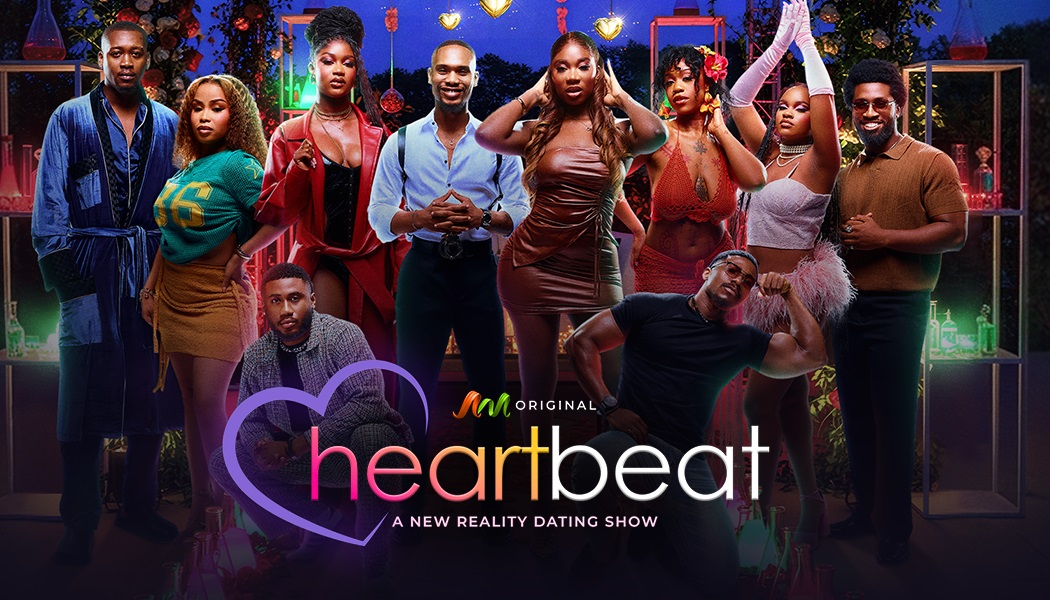
From day one in the Love Pad, Heartbeat gave us everything; instant attractions, messy triangles, soft moments, hot arguments, and connections that kept switching lanes when we least expected them. Now, after all the chaos, the final episode came down to one thing: who is actually ready to choose love for real?
If you remember how it all started, Kena and Chidera were one of the first “locked-in” connections. Even when new singles walked in, and Kena became the house favourite, Chidera made it clear, not on her watch. From the roses’ apology to that whole Jane situation that had Chidera raging, their bond was constantly tested. But the finale didn’t care about history. It came with real questions about compatibility, intentions, and life outside the Love Pad. At that point, it was no longer about feelings, it was about alignment.
Then there’s Ken and Latifah. If there’s any couple that defined chaos this season, it’s them. From cuddling like nothing happened after fights, to the dinner date drama, to that moment he lied about production setting things up (we have not forgotten), these two gave us a full rollercoaster. Even when Ken tried to “fix things” with breakfast in bed, the trust had already taken hits. So when it came down to the final decision, the real question was: was this love, or just something they kept going back to?
Igwe and Shekinah? Still one of the most confusing dynamics in the house. From flirting, to tension, to Shekinah defending him when everyone said he was playing games, to the moment she found out he had written letters to multiple women, it was always something. Even when he tried to reassure her, there was always that small doubt. So when the finale tests came in, it was time to see if what they had was actually solid or just vibes.
And let’s not forget how everything shifted when the new singles entered. From Ceeoni’s unexpected revelation that she and Henry were exes, to Jane boldly saying she was still coming for Kena, to Victory, Timi, Sharon and Bosa all bringing new energy, the house never stayed the same. Some connections grew stronger under pressure, others didn’t survive it.
But the finale? That’s where everything got real.
The couples were put through final compatibility tests, not just games, but moments that forced them to answer difficult questions about trust, commitment, and how well they actually know each other. Some couples faced these moments together, standing strong and showing they were on the same page. Others? The cracks showed, and certain decisions had to be made individually, which said a lot without saying too much.
But when it was time for the final decision, Heartbeat didn’t hold back. The couples were first hit with a lie detector test, and that alone shook the entire Love Pad. Chidera and Kena had to face some hard truths when Kena said he had never thought about breaking up with her, only for the machine to call it false. He also admitted he still misses his ex, and that came out true. On the other side, Ceeoni and Alvin also had their moment when she confirmed she had a child outside the Love Pad, something that instantly shifted the energy between them. After all that, emotions were high, but the show didn’t slow down.
At the Heartbeat Commitment, the real verdicts came in. Kena and Chidera still chose each other despite everything. Igwe and Shekinah are locked in and are ready to see where things go, while Bosah and Hilda, Ken and Latifah, and Victory and Toria have also decided to continue their connections outside the house. The only pair that didn’t commit was Alvin and Ceeoni, who made it clear they’re not there yet. With earlier exits like Jane, Timi, Sharon and Henri, not everyone made it to this stage, but by the end, it was clear who came for vibes and who was actually ready for something real.
Heartbeat may be over, but the drama, the debates, and the “did they really make the right choice?” moments are far from done. The finale gave us truths, tears, and tough decisions, but it also left us asking: what happens next for these couples outside the Love Pad?
If you’re not ready to let go of the chaos, there’s still plenty to keep you hooked. From the twists in Wura, to the high-stakes drama of Dividends, and the unfiltered excitement of Stripped, your screen is far from quiet.
Missed an episode or want to relive the madness? Reconnect, catch up, or stay plugged in on the MyGOtv App or dial *288# to stream anytime, because the drama never really ends it just moves to the next show.
If you’ve been wondering where all your favourite reality TV shows went after E! Africa went off air, this is for you! Bravo Africa is officially the new plug.
In late August 2025, E! Africa announced it would be discontinuing, with the channel set to go dark on October 7, 2025. For fans who had built their entire reality TV routine around it, the news hit hard. But the gap didn’t stay empty for long.
Bravo Africa stepped in on GOtv Channel 36 with something even better. A fully dedicated space for premium, drama-filled reality television. And if you’re a fan of bold personalities, luxury lifestyles, and unfiltered storytelling, this is one channel you should already have on rotation.
So, what exactly makes Bravo Africa worth your time?
First, the content lineup is stacked. From the iconic Real Housewives franchise, with all its glam, shade, and unforgettable moments, to fan favourites like Below Deck and Married to Medicine, Bravo Africa delivers the kind of addictive TV that keeps you glued episode after episode. It’s the same high-quality reality content E! lovers enjoyed, just more focused and consistently curated.
What also stands out is how the channel leans fully into reality TV culture. This isn’t a mix-and-match entertainment channel; it knows its audience and delivers exactly what they want: drama, relationships, ambition, luxury, and real-life chaos (the good kind).
For viewers who loved E! Africa’s blend of lifestyle and celebrity-driven content, Bravo Africa feels like a natural transition. It’s cleaner, more intentional, and built around shows that already have global fanbases and proven engagement.
Access is pretty straightforward, too. If you’re on GOtv Jolli or any higher package, you already have it, no extra stress, no additional subscription needed.
To upgrade, subscribe, or reconnect, download the MyGOtv App or dial *288#. For catch-up and on-the-go viewing, download the GOtv Stream App and enjoy your favourite shows anytime, anywhere.
-
 Feature/OPED6 years ago
Davos was Different this year
-
Travel/Tourism10 years ago
Lagos Seals Western Lodge Hotel In Ikorodu
-

 Showbiz3 years ago
Estranged Lover Releases Videos of Empress Njamah Bathing
-
 Banking8 years ago
Sort Codes of GTBank Branches in Nigeria
-

 Economy3 years ago
Subsidy Removal: CNG at N130 Per Litre Cheaper Than Petrol—IPMAN
-

 Banking3 years ago
Sort Codes of UBA Branches in Nigeria
-

 Banking3 years ago
First Bank Announces Planned Downtime
-

 Sports3 years ago
Highest Paid Nigerian Footballer – How Much Do Nigerian Footballers Earn