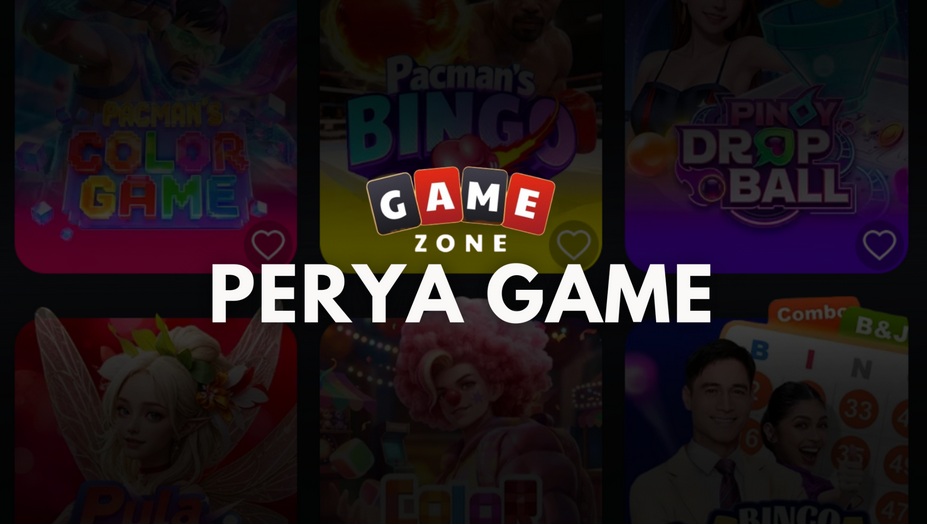
Connect with us

Sports

Connecting Filipino Cultural Perya Game to Today’s GameZone Platform

Published

on

perya game

Perya game have been a vibrant and enduring element of Filipino tradition, commonly featured at town fiestas, carnivals, and communal events. These games transcend mere amusement, embodying shared cultural experiences, fostering social bonds, and offering the delight of uncomplicated gameplay. Over the years, the traditional form of perya entertainment has transitioned into modern digital platforms such as GameZone. This evolution highlights how Filipino entertainment adapts to technological progress while maintaining its unique cultural identity.

Origins and Essence of Traditional Perya Games

The essence of Perya games lies in local fairs called peryahan, which are staple gatherings during festivals and town celebrations. These lively venues serve as hubs for lighthearted fun, presenting a variety of quick and simple games designed to entertain a broad audience. The environment is often energetic, filled with vibrant color schemes, enthusiastic crowds, and the sounds of anticipation and enjoyment radiating from countless booths.

A classic example is the Color Game, a favorite among fairgoers for its simplicity and excitement. Success depends on predicting the next color outcome, creating an engaging mix of chance and thrill. Alongside this, games such as Bingo hold a prominent place in the perya lineup. These games are readily accessible to people of all ages and skill levels due to their straightforward rules and reasonable winning odds. They contribute significantly to the inclusive atmosphere that characterizes peryahan game gatherings.

The bustling perya environment acts as a backdrop that magnifies the excitement. Families and friends drift from one colorful booth to another, sharing laughs, testing luck, and connecting socially. This dynamic blend of simple gameplay and social interaction forms the core of the traditional Perya culture.

Why Perya Games Became a Filipino Tradition

Perya games secured their place in Filipino culture because of two key elements: accessibility and community engagement. The uncomplicated nature of the games lowers barriers for participation, allowing anyone, regardless of age or background, to join in with ease.

The festive setting encourages socialization, where people meet, bond, and celebrate together. Interactions grow naturally from the shared joy of playing, generating strong community ties anchored in cultural practice. Such social interactivity ensures the continuation and relevance of Perya games, blending pastime with tradition.

Even as entertainment options widened in the Philippines, the appeal of Perya games endures. Their ability to combine simple gameplay with meaningful social gathering sustains their popularity in contemporary times.

The Digital Shift: From Fairgrounds to Screens

As global lifestyles shifted toward digital consumption of entertainment, Filipino traditional games experienced a similar evolution. Though technology prompted new habits, the core enjoyment of Perya games didn’t fade but transformed into online formats.

GameZone represents this transformation by reimagining perya classics in a digital context. This platform captures the vibrant excitement of traditional games while enhancing accessibility, enabling a broader audience to engage anytime, anywhere. The convenience of digital interaction suits today’s fast-paced life, where mobile and internet access prevail.

Players now find familiar perya-style games on GameZone’s platform, presented in an organized and user-friendly manner that preserves the spirit of celebration and friendly competition synonymous with the original fairs.

GameZone: Digital Hub for Perya-Inspired Entertainment

GameZone stands out as a major platform translating the perya experience into the digital era. It replaces physical carnival booths with an interactive online interface optimized for mobile devices. Through immersive graphics, intuitive gameplay flows, and easily navigable design, the lively atmosphere of Perya games is replicated for digital audiences.

As a PAGCOR-licensed operator, GameZone ensures compliance with regulation standards, reinforcing trust and transparency. Its structured environment provides players with a consistent, secure, and fair gaming experience, bridging traditional culture with modern entertainment expectations.

This platform’s design supports both casual players seeking nostalgia and new participants eager to explore Filipino cultural games in a convenient form.

Tradition Meets Innovation: The Evolving Perya Experience

The relationship between traditional Perya games and GameZone is evolutionary rather than substitutive. Foundational traits such as simplicity, fast gameplay, and excitement remain central. Meanwhile, digital enhancements add new layers of accessibility and interaction.

Instead of physically visiting peryahan venues, players can instantly connect via smartphones. This transition exemplifies how entertainment adapts to contemporary lifestyles, making cultural heritage available without geographical or temporal constraints.

GameZone effectively acts as a cultural and technological bridge, preserving the essence of perya while embracing the affordances of digital innovation.

Appeal of GameZone to Contemporary Gamers

Modern users gravitate towards GameZone’s blend of familiarity and convenience. Traditional perya games become accessible anytime across devices, removing the need for physical attendance or coordination.

With popular games like Color Game perya and Bingo offered in a digital format, players retain cultural connections while enjoying enhanced usability. The platform’s structured setup also appeals to those seeking orderly, safe gameplay environments, alongside social features that echo the communal nature of traditional fairs.

This digital accessibility combined with cultural preservation creates a compelling draw for players balancing heritage and modern preferences.

Sustaining Filipino Gaming and Cultural Heritage Digitally

GameZone plays a critical role beyond entertainment, acting as a guardian of Filipino gaming culture. By digitizing traditional Perya games, the platform facilitates the transmission of cultural identity to current and future generations.

Structured online presentations maintain the communal spirit intrinsic to perya experiences, making cultural games relevant in a technology-driven world. Younger players, accustomed to digital media, find in GameZone a way to experience Filipino traditions aligned with their contemporary lifestyles.

Thus, GameZone links the past and present, ensuring tradition remains alive, albeit in an updated form that resonates with today’s audiences.
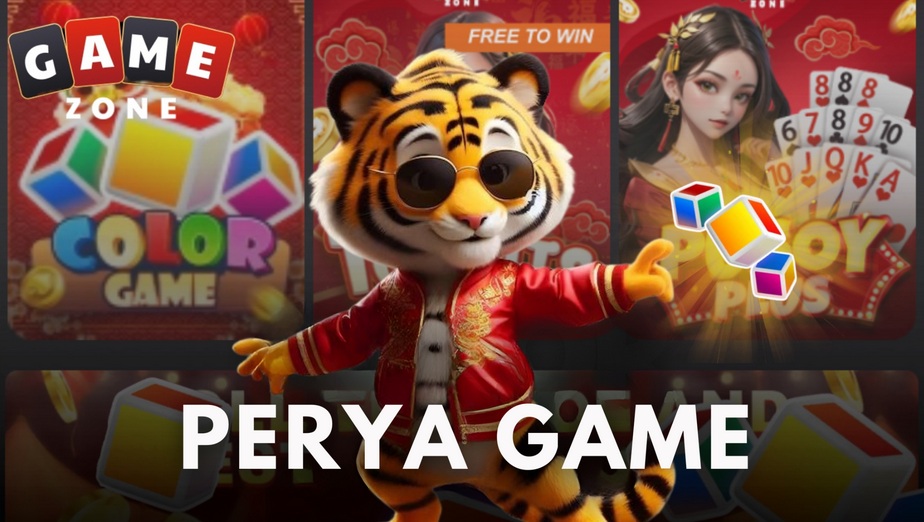
perya game GameZone

Frequently Asked Questions

Q1. What are Perya games in Filipino culture?
Traditional fair games commonly played during festivals and community events, characterized by simple rules and social interaction.

Q2. How does GameZone relate to traditional Perya games?
GameZone adapts these cultural games into digital versions, increasing accessibility for modern players through online platforms.

Q3. Which types of games are associated with Perya culture?
Games such as Color Game and Bingo that feature straightforward mechanics and quick, engaging play are staples of Perya entertainment.


Dipo Olowookere is a journalist based in Nigeria that has passion for reporting business news stories. At his leisure time, he watches football and supports 3SC of Ibadan. Mr Olowookere can be reached via [email protected]

Click to comment

Leave a Reply

Your email address will not be published. Required fields are marked *

Sports

Barred World Cup Referee Omar Artan to Officiate UEFA Super Cup

Published

on

Omar Artan UEFA Super Cup

By Adedapo Adesanya

European football body, UEFA, has appointed Somali referee Omar Artan to officiate the 2026 UEFA Super Cup after he was not allowed into the United States to officiate in the 2026 FIFA World Cup taking place in the US, Canada, and Mexico.

UEFA said Mr Artan will referee the August 12 game between Champions League winners Paris Saint-Germain and the Europa League winners, Aston Villa, in the Austrian capital, Salzburg.

The European football regulator said this follows discussions with its sister confederation, the Confederation of African Football (CAF).

Mr Artan got a hero’s welcome returning to Somalia on Wednesday, days after he was refused entry in Miami by US authorities despite being picked by FIFA for World Cup duty. US officials claimed Artan had connections to terror organisations without offering proof.

“The decision to appoint Artan to officiate the UEFA Super Cup match has been made in the framework of the Memorandum of Understanding (MoU) recently signed between UEFA and CAF to encourage cooperation in many areas, including refereeing. UEFA and CAF are united by a shared commitment to developing football at all levels and promoting the core values of unity, equality and non-discrimination,” UEFA said in a statement on Thursday.

Speaking on this development, Mr Aleksander Čeferin, UEFA president, said, “Omar Artan is an excellent young but already experienced referee, who has proven himself at the highest competition level of the Confederation of African Football. Football is made to connect people, and UEFA wants to show its respect to Omar and his outstanding officiating skills, which have earned him such a prestigious nomination. I am grateful to my friend CAF President Patrice Motsepe for supporting our initiative enthusiastically.”

Adding his input, Mr Patrice Motsepe, CAF president, said: “Omar Artan has made Somalia and the entire people of the African continent extremely proud. His receipt of the CAF Men’s Referee of the Year Award 2025 and his appointment as a referee of the FIFA World Cup 2026 are a recognition of his world-class refereeing ability and the international respect that he enjoys.”

“I am very thankful to my friend, Aleksander Čeferin, for enabling Omar Artan to officiate the UEFA Super Cup 2026 match. This is a great honour for Omar Artan and for African referees and is also an excellent example of football, bringing together and uniting people from Africa and Europe and worldwide,” he added.

The heroic referee has established himself as one of the world’s top referees and has been on the FIFA international list since 2018. Among the most notable matches he has officiated is the second leg of the 2025/26 CAF Champions League final. In recognition of his performances, he received the CAF Men’s Referee of the Year Award 2025.

Continue Reading

Sports

PHarcade vs GameZone: Exploring the Best Platform for Filipino Players

Published

on

PHarcade

The digital entertainment industry in the Philippines continues to grow rapidly, with more gamers gaining access to mobile platforms that host a wide variety of interactive experiences. Two notable names frequently compared are PHarcade and GameZone, each offering distinct approaches in terms of content diversity, platform organization, and user experience. The differences between these two shift the discussion from simple comparisons to determining which platform provides better long-term usability, engagement, and cultural relevance for Filipino gamers.

What Makes PHarcade Stand Out?

PHarcade serves as a multi-genre entertainment platform that hosts numerous arcade games and interactive formats within a single app. Its hallmark is the wide variety of game types that players can explore, providing an environment that encourages experimenting with different gaming styles. Among the common highlights are:

  • Slot-style interactive games
  • Fishing-themed gameplay
  • Live table-game entertainment
  • Various card game formats

This open structure caters well to users who enjoy switching between different game genres throughout their play sessions. However, one outcome of such an unstructured setup is that players might end up spending considerable time navigating through different categories, resulting in a less focused or consistent gaming engagement.

Getting to Know GameZone

GameZone builds a distinctly Filipino gaming ecosystem by focusing on delivering games that reflect local cultural preferences. More than just a compilation, GameZone offers a well-organized system where traditional Filipino card games and popular formats are grouped thoughtfully. Key offerings include:

  • Tongits
  • Pusoy
  • Bingo
  • Color Game
  • Slots and arcade-style games

This approach emphasizes cultural relevance, as the game selection directly mirrors Filipino gaming habits and preferences. Additionally, the platform operates with PAGCOR licensing, providing a regulated environment that enhances trust and security. Access is available through the GameZone app or via direct download for full functionality, creating an ecosystem meant to be familiar and user-friendly.

Comparing Game Structure and Engagement Depth

Instead of focusing on the sheer number of games, the distinction lies in how the platforms organize and facilitate gameplay flow. PHarcade boasts a wide range of categories, including fishing gameplay, slots, and live game experiences which add variety but can scatter player focus across unrelated game types. Catching one’s interest may require switching contexts frequently.

GameZone concentrates its offerings by clustering culturally familiar games such as Tongits and Pusoy alongside Bingo, Color Game, and arcade formats. This creates a more connected gameplay cycle where users remain engaged within a single ecosystem without having to jump around. In simpler terms:

  • PHarcade showcases greater variety but less structural continuity.
  • GameZone balances variety with a strong, integrated gaming ecosystem.

User Experience and Navigation Ease

User interface design and ease of navigation often dictate how enjoyable a platform feels. PHarcade allows users to roam freely through many categories, making it ideal for those who love browsing different game types. However, this open access might cause decision fatigue, particularly for players who prefer to quickly get into their favorite games.

In contrast, GameZone offers a streamlined and goal-oriented interface prioritizing rapid access to core Filipino games like Tongits, Pusoy, and Bingo. This focused design cuts down on search times, improving session efficiency and letting users spend more time playing rather than hunting for games.

  • PHarcade’s experience can be described as exploratory and less structured.
  • GameZone focuses on purposeful, efficient navigation aligned with user goals.

Cultural Relevance and Ecosystem Strength

A significant edge for GameZone lies in its closeness to Filipino gaming culture. Locally beloved games such as Tongits and Pusoy are more than just offerings—they represent years of entertainment history and social interaction. This cultural grounding simplifies onboarding new players, while also strengthening user retention.

PHarcade, by contrast, casts a wider net across entertainment categories but places less emphasis on Filipino-specific gaming traditions. This difference underscores GameZone’s position as a platform that many see as integrated into daily Filipino entertainment practices.

Why GameZone Provides a More Comprehensive Gaming Experience

Evaluating platforms in terms of structure, user access, and lasting engagement highlights several advantages in favor of GameZone:

  • A centralized ecosystem featuring multiple interconnected game types
  • Deep focus on Filipino card games and festive, perya-style entertainment
  • Seamless integration of arcade, slots, and traditional game formats
  • User-friendly navigation that reduces the overwhelm from too many choices
  • Credibility and security ensured by PAGCOR regulation

These facets combine to create a gaming environment that is steady, predictable, and tailored for long-term player satisfaction — aspects that can sometimes be missing from broader but less cohesive platforms.

Determining Which Platform Fits Best

PHarcade may appeal to those who:

  • Enjoy unrestricted exploration of diverse entertainment categories
  • Prefer moving fluidly between various arcade game styles
  • Value a broad but loose gaming environment

GameZone is more suited for users who:

  • Favor popular Filipino card and traditional games like Tongits, Pusoy, and Bingo
  • Seek a culturally familiar and well-organized gaming ecosystem
  • Appreciate quick navigation and uninterrupted gameplay flow
  • Prefer regulated platforms backed by official licenses

PHarcade vs GameZone

The Final Assessment: Which Platform Offers More for Filipino Gamers?

PHarcade excels in delivering diverse and flexible gaming experiences, perfect for players who prioritize variety without boundaries. Meanwhile, GameZone stands out by building a more concentrated and culturally attuned environment that aligns closely with Filipino gaming tendencies.

From a practical standpoint, PHarcade focuses on width and range, whereas GameZone centers on system depth and user-friendliness — often the preferred choice for everyday Filipino gamers seeking consistency and smoother digital engagement.

Frequently Asked Questions

Q1. What exactly is PHarcade?
An entertainment platform offering a wide range of arcade and interactive game genres, including slots, fishing games, and live formats.

Q2. How does GameZone differ from PHarcade?
GameZone provides a structured Filipino-focused gaming ecosystem featuring cultural staples like Tongits and Pusoy, contrasting with PHarcade’s broader but less organized content.

Q3. Why do many Filipino players choose GameZone?
Due to its organized layout, faster access to favorite games, emphasis on culturally relevant titles, and regulated operation under PAGCOR, many find GameZone offers a more enjoyable and trustworthy gaming experience.

Continue Reading

Sports

EXPLAINER: How Teams Will Qualify Under New 48-Team World Cup Format

Published

on

2026 fifa world cup

By Adedapo Adesanya

The FIFA World Cup 2026 is set to commence on Thursday, June 11, and end on Sunday, July 19, across the three host countries: Canada, Mexico and the United States of America. It will be the 23rd edition of the tournament, but the first to feature 48 teams.

The previous 32-team structure, which ran from 1998-2022, began with a relatively straightforward group stage, consisting of eight different four-team groups, with the top two nations from each section advancing to the last-16 stage, and the remaining 16 sides eliminated.

However, the addition of 16 nations has resulted in four more four-team groups, with the top two sides in each of the 12 groups progressing to the round of 32 — an additional knockout round to accommodate the expansion. By that calculation, 24 teams that rank first and second in each group will qualify, but since there is an expansion, there is a need to have 12 additional nations for the round of 32.

All 12 nations that rank fourth in their group will be automatically eliminated.

However, there are an additional eight knockout spots for the 12 teams that finish third in their group to battle to secure a spot based on some criteria.

The eight highest-ranked third-place teams will advance, with group points won the first factor considered. If points are equal, goal difference will be used to determine rankings, and if this is the same, then the team with the most goals scored will rank higher.

If any teams are still tied after these criteria are applied, then the team with the best ‘fair play’ disciplinary record — this means the fewest yellow and red cards will be used.

A yellow card counts for one point, an indirect red card (resulting from a second yellow card) is three points, a direct red is four points and a yellow plus a direct red card is five points. The team with the lowest points has the best ‘fair play’ score.

If these numbers are the same for different teams, the side with the higher FIFA world ranking edges the tiebreak.

The eight third-place sides that advance will be paired with eight group winners in the last-32 stage, with the four remaining group winners playing second-place teams and the remaining eight second-place sides paired with each other.

Continue Reading

Trending