Sports
Game On: A Look at Fall 2025’s Biggest Esports Showdowns
The Crown Jewel of League of Legends — Worlds 2025
From Seoul to Shanghai—why this year’s route is a game-changer
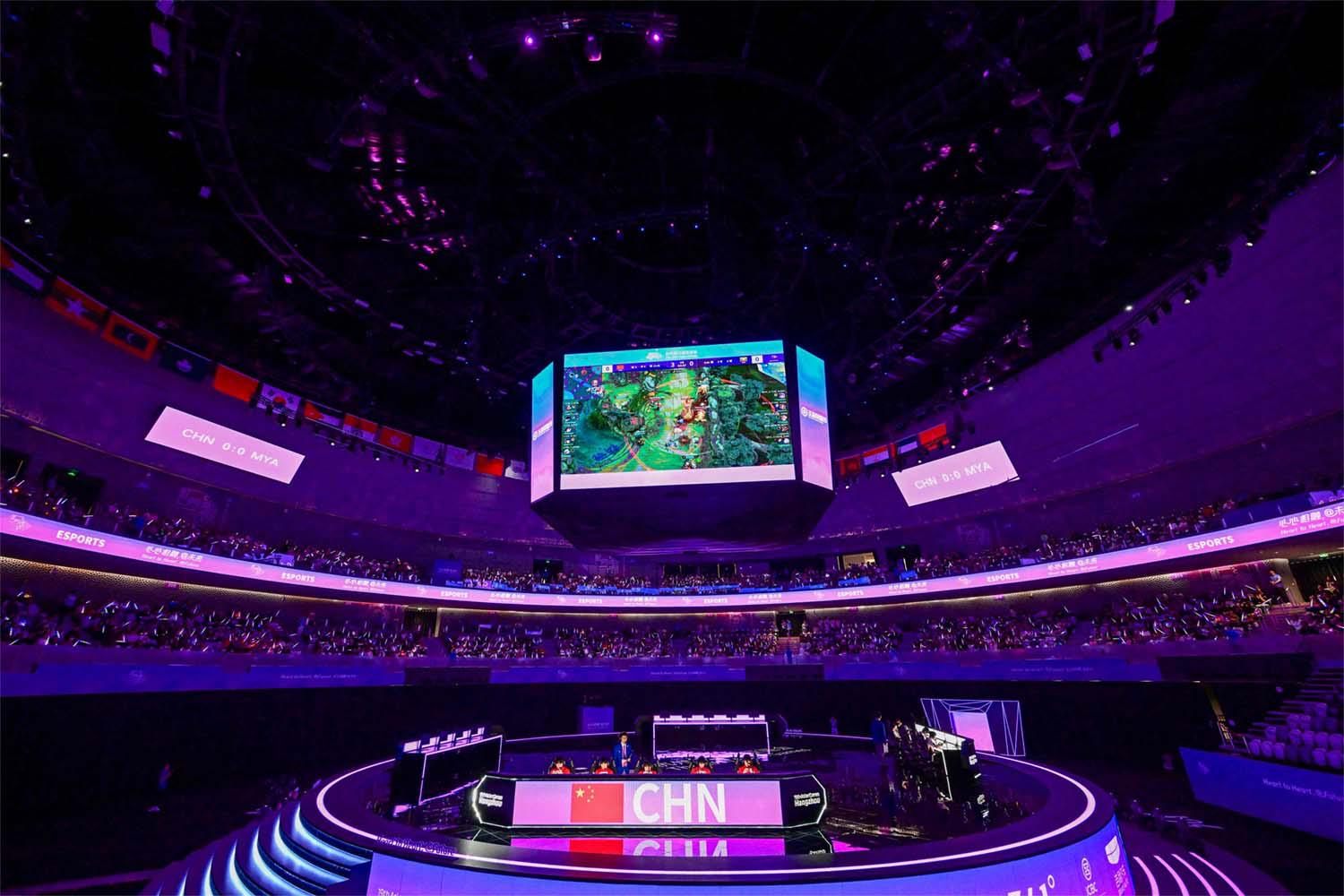
Each year, League of Legends fans around the globe eagerly await the most prestigious event in the game’s competitive calendar — the World Championship, commonly known as Worlds. For Nigerian players and fans, it’s a time when regions clash, legends rise, and the spirit of competition reaches its peak.
Riot Games has officially announced that Worlds 2025 will take place in China, bringing top-tier esports action back to one of the most passionate and influential regions in the League of Legends scene.
According to Riot, fans can look forward to five weeks of high-stakes gameplay, unforgettable moments, and the crowning of the next world champion. This marks another major step in China’s ongoing influence on global League of Legends esports — a region known for its powerhouse teams and electric atmosphere.
Chinese teams like Bilibili Gaming and Weibo Gaming have made massive waves in recent years, finishing second and third in the last two World Championships. Their only roadblock? Korea’s legendary T1, who remain their fiercest rivals on the international stage.
A Tour Across China – Cities Hosting Worlds 2025
The 2025 World Championship won’t be locked to a single location — it will travel across China in multiple stages:
- Beijing will host the Play-Ins at the Beijing Smart Esports Center, a futuristic facility that blends esports with science, technology, and culture. The venue includes the JDG Intel Esports Center and can seat up to 2,000 fans.
- The tournament then moves to Shanghai’s Mercedes-Benz Arena for the Knockout Stage. This venue is a certified elite esports arena and a cultural hub in Asia, known for delivering some of the most thrilling matches in the game’s history.
- Finally, the competition reaches its peak in Chengdu, where the Grand Finals will be held at the Dongan Lake Sports Park. Riot describes it as one of the most advanced stadiums in Western China — a fitting battleground for a championship-deciding showdown.
Teams to watch and format shake-ups at the World Championship
The 2025 League of Legends World Championship will kick off with 17 teams, each earning their place through fierce regional competition. This year’s structure rewards consistency, international performance, and regional dominance — all leading up to one of the most anticipated tournaments in esports.
Qualification Breakdown
Here’s how teams will qualify for Worlds 2025:
- MSI Champion – 1 slot
- LCK (Korea) – 3 slots
- LPL (China) – 4 slots
- LEC (Europe) – 3 slots
- LCS (North America) – 3 slots
- LLA North (Latin America North) – 1 slot
- LLA South (Latin America South) – 1 slot
- LLA Champion (Overall winner) – 1 slot
While many fans are used to seeing the top-tier regions dominate, it’s important to note that Latin America (LTA) has open qualification slots this year, giving rising regions a chance to shake things up on the global stage.
Play-In Stage: A Head-to-Head Opening
The championship begins with a single-day, best-of-three showdown between the fourth-seeded teams from the top two MSI-performing regions. Only one will advance to the main event — pressure will be sky-high right from the start.
The Swiss Stage: Survival of the Fittest
After the Play-In, 16 teams move into the Swiss Stage — a format where every match counts. Teams need to hit a set number of wins to qualify for playoffs, but racking up too many losses spells elimination.
Each match-up is based on current win-loss records, ensuring dynamic, unpredictable clashes. It’s a high-stakes test of both form and mental fortitude, dramatically reducing the number of contenders.
The Playoffs: No Second Chances
Only 8 teams will make it to the Playoffs, where the format shifts to single-elimination best-of-five matches. There’s no room for error here — one bad series, and your Worlds journey ends.
A new twist this year: the semifinals will take place immediately after the quarterfinals, with no break in between. Teams will need to stay sharp and adapt fast.
The Grand Finale: Who Will Take the Crown?
Worlds 2025 will culminate in a high-stakes Grand Final, where two remaining teams will battle for the title of World Champion. All eyes will be on reigning champions T1, the South Korean powerhouse led by the legendary Faker, as they attempt to defend their title against the world’s best.
Counter-Strike 2’s Autumn Battlegrounds
Why the CS Asia Championships and Thunderpick World Cup matter
1. Spotlight on Asian Talent
- Traditionally, the Asian region has been overshadowed by European and North American Counter-Strike scenes.
- CS Asia Championships provide a rare high-profile platform for Asian teams to compete against top international squads.
- It’s a proving ground for regional talent like TheMongolz, TYLOO, Lynn Vision, and others who rarely get consistent LAN exposure.
2. Elevating Regional Investment
- A prestigious tournament hosted in Asia encourages local sponsors, venues, and orgs to invest more in CS.
- That’s crucial for building a sustainable infrastructure around the game in the region — from grassroots to pro-level.
3. Valve’s Vision for Global Growth
- As Counter-Strike 2 rolls out, Valve and tournament organizers are pushing to globalize the scene more evenly.
- Having big events outside the EU/NA bubble is essential for long-term growth and inclusivity.
Why the Thunderpick World Cup Matters
1. Crypto-Backed Esports: A New Era?
- Thunderpick is a crypto-powered betting platform, and its sponsorship of a world cup is a test case for new funding models in esports.
- How it performs (fan engagement, viewership, org reception) could shape the future of alternative esports financing.
2. Serious Prize Pool, Serious Teams
- With $600,000+ on the line, it’s not just a side tournament — it’s attracting Tier 1 and Tier 2 organizations looking to prove themselves.
- It’s another opportunity for up-and-coming rosters to break into the spotlight.
3. International Mix, New Rivalries
- Unlike region-locked leagues, Thunderpick invites a diverse field of teams from Europe, North America, South America, and beyond.
- It fosters fresh matchups and rivalries not seen in more closed circuits like the BLAST Premier or ESL Pro League.
Why Both Events Are Important — Right Now
As Counter-Strike enters the CS2 era, the ecosystem is shifting:
- Valve is de-emphasizing partner leagues (like BLAST and ESL franchises).
- Open circuits, diverse formats, and new organizers are gaining ground.
- Events like the CS Asia Championships and the Thunderpick World Cup reflect that shift — they’re part of a more global, less gated future for CS esports.
What makes these mid fall events must-see for fans and players alike
1. Perfect Timing in the Competitive Calendar
- Fall events land right after the summer shuffle and before the winter break.
- Teams are settled in with new rosters, hungry to prove themselves.
- It’s the last chance to make a statement before year-end rankings and invites for 2026 events are decided.
2. Global Matchups You Rarely See
- These events bring together teams from across Asia, Europe, the Americas, and beyond.
- You get fresh matchups outside the usual EU vs EU grind — which makes every series more unpredictable.
- For fans, it’s a window into regional styles, strats, and rising stars you might otherwise miss.
3. High Stakes, No Safety Nets
- These aren’t drawn-out leagues — they’re fast, high-pressure tournaments.
- Every map matters, and the single-elimination or short formats leave no room for off-days.
- For players, it’s a mental and mechanical test — and for fans, that makes for peak entertainment.
4. Spotlight on Emerging Talent
- Mid-tier and non-partnered teams often get their shot here.
- Events like Thunderpick offer real prize pools and global exposure, even outside ESL/BLAST circuits.
- This is where tomorrow’s Tier 1 stars first make waves.
5. Meta Shifts and Strategic Evolution
- By mid-fall, we start seeing how the current meta is evolving in CS2.
- Teams come in with new tactics, updated playbooks, and refined synergy.
- For players and analysts alike, these tournaments are a goldmine for studying the meta in action.
6. Fan Energy Is Peaking
- After a quiet end-of-summer period, fans are hungry for action.
- These events bring back the buzz, memes, and hype moments the scene thrives on.
- Plus, many games are at LAN — meaning crowd energy is back in the mix.
Valorant’s Standout Moment — VALORANT Champions 2025
Why the French stage is set to be electrifying this September
Get ready for the grand finale of the 2025 VCT season — VALORANT Champions is heading to Paris, turning the City of Light into the epicenter of global VALORANT esports. From September 12 to October 5, the top 16 teams from around the world will battle it out for the title of VALORANT World Champion.
The Journey to Paris: Who Qualified?
Teams earned their spots in Champions through a season filled with high-stakes competition across the four International Leagues:
- Top 2 teams from each league received direct invites.
- Eight additional teams secured qualification through Championship Points, earned based on consistent performance throughout the year.
In total, 16 elite teams will clash in Paris — each one with a clear goal: to lift the Champions trophy and etch their name into VALORANT history.
Massive Prize Pool on the Line
VALORANT Champions 2025 features a prize pool of $2,250,000, making it one of the most lucrative events in the game’s history. Here’s how the winnings will be distributed:
- 1st Place – $1,000,000
- 2nd Place – $400,000
- 3rd Place – $250,000
- 4th Place – $130,000
- 5th–6th Place – $85,000 each
- 7th–8th Place – $50,000 each
- 9th–12th Place – $30,000 each
- 13th–16th Place – $20,000 each
Whether you’re watching to support your region, analyze pro strats, or simply enjoy world-class VALORANT gameplay, Champions 2025 in Paris is set to deliver intense matches, unforgettable plays, and the climax of a season-long grind.
What Champions always brings to the table—and why you shouldn’t miss it
Every year, VALORANT Champions isn’t just a tournament — it’s the ultimate showdown where skill, strategy, and nerves of steel collide. For esports fans and bettors in Nigeria, it’s the kind of global event that turns ordinary matches into unforgettable moments — and with winwin, you can be part of the action like never before.
Champions Is More Than a Game — It’s a Global Spectacle
This is where the best 16 teams in the world go head-to-head after months of grinding through international leagues and qualifier points. From flashy aces to clutch defuses, Champions consistently delivers:
- World-class gameplay at its peak
- Fresh storylines and rising underdogs
- Region vs. region rivalries with bragging rights on the line
- A massive $2.25 million prize pool raising the stakes even higher
And let’s be honest — in games like VALORANT, one moment can change everything. That’s what makes every round, every kill, and every map so exciting.
Bet Smarter, Win Bigger — Only at WinWin
Watching is great. But predicting the outcome and winning from it? Even better.
With WinWin — Nigeria’s trusted home for esports betting, you can:
- Bet on your favorite teams throughout the tournament
- Explore live betting options as the action unfolds in real time
- Take advantage of exclusive odds and promos during Champions 2025
- Turn your game knowledge into real rewards
Whether you’re backing a Korean giant like T1 or hoping for an underdog upset, WinWin gives you the tools to make every match matter.
Dota 2’s Legendary Return — The International 2025
Hamburg hosts the pinnacle of Dota 2 competition in early September
For the first time since its iconic debut in 2011, The International is making its way back to Germany. The very first edition of Dota 2’s biggest event was held in Cologne, during Gamescom, and now, over a decade later, TI returns to the country where it all began.
Since that inaugural tournament, The International has been hosted across the globe — in cities like Seattle, Vancouver, Bucharest, Shanghai, Singapore, and most recently, Copenhagen. Each location has left its mark on the tournament’s legacy, and now, Germany gets a second chapter.
Qualifiers & Format — What We Know So Far
Alongside the location announcement, Valve confirmed that 16 teams will once again qualify for The International 2025 through a combination of:
- Direct invitations
- Open qualifiers
- Regional qualifiers
Specifics regarding which teams will receive direct invites — or how the qualifiers will be structured — haven’t been revealed yet. Valve is urging fans to stay tuned for updates on ticket sales and the full event schedule in the coming months.
Dota 2’s Global Esports Presence Remains Strong
Dota 2 remains one of the most-watched and competitive esports in the world. In 2024, the TI Grand Final between Team Liquid and Gaimin Gladiators attracted a peak viewership of 1.43 million, a testament to the game’s enduring popularity.
Interestingly, Valve made a notable move last year by removing all in-game advertisements and sponsorships during the tournament. The goal? To keep the focus solely on the players and the spectacle, creating a cleaner and more immersive experience for fans.
The legacy of TI and what fans can expect this fall
For over a decade, The International (TI) has stood as the crown jewel of Dota 2 — and one of the most iconic tournaments in all of esports. It’s more than just a competition. It’s a global celebration of skill, strategy, and stories that shape the very soul of the game.
A Legacy Built on Glory and Innovation
Since its jaw-dropping debut in 2011, where Valve stunned the world with a $1.6 million prize pool (unheard of at the time), TI has become a benchmark for excellence in competitive gaming.
From Seattle’s roaring KeyArena to the futuristic stages of Shanghai and Singapore, each edition of TI has brought:
- Record-breaking prize pools (peaking over $40 million)
- Legendary comebacks and unforgettable plays
- Cultural milestones that expanded the scope of esports worldwide
- A space where rookies become legends, and legacies are either made or broken
TI isn’t just about the finals — it’s about the moments that lead up to it: the upsets, the draft surprises, the last-second holds, and the impossible team fights that live on forever.
What to Expect This Fall at TI 2025
This year, The International returns to Germany — for the first time since its debut in Cologne over a decade ago. The stakes are high, and 16 of the world’s best teams will clash after months of intense regional battles and qualifiers.
Here’s what fans can look forward to:
1. Elite-Level Dota
Every team at TI is fighting for more than money — they’re fighting for a place in history. Expect next-level drafting, innovative strategies, and mechanical precision that sets the global meta.
2. Clash of Styles
With teams from Europe, China, Southeast Asia, the Americas, and CIS competing, every match brings a unique blend of aggression, patience, and creativity. It’s a true global battle of philosophies.
3. Top-Tier Broadcast & Production
Valve consistently raises the bar when it comes to presentation, in-game storytelling, and player-focused coverage. Whether you’re watching from home or lucky enough to attend live, the experience will be top-notch.
4. Unpredictable Outcomes
If TI has taught us anything, it’s to expect the unexpected. From wildcard underdogs making miracle runs to titans falling early, no script is safe at The International.
A Time for Fans to Reconnect
TI isn’t just about competition — it’s about community. Whether you’re in Lagos, London, or Los Angeles, this is the time when fans around the world:
- Reunite on streams and in pubs
- Celebrate their favorite players and teams
- Dive deep into analysis, memes, and fantasy drafts
- Feel that rush that only TI can bring
Sports
Esports and Gaming in South Africa: Structure, Growth, and Competitive Realities
Esports has gradually transitioned from a niche digital activity into a structured part of the global sports and entertainment landscape. In South Africa, this shift reflects broader technological developments, including improved internet access and increased use of gaming platforms among younger demographics. While the scale of esports South Africa remains smaller compared to more established markets, its presence continues to expand in both visibility and organization.
Across Africa, esports is becoming more integrated into everyday digital culture, and services such as hollywoodbets mobile download show how mobile access continues to influence the way people engage with online entertainment. Competitive gaming is gradually moving beyond informal play, with local tournaments, online leagues, and emerging esports teams helping to build a more structured environment. At the same time, the development of the ecosystem remains uneven, shaped by infrastructure gaps and broader economic conditions.
What Is Esports and Why It Matters Today
Definition and Core Principles of Esports
Esports refers to organized and competitive video gaming, where players or teams compete under predefined rules in structured formats. These competitions often involve rankings, scheduled matches, and spectator engagement through streaming platforms. Unlike casual gaming, esports emphasizes measurable performance, strategic planning, and continuous improvement over time.
The range of esports games includes multiple genres such as first-person shooters, strategy-based titles, and sports simulations. Some of the most popular esports games globally are also played in Africa, although regional preferences often reflect accessibility and hardware availability. Mobile esports has become particularly significant in this context, as it allows broader participation without the need for expensive equipment.
Difference Between Gaming and Competitive Esports
The distinction between casual gaming and esports lies primarily in structure and intent. Gaming is typically associated with entertainment and flexibility, whereas esports involves formal competition and performance evaluation. A pro gamer operates within a defined system that includes training routines, participation in esports tournaments, and collaboration with teammates or coaches.
This difference also affects how players approach improvement and engagement. Professional gamers are expected to maintain consistency, adapt to evolving game mechanics, and compete at increasingly higher levels. As a result, esports represents a more demanding and structured form of digital competition.
Gaming vs Esports Comparison
| Aspect | Gaming (Casual) | Esports (Competitive) |
| Purpose | Entertainment | Structured competition |
| Organization | Informal | Regulated and scheduled |
| Skill Development | Optional | Continuous and required |
| Income Potential | Limited | Variable, performance-based |
| Participation | Individual or social | Individual and team-based |
The Growth of Esports in South Africa and Africa
Market Development and Economic Impact
The growth of esports South Africa is closely linked to broader digital adoption across the region. Increased smartphone usage, better connectivity, and access to global platforms have allowed more players to engage with competitive gaming. Despite this progress, the financial scale of the industry remains relatively limited compared to global esports markets.
Revenue streams in African esports typically include sponsorship agreements, small-scale tournament prize pools, and content creation. These sources are often inconsistent, which affects the stability of professional gaming as a career. Nevertheless, the presence of organized competitions continues to grow, indicating gradual market development.
Why Africa Is Becoming a New Frontier for Esports
Africa is often described as an emerging region for esports due to its demographic and technological characteristics. A young population with increasing digital access creates a foundation for long-term growth in gaming esports. In particular, mobile esports plays a significant role, as it lowers the barrier to entry for players who may not have access to high-performance computers.
South Africa stands out within the continent due to its relatively advanced infrastructure and established gaming communities. While it does not yet match global esports hubs, it serves as a focal point for regional development. This positioning contributes to the visibility of African esports players in international contexts.
Inside the Esports Ecosystem
Teams, Organisations, and Competitive Structure
Esports teams in South Africa operate at different levels of organization, ranging from informal groups to more structured entities with defined roles and training schedules. These teams participate in regional leagues and online competitions, contributing to the overall structure of the ecosystem. However, there is no single governing framework that standardizes competition across all esports titles.
Discussions about the biggest team in South Africa or the best team often depend on the specific game being considered. Performance varies across titles, making it difficult to establish a unified ranking. This fragmentation reflects the broader nature of esports, where each game operates within its own competitive environment.
Role of Sponsors, Brands, and Institutions
Sponsorship plays a role in sustaining esports teams and organizing tournaments, although funding levels remain relatively modest. Technology companies and telecommunications providers are among the primary contributors, supporting events and infrastructure development. Institutional involvement, including educational initiatives, is gradually increasing but is not yet widespread.
The limited scale of investment affects the long-term stability of esports organizations. Many teams rely on multiple income sources, including streaming and content creation, to maintain operations. This reflects the transitional nature of esports in the region.
Human Stories Behind the Screen
From Casual Gamer to Professional Player
The pathway from casual gaming to professional gaming is not standardized and often depends on individual circumstances. Many players begin by participating in online competitions or local events, gradually building experience and recognition. Success at this level can lead to opportunities to join esports teams or participate in larger tournaments.
Access to resources plays a significant role in this progression. Players with reliable internet connections and adequate equipment are more likely to compete consistently and improve their skills. In South Africa, these factors vary depending on location and economic conditions.
Earnings, Careers, and Challenges
The financial realities of professional gamers in Africa differ significantly from those in more established esports regions. Prize money from esports tournaments is often limited, and long-term contracts are less common. As a result, income can be unpredictable and dependent on performance and external opportunities.
Challenges also include limited access to international competitions and fewer large-scale events. These factors can affect career progression and visibility within the global esports community. Despite these constraints, players continue to participate in competitive gaming at various levels.
How to Start a Career in Esports
Entry Points for Beginners
Starting a career in esports typically involves selecting a game and developing skills through consistent practice. Online competitions and community events provide opportunities to gain experience and exposure. Mobile esports titles are often used as entry points due to their accessibility and lower hardware requirements.
The choice of game can influence the trajectory of a player’s development. Some titles offer more frequent tournaments and a larger player base, which can increase opportunities for progression. However, competition levels may also be higher in these environments.
Skills, Equipment, and Training
Competitive gaming requires a combination of technical and cognitive abilities. These include reaction speed, strategic thinking, and effective communication, particularly in team-based esports games. Regular training and analysis of gameplay are essential for improvement.
Equipment requirements vary depending on the platform. While mobile esports requires relatively minimal investment, PC-based gaming esports often demands more advanced hardware. This difference can influence accessibility for players in different regions.
Key Elements for Entering Esports
| Factor | Description |
| Game Selection | Choosing a competitive and accessible title |
| Hardware | PC, console, or mobile device depending on the game |
| Internet Connection | Stable and fast connection for online play |
| Skill Development | Practice, strategy, and performance analysis |
| Community Engagement | Participation in local or online esports communities |
Infrastructure and Challenges in African Esports
Access to Technology and Internet
Infrastructure remains a key factor influencing the growth of esports in Africa. Reliable internet access is not uniformly available, which can limit participation in online competitions. Inconsistent connectivity may also affect player performance during matches.
Hardware accessibility presents an additional challenge. High-performance gaming equipment is often expensive relative to average income levels. This creates barriers for players who wish to compete at higher levels of professional gaming.
Investment and Institutional Support
Investment in African esports is gradually increasing but remains below global standards. Sponsors and private organizations contribute to the development of tournaments and teams, but large-scale funding is limited. Institutional support, including government initiatives, is still in early stages.
The absence of consistent investment affects the sustainability of esports organizations. Without stable funding, it can be difficult to expand infrastructure or provide long-term opportunities for players.
Talent Development and Education
Efforts to develop talent are becoming more visible, with some institutions exploring esports-related programs. These initiatives focus on both competitive skills and technical knowledge, such as game analysis and event management. However, such programs are not yet widely available.
Many players continue to rely on self-directed learning and online resources. Community-driven development remains a central feature of esports growth in the region. This approach reflects both the opportunities and limitations within the current ecosystem.
The Future of Esports in South Africa and Beyond
Trends and Predictions
Several trends are shaping the future of esports South Africa, including the continued growth of mobile esports and increased digital connectivity. These factors may support broader participation and the expansion of esports tournaments. However, the pace of development will depend on infrastructure improvements and investment levels.
Questions such as who is the best gamer in the world or identifying the best gamer in the world overall remain subjective. Performance varies across games and competitive contexts, making direct comparisons difficult. Rankings are often specific to individual titles rather than the esports industry as a whole.
Africa’s Role in Global Esports
Africa’s role in global esports is gradually evolving as more players and teams gain exposure. South Africa continues to function as a regional hub, contributing to the development of competitive structures and local talent. Despite current limitations, the region is increasingly included in broader discussions about the future of esports.
The integration of African esports players into international competitions remains an ongoing process. Continued development will depend on access to resources, infrastructure improvements, and increased visibility within the global esports community.
Conclusion
Esports in South Africa represents a developing segment of the global esports landscape. The ecosystem includes a mix of informal communities, emerging professional structures, and ongoing challenges related to infrastructure and investment. African esports players and teams contribute to this environment through participation in local and international competitions.
This overview reflects the current state of esports without making assumptions about future outcomes. The industry remains dynamic, shaped by technological, economic, and social factors that continue to influence its development.
Sports
Best African Footballers in the World Ranked
The global football landscape continues to reflect the growing influence of African footballers. Over the past decades, players from across the African continent have established themselves as central figures in elite European leagues, international tournaments, and domestic competitions worldwide. Discussions around the best African footballers are no longer limited to regional recognition; instead, they form part of broader debates about the most impactful athletes in modern football.
This ranking of African football players focuses on measurable performance indicators such as consistency, tactical importance, adaptability, and contribution to both club and national teams. It does not rely on popularity or commercial appeal but instead considers observable impact on the pitch. The list reflects current form rather than historical legacy, which is particularly relevant given the dynamic nature of African football news, ongoing squad developments, and the broader context in which betway login are often used when following football-related activity online.
Ranking of the Best African Footballers
1. Achraf Hakimi
Achraf Hakimi remains one of the most complete modern full-backs in world football. Operating primarily on the right flank, his role extends beyond traditional defensive duties. His ability to transition quickly into attacking phases, deliver precise crosses, and contribute to build-up play places him among the most tactically versatile African soccer players.
At club level, Hakimi has demonstrated consistency in high-pressure matches, particularly in European competitions. For Morocco, his performances continue to carry strategic importance, especially following the country’s strong international showings in recent years. His positional awareness and endurance contribute significantly to both defensive stability and attacking width.
2. Mohamed Salah
Mohamed Salah continues to be a central figure in discussions about the African best player of his generation. Known for his goal-scoring consistency and movement in the final third, Salah remains a key attacking asset at the highest level of European football.
His style of play combines pace, technical precision, and spatial intelligence. Salah’s contribution is not limited to scoring; he frequently participates in chance creation and transitional play. Within the context of African football players, his longevity and sustained output distinguish him from many contemporaries.
3. Victor Osimhen
Victor Osimhen represents the modern centre-forward profile: physically dominant, fast, and highly effective in aerial duels. His ability to convert limited chances into goals has been a defining feature of his recent seasons.
Osimhen’s impact extends beyond statistics. His presence influences defensive structures, often drawing multiple defenders and creating space for teammates. Among African footballers, he stands out for his direct style and efficiency in front of goal.
4. Ademola Lookman
Ademola Lookman has developed into a technically refined attacker capable of operating across multiple offensive positions. His dribbling ability and close ball control make him effective in one-on-one situations.
Lookman’s adaptability allows him to contribute in different tactical systems, whether as a wide forward or a secondary striker. His role within club football reflects a broader trend among African football players toward versatility and positional flexibility.
5. Sadio Mané
Sadio Mané’s experience and consistency continue to define his role at both club and international levels. While no longer at the peak of his early career, he remains a reliable contributor in terms of goals, pressing, and leadership.
Mané’s influence on Senegal’s national team is particularly notable. His ability to perform in key matches and his understanding of high-level competition contribute to his continued inclusion among the best African footballers.
6. Serhou Guirassy
Serhou Guirassy has emerged as one of the more efficient strikers in European football. His goal-scoring record reflects strong positioning, composure, and decision-making inside the penalty area.
Unlike more physically dominant forwards, Guirassy relies on anticipation and timing. His rise illustrates the increasing depth among African soccer players, particularly in attacking roles where competition has intensified.
7. Kalidou Koulibaly
Kalidou Koulibaly continues to be recognized for his defensive leadership and physical presence. As a central defender, his strengths include aerial dominance, tackling accuracy, and organizational skills.
Koulibaly’s role often extends into mentoring younger defenders, reflecting his experience at the highest levels of club and international football. Among African footballers, he represents a model of defensive reliability and consistency.
8. Antoine Semenyo
Antoine Semenyo offers a dynamic attacking option with the ability to operate both centrally and on the wings. His playing style emphasizes movement, acceleration, and direct engagement with defenders.
Semenyo’s development highlights the growing presence of emerging African football players in competitive European leagues. His performances suggest a trajectory of continued improvement, particularly in offensive output and tactical awareness.
9. Yassine Bounou
Yassine Bounou has established himself as one of the most reliable goalkeepers among African footballers. His shot-stopping ability, composure under pressure, and distribution skills contribute to his overall effectiveness.
Bounou gained broader recognition through international tournaments, where his performances were consistently measured and controlled. His role reflects the importance of goalkeeping quality within modern African football players’ rankings.
- Pierre-Emerick Aubameyang
Pierre-Emerick Aubameyang remains a recognizable figure due to his pace and finishing ability. Although his role has evolved over time, he continues to contribute as a forward capable of exploiting defensive gaps.
His experience across multiple leagues provides a broader perspective on attacking play. Within discussions of African soccer players, Aubameyang represents continuity between earlier and current generations.
11. Riyad Mahrez
Riyad Mahrez is known for his technical control, creativity, and ability to influence matches through individual skill. Operating primarily as a winger, his strengths include dribbling, vision, and precise passing.
Mahrez’s playing style contrasts with more direct attackers, offering a slower, more controlled approach to offensive play. His presence among the best African footballers reflects the diversity of playing styles emerging from the continent.
Honorable Mentions
Beyond the primary ranking, several African football players continue to demonstrate strong performances across various leagues. These include both emerging talents and established professionals who narrowly fall outside the top tier.
Notably, South African footballers are increasingly visible in both domestic and international competitions. While historically underrepresented at the highest levels, recent developments suggest gradual progress in talent development and exposure.
The broader pool of African footballers reflects a diverse range of playing styles, tactical roles, and career trajectories. This diversity contributes to the ongoing evolution of football both within Africa and globally.

Conclusion
The current generation of African soccer players illustrates a balanced combination of technical ability, physical attributes, and tactical awareness. Rather than being concentrated in specific positions or leagues, African footballers are now distributed across all areas of the pitch and levels of competition.
The ranking presented here reflects a snapshot of performance, shaped by recent form and measurable contributions. It does not attempt to define long-term legacy but instead focuses on present-day impact.
As African football news continues to highlight emerging talents and shifting dynamics, it is likely that future rankings will evolve significantly. The increasing integration of African football players into global football structures suggests that their influence will remain a consistent feature of the sport.
Sports
Top 5 Practical Ways to Use AI to Better Understand Betting on 1xBet
AI tools like ChatGPT are becoming part of everyday life. In betting, AI can also be useful, especially for users who want to understand markets, rules, and terminology more clearly before placing a wager.
At 1xBet, player education remains an important part of the overall experience. That approach is also reflected in 1xBalance, a project focused on responsible betting, self-awareness, and practical learning tools for players. Alongside educational content, the project includes a self-assessment test and a calculator, helping users better understand their habits and make more structured decisions. In this context, AI becomes another useful modern tool: not for chasing unrealistic outcomes, but for learning how betting works more clearly and responsibly.
1. Use AI to explain betting terms in simple language
One of the most practical uses of AI is turning betting vocabulary into plain language. Many users see terms like Asian Handicap, Double Chance, Both Teams to Score, or Accumulator without fully understanding what they mean.
Instead of guessing, they can ask AI for a short explanation.
Example prompt:
Explain the betting term “Asian Handicap” in simple words for a beginner.
This is especially useful for newer players on 1xBet who want to understand the logic behind a market before making a decision.
2. Ask AI to compare similar bet types
Some markets look similar, but work differently. That is where mistakes often happen. A user may confuse Draw No Bet with Double Chance, or Over 2.5 with Team Total Over 2.5.
AI can help compare these options side by side.
Example prompt:
What is the difference between Draw No Bet and Double Chance?
This kind of clarification supports smarter, more informed use of the platform and fits naturally with the educational purpose of 1xBalance.
3. Use AI together with the 1xBalance calculator
AI can explain concepts, but practical planning also matters. That is where the 1xBalance calculator becomes especially useful. Once a player understands a market, the calculator can help them think more carefully about stake sizing and structure.
AI can be used to understand the logic of bankroll management, while the calculator helps apply that thinking in a more practical way.
Example prompt:
Explain bankroll management in simple terms and how a calculator can help me plan my bets more carefully.
Used together, these tools support a more disciplined betting approach and reduce the chance of impulsive decisions.
4. Use AI to understand rules and support responsible betting
Promotional terms, market rules, and betting conditions can sometimes feel technical or too long. AI can help summarize key points in simpler language.
Example prompt:
Summarize these betting rules in plain language and tell me the key conditions.
At the same time, 1xBet encourages players to combine tools like AI with official resources such as 1xBalance, where the focus is not only on betting mechanics, but also on awareness, balance, and informed play. AI can simplify information, but the final reference point should always remain the official platform rules.
5. Use AI together with the 1xBalance test to reflect on habits
AI can also support self-reflection. Players can ask it to help organize a betting journal, review decision-making patterns, or think more clearly about their habits over time.
That connects well with the 1xBalance self-assessment test, which gives users a chance to reflect on how they approach betting and whether their habits remain balanced.
Example prompt:
Help me create a simple betting journal to track my stake, market, result, and reason for the bet.
In this way, AI, the 1xBalance test, and the calculator all serve the same broader purpose: helping players stay informed, structured, and more conscious of their decisions.
Final thought
AI can make betting on 1xBet easier to understand, especially for users who want more clarity around terms, rules, and market logic. At the same time, 1xBet continues to invest in player education through 1xBalance, a project built around responsible betting and practical support tools.
The 1xBet platform offers many useful features, including access to detailed statistics, generous bonuses, and other activities. With AI tools, you can quickly learn about all the available functions and better understand how the website and mobile apps work.
Used together, AI, the 1xBalance test, and the calculator help create a more informed experience. The strongest approach is simple: use modern tools to learn, use official 1xBet information to verify, and treat understanding as the foundation of responsible betting.
-
Feature/OPED6 years agoDavos was Different this year
-
Travel/Tourism10 years ago
Lagos Seals Western Lodge Hotel In Ikorodu
-
Showbiz3 years agoEstranged Lover Releases Videos of Empress Njamah Bathing
-
Banking8 years agoSort Codes of GTBank Branches in Nigeria
-
Economy3 years agoSubsidy Removal: CNG at N130 Per Litre Cheaper Than Petrol—IPMAN
-
Banking3 years agoSort Codes of UBA Branches in Nigeria
-
Banking3 years agoFirst Bank Announces Planned Downtime
-
Sports3 years agoHighest Paid Nigerian Footballer – How Much Do Nigerian Footballers Earn