
Technology
Over 90% of Africa Has No Internet Access Despite IT Boom

By Modupe Gbadeyanka
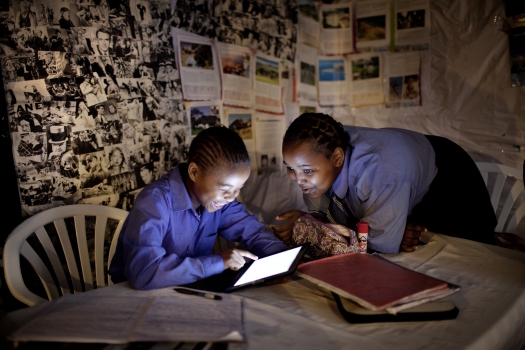
The Internet is one of the most important enablers of social development and education. While Internet services have been quite phenomenal in the rest of the world, access to the Internet remains very low in Africa, especially in the rural communities.
According to the Internet World Stats for Africa 2016, only 9.3% of people across the African continent are Internet users.
“A few years ago anyone who could not read and write was considered illiterate, but today this concept goes further, encompassing people who do not know how to use information and communication technologies. Health organizations and schools in Africa often face a unique set of obstacles, including a lack of access to much-needed health education and counselling platforms. The Community Tablet was created to help solve these problems”, says Dayn Amade.
In today’s digital world, bringing Internet access to rural communities is a tremendous step in the right direction of social development and education. Mozambican technology start-up company Kamaleon (Kamaleon.co.mz) has developed an innovative and engaging way of promoting digital literacy through a shared platform called the ‘Community Tablet’.
The Community Tablet is a solar powered mobile computer with touch screen displays and virtual keyboards built in on a trailer to provide Internet access to remote areas.
In order to facilitate interaction with the virtual world, Kamaleon also offers training on how to use the Internet and its features to members of the community and the local workforce.
Launched in November 2016 in Mozambique, the Community Tablet ultimately aims to promote digital inclusion and a knowledge based society in Africa. Beginning in Mozambique with an astounding 24 million people with no Internet connection, the Community Tablet will be used to support campaigns on various Health and Education initiatives in partnership with governmental and private organisations.
Spreading up-to-date messages and interactive lessons that showcase symptoms, prevention and treatment options – replacing the need for leaflet distributions to convey lifesaving information. Kamaleon is on a mission to close the digital divide and empower more people in Africa to engage in the digital economy and its educational benefits.
“I believe technology and digital literacy can contribute to greater effectiveness of civic education campaigns in various communities”, says Dayn Amade.








By Modupe Gbadeyanka
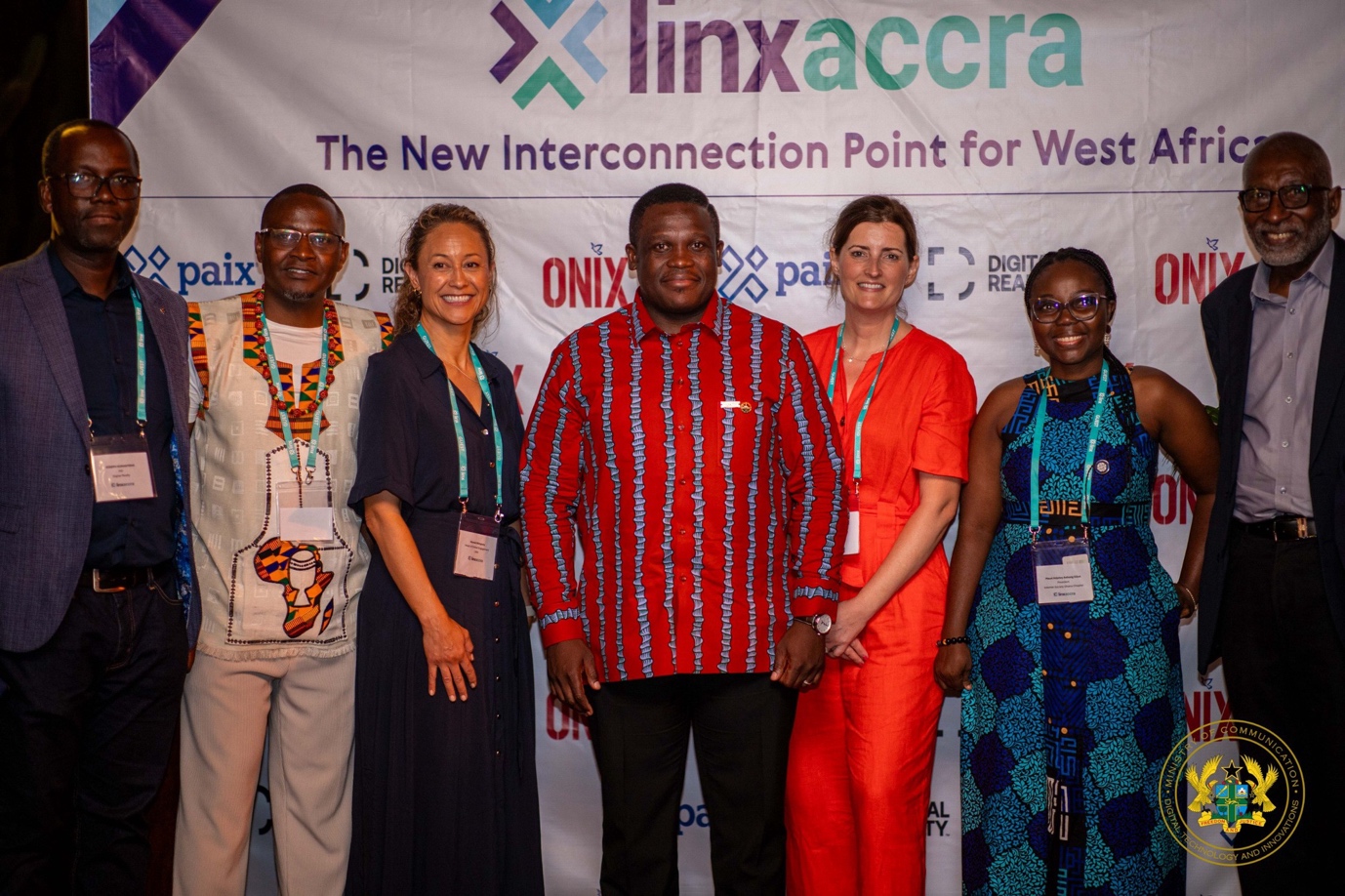
To develop the country’s internet ecosystem and build a dedicated connectivity community, the London Internet Exchange (LINX) has launched a 12-month no-charge promotion for all services at its new Ghana Internet Exchange Point, LINX Accra.
LINX Accra went live at the end of 2025, providing a regional interconnection point and a platform for networks to meet and exchange traffic, available from PAIX, Onix and the new Digital Realty data centre launched at the end of last year.
As part of its growth drive, LINX Accra aims to attract major global internet carriers and content delivery networks to keep more traffic local to Ghana, building relationships between local networks and encouraging early adoptions through promotion.
A key aspect is growing the local networking and peering community to reduce Ghana’s reliance on international routing, improve latency, and cut costs for networks and end users across the country.
“Ghana’s connectivity ecosystem is growing fast, and our goal, through the promotion, is to remove early barriers and encourage local ISPs to join and exchange traffic from the start.
“We’ve seen in other African markets that once the local community grows, global networks follow, so this is an important step for building community engagement and driving the localisation of internet traffic in Ghana and West Africa,” the Head of Existing Business for LINX, Inga Turner, said.
Ghana is one of West Africa’s fastest-growing digital markets, with over 70 per cent of the country’s 25 million people accessing the internet, and Accra is connected to six submarine cables to provide international connectivity to the country.
The market is also attracting significant data centre investment with new facilities opening every few months.
LINX has had a successful growth in Kenya, building on a similar promotion for LINX Mombasa and LINX Nairobi, which helped establish and expand the connectivity ecosystem, attracting major global networks and content providers to keep traffic local.


By Adedapo Adesanya
The federal government has announced plans to establish a national cybersecurity coordination council to strengthen Nigeria’s response to rising digital threats.
In a statement, the Federal Ministry of Communications, Innovation and Digital Economy said the council will serve as a multi-stakeholder platform to improve coordination, intelligence sharing, and collaboration between public and private institutions.
The initiative, championed by the Minister of Communications, Mr Bosun Tijani, aims to enhance Nigeria’s ability to respond to increasingly sophisticated cyber incidents affecting both private companies and public systems.
“The proposed council is envisioned as a non-statutory, multi-stakeholder coordination platform, designed to convene key actors and strengthen partnerships that support efficient coordination, trusted information sharing, and sustained cooperation among institutions responsible for advancing Nigeria’s cybersecurity posture,” the ministry said.
The council will bring together chief information security officers, cybersecurity experts, technology firms, law enforcement agencies, and relevant government institutions.
It will also provide advisory support to the federal government on strategies and frameworks needed to improve national cyber resilience.
“The approach reflects the government’s recognition that modern cyber threats demand collective defence models, trusted threat intelligence sharing, and multi-stakeholder coordination,” the ministry added.
The move follows recent cyber incidents that disrupted operations and highlighted the “increasingly coordinated and sophisticated nature of cyber threats,” signalling the urgent need for stronger national cybersecurity frameworks.
This development comes amid the rising frequency and complexity of cybercrimes, which have made cybersecurity a vital tool that countries must focus on.
Special policies around data breaches, ransomware attacks, and third-party liabilities have come to the fore. While cybersecurity has been historically underutilised in Nigeria, its critical role in mitigating the financial fallout of cybercrimes and threats has taken a new dimension with the adoption of Artificial Intelligence (AI).
Countries are leveraging AI tools to enhance threat detection, automate incident response, and analyse patterns to identify risks early. These AI-driven solutions enable quick and effective responses, improving resilience by detecting anomalies, predicting potential attacks, and mitigating threats before they escalate.
By Modupe Gbadeyanka
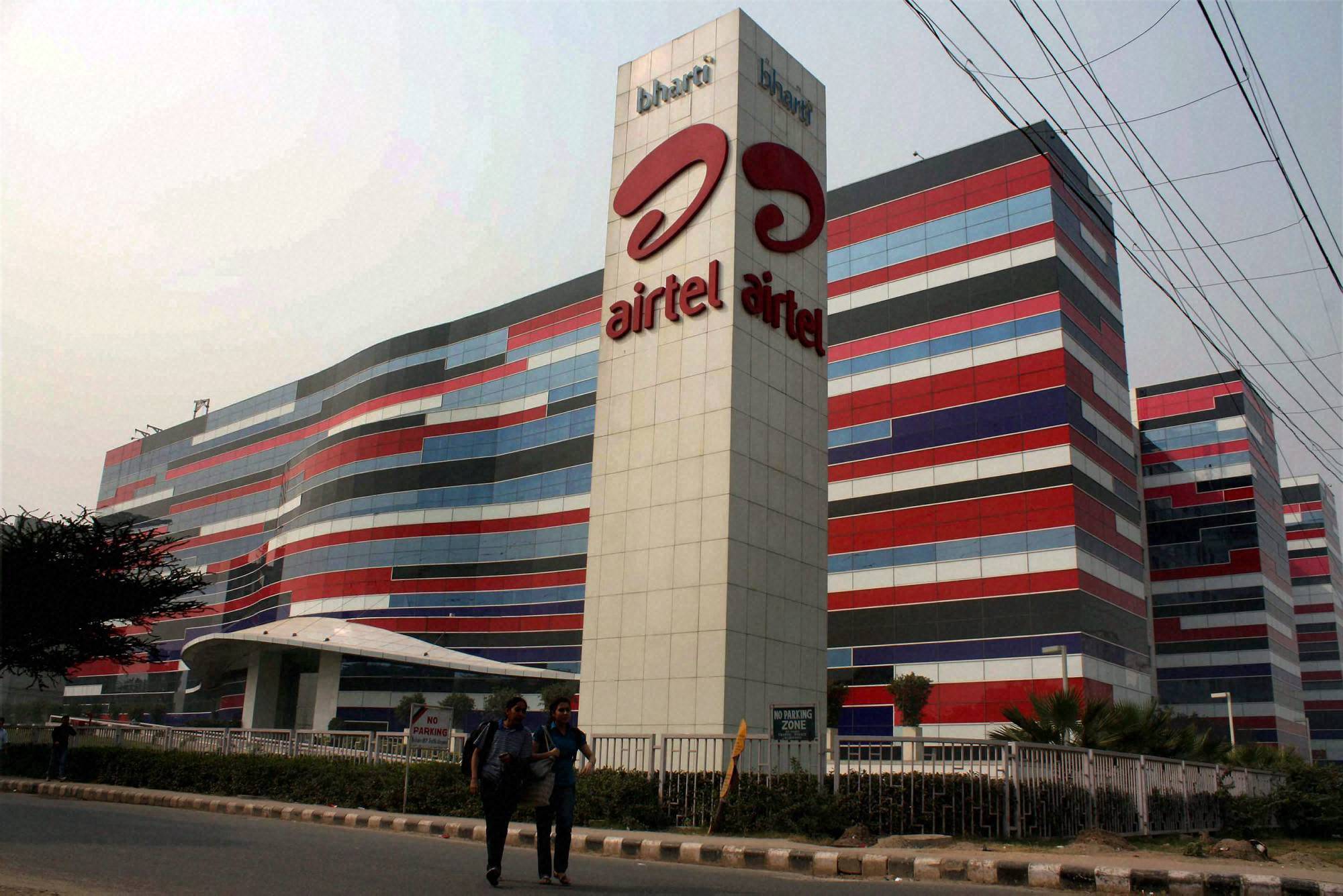
Bharti Airtel has crossed 650 million mobile subscribers worldwide to emerge as the world’s second-largest telecommunications firm.
The Indian company has operations in several countries, including Nigeria, where it has continued to scale infrastructure at a pace unmatched in its recent history.
Over the past three years, the telco has increased its national site count from just above 13,000 to nearly 17,200 sites, including more than 1,560 added in the last 12 months.
This expansion deepens capacity in high-demand corridors and extends high-speed coverage to previously underserved regions.
The latest industry data from the Nigerian Communications Commission (NCC) underscores the significance of this growth. As of December 2025, Nigeria recorded 145,141 base stations across 2G, 3G, 4G and 5G layers.
Of this national infrastructure, Airtel accounts for 46,918 base-station layers, reflecting its substantial contribution to the country’s radio access network and its push to absorb rising data consumption.
Nearly 99 per cent of Airtel Nigeria’s sites are now 4G-enabled, positioning the operator as one of the few with a near-ubiquitous high-speed broadband footprint. Thousands of sites have been upgraded for capacity in the past year alone, enabling improved speeds and more stable performance during peak usage.
That expansion underpins Nigeria’s rising internet adoption. According to the latest regulator figures, Nigeria’s internet penetration recently climbed above 50 per cent, with Airtel recording among the largest monthly increases in new internet subscribers, driven by network upgrades across states and rural corridors.
Strategic Connectivity and Redundancy
Airtel is also tackling a critical infrastructure challenge for the Nigerian digital economy: reliance on a single international internet gateway. The company is advancing plans for its second submarine cable internet breakout point at Kwa Ibo in Akwa Ibom State, early in the 2Africa cable system rollout, to provide faster and more resilient national connectivity across regions. This significant investment aligns with global best practices in network diversity and redundancy, ensuring a more stable digital experience for consumers and enterprises alike.
Digital Finance at Scale: SmartCash
Airtel’s digital finance arm, SmartCash, has gained traction in Nigeria’s competitive mobile money ecosystem, now serving over 3 million active users. The platform is supported by an expansive agent network and digital services that lower barriers for everyday financial transactions and savings.
Outstanding Human Touch: Retail Reach
Across Nigeria, Airtel’s retail distribution network stands as one of the sector’s most extensive, with approximately 4,000 exclusive outlets bringing services, support, and products closer to customers in small towns, communities, and high-traffic urban hubs. That footprint drives both access and engagement in a market where localised presence remains a competitive differentiator.
As Nigeria’s digital economy continues to evolve, Airtel is committed to sustained innovation — from expanded fibre backbones and advanced mobile broadband to future-ready services that include satellite-enabled solutions and enterprise-grade digital platforms. These efforts help ensure that connectivity, commerce, and creativity thrive across Nigeria and beyond.
-
 Feature/OPED6 years ago
Davos was Different this year
-
Travel/Tourism10 years ago
Lagos Seals Western Lodge Hotel In Ikorodu
-

 Showbiz3 years ago
Estranged Lover Releases Videos of Empress Njamah Bathing
-
 Banking8 years ago
Sort Codes of GTBank Branches in Nigeria
-

 Economy3 years ago
Subsidy Removal: CNG at N130 Per Litre Cheaper Than Petrol—IPMAN
-

 Banking3 years ago
Sort Codes of UBA Branches in Nigeria
-

 Banking3 years ago
First Bank Announces Planned Downtime
-

 Sports3 years ago
Highest Paid Nigerian Footballer – How Much Do Nigerian Footballers Earn