
Technology
Affordability Barrier to Internet Access in Nigeria—Research


By Dipo Olowookere
Compelling Mozilla-backed research, carried out by Research ICT Africa, finds that significant barriers to internet access remains in four African countries – Rwanda, Kenya, Nigeria and South Africa.
The research aims to understand, from a comparative perspective, how the citizens use the internet when data is subsidised and when it is not.
Knowing that affordability is one of the primary barriers to Internet access and particular optimal use, the main objective of the focus groups was to obtain qualitative information that reflects the perceptions of female and male Internet users, new users, and non-Internet users from urban and rural locations about how people use the Internet.
A 2016 International Telecommunications Union report estimates that only about 25 percent of the population of Africa has access to the internet.
It was discovered that in all the countries, across demographics, access to subsidised data did not result significantly in new users going online.
Also, use of subsidised data is just one of many strategies employed by users to manage costs in these four African countries.
Furthermore, uptake of zero rating varied across the four countries. Awareness was low and scepticism of free services was high in Nigeria, whereas in Rwanda bundles with unlimited WhatsApp and Facebook were very popular. In Kenya and South Africa, the zero-rated services were welcomed for their cost-reducing nature.
In addition, there was substantial interest and uptake in Equal Rating-compliant, partially subsidized data bundles that provide access to the entire internet not just some parts of it (e.g., Cell C’s offering of 250MB between 1 am and 7 am for R6 in South Africa or an MTN bundle in Rwanda for Rwf 800 (USD 0.96) that provide 24 hours unlimited data).
Likewise, poor network quality and coverage limited the consumption of subsidised data since some respondents, especially in rural areas of Kenya, Rwanda and South Africa, reported that telcos with those offerings did not have coverage in their area. Indeed, many of these users only have access via the most expensive operator in that country.
Equally, women face additional barriers to internet use, including concern of being exposed to inappropriate content online and its consequences in their intimate relationships and family responsibilities.
“Our research reveals that a significant urban-rural divide remains in opportunities to access the internet.” said Dr Alison Gillwald, Executive Director of Research ICT Africa. “Too often the debate over zero rating glosses over the fact that many people in rural communities don’t even have access to the best subsidized offerings and have to spend largely disproportionate amounts of their already low income on mobile access, and that’s assuming they can even find electricity to charge their devices.”
“Given all the controversy around zero rating, it’s surprising to see how few research respondents in these African countries actually use or depend on zero rated data. We are, however, seeing a lot of interest in Equal Rating compliant models which provide access to all of the internet, not just some parts of it,” said Jochai Ben-Avie, Senior Global Policy Manager at Mozilla. “More must be done to connect the unconnected. This research makes clear that it’s critical we all focus more on barriers like healthy competition outside urban areas, electricity, digital literacy, and gender power relations.”
Mozilla-backed research reveals affordability a barrier to internet access in Nigeria
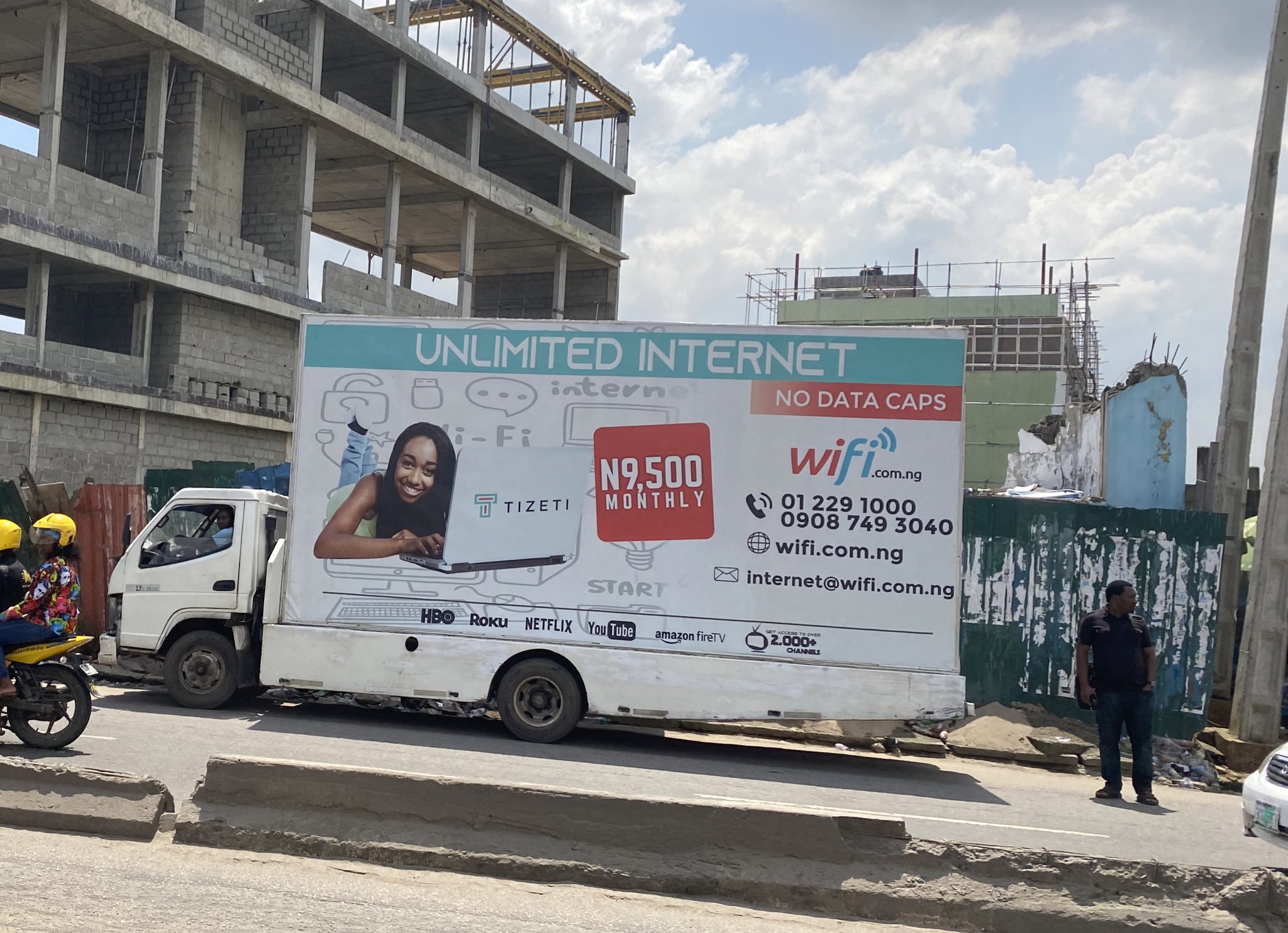
Zero rated services are still relatively new to the Nigerian market, with Airtel launching Facebook’s Free Basics and Facebook Flex only last year. Awareness and use of zero rating remains low in Nigeria, a country which enjoys some of the cheapest data prices in Africa.
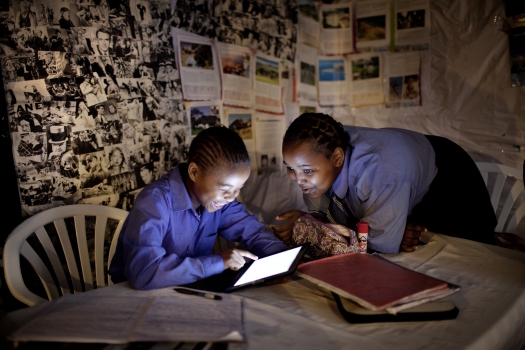
Results of the research showed that many rural users see the internet as their access to the civilized world and the gateway to the places around the globe where they have friends and family.
In addition, overall awareness and use of the internet has gained traction especially as social interactions, business or career enabler, and majority of participants, whether in rural or urban areas, rank the purchase of data high on their personal expense list.
Furthermore, there is a general belief that mobile network operators charge a hidden tariff, and whatever airtime is on the phone will be eventually deducted by the operator if one subscribes to a subsidized service.
Also, many non-users want to use a “big phone” (a smartphone) and would rather wait until they can afford one than use a more limited version of the internet.
Though the price of brand new smartphones keeps dropping and they can be bought for as low as $20, affordability challenges persist.
“Even in a country with some of the lowest rates for data and devices in Africa, the cost of buying a smartphone in Nigeria is still a challenge for many,” said Dr Alison Gillwald, Executive Director or Research ICT Africa. “Affordability gets disproportionate attention, but we need to do much more to improve digital literacy and supply side issues like network quality and speed.”
“This research demonstrates that Nigerians want access to all of the internet, not just some parts of it,” said Jochai Ben-Avie, Senior Global Policy Manager at Mozilla. “If we’re to bring all the internet to all people, we need to do more to improve digital literacy and understanding of the internet, especially among low-income individuals and those in rural and deep rural communities. At Mozilla we believe in equal rating for all internet users so that this shared global resource is not held hostage by the wealthy.”
Mozilla-backed research reveals Kenyans offline due to prohibitive costs and security fears
The Communications Authority of Kenya reports that some 38 million people – about 82 percent of the population – were online in 2016. The four mobile operators in the country have 4G internet connections on mobile but not in all parts of the country.
Researchers’ gathered that social media tops the list of uses for the internet and there is even a perception among some users that the internet is about social media just like the price of data bundles and internet-enabled phones render the cost of doing what most users want to do online prohibitive to many.
Also, strategic solutions for high costs include working late into the night before reward bundle periods expire, visiting friends who have Wi-Fi at home, and using multiple promotions from different operators, while even when people have smartphones, they do not always carry them for offline security reasons. In particular, there are concerns that, thieves may frequent areas with free public Wi-Fi in order to steal patrons’ internet enabled devices.
Furthermore, national network coverage was seen to be a challenge for both voice and data particularly in rural areas.
“While internet access is good in Kenya relative to elsewhere in Africa, real barriers remain to internet use,” said Research ICT Africa Executive Director Dr Alison Gillwald. “If we don’t look beyond access issues to the real concerns around privacy and security, for example, we’ll never bring all of the internet to all people.”
“One participant in this study reported concerns about getting skin cancer from their phone, proving there’s a lot more we still need to do to improve digital (and health) literacy,” said Mozilla Senior Global Policy Manager Jochai Ben-Avie. “At the same time, Kenyan internet penetration is on par with some of the most developed countries, and that’s due to the ingenuity of Kenyans to find ways to connect despite the relatively high cost of data.”
Mozilla-backed research reveals heavy use of subsidized data in Rwanda
Internet use and access in Rwanda has been exploding largely due to the Government of Rwanda’s Vision 2020 to enable Rwanda to leap-frog the key stages of industrialization and transform her agro-based economy into a service, information-rich and knowledge-based one that is globally competitive. While internet penetration is relatively high, the diversity of content accessed by participants in this study is relatively low. This is of concern.
Results of the research showed that most participants only use a very limited number of websites and services, and make heavy use of subsidized data.
While the use of subsidized data services allows mobile network operators to retain a large number of subscribers that use the internet, an Airtel representative was quoted as saying the company is considering ending their current zero rating offers because the majority of users that are benefiting from zero rated services are no longer using other services, and therefore are not spending on data.
It was also found out that the types of bundles and packs from the three MNOs keep changing almost every week due to tough competition going on, and some promotion offers – including zero rated services – are not even publicized on the website to prevent competitors access to the information.
In addition, the majority of participants with mid or high income when asked how they would react if subsidized data was no longer available, responded that they may reduce the time spent on the internet, while participants with low incomes responded that they may stop using the internet.
Significant access barriers remain, especially in remote areas, including the cost of data as well as illiteracy and lack of understanding of foreign languages to manipulate devices and understand internet content, the research discovered.
“Rwanda has been a real leader in bringing people online, including through innovative models like internet connected buses and other public Wi-Fi efforts,” said Dr Alison Gillwald, Executive Director or Research ICT Africa. “The limited number of sites and services Rwandans use points to the need for the government and other stakeholders to consider issues beyond access that leave many Rwandans accessing just a small part of the internet.”
“While it’s inspiring to see the boom in internet access in Rwanda, many Rwandans are still stuck in the walled gardens of subsidized services and haven’t experienced the full diversity of the open internet,” said Jochai Ben-Avie, Mozilla’s Senior Global Policy Manager. “Rwanda is a fascinating testbed of different experiments in connecting the unconnected and we hope the Government of Rwanda and other stakeholders will focus on solutions like Equal Rating that seek to bring all of the internet to all people.”
The research sees opportunity and a greater outlook in the future of internet use for these countries. Infrastructural issues still need to be addressed in rural areas, in particular to increase quality of service, which would allow users to choose any operator offering the cheapest product. The intensity of use could be enhanced through redirecting universal services funds directed at access, often by subsidising the already planned roll out of services, towards supporting the rollout of public Wi-Fi points at all public facilities such as schools, clinics, libraries and police stations.
Other factors limiting the digital participation of the poor and unskilled, particularly women, will require policy interventions than extend way beyond digital policy to the much greater challenges of human development. Without interventions to redress broader social and economic inequality in society more the entry of more sophisticated services and devices will amplify digital inequality.



By Modupe Gbadeyanka
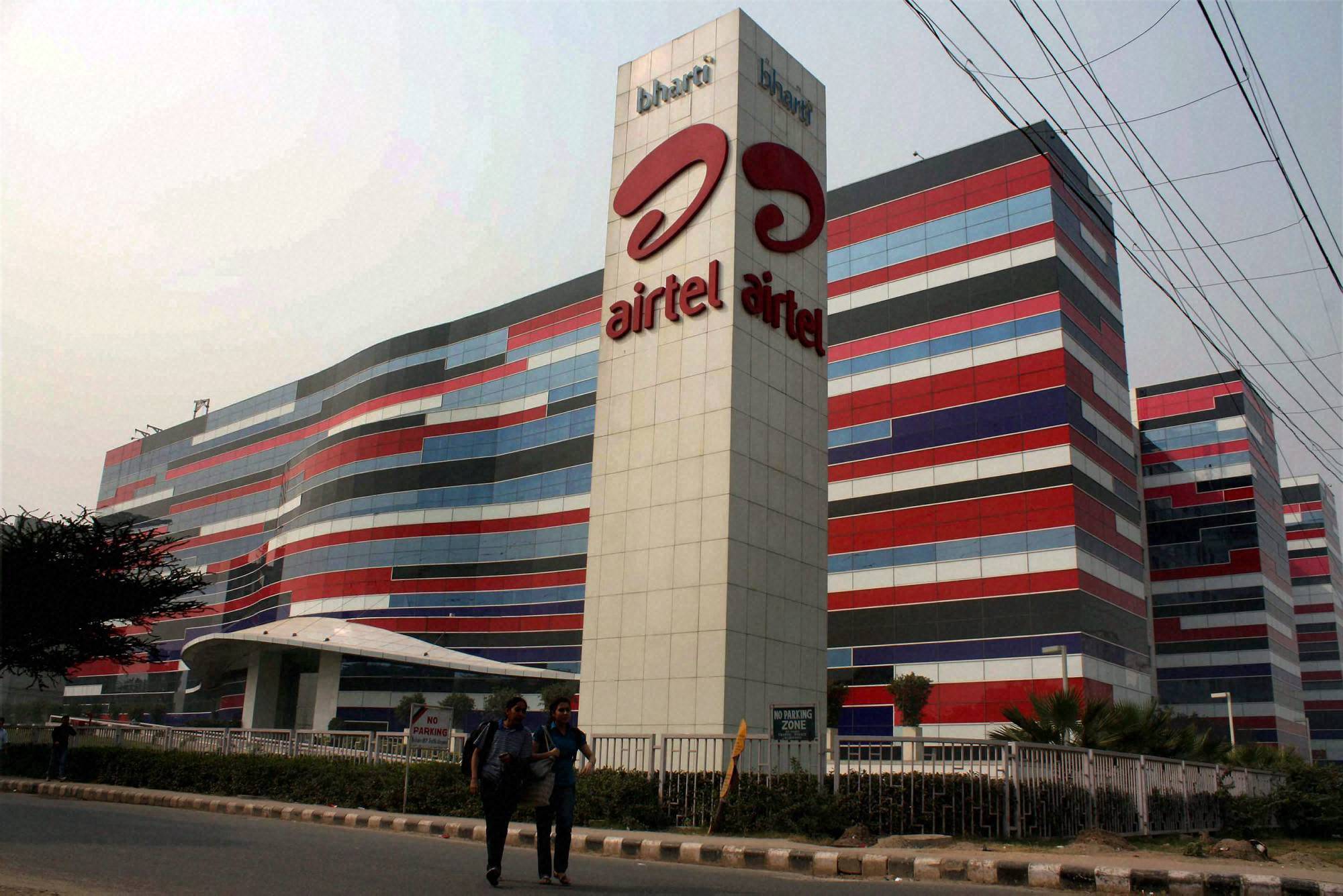
Bharti Airtel has crossed 650 million mobile subscribers worldwide to emerge as the world’s second-largest telecommunications firm.
The Indian company has operations in several countries, including Nigeria, where it has continued to scale infrastructure at a pace unmatched in its recent history.
Over the past three years, the telco has increased its national site count from just above 13,000 to nearly 17,200 sites, including more than 1,560 added in the last 12 months.
This expansion deepens capacity in high-demand corridors and extends high-speed coverage to previously underserved regions.
The latest industry data from the Nigerian Communications Commission (NCC) underscores the significance of this growth. As of December 2025, Nigeria recorded 145,141 base stations across 2G, 3G, 4G and 5G layers.
Of this national infrastructure, Airtel accounts for 46,918 base-station layers, reflecting its substantial contribution to the country’s radio access network and its push to absorb rising data consumption.
Nearly 99 per cent of Airtel Nigeria’s sites are now 4G-enabled, positioning the operator as one of the few with a near-ubiquitous high-speed broadband footprint. Thousands of sites have been upgraded for capacity in the past year alone, enabling improved speeds and more stable performance during peak usage.
That expansion underpins Nigeria’s rising internet adoption. According to the latest regulator figures, Nigeria’s internet penetration recently climbed above 50 per cent, with Airtel recording among the largest monthly increases in new internet subscribers, driven by network upgrades across states and rural corridors.
Strategic Connectivity and Redundancy
Airtel is also tackling a critical infrastructure challenge for the Nigerian digital economy: reliance on a single international internet gateway. The company is advancing plans for its second submarine cable internet breakout point at Kwa Ibo in Akwa Ibom State, early in the 2Africa cable system rollout, to provide faster and more resilient national connectivity across regions. This significant investment aligns with global best practices in network diversity and redundancy, ensuring a more stable digital experience for consumers and enterprises alike.
Digital Finance at Scale: SmartCash
Airtel’s digital finance arm, SmartCash, has gained traction in Nigeria’s competitive mobile money ecosystem, now serving over 3 million active users. The platform is supported by an expansive agent network and digital services that lower barriers for everyday financial transactions and savings.
Outstanding Human Touch: Retail Reach
Across Nigeria, Airtel’s retail distribution network stands as one of the sector’s most extensive, with approximately 4,000 exclusive outlets bringing services, support, and products closer to customers in small towns, communities, and high-traffic urban hubs. That footprint drives both access and engagement in a market where localised presence remains a competitive differentiator.
As Nigeria’s digital economy continues to evolve, Airtel is committed to sustained innovation — from expanded fibre backbones and advanced mobile broadband to future-ready services that include satellite-enabled solutions and enterprise-grade digital platforms. These efforts help ensure that connectivity, commerce, and creativity thrive across Nigeria and beyond.

By Adedapo Adesanya
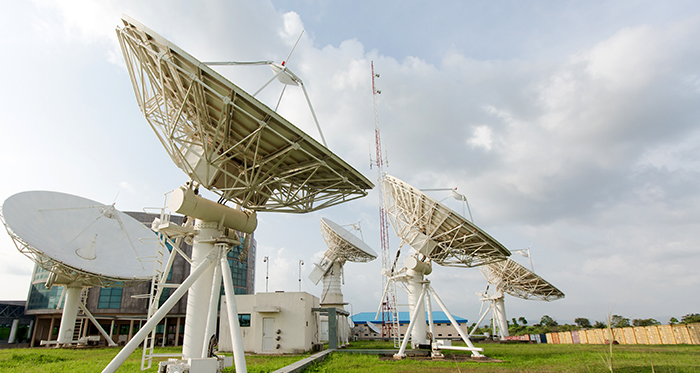
Nigeria has set 2028 and 2029 as the timeline for the deployment of its new satellites, NIGCOMSAT-2A and 2B, respectively.
The Managing Director of NIGCOMSAT, which is Nigerian Communications Satellite Limited and the premier satellite operator in Nigeria, Mrs Jane Nkechi Egerton-Idehen, disclosed this at the second Nigerian Satellite Week in Abuja on Monday. She noted that the development is expected to boost military intelligence, surveillance, and regional connectivity.
“For 2A and 2B, we have started the process. We have closed the tender and are now back into the financing and implementation stage. 2A is built to come up in 2028, and 2B for 2029.
“When they are up and running, they are expected to provide security within the borders and neighbouring countries. They will support the security agencies because data collection and intelligence in real time is important. Satellites like communication satellites allow that, irrespective of where they are,” she said.
In his remarks, the Minister of Communications and Digital Economy, Mr Bosun Tijani, said the satellites form part of the nation’s strategy to strengthen digital infrastructure.
Mr Tijani explained that the satellites will complement ongoing investments in 90,000 kilometres of fibre-optic cable and nearly 4,000 telecom towers, which are being rolled out nationwide and extended to neighbouring countries, including Cameroon, Niger, Chad, Burkina Faso, and the Republic of Benin.
He stressed that satellite technology is critical for national development, affecting education, agriculture, business, and emergency response.
“The president’s approval of NIGCOMSAT-2A and 2B demonstrates a clear commitment to building the future. These satellites will enhance security, connect remote communities, and extend our fibre-optic network into neighbouring countries,” he said.
“Some of these neighbouring countries pay up to ten times more for internet capacity than Lagos. Extending our fibre network will not only improve connectivity but also enhance border security and regional collaboration.
“Satellite technology affects everything, from how a child in a rural community accesses the internet to how farmers make critical decisions and how businesses operate across distance,” the Minister said.
Also speaking, the Chief of Army Staff (COAS), Lieutenant General Waidi Shaibu, welcomed the development, saying the military will leverage the satellites for operational efficiency.
“The Nigerian Army will continue to use space assets to improve intelligence gathering, surveillance, and operational coordination across all theatres of operation,” he said at the event, represented by Major General Kennedy Osemwegie, Commander of the Nigerian Army Cyber Warfare Command (NACWC).
By Modupe Gbadeyanka
A partnership to advance digital payments and financial inclusion across East Africa has been strengthened between Interswitch and KCB Group.
Both parties have agreed to expand digital payment infrastructure and deliver innovative financial solutions that meet the evolving needs of individuals, businesses, and institutions across the region.
The aim is to accelerate seamless, secure, and inclusive digital payments in East Africa, where the leading Africa-focused integrated payments and digital commerce enabler, Interswitch, recently announced an expansion of Verve card acceptance footprint, leveraging its consolidated partnership with KCB Group, Kenya’s largest financial services group by assets, following a similar move in Uganda through the local KCB Franchise in February 2022.
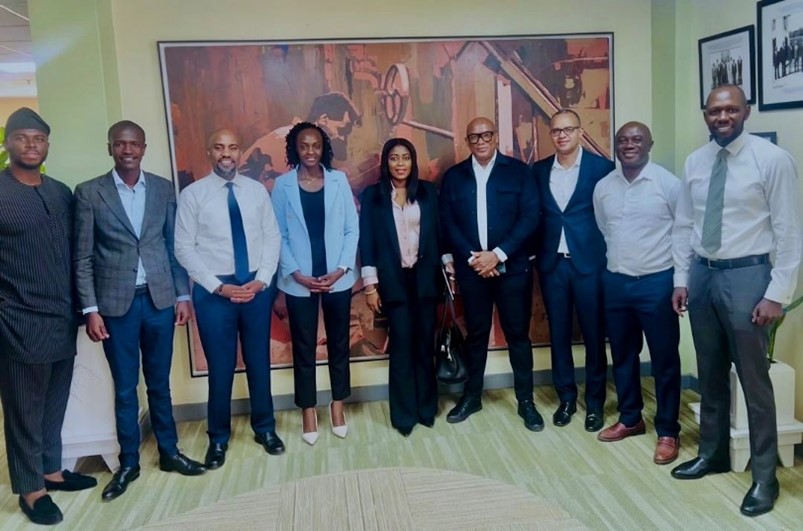
During a recent executive engagement at KCB Group headquarters in Nairobi, the chief executive of Interswitch, Mr Mitchell Elegbe, held high-level discussions with KCB leadership, including its chief executive, Paul Russo.
At the core of the strengthened collaboration is the integration of Interswitch’s robust payment rails, card scheme, and emerging digital token solutions with KCB Group’s expansive regional footprint and trusted banking franchise.
This integration enables the acceptance of Verve cards and tokenised payment solutions across KCB’s extensive merchant point-of-sale network in Kenya and Uganda, significantly enhancing everyday usability for customers while strengthening KCB’s digitally driven retail payments offering.
The consolidated partnership is expected to drive increased merchant acquisition, improve interoperability across payment ecosystems, and expand access to secure, cashless transactions. It also reinforces both organisations’ shared objective of deepening financial inclusion and accelerating digital commerce across East Africa.
“Our collaboration with KCB Group represents a powerful alignment of vision and capability. By combining our technology-driven payment solutions with KCB’s strong regional presence, we are unlocking new opportunities to scale access, drive innovation, and deliver greater value to customers across East Africa,” Mr Elegbe stated.
-
 Feature/OPED6 years ago
Davos was Different this year
-
Travel/Tourism10 years ago
Lagos Seals Western Lodge Hotel In Ikorodu
-

 Showbiz3 years ago
Estranged Lover Releases Videos of Empress Njamah Bathing
-
 Banking8 years ago
Sort Codes of GTBank Branches in Nigeria
-

 Economy3 years ago
Subsidy Removal: CNG at N130 Per Litre Cheaper Than Petrol—IPMAN
-

 Banking3 years ago
Sort Codes of UBA Branches in Nigeria
-

 Banking3 years ago
First Bank Announces Planned Downtime
-

 Sports3 years ago
Highest Paid Nigerian Footballer – How Much Do Nigerian Footballers Earn