Technology
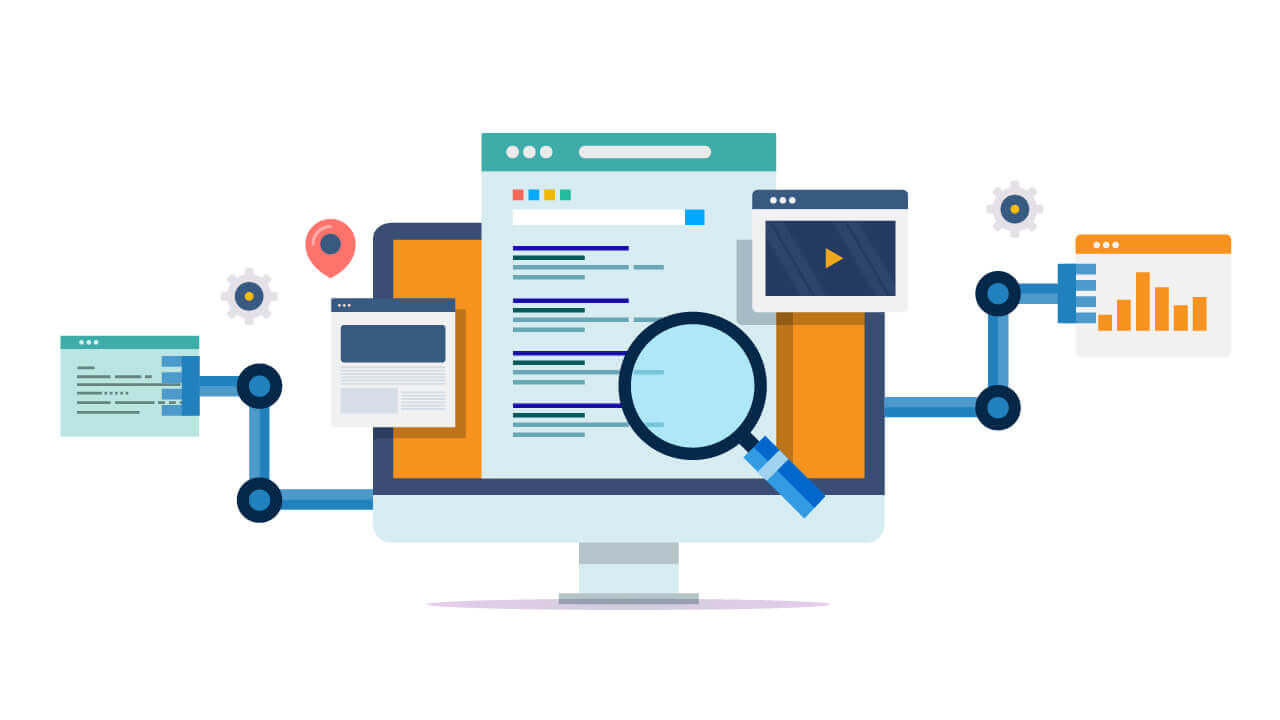
AI-Based Test Automation Tools: Shaping the Future of Software Testing
In the dynamic landscape of software development, things are changing fast for the betterment of everyone. DevOps, Agile, Continuous Testing, TestOps, DevTestOps, all these practices are taking product quality to a new peak every day.
The emergence of AI-based test automation tools marks a pivotal shift towards more intelligent, efficient, and reliable testing processes. These tools are not mere enhancements to traditional testing methods; they are revolutionizing the way developers and testers approach software quality assurance.
By harnessing the power of artificial intelligence, these tools are addressing some of the most pressing challenges in software testing, offering innovative solutions that were once thought impossible.
Adaptive Test Maintenance
Maintaining test scripts and cases is a constant challenge in traditional test automation, often requiring significant manual effort as applications evolve. AI-based test automation tools shine in this area by offering adaptive test maintenance. These tools can automatically update and modify test scripts as changes occur in the application, significantly reducing the manual workload and ensuring that tests remain relevant and effective. This adaptability not only saves time but also increases the overall robustness of the testing process.
Integration with DevOps and Agile Methodologies
Integrating AI-based test automation tools with DevOps and Agile methodologies creates a more seamless and dynamic software development lifecycle. These tools can swiftly adapt to changes and updates, providing immediate feedback to developers. This integration ensures that testing is not a bottleneck but a facilitator of rapid development cycles, aligning perfectly with the goals of Agile and DevOps practices.
This unity not only speeds up the release cycle but also ensures that the quality is maintained, even with frequent and incremental changes.
Enhancing User Experience Through AI
Beyond just identifying bugs and technical issues, AI-based test automation tools are increasingly focusing on enhancing user experience. By analyzing user behavior patterns and feedback, AI algorithms can simulate real-world user interactions to test different aspects of the application, such as usability, accessibility, and responsiveness. This approach ensures that the software is not only technically sound but also aligns with user expectations and preferences.
Bridging the Skill Gap
The complexity and sophistication of AI-based test automation tools necessitate a new set of skills in the software testing community. There is a growing demand for professionals who understand both the nuances of software testing and the intricacies of AI and machine learning.
To bridge this skill gap, organizations and educational institutions are offering specialized training and courses. These initiatives are crucial in preparing the current and future workforce to effectively utilize AI in software testing, ensuring that the industry can fully leverage the benefits of these advanced tools.
Conclusion
AI-based test automation tools are not just reshaping the present landscape of software testing; they are paving the way for a future where testing is more intelligent, efficient, and aligned with user needs. As these tools continue to evolve and integrate with methodologies like DevOps and Agile, they offer a promising outlook for the software development industry.
The journey towards more advanced AI-driven testing is an exciting one, filled with opportunities for growth, improvement, and the delivery of software that not only meets but exceeds expectations.
Technology
19 Startups Pitch Solutions to Investors, Others at Demo Day in Ilorin
By Modupe Gbadeyanka
Nineteen emerging startups are being showcased at the 2026 Demo Day organised by the Ilorin Innovation Hub in partnership with IHS Nigeria, a part of IHS Holding Limited, also known as IHS Towers.
The participating small firms took part in the hub’s accelerator and incubation programmes. At this event, themed The Convergence, they will pitch their solutions to investors, venture capital funds, corporate partners, and the media.
The platform would be used to help them unlock funding opportunities, foster strategic collaborations, and amplify visibility for these startups that are developing solutions across critical sectors, including agriculture, health-tech, green energy, lifestyle, and digital services.
“We believe innovation and digital technology are powerful drivers of economic growth and sustainable development. This is why we partnered with the Kwara State Government on the Ilorin Innovation Hub.
“It is impressive and very fulfilling to see the diverse portfolio of ideas and solutions showcased today from the hub within a year of the commencement of operations. This speaks to the depth of creativity among Nigerians and what is possible when they are equipped and supported.
“Today’s event makes me proud of our investment in the space and underscores IHS Nigeria’s continued commitment to supporting technology, entrepreneurship, and digital innovation in Nigeria,” the chief executive of IHS Nigeria, Mr Mohamad Darwish, said.
The Managing Director of Ilorin Innovation Hub, Temi Kolawole, also said, “Today, we showcase 19 startups that have shown that when you combine talent with the right support, the results speak for themselves.
“The Ilorin Innovation Hub exists to ensure that geography is never a barrier to building something extraordinary, and this Demo Day is proof that we are on the right track.”
The Ilorin Innovation Hub, a partnership between the Kwara State Government and IHS Nigeria, began operations in February 2025 with programmes managed by Co-creation Hub and Future Africa.
The Demo Day presents an opportunity to take stock and assess how the Ilorin Innovation Hub is helping to nurture and bring to life groundbreaking ideas and solutions supporting economic resilience and addressing real-world societal challenges.
Technology
Lagos Tightens Cyber Defences to Attract Investment, Protect Businesses
By Adedapo Adesanya
The Lagos State Government has released a set of cybersecurity guidelines to enhance digital safety for businesses, public institutions, and residents in the state, which is home to thousands of enterprises.
A statement by the State’s Commissioner, Information and Strategy, Mr Gbenga Omotoso, noted that the development represents another decisive step in Lagos’ mission to become a secure and globally competitive digital hub.
The National Information Technology Development Agency (NITDA) estimates that Nigeria loses over $500 million (approximately N250 billion) annually to cybercrime, underscoring the urgency for stronger, coordinated security measures.
Lagos’s rapid evolution into a SMART City heightens vulnerability to cyber threats, Omotosho noted, adding that the newly issued guidelines outline clear, practical, and scalable cybersecurity best practices for small businesses, medium and large enterprises, and Ministries, Departments, and Agencies (MDAs).
They are aligned with key national frameworks, including the Cybercrime Act (2024), the Nigeria Data Protection Act (2023), and the National Cybersecurity Policy and Strategy (2021).
According to the guidelines, these recommendations are not regulatory mandates but tools designed to empower stakeholders with practical, context-specific guidance.
The Lagos State Government reaffirmed its commitment to fostering a secure digital environment that promotes innovation, investment, and public trust.
“The guidelines further strengthen Lagos State’s leadership in advancing digital trust and building a resilient, future-ready digital economy.
“The Government praised the Lagos State Cybersecurity Advisory Council, chaired by Prof. Fene Osakwe, for its strategic leadership and technical expertise in developing the framework.
“The release of these guidelines underscores Lagos State’s unwavering dedication to safeguarding digital assets, enhancing public-private collaboration, and ensuring that every organisation—from sole proprietorships to multinational corporations—can operate confidently in a secure digital environment.
“As the document highlights, A cybersecure Lagos is essential for sustaining its position as one of the most dynamic and globally competitive tech hubs of the 21st century”, the statement added.
The Lagos State Government said it will continue to refine and expand the guidelines to address emerging threats and evolving technologies, ensuring that cybersecurity remains a foundational pillar of the State’s digital transformation.
Technology
Zoho Nigeria Champions Women’s Digital Empowerment at Guardian Women Festival
By Modupe Gbadeyanka
The urgent need to bridge the digital gap for female entrepreneurs has again been emphasised by the Country Head of Zoho Nigeria, Mr Kehinde Ogundare.
Speaking at the Guardian Woman Festival held at the Federal Palace Hotel in Lagos recently, Mr Ogundare stressed that technology does not replace the strengths women already bring to business, such as relationship building and community engagement, but instead, it amplifies them, enabling entrepreneurs to reach wider audiences and scale more efficiently.
“The difference is not talent. Not capital. Not ambition. It is digital adoption,” he said during his keynote address titled Give Value, Gain Growth: Women Driving Reciprocal Innovation in the Digital Economy.
“Smart tools create smart businesses. Smart businesses create strong economies. When women entrepreneurs and leaders have access to the right tools, the possibilities for growth are limitless,” he added.
Zoho Nigeria partnered with Guardian Newspapers for the event as part of activities to mark a month-long initiative celebrating women’s contributions to business, governance, and social development while promoting digital empowerment for female entrepreneurs.
The Guardian Women Festival, themed Reciprocity, was to encourage the exchange of value, networks, and digital innovation to strengthen women-led businesses and foster collaboration.
While Nigeria has the highest concentration of women-owned businesses in Africa, fewer than 30 per cent currently use digital tools to manage or grow their operations.
During the festival’s panel session tagged Women in the Business of Digital Innovation, the Sales Manager for Zoho Nigeria, Ms Zubaida Aliyu, highlighted how women are uniquely positioned to create shared value in digital spaces by building platforms that encourage knowledge sharing, mentorship, and collaboration.
She also challenged organisations that continue to view women’s digital inclusion primarily as corporate social responsibility rather than a strategic business priority.
“Tech creates a level playing field,” Ms Aliyu said, noting that digital platforms remove limitations related to location and infrastructure size.
Addressing organisations that overlook the economic value of inclusive digital strategies, she added, “They are leaving money on the table — they need to think of it as a strategy, not charity.”
Through its participation in the Guardian Woman Festival, Zoho reaffirmed its commitment to providing affordable and accessible enterprise-grade technology to businesses of all sizes. By helping women transition from manual effort to digital efficiency, Zoho aims to support entrepreneurs in building scalable enterprises and ensure their sustained success in Africa’s digital economy.
-
Feature/OPED6 years agoDavos was Different this year
-
Travel/Tourism10 years ago
Lagos Seals Western Lodge Hotel In Ikorodu
-
Showbiz3 years agoEstranged Lover Releases Videos of Empress Njamah Bathing
-
Banking8 years agoSort Codes of GTBank Branches in Nigeria
-
Economy3 years agoSubsidy Removal: CNG at N130 Per Litre Cheaper Than Petrol—IPMAN
-
Banking3 years agoSort Codes of UBA Branches in Nigeria
-
Banking3 years agoFirst Bank Announces Planned Downtime
-
Sports3 years agoHighest Paid Nigerian Footballer – How Much Do Nigerian Footballers Earn