
Travel/Tourism
Iceland Unveiled: Your Ultimate Guide to Top 9 Captivating Holiday Packages

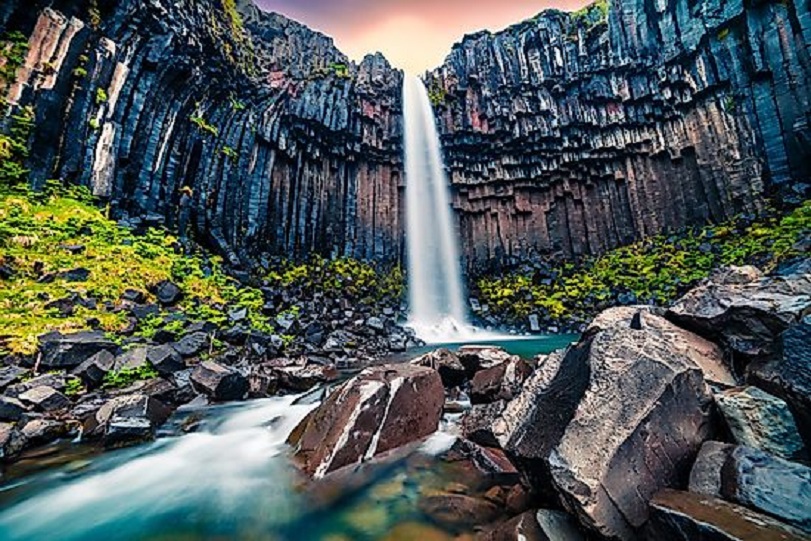
Iceland, a land of dramatic landscapes and otherworldly beauty, beckons adventurers from around the globe. Whether you’re drawn to the mesmerizing Northern Lights, the sizzling geothermal wonders, or the untamed wilderness, Iceland has something captivating for every traveller. The popularity of Iceland tours has surged in recent years, and it’s no wonder why. This article is your gateway to the top nine captivating holiday packages in Iceland, offering a diverse range of experiences that will leave you spellbound by the Land of Fire and Ice.
1. The Golden Circle: Classic Beauty and Beyond
The Golden Circle, one of Iceland’s most renowned tour routes, unveils the country’s classic beauty and beyond. Statistics show that this iconic circuit is a must-do for many Iceland tour enthusiasts.
Your journey along the Golden Circle will lead you to three standout attractions. First, you’ll explore the awe-inspiring Gullfoss waterfall, where thundering cascades plunge into a rugged canyon. Next, you’ll witness the geothermal wonders of Geysir Geothermal Area, home to the erupting Strokkur geyser and a landscape alive with bubbling mud pots. Lastly, you’ll visit the historic Thingvellir National Park, a UNESCO World Heritage Site and the site of Iceland’s ancient parliament. The Golden Circle offers a blend of natural wonders, cultural heritage, and geological marvels, making it a captivating introduction to Iceland’s treasures.
2. The Blue Lagoon: Geothermal Serenity
The Blue Lagoon, a world-famous geothermal spa, beckons travellers with its soothing waters and surreal landscapes. Research findings indicate that this captivating destination is a must-visit on any Iceland tour.
As you soak in the Blue Lagoon’s mineral-rich waters, you’ll feel the stresses of everyday life melt away. The lagoon’s vibrant blue hues are a striking contrast to the surrounding black lava fields, creating an otherworldly ambience. The therapeutic properties of the lagoon’s waters are renowned, with silica mud masks available for an indulgent spa experience. Whether you visit during the serene daylight hours or under the ethereal glow of the midnight sun, the Blue Lagoon is a geothermal oasis that promises relaxation and rejuvenation.
3. The Northern Lights: A Celestial Spectacle
The Northern Lights, or Aurora Borealis, is one of Iceland’s most sought-after natural wonders. Statistics show that travellers flock to Iceland in the hope of witnessing this celestial spectacle.
To increase your chances of experiencing the Northern Lights, consider booking a specialized tour. These tours are led by experienced guides who use their expertise to track the auroras and find the best viewing spots. The dancing colours of the Northern Lights against the dark Arctic sky are a sight that will stay with you forever. While the Northern Lights are a natural phenomenon and not guaranteed, the anticipation and the moment they appear are part of the allure. An Iceland tour that includes a Northern Lights experience promises an unforgettable encounter with the magic of the night sky.
4. South Coast Marvels: Waterfalls, Black Beaches, and Glaciers
The South Coast of Iceland is a treasure trove of natural wonders that captivate travellers year-round. Research findings indicate that the South Coast is a favourite destination for those seeking stunning landscapes.
This Iceland tour will take you to Seljalandsfoss, a waterfall you can walk behind for a unique perspective. Nearby, Skogafoss impresses with its powerful cascade and the legend of hidden treasure behind it. The black sand beaches of Reynisfjara, with their towering basalt columns, provide a dramatic coastal backdrop. You’ll also explore the Skaftafell region within Vatnajokull National Park, home to the immense Vatnajokull Glacier. Adventurous spirits can even add a glacier hike to their itinerary. The South Coast offers a feast for the senses, with a diverse array of sights and experiences that will leave you in awe.
5. The Landmannalaugar Highlands: Hiking and Hot Springs
The Landmannalaugar Highlands is a remote and captivating destination in the heart of Iceland’s wilderness. Statistics reveal that this rugged area has become increasingly popular among hikers and outdoor enthusiasts.
An Iceland tour that includes Landmannalaugar promises a journey into the raw beauty of the Icelandic Highlands. Here, you can embark on exhilarating hikes through colourful rhyolite mountains, steamy geothermal fields, and rugged canyons. After a day of exploration, soak in the soothing natural hot springs that dot the landscape, providing relaxation amidst the untamed wilderness. The Landmannalaugar Highlands offer a true escape from civilization, immersing you in a world of geothermal wonders and breathtaking vistas.
6. The Jokulsarlon Glacier Lagoon: Glacial Elegance
Jokulsarlon Glacier Lagoon, often dubbed the ‘Crown Jewel of Iceland,’ is a glacial wonderland that draws travellers in search of icy elegance. Research findings indicate that this captivating lagoon is a top attraction on Iceland tours.
As you stand along the lagoon’s shoreline, you’ll witness massive icebergs breaking free from the nearby Vatnajokull Glacier and floating gracefully towards the sea. The lagoon’s tranquil waters reflect the brilliant blue of the ice, creating a mesmerizing spectacle. A boat tour of the lagoon allows you to get up close to the icebergs and hear the sounds of crackling ice. The nearby Diamond Beach, with its glistening ice chunks washed ashore, adds to the glacial enchantment. Visiting Jokulsarlon Glacier Lagoon is an opportunity to witness the elegance of nature’s frozen artistry.
7. The Westman Islands: Volcanic Marvels and Puffin Paradises
The Westman Islands, or Vestmannaeyjar, are an archipelago off the southern coast of Iceland, known for their dramatic landscapes and abundant puffin colonies. The statistics indicate that these islands offer a rich natural and cultural tapestry waiting to be explored.
Visitors to the Westman Islands can hike to the top of Eldfell, a volcano that erupted in 1973 and shaped the island’s landscape. The panoramic views from the summit are a testament to the island’s fiery history. Additionally, the Westman Islands are home to one of the largest puffin colonies in the world, making them a paradise for birdwatchers. As you explore the islands, you’ll witness the interplay of volcanic forces and the resilience of nature, all while surrounded by the stunning beauty of the North Atlantic Ocean.
8. The East Fjords: Serenity and Seabird Sanctuaries
The East Fjords of Iceland offer a remote and tranquil escape, far removed from the hustle and bustle of the more popular tourist destinations. Statistics reveal that this region is a serene haven for nature enthusiasts.
As you explore the East Fjords, you’ll encounter a landscape of fjords, fishing villages, and untouched wilderness. The region is known for its abundant birdlife, with puffins, kittiwakes, and other seabirds nesting along the cliffs. Hiking trails crisscross the fjords, offering opportunities to discover hidden waterfalls, serene lakes, and breathtaking viewpoints. The East Fjords provide a serene retreat where you can connect with nature, take in the mesmerizing beauty of the coastline, and savour the tranquillity of this less-travelled part of Iceland.
9. The Reykjanes Peninsula: Geothermal Marvels and Lava Fields
The Reykjanes Peninsula, located southwest of Reykjavik, is a land of stark contrasts and rugged beauty. Research findings suggest that this region is still relatively unexplored, offering a unique adventure for those who venture here.
The Reykjanes Peninsula is home to the Krysuvik geothermal area, characterized by bubbling mud pots and steaming vents. The otherworldly landscape resembles something from a science fiction film. Nearby, you can explore the Gunnuhver geothermal area, named after a mischievous ghost said to reside there. The peninsula is also known for its dramatic coastline, with cliffs and lava formations creating a dramatic contrast against the North Atlantic Ocean. The Bridge Between Continents, a footbridge spanning the gap between the North American and Eurasian tectonic plates, is another unique attraction. As you traverse the rugged beauty of the Reykjanes Peninsula, you’ll encounter a land of geological marvels and untamed landscapes.
Conclusion
Iceland’s captivating holiday packages offer a diverse range of experiences that cater to every traveller’s interests. Whether you’re chasing the Northern Lights, exploring glacial wonders, or hiking through remote wilderness, an Iceland tour promises unforgettable adventures in one of the world’s most enchanting destinations. With its stunning landscapes, rich culture, and captivating natural phenomena, Iceland is an adventurer’s paradise waiting to be unveiled.



The manner in which international travel and digital entertainment intersect has experienced a massive transformation in the current year. As the volume of international travel continues to rise to unprecedented levels, the technological potential to access a 1xbet giriş from any point in the world has become the benchmark by which the efficacy of a given system or network should be judged. In 2026, more than 65% of international travel hubs have completely integrated standalone 5G connectivity, providing the environment that is required to enable high-stakes sports viewing. This means that regardless of the position that the sports aficionado finds themselves in, at the top of a mountain or at the coast, the nature of the information that flows will remain the same. The modern-day traveler expects nothing but the best, and that includes the manner in which they will be able to engage with the digital hobbies that they have been able to cultivate during the course of the year.
The way in which the experience is felt has also been improved through the efficiency of the software that is used to power the mobile experience. If the user has opted to install the 1xbet apk file on the 2026 flagship device, the user is able to experience the new “Travel-Adaptive” coding that reduces the background data usage by 30% when traveling internationally. This is an important aspect of the experience because the user may find themselves in transit for an extended period of time without the ability to plug in and charge the device. As the statistics show for the first half of the year, the user of the mobile The application is able to experience a 25% reduction in data usage when traveling compared to the user who makes use of the mobile web browser in order to experience the sports entertainment the user has grown accustomed to. It is a more relaxed experience where the main aspect is the thrill of the game.
The Role of Mobile Betting in Modern Tourism
It should be noted that the modern betting process concerning sports is considered to be one of the most effective ways to get entertained during a long flight or when staying at the airport. Mobile betting is considered to be a unique opportunity for a tourist not just to view a sporting event, but also to become an active participant of that sporting event that is taking place on the other side of the world. Thanks to the speed of modern applications, it is possible for a tourist to react immediately to the changes in the score and adjust the predictions accordingly during an excursion or when staying by the pool. Such an event is considered to be an adventure in bright colors.
Apart from the entertainment that such modern platforms offer, they also present a great number of analytical data that allows the tourist to get engaged in the process. One of the main purposes of such tourism is to get satisfaction from the accuracy of one’s prediction, as well as competition. Such platforms pay great attention to the safety issues, reminding the tourist that “betting should be an additional positive experience of your trip.”
Network Benchmarks for the Connected Traveler
The sports enthusiast who is always on the go would find that the line which separates an enjoyable experience from an unenjoyable experience of sports betting is measured in mere milliseconds. In fact, the world average of mobile latency for tourist destinations has been reduced to mere 16ms in 2026, which is an important consideration for sports enthusiasts who enjoy sports betting for games such as tennis and basketball.
The table below shows the current standards for mobile network performance for the most prominent tourist destinations around the world:
| Network Metric | Global Average 2026 | Satisfaction Rate | Primary Use Case |
| Download Speed | 195.6 Mbps | 88 percent | High-definition streaming |
| Signal Latency (5G) | 16 ms | 92 percent | Real-time Live updates |
| Roaming Cost | 1.15 USD / GB | 74 percent | Continuous background sync |
| App Load Time | 1.8 seconds | 85 percent | Rapid market entry |
| Connection Stability | 99.8 percent | 91 percent | Uninterrupted viewing |
As per the latest research findings on the subject by the research company named Statista, it has been identified that the need for high-speed mobile data for the tourists is rising by an increase of 40%. This is mainly because the tourist would like to experience a form of ‘multi-layered’ entertainment. The definition of ‘multi-layered’ implies that the sports enthusiast would like to view a live streaming event, access his or her social media account, and place a friendly bet on the event simultaneously. Therefore, as long as this infrastructure is in place, this would thrive.
The Evolution of Mobile Betting as Travel Leisure
In the year 2026, mobile betting for sports would be considered a fun way of spicing up the entire travel experience. This is because it would be able to provide a new dimension to a sporting event that an individual is witnessing while traveling in a pub or a train. It would be able to provide individuals with a way of having a personal stake in a world event. Thus, the hours that an individual spends in a train or an airport would be able to pass quickly with a fun way of gamification of sports viewing.
In the year 2026, modern mobile betting has turned out to be a full-fledged way of socializing for travelers. This is because many individuals use the co-watching features of the application and group betting features of the application in order to compete with their friends back home or connect with other sports fans of the sport that they are watching while visiting pubs around the world. It is because it would be able to provide individuals with a new dimension of traveling. It is no longer just about traveling to a new destination; it is about becoming part of a new world community where talking about the probabilities of winning or forward performance of a team is considered to be the universal language of communication. It is no longer just about betting; it is about getting the rhythm of the world of sports wherever an individual is located—from the cozy European roads to the futuristic cities of Asia.
Popular Mobile Sports Activities for People on the Move
Individuals who travel in 2026 have managed to come up with their own ways of having fun through sports without missing out on their sightseeing targets. There has been a new trend of “micro-betting,” which refers to betting on a game that will happen in the near future.
The following is a list that points out the best mobile sports-related activities for traveling individuals for the current year:
- Predicting the total points scored in one quarter of the basketball game while in short transit stops.
- Tracking the sports player that is most likely to score the next goal in the football game while in a cafe.
- Determining the total number of games in one set in the tennis game while in downtime at a resort.
- Viewing the percentage of ball possession for a particular team through the use of graphical overlays.
- Predicting the exact number of free throws scored in a game while in downtime at a hotel.
The activities will be perfect for the downtime in the traveling schedule as they will provide the individual with a dose of excitement without making the individual glued to his/her screens for hours. This way, the individual will be able to appreciate the digital world as well as the beauty of the world he/she is in.
Security and Responsible Habits Abroad
However, with the introduction of mobile transactions during travel, the factor of security has been regarded as a major factor. In fact, in the current scenario, 94% of the total mobile sports platforms provide multi-factor biometric authentication. This means that the security of your account is ensured even when you are accessing the internet through a public source of internet connectivity, such as Wi-Fi. Moreover, the majority of the platforms provide “Smart Limits” that are location and time zone-based. In this way, an individual can develop a habit when they are traveling. All of this has been done in a way that the overall experience remains a positive one. This is because betting is something that an individual chooses for his or her entertainment.
The innovations in the field of technology, such as the introduction of technology through eSIM, allow an individual to remain connected. This means that an individual does not face “bill shock” when they are using roaming.

By Aduragbemi Omiyale
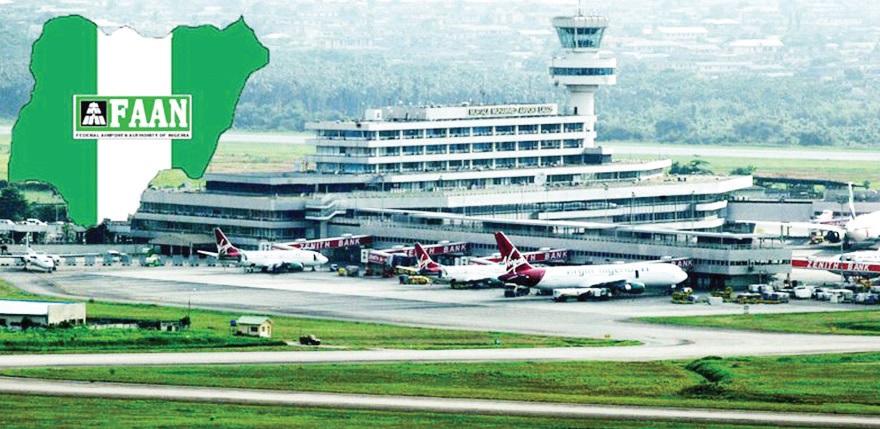
The federal government has directed the Federal Airports Authority of Nigeria (FAAN) to adopt a hybrid payment system that accommodates both cash and card payments at all airport access gates with effect from Friday, March 13, 2026.
This system is to be used until the introduction of a fully automated or electronic system at all access gates at the airports in order to fully and eventually eliminate cash payments.
In a statement on Tuesday, the Minister of Aviation and Aerospace Development, Mr Festus Keyamo, disclosed that these decisions were reached after reviewing the initial implementation and the operational challenges observed.
FAAN had earlier commenced an electronic payment system last week, but it was suspended by President Bola Tinubu due to the traffic gridlock it created.
Yesterday, the Aviation Minister met with officials of FAAN and senior officials of the Ministry, and it was agreed to engage concessionaires for the introduction of a fully automated or electronic system.
Mr Keyamo, in the statement signed by his Special Adviser on Media and Communications, Mr Tunde Moshood, said motorists who already possess FAAN Go Cashless Cards may continue to use them until further notice.
It was also resolved that other electronic payment options, including POS terminals and other approved digital channels, will also remain available, while members of the public and road users were encouraged to obtain and use the FAAN Go Cashless Card as the organisation continues to enhance and fully optimise the cashless payment system.
By Aduragbemi Omiyale
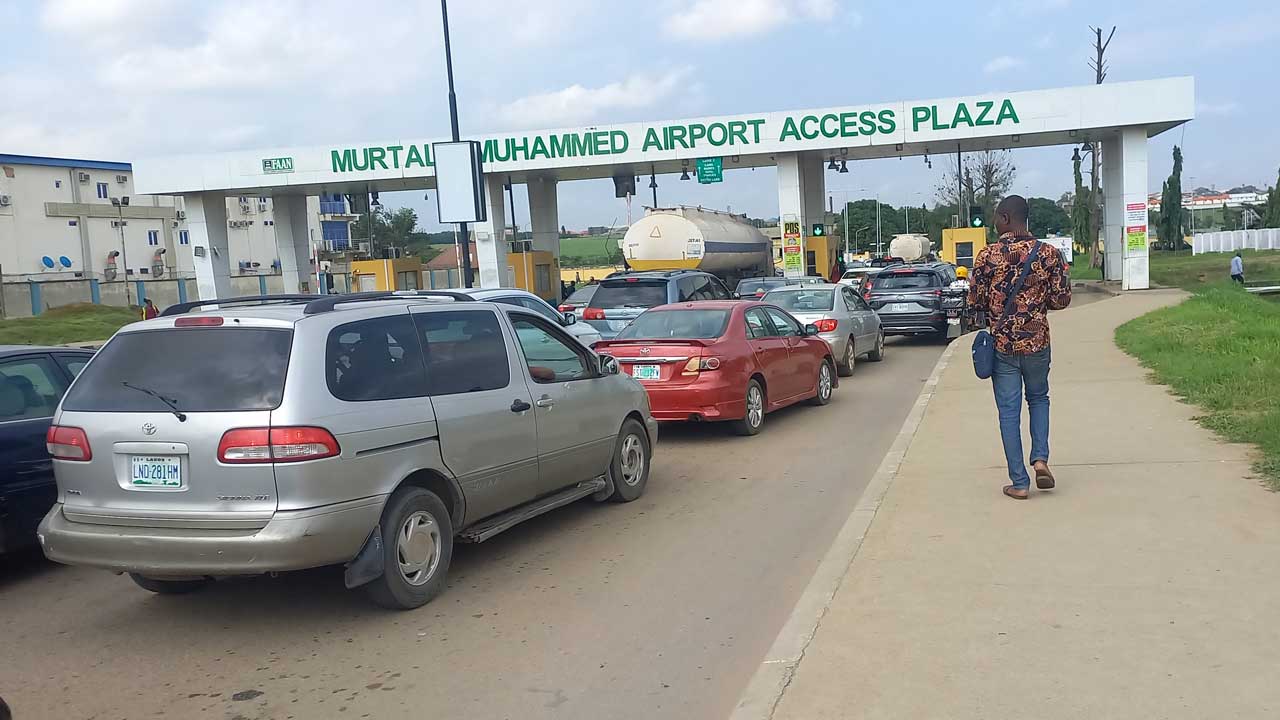
The cashless airport toll gate payment system introduced by the Federal Airports Authority of Nigeria (FAAN) has been suspended by President Bola Tinubu.
At the Federal Executive Council (FEC) meeting held on Wednesday in Abuja, Mr Tinubu directed the agency to immediately return to the status quo, pending the development of a more efficient system.
The Minister of Aviation and Aerospace Development, Mr Festus Keyamo, who announced the suspension after the FEC meeting today, said the action followed gridlock that trailed the new system, which caused passengers to miss their flights.
FAAN had commenced the cashless payment system for airport toll gates across the country in a bid to block revenue leakages and adopt an electronic payment system instead of cash.
But this policy caused traffic gridlock at several airports, especially those in Lagos and Abuja.
“Mr President was very concerned about the welfare of Nigerians and the fact that most Nigerians were losing their flights, missing their flights.
“So, Mr President, out of empathy, directed today that we should suspend the present system because it creates a lot of gridlock, and Nigerians are suffering as a result of it,” Mr Keyamo informed newsmen.
“The major reason why Mr President took this decision is to eliminate the present gridlock that we are experiencing, especially at both the Lagos and Abuja toll gates leading to the airport.
“That’s the major reason, not that the President is happy with the cash system,” he added.
The Minister further said the President directed stakeholders to “go back and, if possible, even engage the private sector to ensure that we establish an electronic system by which we can collect these revenues for the federal government at the gates, to the extent that it will not create the gridlock that we are having right now.”
“We are going to do a hybrid system whereby we can collect cash temporarily and, of course, use the cards that they have collected temporarily for now,” Mr Keyamo added.













-
 Feature/OPED6 years ago
Davos was Different this year
-
Travel/Tourism10 years ago
Lagos Seals Western Lodge Hotel In Ikorodu
-

 Showbiz3 years ago
Estranged Lover Releases Videos of Empress Njamah Bathing
-
 Banking8 years ago
Sort Codes of GTBank Branches in Nigeria
-

 Economy3 years ago
Subsidy Removal: CNG at N130 Per Litre Cheaper Than Petrol—IPMAN
-

 Banking3 years ago
Sort Codes of UBA Branches in Nigeria
-

 Banking3 years ago
First Bank Announces Planned Downtime
-

 Sports3 years ago
Highest Paid Nigerian Footballer – How Much Do Nigerian Footballers Earn