Connect with us

Travel/Tourism

Kenya Holidays From Nigeria –How to Plan the Best Safari

Published

on

Kenya Holidays

Are you looking to go on Kenya Holidays from Nigeria? Here is a simple guide to a fantastic fun-filled, hassle-free safari to Kenya.

Holidays are not an everyday event. They come once in a lifetime, and you don’t just wake up one day and head on a tour.

It’s something that requires planning way in advance and some bit of research if that dream vacation is anything to go by.

However, planning where to travel, time to travel, and the type of trip can be daunting. Here is where the travel agencies come into play. Although you have to part with a few dollars, they make everything look beautiful.

I’ve had a chance to explore several tourist destinations on this planet, but my Kenya holiday from Nigeria has remained the most fascinating. Why? You shall find out later in this piece.

If you’ve travelled to Kenya, you can bear me witness that it is a country of great diversity, both physically and culturally.

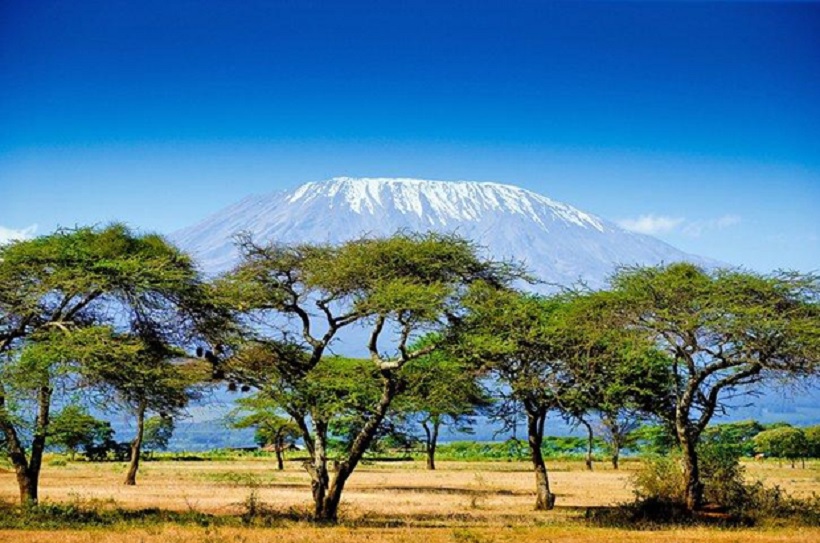
From blissful Indian Ocean beaches and rugged mountains to wildlife-rich savannas, there are endless beautiful places to visit.

Out of my successful trips to Kenya for my Holidays, I’ve decided to share some tips on how to plan the best Kenya safari from Nigeria.

When Should I Go on Kenya Holiday from Nigeria?

When researching the best time to plan my holiday in Kenya, I realized that the tourist seasons are divided into three categories: shoulder season, low season, and peak season.

Shoulder Season

This is the short rain period which runs from November to March. Generally, November and December experience some rain while January to March experiences little or no rain, with hot weather.

The grass is low, allowing you to have a clear view of the wildlife and newborns grazing in the vast savannas. Also, you experience migratory birds during this period.

The parks and hotels are less crowded, giving you space to enjoy every minute of your tour.

I feel that this is one of the best periods to slot your vacation, and you can be sure to get value for your money.

However, the other two seasons also come with unique experiences that could also interest you. I learned that the best thing is to experience all seasons, and the unfortunate bit is that you’ll never get enough of Kenya Holiday packages.

Low Season

This period falls between April and June when the country experiences long rains. Rains are good but definitely will make your holiday messy.

This is when rivers break their banks, and it gets challenging to access some parks. Due to rains, the grass is very tall, and it poses a challenge to spot the wildlife.

Everything has its good and bad side. Despite the challenges encountered during this season, it has its unique wildlife experience.

Predators avoid the wet grass and remain on the walkways and driveways, and you can spot them with ease while on your safari drive.

Another plus is that the safari costs are relatively low, and those with a constrained budget can take advantage of low rates. Safaris during the wet season are best done using the 4×4 safari land cruisers.

However, those on a budget can still use the pocket-friendly safari van with a little bit of limitation when it comes to accessing muddy parts of the park. Smaller cars such as Nissan Note, Subaru Legacy and Mazda Axela are not allowed into the park during the wet season.

Peak Season

This period falls between July and October, just after the long rains. A perfect season for anyone planning to go on holiday to Kenya.

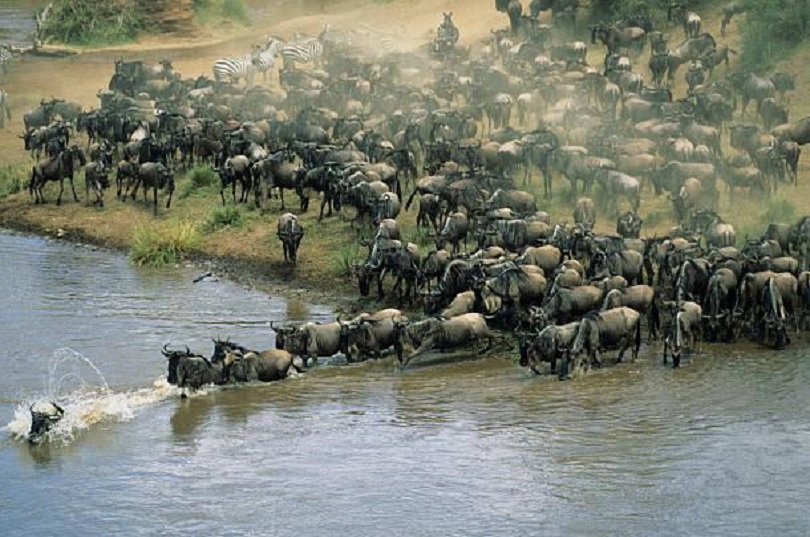
Could be you’ve heard or watched a documentary on the Great wildebeest migration. Kenya is where the real experience takes place.

During this season, more than two million animals (wildebeest, zebra, and gazelle) migrate across the ecosystems of Serengeti and the Masai Mara.

The migration is one of the world’s most spectacular displays of wildlife behaviour. It is a thrilling, intriguing, and marvellous sight that you cannot afford to miss.

Having understood each season next is to fix the date. Once you’ve set the date, the next question should be;

How Long Should Kenya Holiday Packages Last?

Well, the period of stay is dependent on many factors and may vary from one individual to the other.

The money you are willing and able to pay determines the period you spend on a holiday. A constrained budget means fewer days and fewer trips.

Also, work-related engagement may hinder you from enjoying long holidays. But whatever the case, Kenya tour agencies have got all sorts of tour packages and can customize one to fit your situation.

In most cases, Kenya Holiday packages run for a week or two, but this doesn’t mean you can’t go for a longer safari.

Once you are settled on when and for how long, the next thing to consider is areas to explore.

Where Should I Go on a Kenya Safari from Nigeria?

You must get it right here if an adventurous trip is anything to go by.

Kenya boasts a bunch of sightseeing tourist destinations, and believe you me, you can never exhaust them in a single holiday.

Therefore, it is advisable to seek the services of a tour agency and have them package the tour for you. This saves you from the hassle associated with the planning of a safari.

It also saves you time that you could have used in searching for top Kenya’s tourist destinations. Tour agencies do everything for you, and yours is to sit back and enjoy.

Here I’ll highlight the most sought tourist destinations in Kenya. You can also try them out and thank me later!

Masai Mara National Reserve

This is the most famous safari destination in Africa. It is the only place you can spot the big five under one conservancy: Elephant, Lion, Leopard, Buffalo, and Rhino.

Besides the big five, you also experience the wildebeest migration if you visit the park between June and August.
Kenya Holidays From Nigeria

Amboseli National Reserve

The reserve is one of the best places in Africa to spot large herds of elephants very close to you. Other wildlife commonly spotted here are; Lion, Cheetah, Giraffe, Impala, Gazelle, and more than 600 species of birds.

Tsavo National Park

This is Kenya’s largest National park, divided into Tsavo East and Tsavo West, separated by a railway line.

The park is most famous for its large herd of lions and other animal species such as elephants.

Lamu Island

The top attractions here include Lamu Museum, with the display of Swahili culture and religious nautical history, Lamu Fort and Donkey Sanctuary.

You can also bask on one of the Island’s white-sand beaches as you sip your cold drink.

Nairobi National Park

How can we not mention Nairobi National Park? It is the only National park on the planet located at the heart of the country’s capital.

The park boasts an abundance of wildlife that can, in places, be viewed against a backdrop of city skyscrapers and planes coming into land.

We cannot exhaust Kenya’s tourist destinations in a single piece, but one thing I can assure you is that a Kenya Safari from Nigeria is not a waste of time and resources.

Once you have set the date and settled on the number of days to spend and the places to visit, look for a reputable Kenya travel agency to customize your safari.

The agency does everything for you. Yours is only to pay, pack and sit to enjoy your safari.

Dipo Olowookere is a journalist based in Nigeria that has passion for reporting business news stories. At his leisure time, he watches football and supports 3SC of Ibadan. Mr Olowookere can be reached via [email protected]

1 Comment

Leave a Reply

Your email address will not be published. Required fields are marked *

Travel/Tourism

Nigeria Caps Jet Fuel Prices, Allows Airlines Buy on Credit to Avert Disruptions

Published

on

aviation fuel Jet A1

By Adedapo Adesanya

The Nigerian government is capping jet fuel prices and allowing airlines to get supplies on credit as part of efforts to avert flight ​disruptions caused by soaring fuel costs.

Reuters reported that the Nigerian Midstream and Downstream Petroleum Regulatory Authority (NMDPRA) said in an internal document that aviation fuel should sell for N1,760 to N1,988 ($1.29 to $1.46) per litre in Lagos and N1,809 to ​N2,037 in Abuja, based on benchmarks from April 17 to April 23.

The decision follows ​emergency talks after airlines threatened to go on a strike, warning that jet fuel prices had jumped by more ​than 300 per cent, forcing fare increases and raising the risk of capacity cuts.

The strike was averted after the federal government met with the Airline Operators of Nigeria (AON) and other stakeholders.

President Bola Tinubu last week approved ‌30 per cent relief ⁠on airlines’ debts to aviation agencies and ordered fuel marketers, airlines and regulators to agree on a “fair” fuel price within 72 hours to prevent the sector-wide shutdown that would have impacted the country’s economy.

The talks also agreed to grant airlines a 30-day credit window to pay for fuel and ​tasked the aviation ​ministry with mediating debt ⁠disputes between operators and oil marketers, according to the document.

The NMDPRA also formed a technical committee, which recommended that fuel marketers sell ​directly to airlines within the indicated price range to cut ​costs and ⁠improve supply-chain transparency.

The committee also urged regulators to engage Dangote Petroleum Refinery and Petrochemicals over the increased premiums applied to international benchmarks used to price jet ⁠fuel.

Other recommendations ​include validating airside fuel distributors with adequate infrastructure, ​potentially reducing the number of authorised suppliers at airports, and considering jet fuel for Nigeria’s Crude-for-Naira initiative to ​limit airlines’ foreign exchange exposure. So far, the Crude-for-Naira has only been for upstream operations.

The cost of fuel has generally risen in the last two months due to the escalating war with Iran by the US and Israel, which has triggered one of the most severe energy shocks in decades. Oil prices are currently above $100 per barrel as markets react to escalating tensions and the risk of prolonged disruption.

At the centre of the crisis is the Strait of Hormuz, a chokepoint through which roughly one-fifth of global oil supply flows. With shipping constrained, the effects are cascading across the global economy, raising fuel costs, fueling inflation, and increasing the risk of economic slowdown across many economies. This is forcing airlines to raise fares, curb ⁠growth ​plans and rethink forecasts.

Continue Reading

Travel/Tourism

US to Nigerian Travellers: Visa Overstays Not Good for Fellow Citizens

Published

on

Nigerian Travellers US Visa Overstays

By Adedapo Adesanya

The United States (US) has warned that visa overstays by Nigerian travellers could deny future opportunities for other aspiring applicants.

The United States embassy had earlier in February stated that compliance would help protect visa access for students and business travellers.

In a reminder statement posted on its official X handle on Monday, the US Mission in Nigeria advised that strengthening compliance helps protect visa access for students, business travellers, and families who travel responsibly.

“#Reminder: Visa overstays by Nigerian travellers can affect opportunities for their fellow citizens. Strengthening compliance helps protect access for students, business travellers, and families who travel responsibly. If you are aware of visa fraud, please report it to [email protected] or [email protected],” the statement read.

Last August, the Mission also announced that all non-immigrant visa applicants must now provide details of their social media accounts from the past five years.

In a statement, the embassy said applicants are required to disclose usernames or handles from every platform used within the period when completing the DS-160 visa application form.

“Visa applicants are required to list all social media usernames or handles of every platform they have used from the last 5 years on the DS-160 visa application form. Applicants certify that the information in their visa application is true and correct before they sign and submit,” the statement read.

The mission warned that omitting such information could result in visa denial and render applicants ineligible for future visas.

The DS-160 is the standard online form required for most US non-immigrant visas, including temporary business (B-1), tourism (B-2), student visas (F and M), and work-related categories such as the H-1B.

It insisted the new rules were designed to enhance security, they come amid repeated US criticism of governments accused of clamping down on free speech online.

Continue Reading

Travel/Tourism

Tinubu Okays 30% Debt Relief to Airlines, Orders Fuel Price Talks

Published

on

Tinubu 2026 budget

By Adedapo Adesanya

President Bola Tinubu has approved a 30 per cent relief ​on debts owed by local ‌airlines to aviation agencies and ordered talks involving fuel marketers, airlines, and ​regulators to reach a ​fair jet fuel price.

He had earlier agreed in principle ​to write off part of domestic ‌airlines’ debts to aviation agencies following successful talks with the Airline Operators of Nigeria (AON).

The group demanded a total waiver of debts owed to aviation agencies to cushion the effect of a 300 per cent increase in aviation fuel prices during a crucial high-level meeting with the Minister of Aviation and Aerospace Development, Mr Festus Keyamo and other critical stakeholders in Abuja.

Recall that the airlines had called off their impending strike due to commence on Monday over the rising cost of operations, particularly for fuel, triggered by the current Middle East crisis.

In an update on Thursday, Mr Keyamo said President Tinubu had approved the 30 per cent write‑off ​and tasked stakeholders, including fuel marketers, government representatives, airlines, and ​regulators, to reach a ​fair jet fuel price by Sunday.

Also, the federal government agreed to set up a committee to ​review taxes, levies and fees charged ​on domestic air tickets, to recommend cuts to ease ‌pressure ⁠on airlines and passengers.

Engagements among representatives from government, ​airlines, fuel marketers, and regulators will continue to agree on what the minister described as “fair and reasonable” pricing for jet fuel, ​with any ​outcome ⁠to be made public.

The cost of fuel has generally risen in the last two months due to the escalating war with Iran by the US and Israel, which has triggered one of the most severe energy shocks in decades. Oil prices are currently above $100 per barrel as markets react to escalating tensions and the risk of prolonged disruption.

At the centre of the crisis is the Strait of Hormuz, a chokepoint through which roughly one-fifth of global oil supply flows. With shipping constrained, the effects are cascading across the global economy, raising fuel costs, fueling inflation, and increasing the risk of economic slowdown across many economies. This is forcing airlines to raise fares, curb ⁠growth ​plans and rethink forecasts.

Continue Reading

Trending