Connect with us

Travel/Tourism

Mozambique Okays Visa Exemption for 28 Countries, Snubs Nigeria

Published

on

visa exemption

By Kestér Kenn Klomegâh

A number of African countries are focusing on promoting extensively inbound tourism. They are luring potential external investors to the tourism industry.

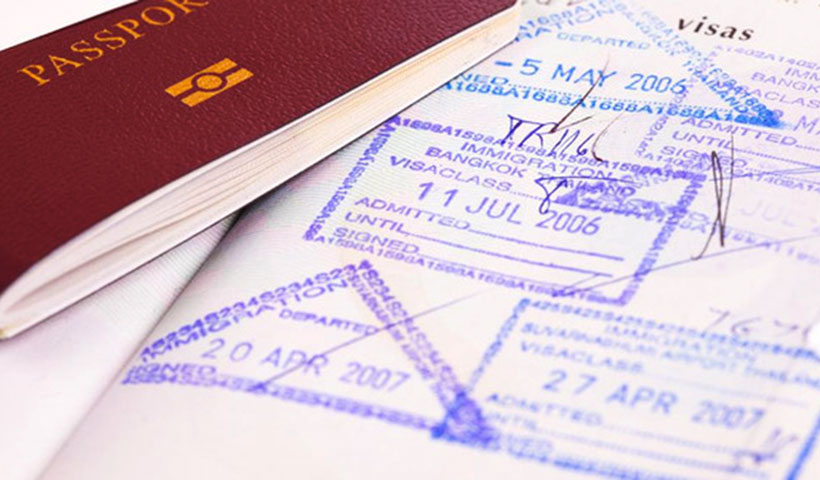
The latest in the southern African region is Mozambique, which has approved a visa exemption for 28 countries for tourism and business.

As the Council of Ministers approved the decree in mid-March, the exemption applies to visitors holding ordinary passports and allows for a 30-day stay, renewable to an additional 60 days.

The model adopted by the Mozambican government is similar to the United States visa waiver program in the sense that it requires travellers to register on a platform for pre-screening at least 48 hours before travelling and to pay a processing fee of MZN-650 (equivalent £8.50).

In the list released, Nigeria, which prides itself as the giant of Africa and the largest economy on the continent, was missing.

The approved countries for this programme are Belgium, Canada, China, Denmark, Finland, France, Germany, Ghana, Indonesia, Israel, Italy, Ivory Coast, Japan, The Netherlands, Norway, Portugal, Russia, Saudi Arabia, Senegal, Singapore, South Korea, Spain, Sweden, Switzerland, Ukraine, United Arab Emirates, the United Kingdom and the United States.

The visa exemption is a follow-up to the launch of a platform last December that allowed prospective visitors to apply for an electronic pre-authorization to travel into the country. The introduction of e-visas has seen an increase of over 30 per cent in the number of travellers entering the country compared to the same period in the previous year.

The e-visa platform commits the country to respond to applications within five days, but general feedback places an average response at 24 hours, and the few issues reported are usually created by users not uploading the required documentation.

 President Filipe Jacinto Nyusi, since August 2022, has taken steps containing 20 reform measures aimed at delivering to visitors and potential investors a path for a more competitive and more accessible country. Mozambique, with an approximate population of 30 million, is one of the 16-member Southern African Development Community.


1 Comment

1 Comment

Leave a Reply

Your email address will not be published. Required fields are marked *

Travel/Tourism

Dangote Refinery Slashes Jet Fuel Price to N1,650 Per Litre

Published

on

aviation fuel Jet A1

By Aduragbemi Omiyale

The price of aviation fuel, also known as Jet A1, has been reduced by Dangote Petroleum Refinery and Petrochemicals to N1,650 per litre from N1,750 per litre.

The company, in a statement, said this price slash was done to ease cost pressures on airlines and ensure an uninterrupted fuel supply across the country.

This is in addition to a 30-day interest-free credit facility backed by bank guarantees (BG) for marketers and airline operators and a shift from a dollar-denominated pricing structure to a naira-based model.

The private refiner also stated that these interventions come amid growing concerns over the rising operational costs faced by domestic carriers, with aviation fuel accounting for a significant portion of airline expenses.

Industry stakeholders have repeatedly warned that escalating Jet A1 prices were placing severe financial strain on operators and threatening the sustainability of flight operations.

The refinery’s decision is expected to provide relief to airline operators by lowering fuel procurement costs, improving operational stability, and supporting efforts to moderate airfares.

Continue Reading

Travel/Tourism

Airlines Face Fresh Turbulence Over Jet Fuel Scarcity

Published

on

Jet Fuel Scarcity

By Adedapo Adesanya

The National Association of Aircraft Pilots and Engineers (NAAPE) has revealed that Nigerian airlines are battling a severe jet fuel crisis, triggered by soaring jet fuel prices and supply shortages.

This is the latest blow to the aviation industry, which escaped an industrial action by airline operators over the price of jet fuel.

The latest development is increasing costs, disrupting flights and creating concerns about operational safety and sustainability.

According to Reuters, the persistent scarcity of jet fuel has triggered ⁠widespread operational challenges, including flight delays, route adjustments and extended crew duty periods, as airlines struggle to manage schedules amid rising costs.

According to the President of the association, Captain Bunmi Gindeh, the fuel shortages were pushing crews beyond planned limits, increasing fatigue and potentially eroding safety margins in an industry governed by strict rest regulations.

According to local carrier Rano Air, it revealed that jet fuel prices had more than quadrupled, as well as made some routes commercially unsustainable, forcing operational adjustments.

Other carriers have also begun rescheduling or cancelling flights and cutting unprofitable routes, industry ‌sources ⁠cited by Reuters said.

This comes at a difficult time for Nigeria’s aviation sector, already strained by foreign-exchange volatility, high aircraft maintenance costs, airport infrastructure strains and fuel price swings.

Airlines group, Airline Operators of Nigeria (AON), last month threatened to suspend operations over what they described as crippling and artificially inflated jet fuel prices.

Nigeria’s airline industry carries millions ⁠of passengers annually across an extensive domestic network and plays a critical role in connecting cities where road travel is often slow or insecure, making reliable air services economically and socially important.

The publication reported that the Nigerian Midstream ⁠and Downstream Petroleum Regulatory Authority (NMDPRA) has said fuel prices would not be capped, adding that any decisions on deregulated products would be formally communicated.

The crisis is worsening existing problems in Nigeria’s aviation sector, including forex instability, expensive aircraft maintenance and weak infrastructure.

Continue Reading

Travel/Tourism

FG Unveils Leasing Initiative to Cut Airlines’ Fleet Acquisition Costs

Published

on

aviation workers

By Adedapo Adesanya

The federal government has approved the establishment of a national aircraft leasing company aimed at easing access to modern fleets for domestic airlines and transforming aviation financing in Nigeria.

The minister of aviation and aerospace development, Mr Festus Keyamo, announced the decision after a meeting of the Federal Executive Council (FEC), describing the move as a significant shift in how Nigerian carriers will acquire and finance aircraft.

Mr Keyamo said the proposed company would operate as a private-sector-driven Special Purpose Vehicle (SPV) with government backing.

“This initiative is a game-changer for our aviation industry. It eliminates the long-standing challenges Nigerian airlines face in accessing aircraft on competitive terms and positions the country as a hub for aviation financing in Africa,” he said.

According to the minister, the new platform will allow airlines to source aircraft through a centralised system, replacing the current model where operators negotiate individually with international lessors, often at higher costs and stricter terms.

Mr Keyamo noted that the government’s role would be largely supportive, providing sovereign guarantees to boost investor confidence, while private sector players drive the project.

“Through the Ministry of Finance Incorporated, the government will hold equity and earn revenue without direct financial investment. Our primary obligation is to provide the confidence investors need, especially in ensuring asset security,” he added.

The initiative, he said, has already begun attracting interest from both local and international investors, signalling early confidence in its viability.

Beyond supporting Nigerian carriers, the leasing company is also expected to extend services across West Africa and the broader continent, positioning Nigeria as a regional hub for aircraft leasing.

Airlines in Nigeria have come into focus in recent weeks due to renewed concerns over the financial sustainability of operators, which almost forced them to suspend operations last month. However, the Bola Tinubu-led government approved a 30 per cent relief on debts owed by local ‌airlines to aviation agencies and ordered talks involving fuel marketers, airlines, and ​regulators to reach a ​fair jet fuel price.

Continue Reading

Trending