Connect with us

General

NDLEA Nabs Suspected Drug Trafficker Granted Bail by Court

Published

on

suspected drug trafficker

By Adedapo Adesanya

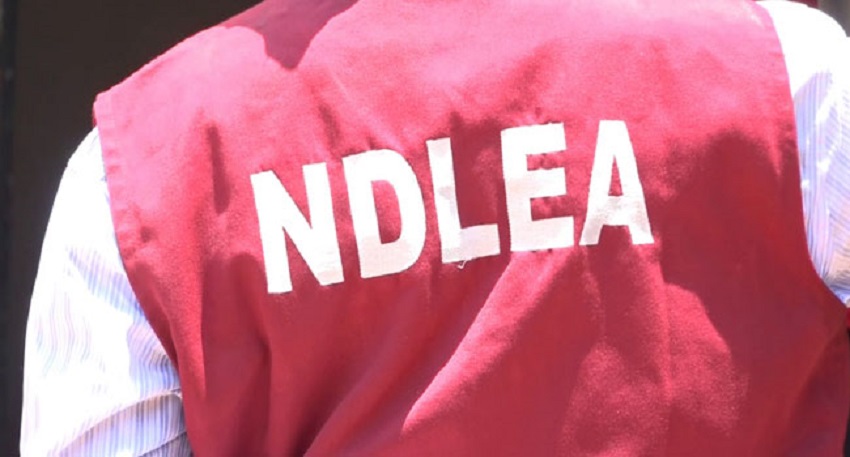
The National Drug Law Enforcement Agency (NDLEA) has arrested one Mr Okoli Collins Ikenna for allegedly masterminding recent attempts to export illicit drugs to London in the United Kingdom through the Murtala Muhammed International Airport (MMIA).

This was disclosed by the NDLEA spokesman, Mr Femi Babafemi in a statement on Sunday.

The statement revealed that Mr Ikenna had been on bail following his arrest in November 2020 and subsequent arraignment before a Lagos Federal High Court for attempting to export 15.700 kilogrammes of Methamphetamine to Australia.

It was further disclosed that a series of investigations into recent multiple attempts to export illicit drugs to the UK led to the arrest of the drug dealer on Tuesday, November 2, when he was caught with 78 parcels of cannabis concealed in black soap packs and labelled as Dudu Osun, with a total weight of 12.250 kilogrammes heading to the United Kingdom.

Further investigation also linked the suspected drug trafficker to the attempt to export 7.350kgs of cannabis to the UK on Thursday, October 21, a consignment that was intercepted at the NAHCO export shed of the MMIA.

It was also revealed that a separate investigation by operatives of the Directorate of Operations and General Investigation (DOGI) of the agency, attached to courier companies have equally traced two other attempts to export 47.7kgs of cannabis to the UK through courier firms to Mr Ikenna after his agents, arrested in the course of the investigation, named him as the owner of the consignments.

In the same vein, desperate bids by traffickers to export over 2 kilograms of cocaine, methamphetamine, and cannabis hidden inside containers of body cream, tea bags, vehicle oil, and air filters to London, Saudi Arabia, United Arab Emirates, and New Zealand through two major courier firms in Lagos have been scuttled by narcotic officers of the agency.

Meanwhile, in Kano, controlled delivery of an illicit consignment on Friday, November 5, led to the arrest of two suspects: Mr Ibrahim Sulaiman and Mr Muhammad Sani Alhassan with 23kgs of Diazepam tablets; 2kgs of Codeine syrup and 32kgs of Exol 5 tablets, bringing the total weight to 57kg.

Earlier on Wednesday, operatives of the Kano command of the agency had arrested one Mr Mizambilu Tijjani, with 64kgs of cannabis Sativa, and Mr Victor Nsodikwa Chu-chu, with 34 cartons of Pentazocine injection and one carton of Diazepam injection in the Sabongari area of the city.

In Kogi State, operatives also seized a consignment containing 28.251kgs of Exol- 5; 6.6kgs of Barcadin Codeine Syrup; over 38.532kgs of Tramadol, bringing the total drugs seized to 73.808kgs.

In a related development, operatives of the Osun State command seized 130.518kgs of cannabis and 18grams of cocaine in the Modakeke area of Ile-Ife.


Adedapo Adesanya is a journalist, polymath, and connoisseur of everything art. When he is not writing, he has his nose buried in one of the many books or articles he has bookmarked or simply listening to good music with a bottle of beer or wine. He supports the greatest club in the world, Manchester United F.C.

Advertisement
2 Comments

Leave a Reply

Your email address will not be published. Required fields are marked *

General

Tunnel Greenhouse Grow Tents in Modern Controlled Environment Cultivation

Published

on

greenhouse technology

Controlled environment agriculture has become an important part of modern food production and facility management in the United States. Agricultural producers, research institutions, and industrial property operators often require protected growing areas to ensure stable plant development. Greenhouse systems allow operators to manage temperature, moisture, and airflow while protecting crops from environmental stress.

One example of this approach is the Tunnel Greenhouse Grow Tent w/12 Mil Ripstop Leno Mesh Cover. Tunnel greenhouse structures create enclosed growing spaces that support plant cultivation while maintaining airflow and natural light exposure. These systems are used in small agricultural operations as well as in institutional and facility management programs.

Market Context and Importance in the United States

Demand for reliable plant cultivation systems has increased due to changing climate patterns and expanding urban development. Many organizations require predictable plant production for landscaping, research, and food supply programs. Controlled environment greenhouse structures allow operators to extend growing seasons and reduce crop losses.

Tunnel greenhouses are widely used because they are easier to install than large permanent structures and can be adapted to different locations.

Basic Structure and Functional Design

Tunnel greenhouse grow tents use a curved frame structure covered with durable protective material. The covering allows sunlight to enter while protecting plants from wind and heavy rainfall.

Key structural elements include:

  • Steel frame that supports the structure
  • Protective mesh or plastic covering
  • Roll up windows for airflow control
  • Ground anchoring system for stability
  • Entry door for maintenance access

Operational Applications

Tunnel greenhouse systems support several types of cultivation and facility management operations.

  • Vegetable and fruit cultivation
  • Seedling propagation programs
  • Landscape plant preparation
  • Agricultural research and testing
  • Protected growing environments in cold regions

Efficiency and Productivity Considerations

Greenhouse structures improve productivity by providing consistent environmental conditions. Controlled growing spaces help operators maintain plant health and improve production planning.

  • Reduced crop loss from weather exposure
  • Improved control of temperature and moisture
  • Extended growing seasons
  • More predictable plant development cycles

Technical Infrastructure Considerations

Successful greenhouse operation requires attention to environmental and structural factors. Operators must ensure that the structure can withstand local climate conditions while supporting plant growth requirements.

  • Proper anchoring for wind resistance
  • Sunlight exposure throughout the day
  • Ventilation management through windows or vents
  • Reliable water supply for irrigation
  • Monitoring of temperature and humidity levels

Safety Practices and Maintenance

Regular inspection helps maintain safe operation and structural stability of greenhouse systems.

  • Inspect frame connections and anchors
  • Replace damaged covering materials
  • Maintain safe electrical connections for ventilation equipment
  • Keep walkways clear during maintenance work

Related Equipment and Accessories

Greenhouse systems often operate together with other tools that support plant cultivation.

  • Irrigation systems
  • Plant benches and racks
  • Ventilation fans
  • Environmental monitoring devices
  • Supplemental lighting equipment

Advantages and LimitationsAdvantages

  • Flexible installation in different locations
  • Protection from environmental conditions
  • Improved plant growth stability
  • Lower cost compared with permanent structures

Limitations

  • Performance influenced by local climate conditions
  • Requires routine maintenance of covering materials
  • Limited insulation compared with permanent greenhouse buildings

Example from a Small Agricultural Operation

A small vegetable farm in the northeastern United States installed tunnel greenhouse structures to extend the growing season for leafy crops. By using protected cultivation space, the farm was able to begin seedling development earlier in the spring and continue production later in the autumn. This approach improved crop availability while reducing the impact of seasonal weather changes.

Conclusion and Future Industry Trends

Tunnel greenhouse grow tents provide a practical solution for controlled environment cultivation in agricultural and institutional settings. Their flexible design and relatively simple installation make them suitable for many types of plant production programs.

Future developments in greenhouse technology may include improved covering materials, automated ventilation systems, and advanced environmental monitoring tools. As interest in reliable plant production continues to grow, controlled cultivation systems will remain an important part of modern agricultural and facility management practices.

Continue Reading

General

Light Deprivation Greenhouse Systems in Controlled Agricultural and Industrial Operations

Published

on

tmg industrial

Controlled agriculture has expanded in Canada due to demand for reliable crop production and efficient land use. Climate variability and short growing seasons create challenges for agricultural producers and industrial cultivation facilities. A Light Deprivation Two Layer Cover Greenhouse Grow Tent provides a structured solution that allows operators to regulate light exposure, temperature, and environmental conditions. These systems are increasingly used in agricultural operations that require predictable crop cycles and controlled growing environments.

For warehouse managers, logistics planners, and agricultural equipment operators, greenhouse structures represent an important part of modern agricultural infrastructure. They help maintain consistent production schedules and support supply chain planning for agricultural products.

Role in Canadian Agricultural and Industrial Context

Canada has a diverse agricultural landscape that includes greenhouse farming, research facilities, and controlled cultivation environments. Because natural daylight hours change significantly across seasons, producers often rely on light management techniques to maintain predictable crop growth cycles. Light deprivation greenhouse systems allow operators to simulate shorter daylight periods when required.

These structures are used in several operational settings:

  • Commercial greenhouse farms
  • Controlled cultivation facilities
  • Agricultural research stations
  • Specialty crop production environments
  • Seed development programs

Technology and Operating Principles

Light deprivation greenhouses use layered covering materials to regulate sunlight exposure. The outer layer allows natural light to enter the structure during normal growing periods. A secondary blackout layer can be deployed to block external light and simulate night conditions when required for plant development cycles.

Manufacturers such as TMG Industrial design these systems to support environmental control while maintaining structural stability in outdoor conditions.

Key Structural Components

  • Steel support frame
  • Transparent greenhouse covering
  • Blackout light deprivation layer
  • Ventilation openings
  • Anchoring and structural support system

Operational Efficiency and Production Planning

Controlled greenhouse environments support predictable crop production schedules. By managing light exposure, producers can influence plant growth stages and improve crop consistency.

  • Extended growing seasons
  • Improved crop scheduling
  • Better environmental control
  • Reduced dependence on natural daylight patterns

These advantages can help agricultural operations maintain steady supply levels for distribution networks.

Technical Considerations for Installation

Successful greenhouse installation depends on several technical factors. Operators must evaluate site conditions, climate exposure, and environmental control requirements.

  • Ground stability and site preparation
  • Wind and weather exposure
  • Ventilation and airflow management
  • Water and irrigation access
  • Sunlight orientation and positioning

Safety and Operational Best Practices

Greenhouse structures must be installed and maintained carefully to ensure safe working conditions. Workers often operate equipment and perform crop management tasks within the structure.

  • Inspect structural connections regularly
  • Secure anchoring systems before operation
  • Maintain clear walkways for workers
  • Monitor ventilation to prevent heat buildup
  • Provide training for greenhouse equipment use

Supporting Equipment and Accessories

Greenhouse operations often require additional systems that support plant cultivation and facility management.

  • Irrigation systems
  • Climate monitoring sensors
  • Ventilation fans
  • Grow lighting systems
  • Plant support structures

Advantages and Limitations

Light deprivation greenhouse systems provide flexible cultivation environments that help improve agricultural productivity.

  • Control of plant light exposure
  • Improved production planning
  • Adaptability for different crop types
  • Protection from weather exposure

However, greenhouse structures require ongoing monitoring and maintenance. Environmental conditions such as wind or heavy snow may affect structural performance if proper installation procedures are not followed.

Operational Example from Controlled Agriculture

A greenhouse cultivation facility in British Columbia implemented a light deprivation system to improve crop scheduling. By controlling daily light exposure, the operation was able to create multiple harvest cycles within a single season. This adjustment improved production consistency and supported distribution planning for regional agricultural supply networks.

Conclusion and Future Industry Trends

Light deprivation greenhouse systems have become important tools for modern controlled agriculture. By enabling precise environmental control, these structures help producers maintain stable production levels and respond to market demand. As agricultural technology continues to evolve, future greenhouse systems may integrate automated environmental controls, advanced climate monitoring, and improved structural materials to support more efficient cultivation practices.

Continue Reading

General

Zarttech Shuts Down Operations, Apologises to Partners

Published

on

Zarttech

By Aduragbemi Omiyale

A technology company headquartered in The Hague, Netherlands, Zarttech, has apologised to individuals and partners affected by its decision to shut down its operations.

In a message, the organisation noted that while its chapter may have come to an end, the impact of the conversations it helped spark about African talent, global collaboration, and opportunity without borders continues to be part of a larger movement transforming the global technology landscape.

Zarttech was established to bridge the global tech talent gap by connecting diverse IT professionals with opportunities around the world. It sought to remove barriers that often prevent talented individuals from accessing global work, while promoting fairness and reducing bias in the technology recruitment process.

Through its work, Zarttech contributed to a broader shift in how Africa is perceived in the global technology ecosystem. By highlighting the expertise, creativity, and potential of African developers and technology professionals, the firm helped bring greater visibility to the continent’s growing pool of world-class talent.

Its mission was centred on creating opportunities that connect businesses with skilled professionals across Africa, Europe, and South America while demonstrating that innovation and excellence in technology know no geographic boundaries.

Beyond its business activities, Zarttech also supported initiatives aimed at empowering women in technology across Africa through training and education programs, reinforcing its belief that inclusive access to opportunity can help shape a more equitable global tech industry.

Continue Reading

Trending